

Antique Yellow Painted Furniture
Antique yellow painted furniture brings warmth to a room through centuries-old pigments applied to pine, satinwood and timber.
Antique Yellow Painted Furniture
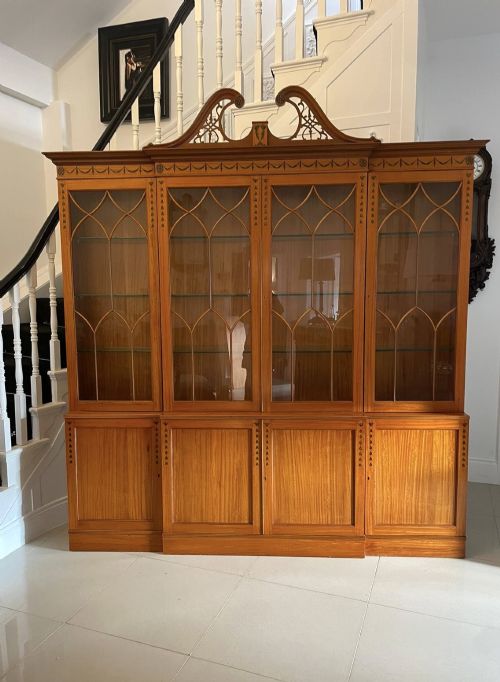
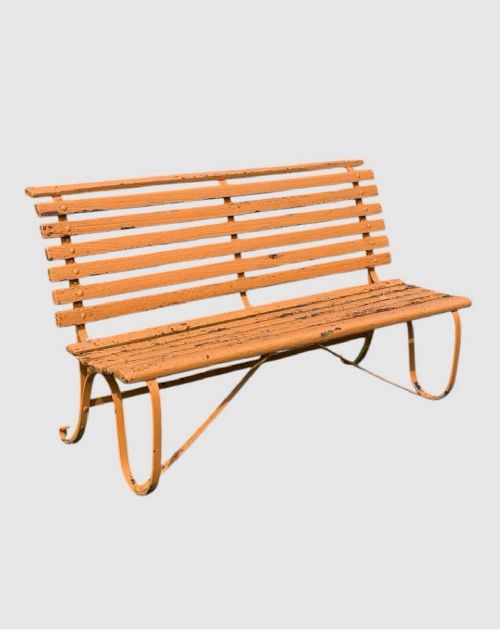
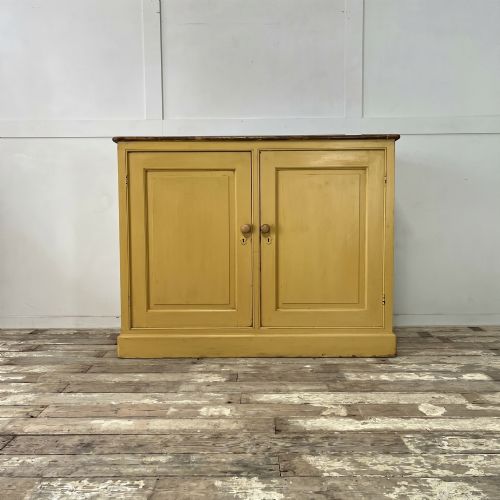
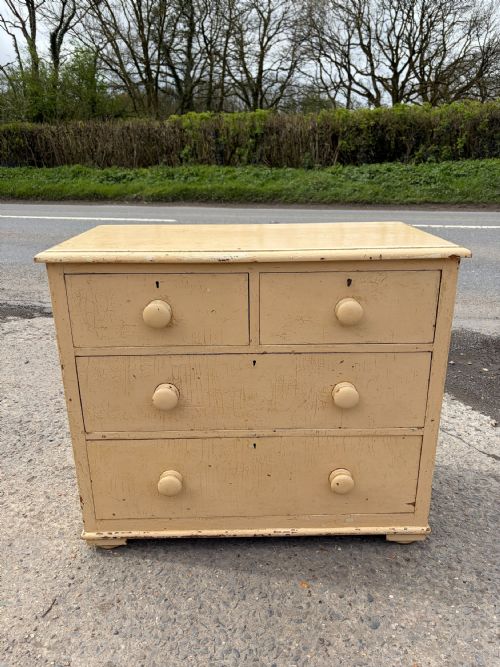
Buyers seeking antique yellow painted furniture encounter practical storage items and seating originating from the eighteenth, nineteenth and early twentieth centuries. The selection spans utilitarian pine cupboards, chests of drawers and benches alongside finer satinwood desks and display cabinets.
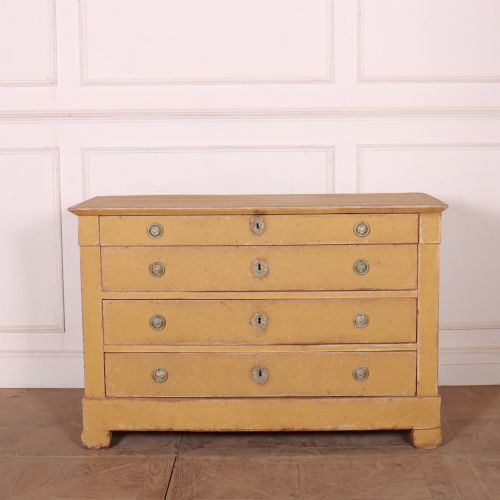
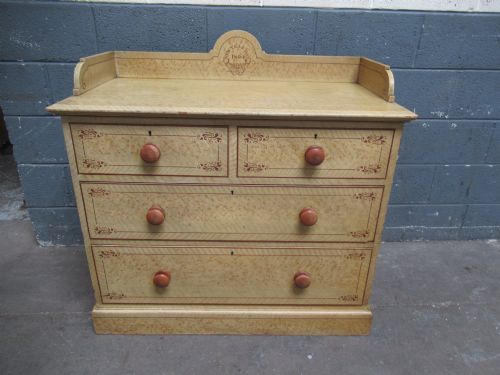
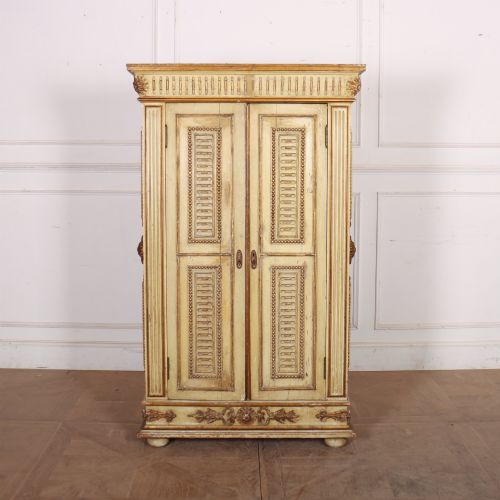
Regional pieces display distinct characteristics, ranging from Scandinavian country finishes to English country house scumble paint and French provincial commodes. These items provide functional household utility while retaining their historical surface treatments.
Most examples rely on soft mustard, cream or pale yellow tones applied to softwood bases like pine or hardwoods such as satinwood and elm. The inventory balances rustic vernacular items against polished neoclassical forms.
How these pieces were made
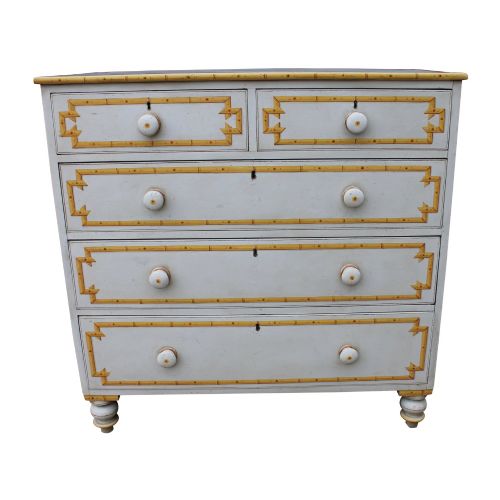
Craftsmen built these items using native timbers including pine, elm and satinwood, assembling frames with traditional joinery before applying ground layers and oil or water-based paints. Surfaces frequently received decorative treatments such as scumble glazes, faux bamboo shaping or japanned finishes.
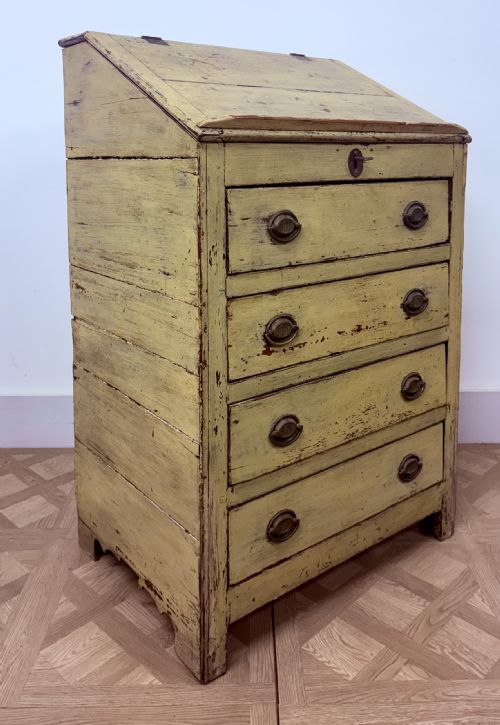
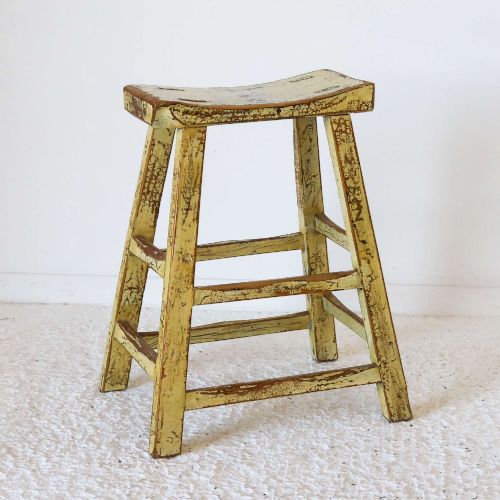
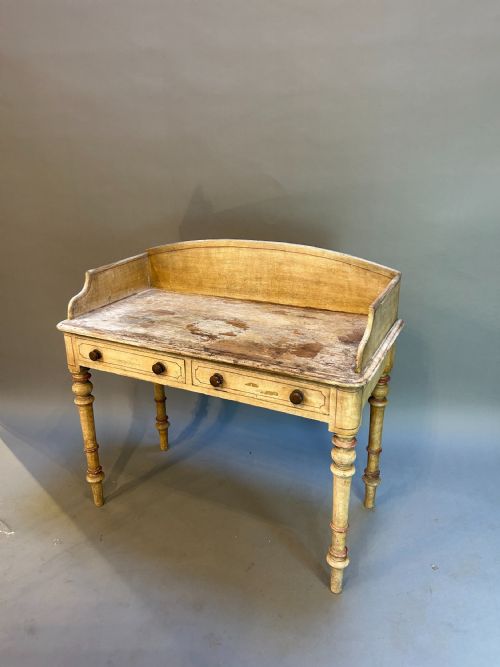
Surviving pieces often retain their original pigments beneath later protective coats, showing brush marks and tool signatures from period workshops. Iron, brass and glass components supplement the wooden structures on cabinets, desks and wash stands.
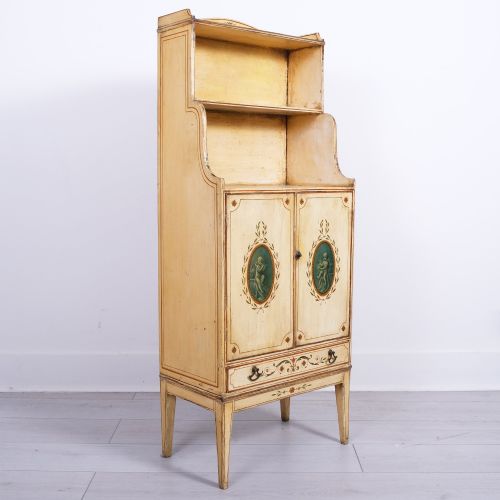
Listings feature eighteenth and nineteenth-century pine, satinwood and elm forms spanning Georgian, Victorian and Scandinavian country styles.
What varies in quality
Quality rests in the survival of the original painted surface and the integrity of the underlying timber structure. Pieces retaining untouched period paint layers command greater attention than those stripped or heavily recoated during later restorations.
The refinement of the joinery and the sophistication of the decorative technique separate vernacular country items from high-style urban commissions. Structural balance, original brass or iron hardware and crisp proportions distinguish superior examples.
The Antique Yellow Painted Furniture Glossary
- Scumble paint
- A translucent glaze manipulated with combs, rags or brushes over a pale ground to imitate grain or create textured depth. This technique was popular in country houses for treating pine furniture.
- Faux bamboo
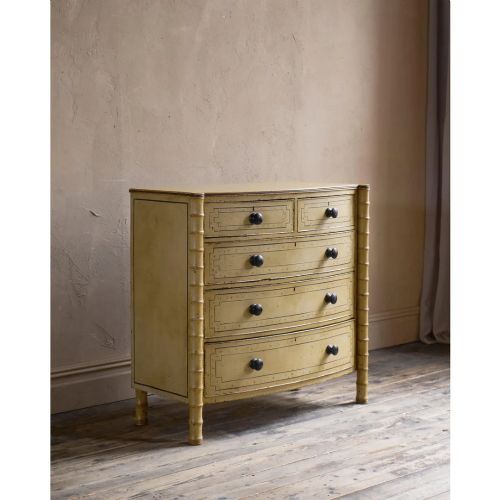
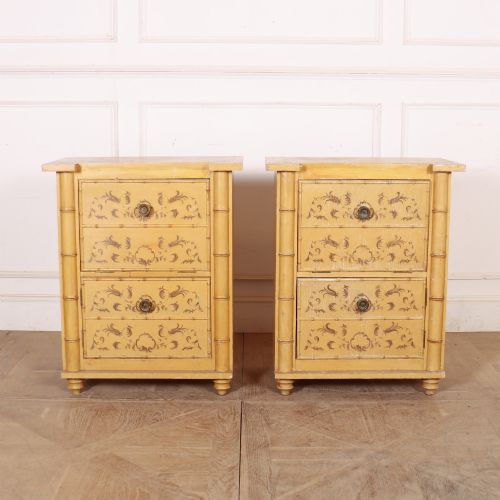
- Turned and carved wood shaped to mimic natural bamboo stalks. Makers utilised this decorative motif extensively on nineteenth-century bedroom cabinets and chests.
- Satinwood
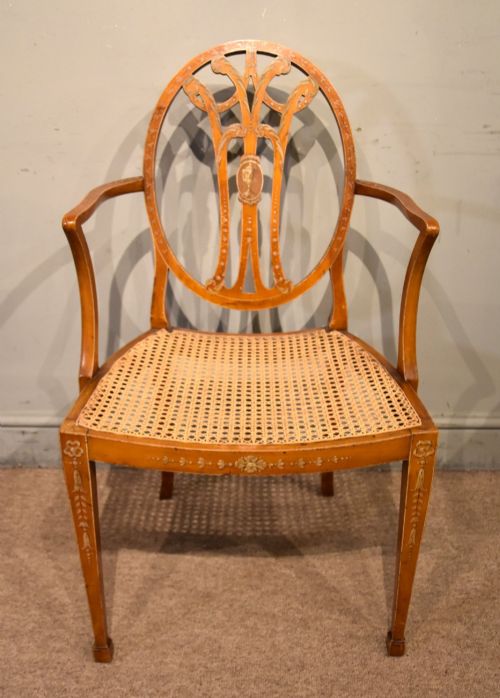
- A durable exotic hardwood possessing a natural golden sheen that accepts paint or polished finishes well. It appears frequently on fine Georgian and Edwardian tables and cabinets.
- Japanned
- European imitation of East Asian lacquerwork applied to furniture surfaces. The process involves layered varnishes and decorative motifs.
- Commode
- A low chest of drawers or cabinet with doors originating from French furniture forms. These pieces often feature painted floral or architectural decorations.
Antique Yellow Painted Furniture: Frequently Asked Questions
How do I clean painted antique furniture?
Dust surfaces regularly with a soft, dry cloth to prevent dirt accumulation on historical paint layers. Avoid harsh chemical cleaners or excess moisture that might lift fragile nineteenth-century pigments.
Test any mild cleaning solution on a hidden area before applying it broadly across the piece. Preserving the dry, original character of the painted surface remains the primary goal during maintenance.
Are these painted finishes original?
Many items retain their first surface treatments, while others show secondary layers applied during subsequent decades of use. Close inspection under natural light reveals brush texture, craquelure and wear patterns consistent with age.
Documentation or traces of early ground colours help confirm whether a painted finish dates to the period of manufacture. Original country house scumble and Swedish ragwork finishes display distinct patination.
How do I fit yellow painted furniture into a modern room?
Pale yellow and cream tones bounce light around contemporary spaces while adding historical texture through visible brushwork. These pieces anchor neutral rooms by introducing warmth without overwhelming surrounding furnishings.
Pair rustic pine cupboards or faux bamboo chests with modern minimalist decor to let the aged surface stand out. Practical forms like desks, bookcases and bedside cabinets integrate easily into daily living spaces.