

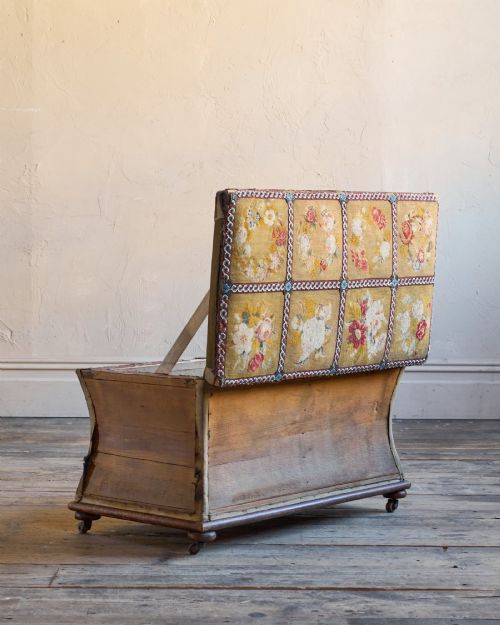
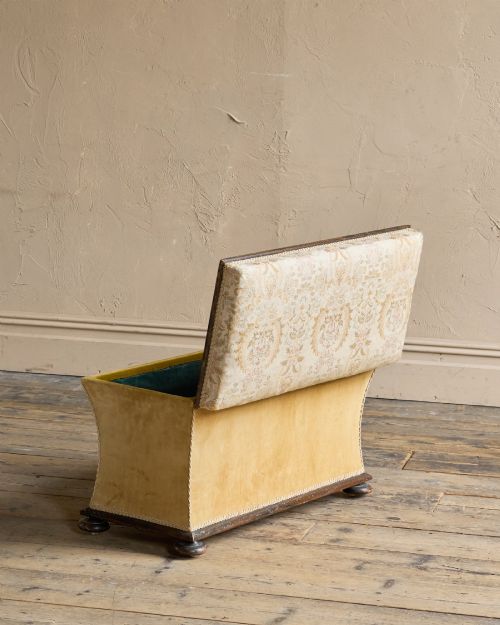
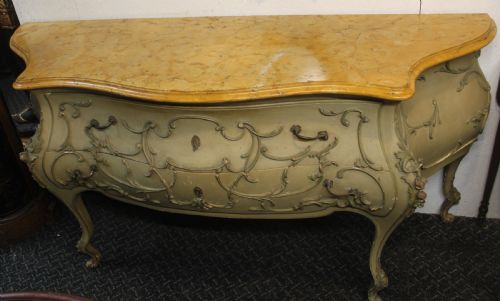
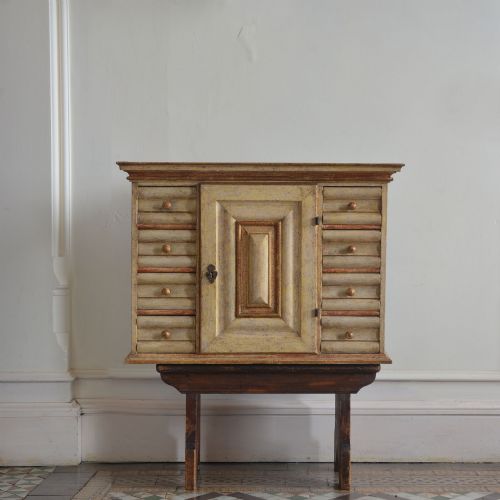
Antique Yellow Chest
An antique yellow chest brings warmth and character to a room, offering practical storage disguised in colourful painted or japanned surfaces.
Antique Yellow Chest
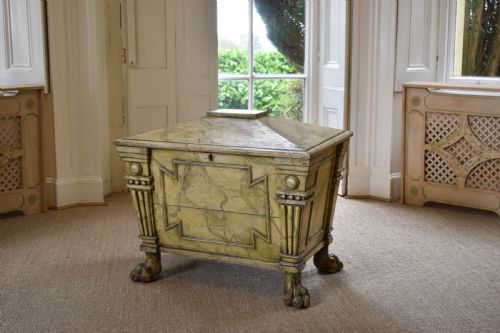
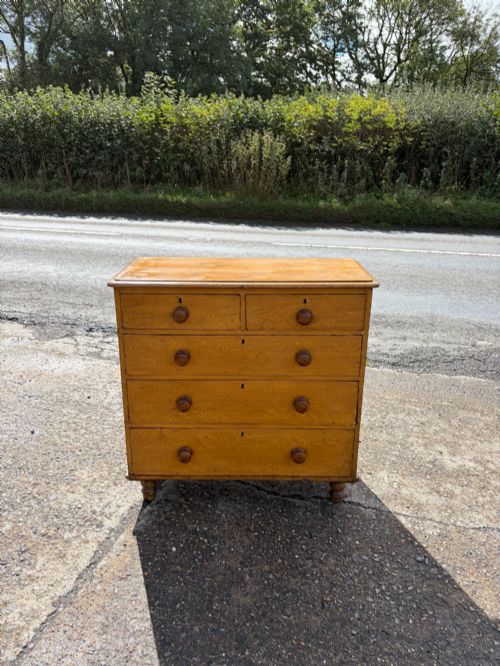
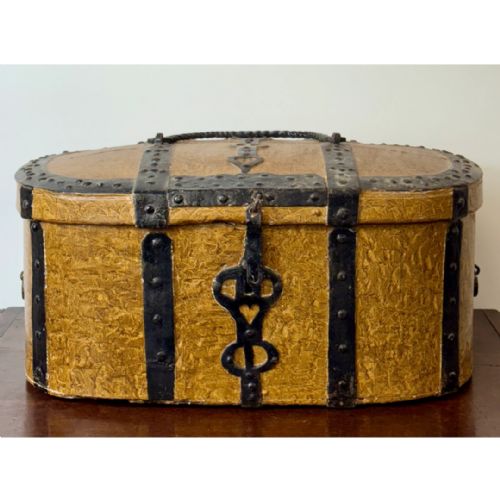
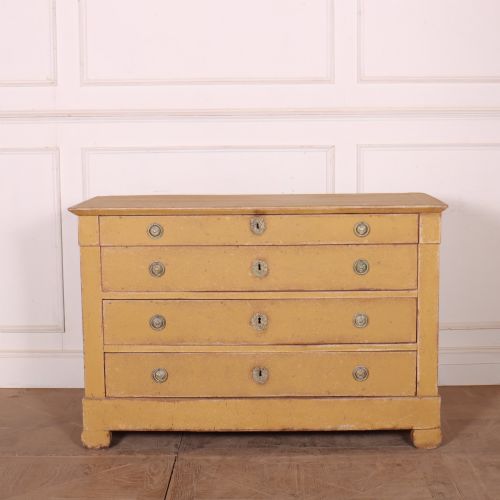
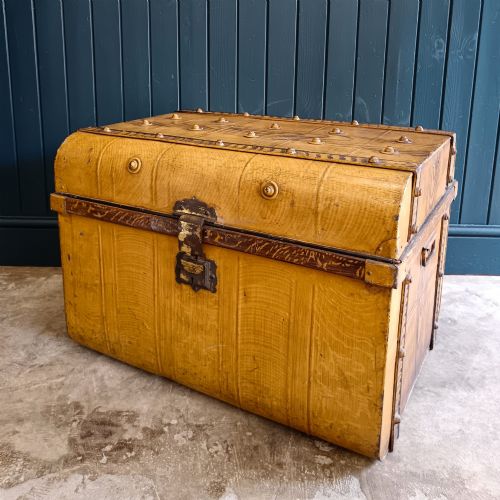
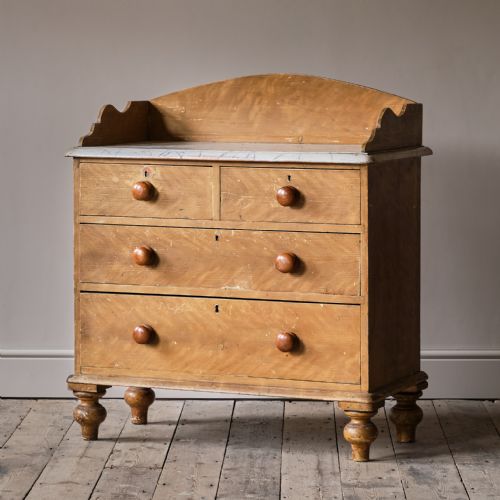
When searching for an antique yellow chest, buyers encounter a diverse selection of painted storage pieces ranging from modest country pine furniture to formal commodes and trunks. These items include standard drawer configurations, bedside cabinets, and specialised boxes finished in pale cream, bright yellow, or scumble glazes.
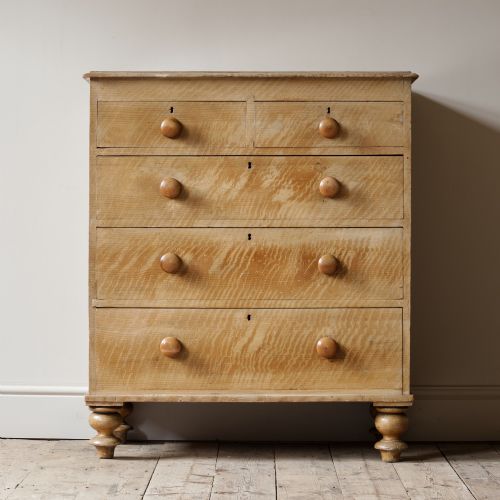
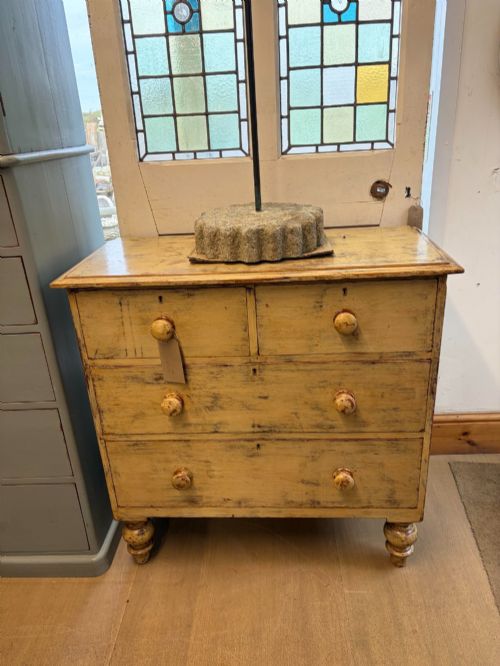
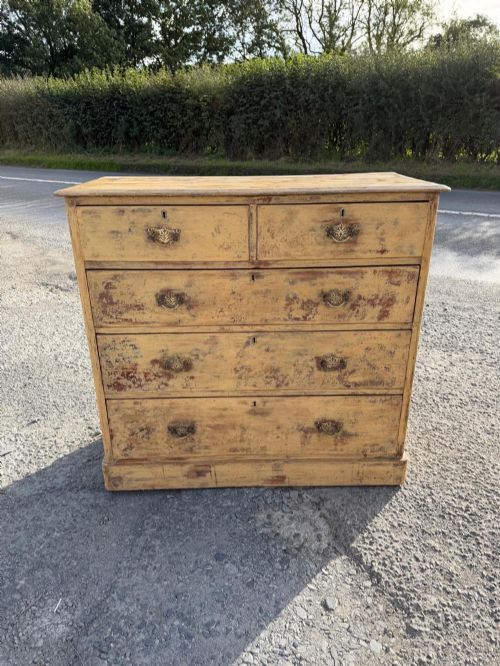
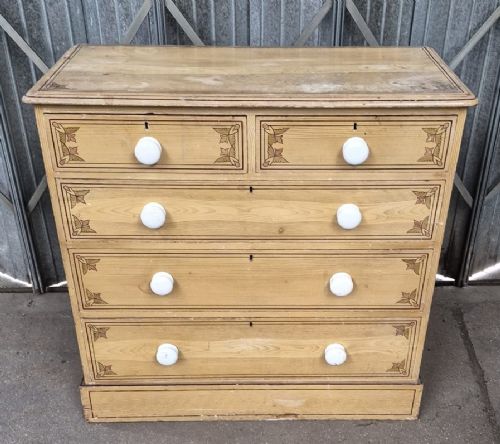
The most common iteration on this page is the Victorian pine chest of drawers in original paint, often featuring a two-over-three drawer arrangement. Alongside these, Scandinavian and English provincial pieces display distinct regional painting traditions, utilising simulated finishes and folk art motifs.
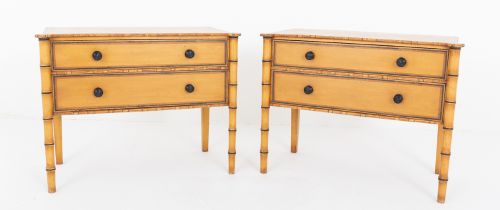
Origins stretch from the eighteenth century through to the early twentieth century, taking in Georgian country pieces, Regency faux bamboo designs, and later japanned workboxes. Each piece reflects the domestic storage needs of its period, adapted through decorative surface treatments.
Materials and construction
Pine serves as the primary structural timber for the majority of these storage pieces, frequently paired with secondary hardwoods for drawer linings and internal framing. Metal appears in structural braces, latches, and hinges on trunks, while brass hardware provides drawer pulls and key escutcheons.
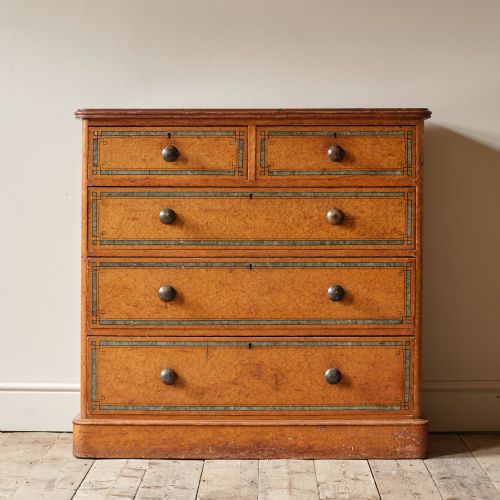
Surface decoration relies on oil-based paints, japanning techniques, and scumble glazes applied over wooden substrates to mimic more expensive timbers or create decorative patination. Craftsmen built these items using traditional joinery methods, incorporating dovetailed drawer construction and pegged frames.
Antique Yellow Chest Retail Price Guide 2026
Typical asking prices for yellow chest among the pieces listed under this phrase on Sellingantiques today, from the lower quarter to the upper quarter. They describe what is for sale here now, not the wider market.
Materials recorded across the inventory include solid pine, painted wood, wrought iron, brass, steel, and ceramic elements.
Assessing quality and finish
The distinction between tiers of quality rests largely upon the survival and integrity of the original surface finish rather than structural complexity alone. Pieces retaining their untouched scumble glaze, original japanning, or primary layer of paint command greater interest than those stripped or heavily repainted.
Execution of the decorative work itself defines the upper range, where skilled brushwork, convincing faux-wood graining, or delicate hand-painted motifs elevate domestic utility to decorative art. The harmony between the underlying joinery and the patinated exterior determines the overall coherence of the piece.
The Antique Yellow Chest Glossary
- Scumble
- A technique involving the manipulation of a translucent layer of darker paint over a lighter base colour to simulate wood grain or create textured patterns. This method was widely used on nineteenth-century pine furniture.
- Japanning
- A European imitation of East Asian lacquerwork achieved through the application of layered resin varnishes and painted details. It appears on decorative cabinets and workboxes from the eighteenth and nineteenth centuries.
- Commode
- A low piece of furniture with drawers or doors, functioning primarily as a decorative storage cabinet. European examples often feature elaborate painted finishes.
- Faux Bamboo
- A decorative carving style that mimics the joints and segmented form of bamboo stalks. This motif gained popularity during the Regency and Victorian periods.
- Coffer
- A large wooden chest traditionally used for storing valuables, linens, or domestic goods. These sturdy containers often feature metal bindings for added durability.
Antique Yellow Chest: Frequently Asked Questions
What is an antique yellow chest?
An antique yellow chest is a historic storage unit, such as a set of drawers, a trunk, or a commode, finished with historic paint, scumble glaze, or japanning in yellow, cream, or straw tones.
These pieces combine functional storage capacity with decorative surface treatments characteristic of various regional and period traditions.
How do I care for original painted wood?
Original painted surfaces require protection from direct sunlight and excessive moisture to prevent fading, cracking, or flaking of the historic layers.
Dusting gently with a dry, soft cloth is sufficient for routine maintenance, avoiding modern chemical polishes that can degrade aged paint.
Where were these painted chests made?
These storage pieces originate from workshops across Britain, Scandinavia, and continental Europe, reflecting local domestic furnishing customs.
English country pieces and Scandinavian folk art items represent the majority of regional painted furniture found in this category.
How do I date a painted pine chest?
Dating relies on examining construction methods, such as hand-cut dovetails, backboard thickness, and the type of fixings used within the drawers.
The nature of the paint, the preparation layers underneath, and any historic inscriptions or dates written on the timber also help determine age.