





Antique Writing Book
An antique writing book brings together portable record-keeping and personal correspondence, offering a tactile connection to the history of private thought.
Antique Writing Book
The term antique writing book encompasses a diverse range of portable and stationary pieces designed for correspondence, reading, and personal records. These objects bridge the gap between functional desk accessories and fine furniture.
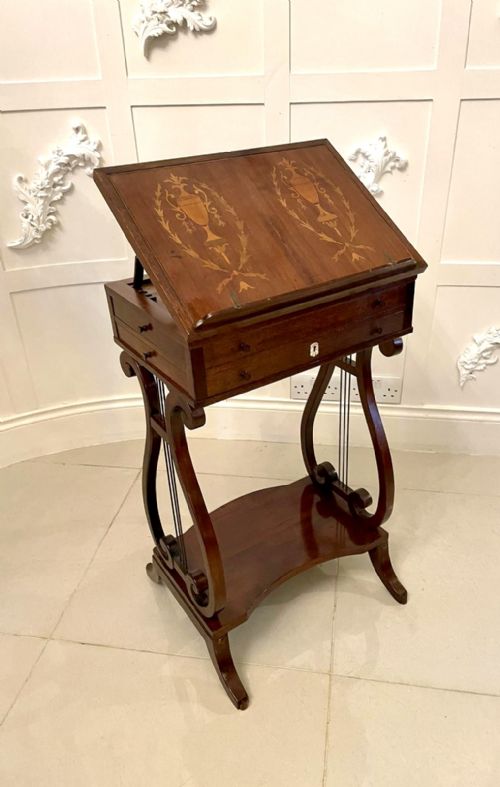
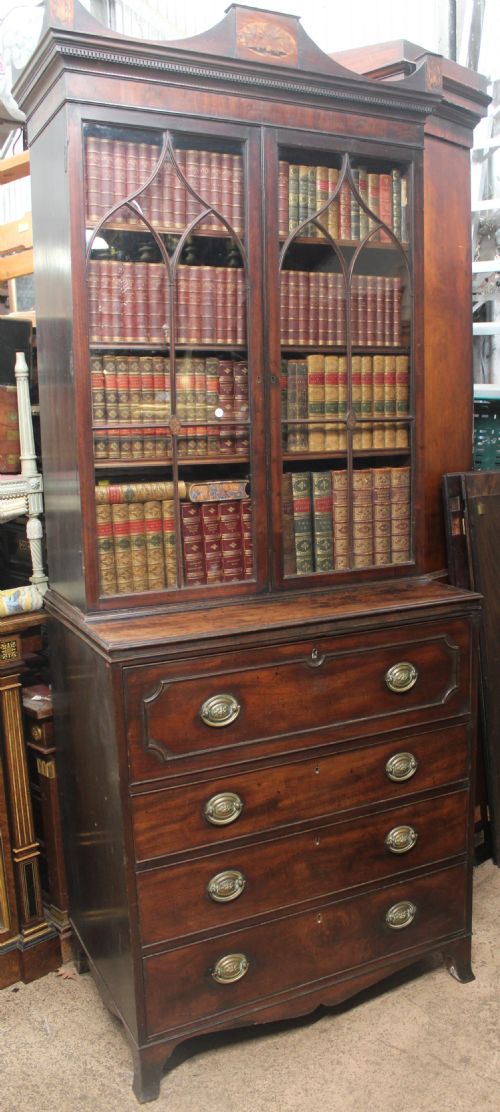
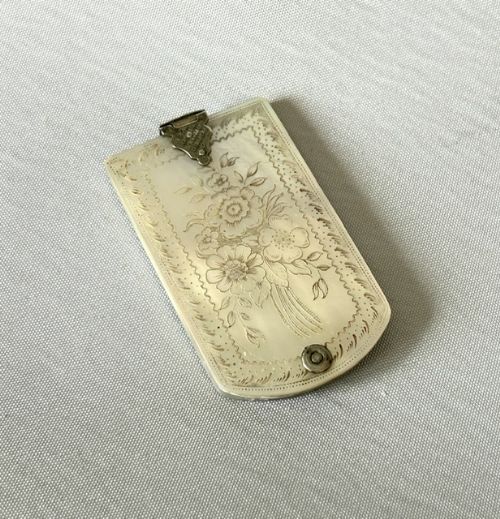
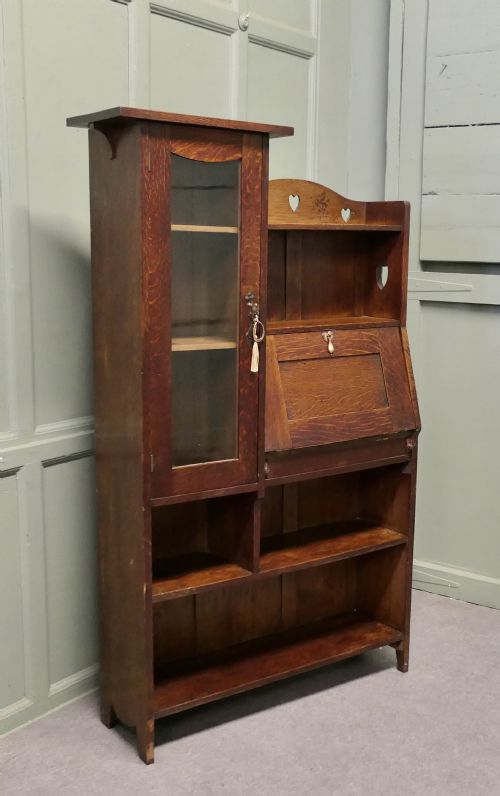
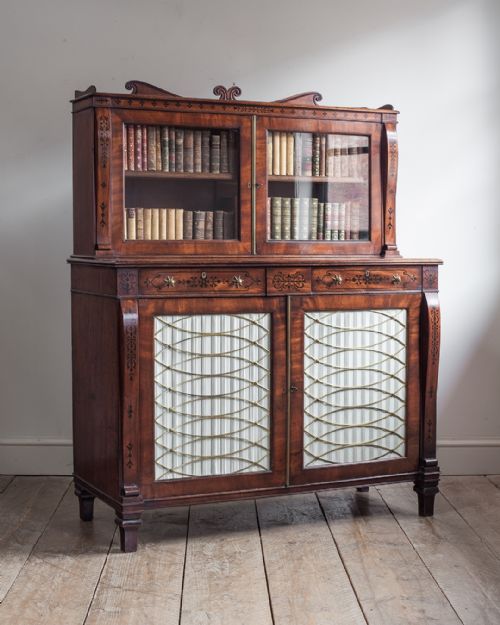
Visitors exploring this selection will most frequently encounter compact pocket companions such as aide-memoires and blotter folios alongside larger reading tables, bureaux, and secretaire bookcases.
The surviving pieces span several centuries, with prominent representation from the Victorian and Regency periods, utilising timbers like mahogany and oak alongside decorative brass and silver elements.
Materials and construction methods
Cabinet makers utilised dense hardwoods such as mahogany, rosewood, oak, and satinwood to construct the structural carcasses and reading surfaces of these pieces. These materials provided the durability required for daily use at the desk.
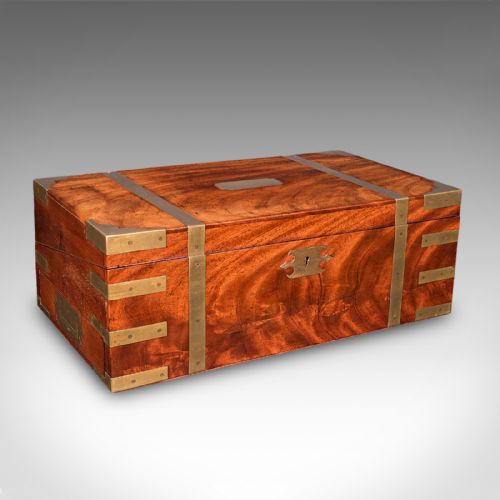
Surface decoration frequently involved brass mountings, sterling silver frontages, leather inserts, and intricate marquetry or tortoiseshell inlay. Skilled artisans combined these media to elevate utilitarian desk gear into refined domestic objects.
Antique Writing Book Retail Price Guide 2026
Typical asking prices for writing book among the pieces listed under this phrase on Sellingantiques today, from the lower quarter to the upper quarter. They describe what is for sale here now, not the wider market.
A gentleman's handwritten poetry book from the Regency era preserves private verses alongside the practical record-keeping tools of the desk.
Distinguishing quality and execution
Superior examples demonstrate precision in joinery and the careful selection of figured timber veneers, ensuring that visible grain patterns align harmoniously across the piece. The integration of mechanical reading stands or hidden compartments indicates higher workshop standards.
Finer portable accessories display meticulous metalwork, secure hinges, and well-preserved interior linings of silk or leather. The execution of inlay and the retention of original mounts separate standard production from exceptional craftsmanship.
The Antique Writing Book Glossary
- Aide-memoire
- A small memorandum book or pocket tablet used for recording notes and appointments. These portable items often feature silver or tortoiseshell covers with internal bone leaves.
- Secretaire bookcase
- A piece of furniture combining a shelved upper cabinet with a fall-front writing drawer or desk compartment. It serves both library and correspondence functions.
- Cheveret
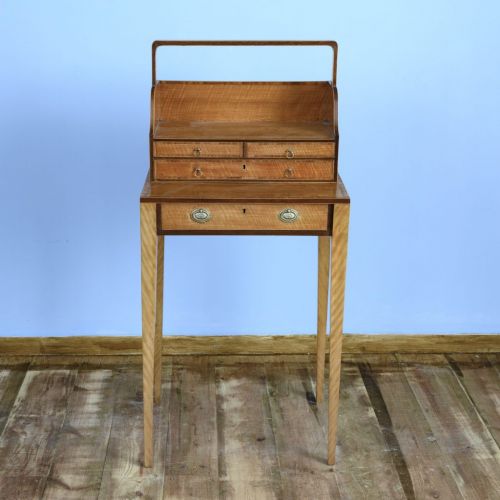
- A small writing table fitted with a removable book stand or tier on top. This eighteenth-century form allows for convenient mobility around a room.
- Campaign writing slope
- A portable hinged box designed for travellers that opens to form an inclined writing surface. These items typically include concealed storage for stationery and inkwells.
- Blotter folio
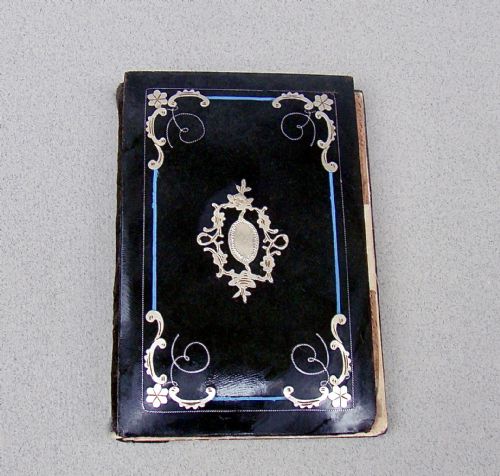
- A protective cover holding absorbent paper used to dry wet ink during correspondence. They often incorporate decorative leather, silver, or art nouveau metalwork.
Antique Writing Book: Frequently Asked Questions
What is an aide-memoire?
An aide-memoire is a pocket-sized memorandum book designed to hold notes, cards, or appointments while on the move. They typically feature hinged covers made from materials like silver, tortoiseshell, or mother-of-pearl.
Inside, these small books often contain bone leaves that allowed the owner to write in pencil and wipe the notes clean for reuse. They represent the personal, portable side of nineteenth-century record keeping.
How were reading tables used?
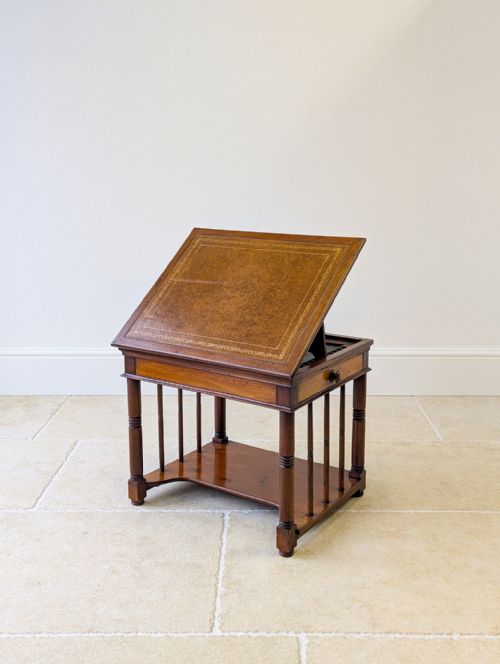
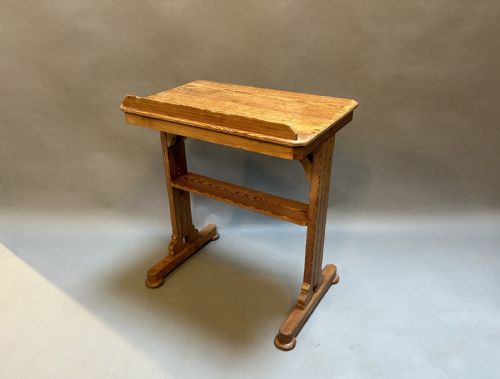
Reading tables provided an adjustable surface for books, folios, and manuscripts in the library or drawing room. Many featured ratcheted stands to prop volumes at a comfortable angle for study.
Examples range from compact table-top stands to large pedestal reading tables in mahogany and oak. They allowed scholars and gentlemen to consult heavy texts without holding them.
What distinguishes a secretaire bookcase?
A secretaire bookcase combines a bookcase upper section with a lower cabinet that houses a pull-out or drop-front writing desk. This dual purpose made them essential furniture for period libraries and studies.
When closed, they present the uniform appearance of a standard bookcase while concealing fitted pigeonholes and small drawers inside. Regency and Victorian makers produced fine versions in rosewood and mahogany.
How do I care for leather desk accessories?
Leather desk accessories, such as blotters and writing slopes, require gentle cleaning and conditioning to prevent the material from drying out. Keeping them away from direct sunlight and excessive heat preserves the original surface.
Applying appropriate leather balms helps maintain flexibility in antique bindings and desk inserts. Regular dusting with a soft cloth prevents abrasive particles from damaging the grain.