





Antique Woven Panel
An antique woven panel brings heavy historical texture to an interior through centuries-old textile traditions, ranging from European verdure landscapes to nomadic Central Asian bagfaces.
Antique Woven Panel
An antique woven panel encompasses a diverse range of historic textiles, spanning European wall hangings and tribal nomadic bagfaces. Buyers searching this phrase will encounter everything from large Flemish verdure scenes to small Turkmen torbas and Uzbek ikat fabric panels.
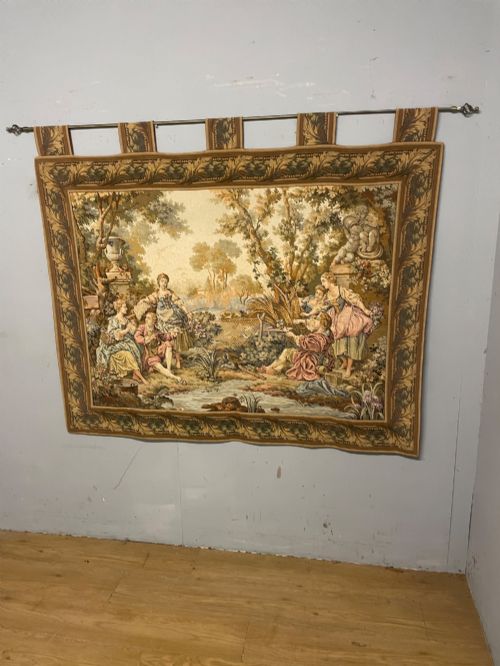
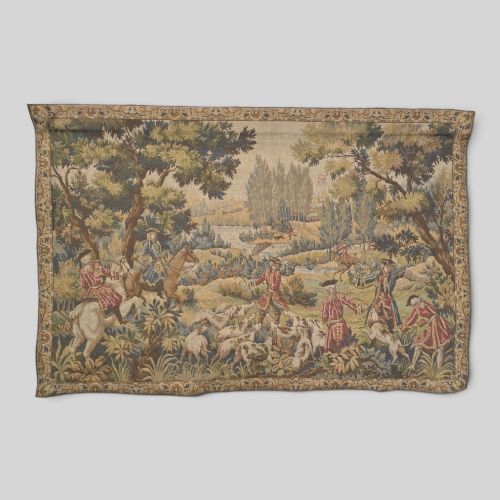
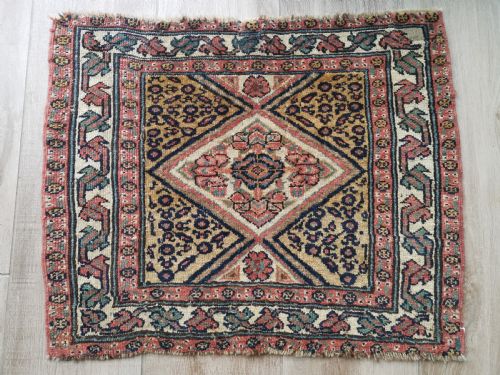
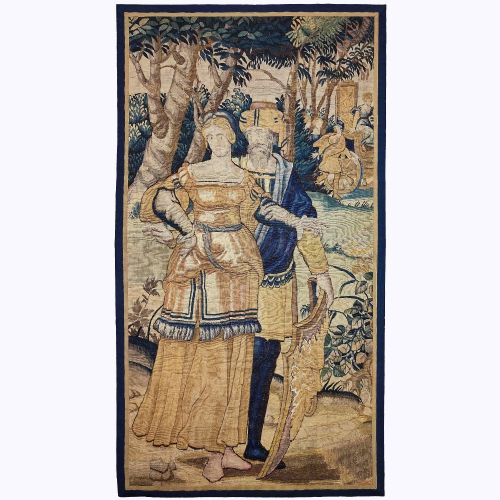
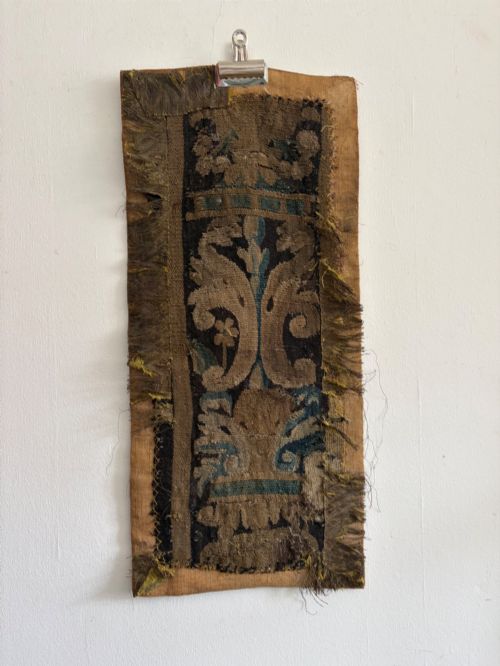
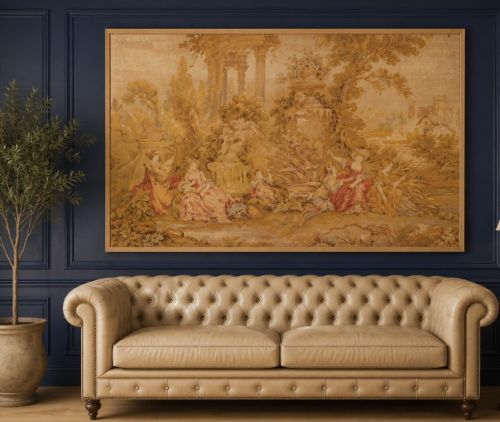
Larger decorative formats include French pastoral and verdure compositions dating back to the seventeenth century. These substantial wall pieces contrast with intimate tribal fragments mounted to linen or framed for display.
How they were made
Textiles in this category rely on traditional fibre combinations utilising wool, silk, cotton, and linen. Artisans combined these natural threads with organic natural dyes to create enduring pigments that retained depth over centuries.
Weaving techniques range from fine knotting and sumac work in tribal bagfaces to complex tapestry weaving in European wall panels. Workshops utilised wooden looms and specialised flatweave structures to achieve dense, durable surfaces.
Antique Woven Panel Retail Price Guide 2026
Typical asking prices for woven panel among the pieces listed under this phrase on Sellingantiques today, from the lower quarter to the upper quarter. They describe what is for sale here now, not the wider market.
Several centuries ago, nomadic weavers tucked symbolic tribal crests into storage bags to ward off bad luck while traversing the steppes.
What varies in quality
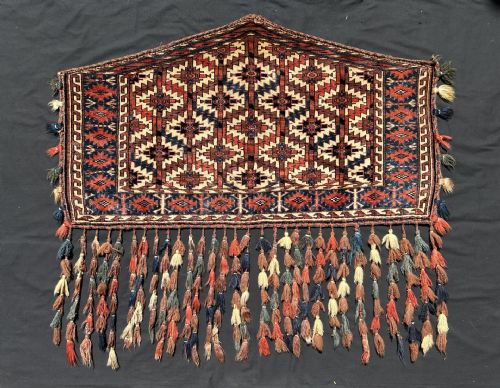
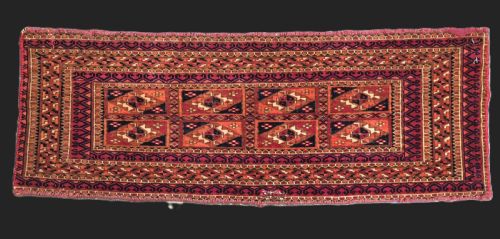
The fineness of the weave and the complexity of the tribal motifs dictate the upper tiers of quality in nomadic pieces. Precision in repeating geometric patterns, such as guls on Turkmen torbas, separates superior examples from standard workshop output.
For European tapestries, the artistic intricacy of the verdure foliage and the survival integrity of the original wool and silk threads define the grading. Condition retention during mounting to linen also influences the structural longevity of the panel.
The Antique Woven Panel Glossary
- Verdure tapestry
- A European wall hanging depicting lush forest foliage, trees, and garden landscapes. These panels frequently incorporate birds or small animals hidden among the leaves.
- Torba
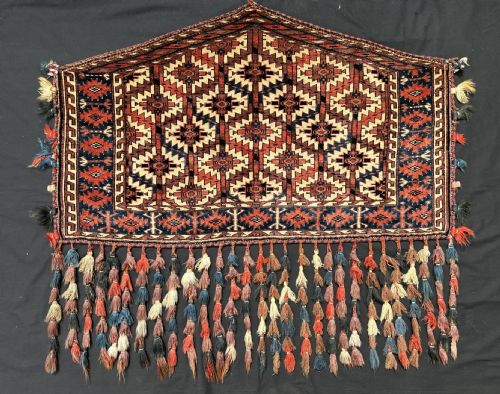
- A small Turkmen storage bag used domestically within nomadic tents. The decorated faces are often preserved independently as decorative panels.
- Ikat
- A dyeing technique where yarns are tie-dyed prior to weaving to create characteristic blurred pattern edges. Uzbek workshops produced notable semi-silk examples using this method.
- Gul
- A medallion motif repeated across Central Asian carpets and tribal bags. Each tribal group utilised distinct gul designs to signify lineage.
- Sumac
- A warp-wrapping flatweave technique that produces a dense, durable textile surface. This method appears frequently on Persian and Caucasian pieces.
Antique Woven Panel: Frequently Asked Questions
Where were these panels made?
The pieces originate from diverse geographic regions including Western Europe and Central Asia. European examples trace back to French and Flemish workshops.
Tribal items stem from Turkmen steppes, Persian provinces, and Uzbek cultural centres.
How do I hang a textile panel?
Many smaller tribal pieces and fragments arrive mounted to linen for structural support. Framing provides protection for delicate silk and wool surfaces.
Larger European tapestries utilise traditional rod pockets or specialised backing systems to distribute weight evenly across the wall.
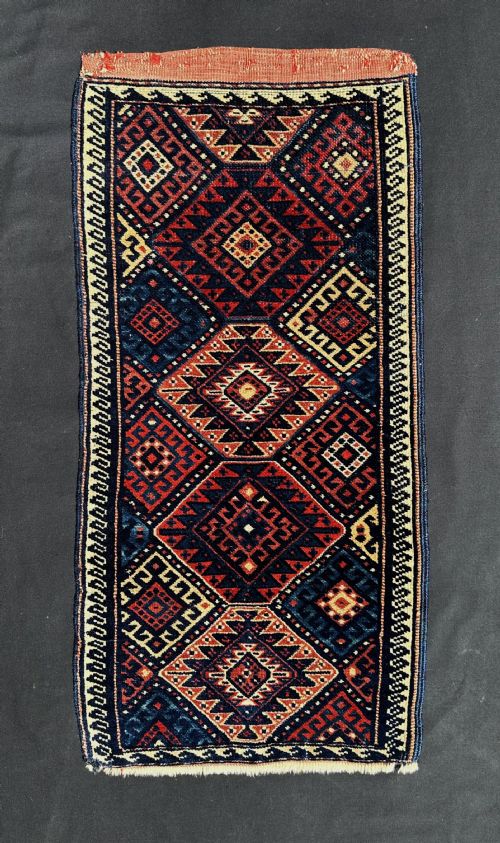
What is a tribal bagface?
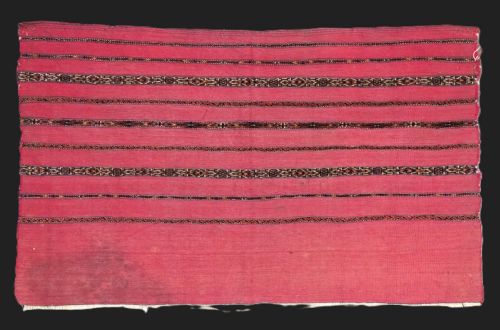
Nomadic tribes produced functional storage bags for domestic use inside tents. Over time, the decorated front panels became detached from the plain backs.
These surviving faces function primarily as decorative wall art due to their intricate geometric weaving.
How do I identify the age of a tapestry?
Age is determined by stylistic indicators, structural wear patterns, and historical dye analysis. Seventeenth and eighteenth-century European pieces display specific verdure painting traditions.
Nineteenth-century tribal weavings utilise traditional regional colour palettes and specific tribal motifs.