


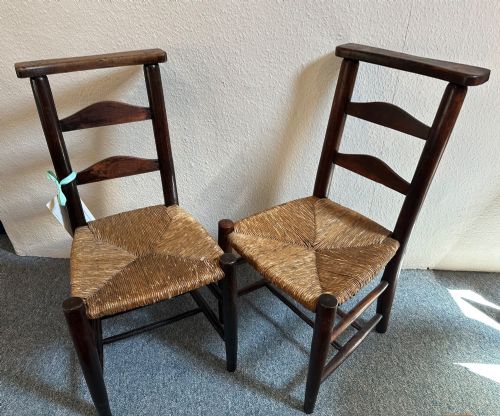
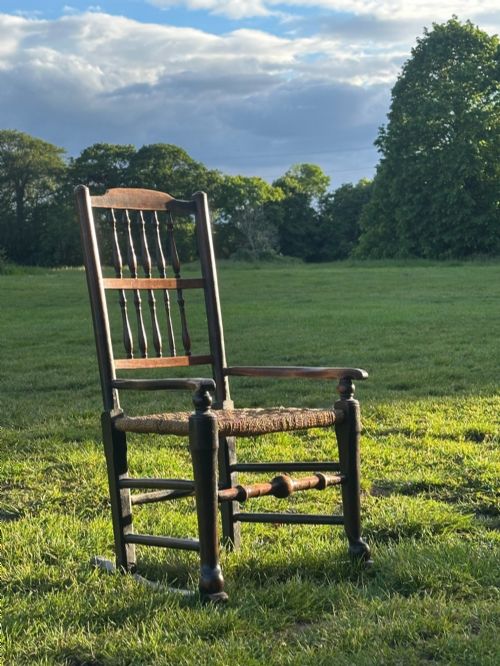
Antique Woven Back Seat
An antique woven back seat brings texture and organic warmth to a room through traditional natural cordage and timber frames.
Antique Woven Back Seat
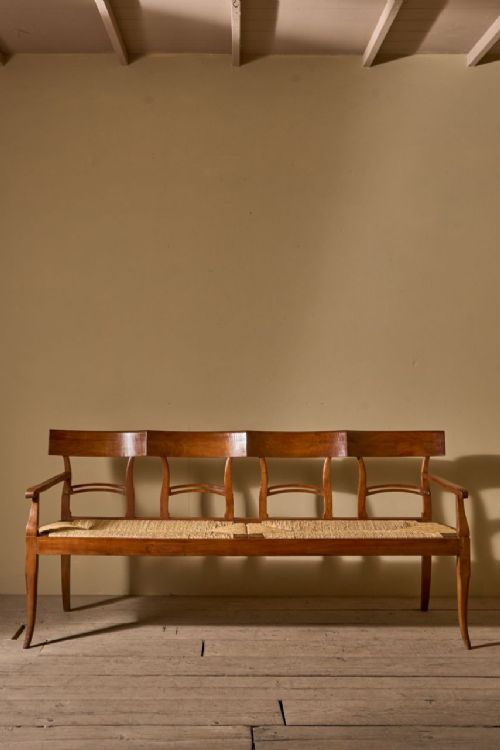
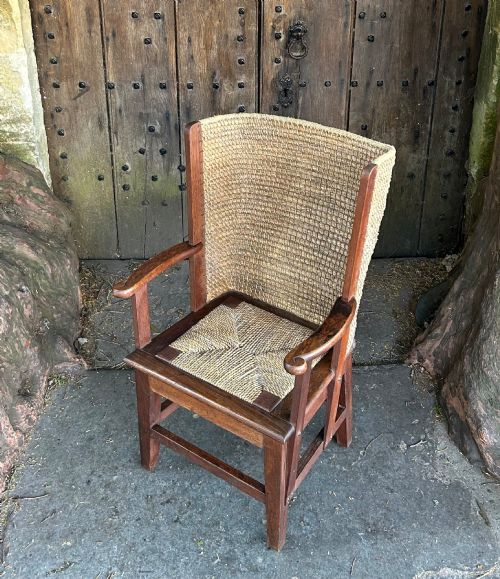
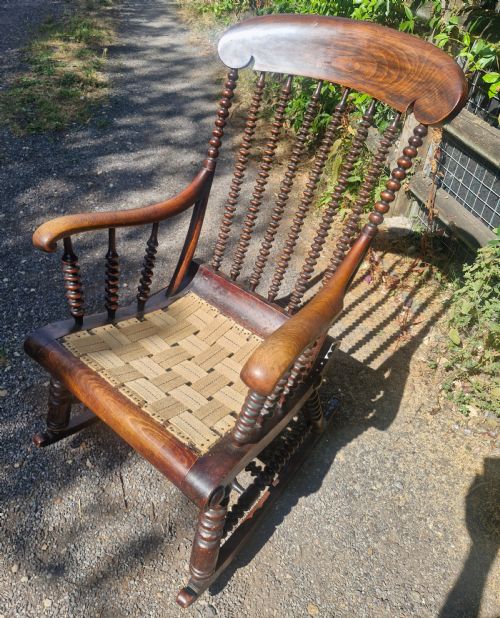
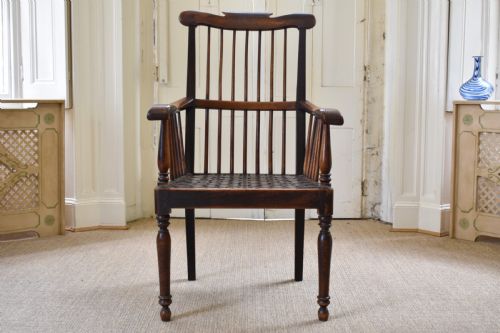
An antique woven back seat comprises a diverse range of chairs and benches featuring flexible plant fibres or cane interwoven into wooden frameworks. Buyers examining this selection encounter dining chairs, armchairs, rocking chairs, and benches spanning multiple centuries and regional styles.
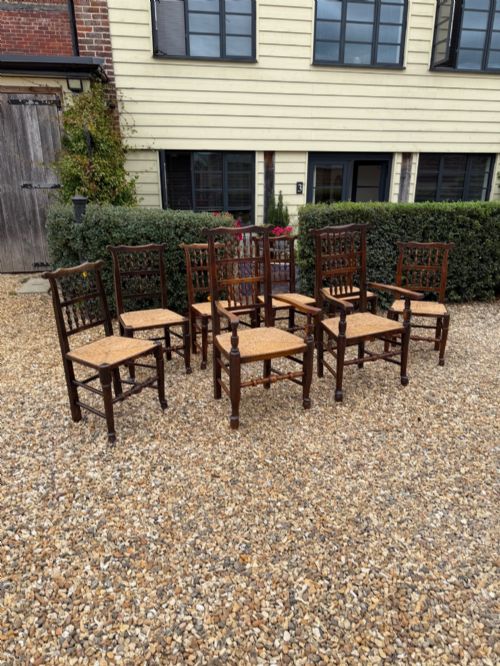
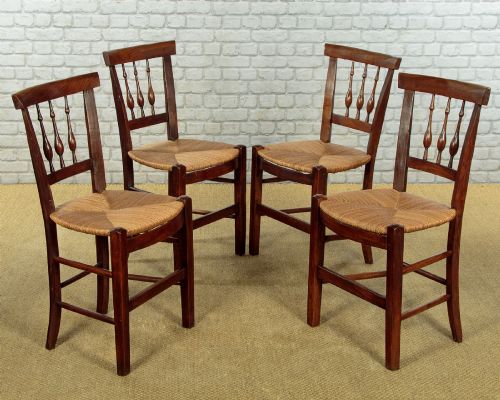
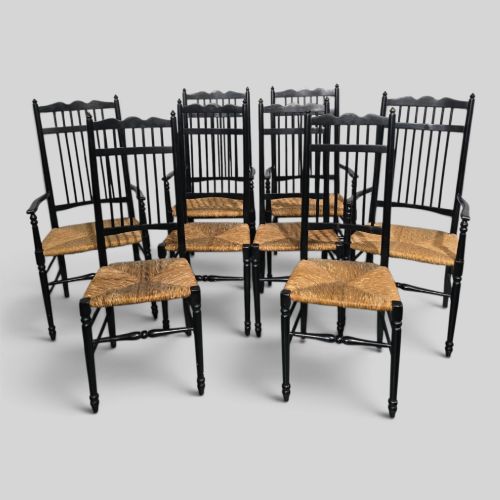
The prevalent versions appearing here include rush seated country chairs, elm dining sets, and cane panelled armchairs from the Victorian and Edwardian eras. These domestic forms reflect both vernacular regional traditions and sophisticated Arts and Crafts design movements.
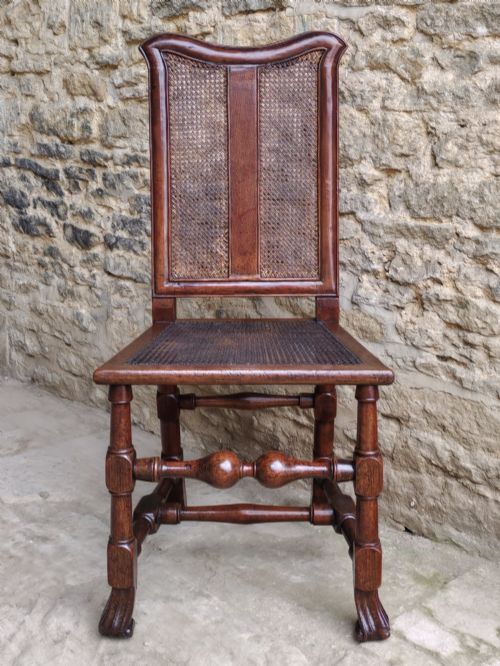
Examples stretch from early eighteenth century walnut and elm seating up to nineteen thirties modern iterations. Each piece demonstrates how makers utilised local timber species combined with pliable woven materials to create supportive domestic furniture.
Materials and construction
The structural frames utilise hardwoods and fruitwoods including oak, elm, walnut, beech, cherrywood, and mahogany, often shaped through traditional turning and steam bending techniques. Joinery relies on mortise and tenon joints to provide stability to the lightweight wooden skeletons.
Woven elements consist primarily of natural rush, split cane, and woven plant materials secured tightly across the backrests and seat frames. These flexible textiles are hand twisted or woven into open patterns that offer resilient support.
Current listings feature nineteen different material combinations, uniting rush, cane, oak, elm, walnut, beech, and fabric across multiple centuries.
Assessing quality in woven seating
Quality reveals itself in the tightness and uniformity of the natural rush or cane work across the backrest and seat. Skill in hand twisting and tensioning the vegetal fibres ensures the woven surface maintains structural integrity over decades of use.
The underlying timber frame condition and grain selection distinguish superior regional examples from standard utilitarian production. Original surface patination and tight structural joinery elevate the standing of individual chairs and benches.
Morris & Co·Liberty
The Antique Woven Back Seat Glossary
- Bergere
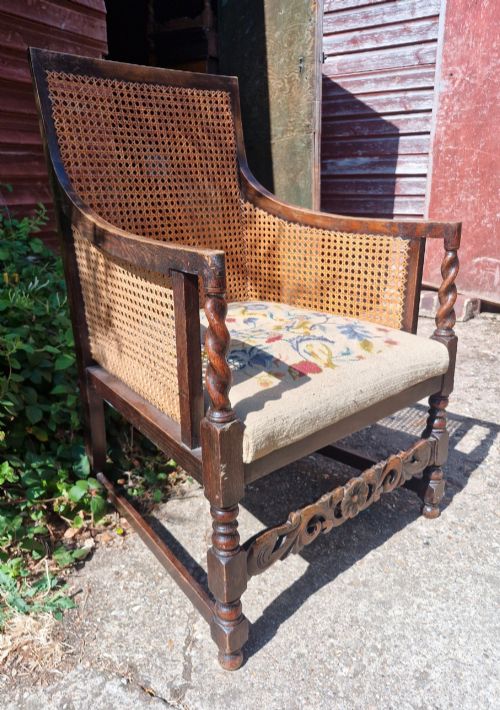
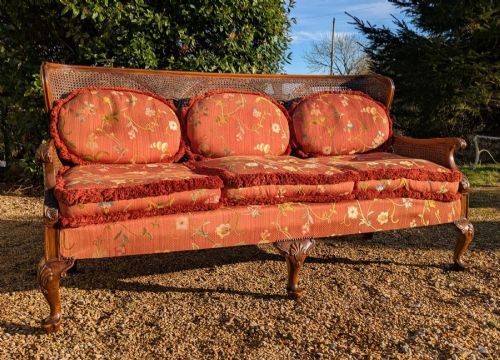
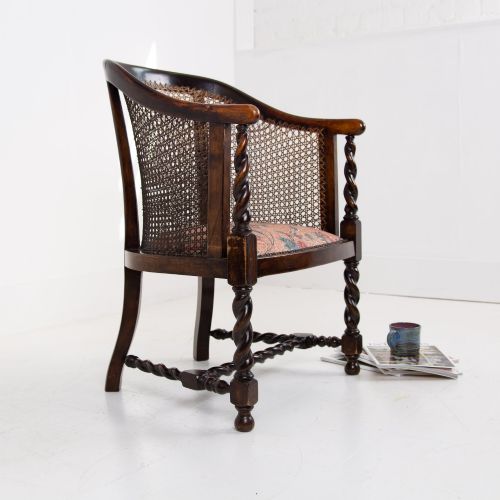
- An upholstered armchair with enclosed cane panels on the back and sides. This French inspired form often incorporates loose seat cushions.
- Rush
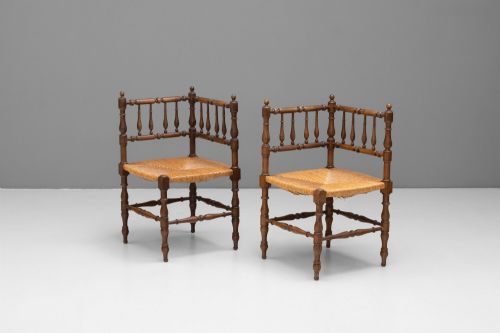
- A wetland plant material twisted into long cords for hand weaving seats and backs. It provides a durable, slightly springy seating surface.
- Ladderback
- A chair back featuring horizontal wooden slats resembling the rungs of a ladder. These slats are frequently combined with rush seating in vernacular country pieces.
- Cane
- Strips of rattan peel woven into patterned mesh panels for chair backs and seats. This lightweight material creates an open, decorative backing.
- Spindleback
- A chair back constructed with multiple thin turned wooden rods. These vertical spindles provide structured support behind the sitter.
Antique Woven Back Seat: Frequently Asked Questions
How do I care for a rush back seat?
Keep natural rush seating away from excessive moisture and direct heat sources to prevent the dried plant fibres from becoming brittle.
Dust the woven areas gently with a soft brush and maintain stable indoor humidity levels to preserve the material strength.
Can broken cane back panels be repaired?
Skilled artisans can completely re-weave damaged cane panels using traditional hand techniques and matching rattan materials.
Professional restoration maintains the historical authenticity and structural usability of antique bergere chairs.
Are these chairs suitable for daily dining use?
Most antique rush and cane seated chairs were built for practical household dining and domestic lounging.
Checking the stability of the wooden joints and the tension of the weave ensures safe everyday seating.
How do I distinguish Arts and Crafts examples?
Arts and Crafts pieces emphasise visible hand craftsmanship, honest construction methods, and simple functional forms. Nineteeth and early twentieth century examples often feature exposed timber frames and straightforward rush or ladderback designs.