



Antique Worcester China Set
An antique worcester china set brings the refined artistry of historic English kilns to the table, offering unmatched decorative charm for collectors.
Antique Worcester China Set
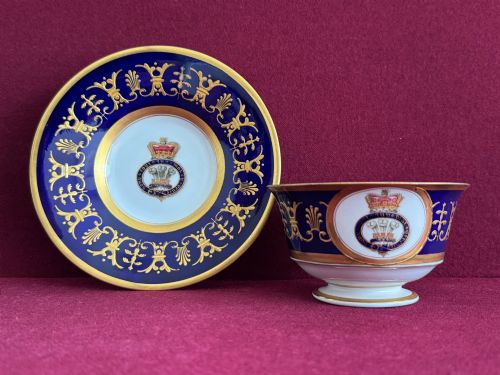
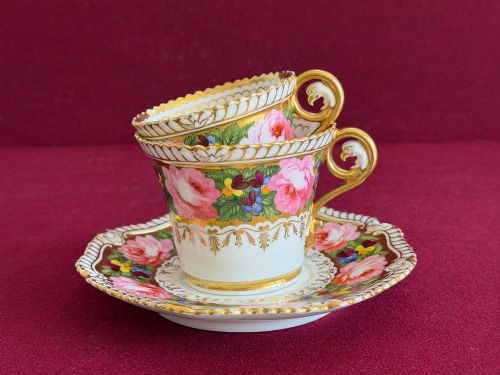
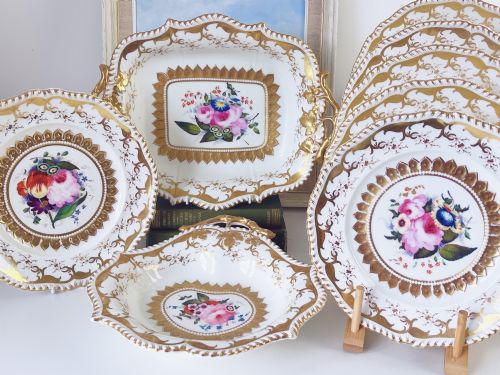
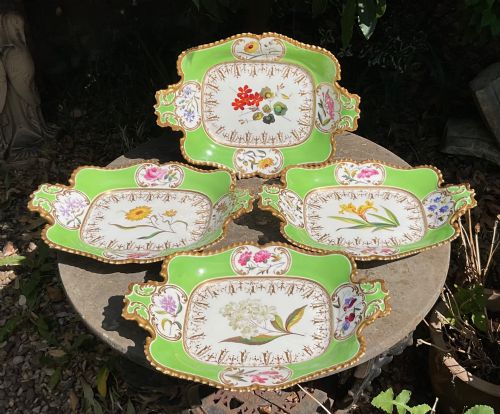
When you search for an antique worcester china set, you encounter diverse domestic service pieces ranging from cabinet plates and dessert services to intimate tea and coffee trios. The selections span multiple eras, encompassing eighteenth-century blue and white tea bowls alongside nineteenth-century armorial plates and twentieth-century hand-painted fruit compositions.
Most items you meet on this page originate from the Georgian and Regency periods, featuring finely painted floral motifs, exotic birds, and gilded details. Later nineteenth-century Victorian and early twentieth-century examples also appear, demonstrating the enduring output of these historic English works through successive decades.
Materials and production methods
Makers shaped these wares from refined porcelain and bone china bodies, providing a smooth white canvas for intricate hand-painted designs and delicate mouldings. Artisans applied cobalt blue underglaze decoration, enamel colours, and detailed polychrome scenes depicting flowers and game birds.
The finishing touches relied on gold leaf and gilding to accentuate rims, handles, and borders, often complemented by satin linings in cased presentations. Each piece required careful kiln firing to fix the enamel pigments and rich gold accents permanently to the glazed ceramic surface.
Antique Worcester China Set Retail Price Guide 2026
Typical asking prices for worcester china set among the pieces listed under this phrase on Sellingantiques today, from the lower quarter to the upper quarter. They describe what is for sale here now, not the wider market.
Early porcelain includes cups painted with fancy birds intended to amuse eighteenth-century tea drinkers.
Distinguishing quality across pieces
The degree of artistic execution separates standard domestic wares from exceptional cabinet pieces, particularly in the precision of hand-painted botanical subjects and figural patterns. Finer sets display meticulous brushwork on complex motifs such as dragon compartments or naturalistic bird studies.
The application and preservation of gilding also mark the tier of a service, with rich gold leaf detailing remaining crisp and bright on superior examples. Furthermore, the historical importance of specific patterns, such as armorial commissions for notable patrons, elevates the standing of an assembly.
Grainger Lee And Co·Chamberlains Worcester·Flight Barr And Barr·Royal Worcester·Kerr And Binns
The Antique Worcester China Set Glossary
- Trio
- A matched set comprising a teacup, a coffee cup, and a saucer. This combination became popular for serving different hot beverages during formal hospitality.
- Armorial
- A ceramic design incorporating a family coat of arms or crest. These bespoke services were commissioned by affluent patrons and ruling figures.
- Demitasse
- A small cup used for serving strong black coffee or espresso. They frequently appear in twentieth-century cased presentations alongside matching saucers.
- Blush Ivory
- A specialised cream-coloured ceramic ground introduced by Royal Worcester. It provides a soft, matte backdrop for delicate overglaze floral painting.
- Blue Scale
- An underglaze blue pattern resembling fish scales applied to the exterior of porcelain vessels. This ground often surrounds reserved panels filled with birds or flowers.
Antique Worcester China Set: Frequently Asked Questions
How do I date early Worcester porcelain?
Dating relies on identifying specific factory period marks, paste characteristics, and decorative styles used during reigns like the Georgian and Regency eras. Hand-painted patterns and shape designs often correspond to documented production windows of individual partnerships.
Familiarising yourself with the shifts from eighteenth-century blue and white transfer printing to nineteenth-century polychrome armorials helps narrow down the exact decade of manufacture.
Were these china sets meant for daily use?
Many historical services were intended for formal dining, drawing room hospitality, and display rather than robust everyday handling. Wealthy households utilised specialised dessert services and tea trios during social gatherings to demonstrate status and taste.
Preserved sets often survive because they were kept in cabinets or used sparingly on special occasions, protecting the delicate gilding and hand-painted enamels.
What is the difference between a tea set and a dessert service?
A tea set typically comprises cups, saucers, teapots, and cream jugs designed for serving hot beverages. A dessert service consists primarily of plates and low dishes created for serving fruit and sweet courses after a meal.
Dessert plates are usually larger and feature expansive painted central roundels or elaborate gilded borders suited to display on a dining table.
How should I display delicate porcelain at home?
Display these pieces in enclosed cabinets away from direct sunlight to protect the enamel colours and gold leaf from fading. Ensure shelves are stable and support the weight of plates or cups securely without putting pressure on handles.
Avoid high-humidity areas and extreme temperature fluctuations to prevent stress on the historic ceramic body and historic glaze layers.