

Antique Worcester China Plate
An antique worcester china plate brings centuries of kiln mastery to a table, combining hand-painted landscapes, armorial crests, and gilt porcelain.
Antique Worcester China Plate
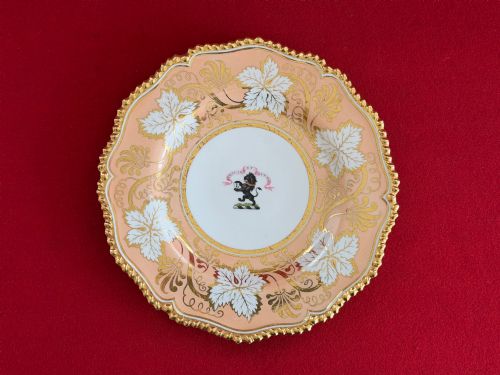
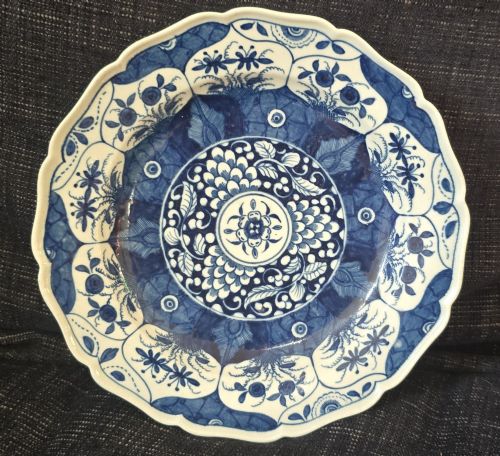
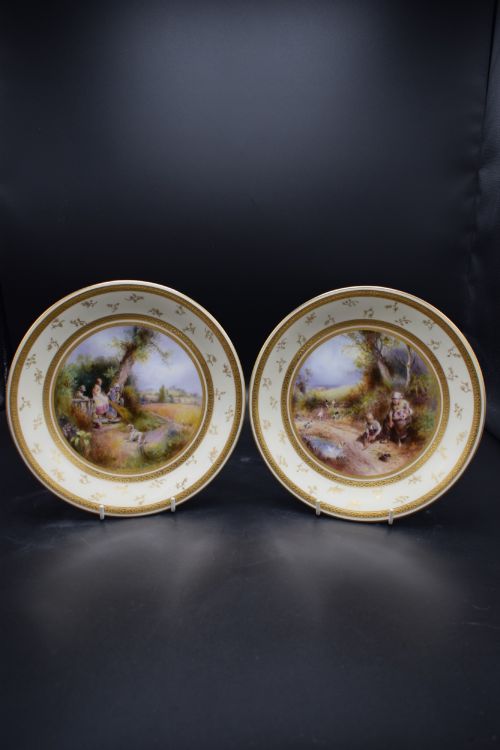
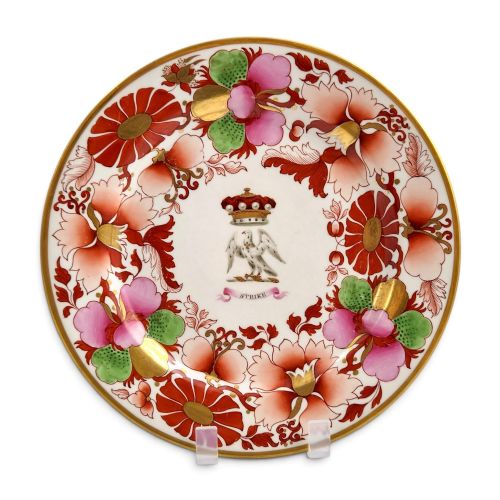
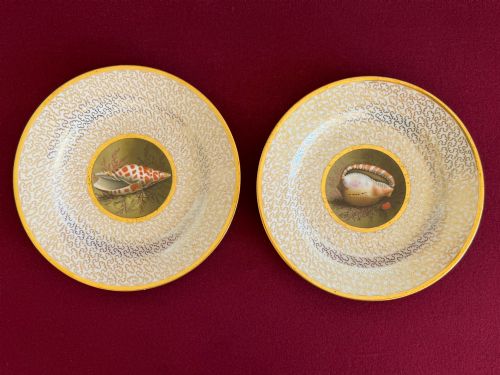
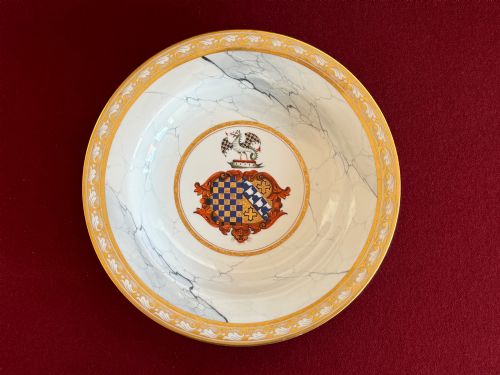
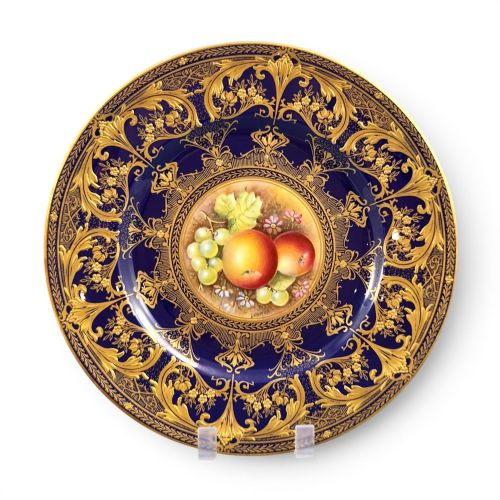
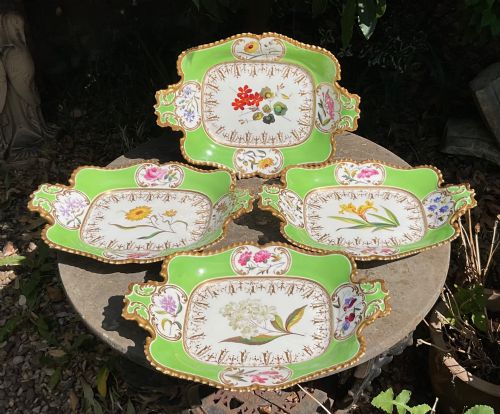
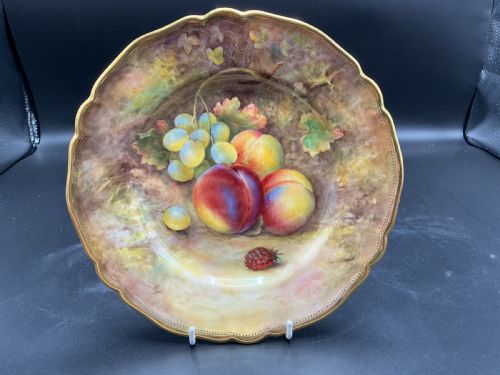
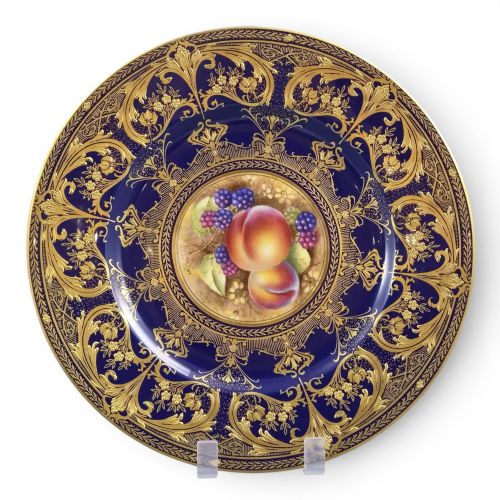
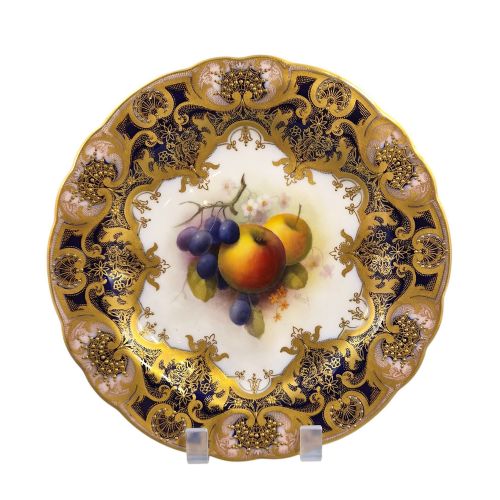
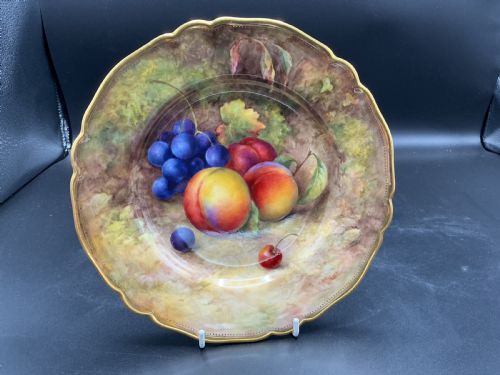
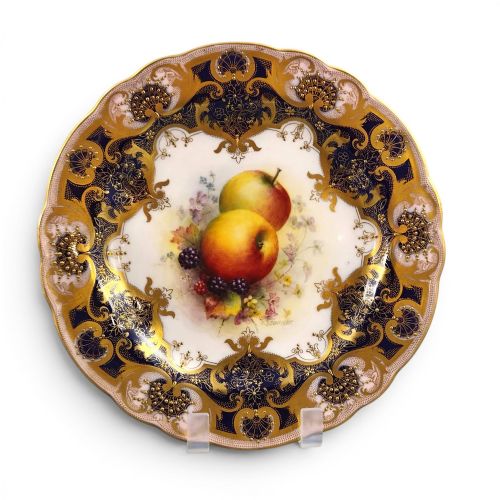
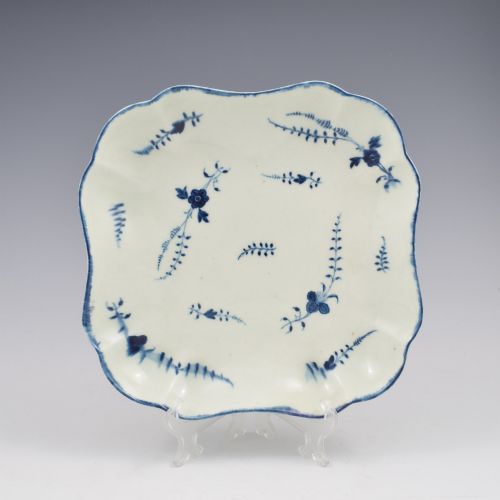
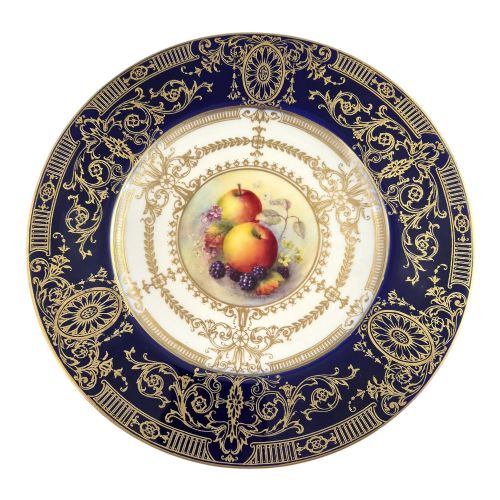
When searching for an antique worcester china plate, buyers encounter a diverse range of forms spanning from eighteenth-century soft-paste porcelain dishes to twentieth-century hand-painted cabinet plates. These ceramics include cabinet plates, dessert dishes, and soup plates created by various historic periods such as the Georgian, Regency, and Edwardian eras. Pieces often feature traditional patterns like Chinoiserie designs, armorial crests, and landscape paintings.
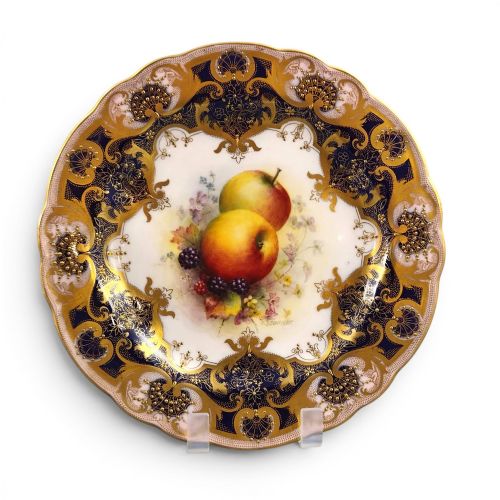
The most common examples on this page stem from the extensive output of Royal Worcester and its earlier iterations, showing how these domestic and decorative items evolved. Collectors find functional shapes intended for dessert and dining alongside purely decorative cabinet plates meant for display. Each piece reflects the specific aesthetic values of its decade, shifting from intricate oriental motifs to lush naturalistic fruit studies.
Materials and Techniques
Potters utilised both soft-paste porcelain in early periods and bone china in later eras, shaping them into plates and dishes that required precise firing. Artisans applied enamel colours and detailed gilding, often using gold leaf to highlight borders, edges, and motifs. Glaze was carefully managed to provide a smooth surface for subsequent hand-painting.
Decoration relied on skilled artists executing hand-painted elements, from botanical sprays and topographical landscapes to complex patterns like the dragon in compartments. Manufacturers combined transfer printing with meticulous brushwork, fixing the pigments through repeated kiln firings to secure the finish.
Antique Worcester China Plate Retail Price Guide 2026
Typical asking prices for worcester china plate among the pieces listed under this phrase on Sellingantiques today, from the lower quarter to the upper quarter. They describe what is for sale here now, not the wider market.
Listings span from eighteenth-century soft-paste porcelain to mid-twentieth-century bone china plates.
Assessing Quality
Quality rests upon the skill of the hand-painting and the complexity of the design, where detailed brushwork on fruit studies or topographical views elevates a piece above standard production. The precision of the gilding and the crispness of the enamel work further differentiate standard utilitarian items from exhibition-grade cabinet plates.
The historical importance of the maker's mark and documented patterns also influence the standing of a piece within its period. Well-preserved armorial crests, named artists, and specific historical associations distinguish the finest examples from ordinary factory output.
Flight, Barr and Barr·Barr, Flight and Barr·Royal Worcester·Chamberlains Worcester·Grainger and Co·Kerr and Binns
The Antique Worcester China Plate Glossary
- Soft-paste porcelain
- An early ceramic composition made from glass frit and white clay mixtures rather than natural hard-paste minerals. This material was widely used during the eighteenth century before bone china became dominant.
- Armorial
- A design featuring a coat of arms or family crest hand-painted onto the centre or border of a plate. These bespoke commissions were created for landed families and nobility.
- Cabinet plate
- A decorative ceramic dish intended for display in a cabinet or on a wall rather than for daily dining use. These often exhibit superior artistic painting.
- Gilding
- The application of gold leaf or powdered gold onto the porcelain surface to accent rims and patterns. This finish was usually fired to bond with the glaze.
- Chinoiserie
- A decorative style reflecting European interpretations of Chinese and East Asian artistic traditions. It frequently appears on eighteenth and nineteenth-century Worcester patterns.
Antique Worcester China Plate: Frequently Asked Questions
How do I know who painted my Worcester plate?
Many nineteenth and twentieth-century plates feature artist signatures, particularly those specialising in fruit or landscape scenes. Names like Richard Sebright or Albert Shuck frequently appear on fine cabinet plates from the Edwardian and later periods.
Factory marks on the reverse also help identify the specific operating period of the works, often cross-referencing with known pattern numbers and decorators.
Were these plates used for dining?
While many early Worcester items served practical functions as dessert plates or soup dishes, later cabinet plates were strictly intended for decorative display. The presence of delicate raised gilding and elaborate painted scenes often precluded daily practical use.
Historical records show that armorial services were commissioned for formal dining, whereas twentieth-century fruit plates were typically kept in display cabinets.
How do I tell different Worcester periods apart?
Periods are distinguished by the factory marks stamped or painted on the underside, as well as the paste material and prevailing artistic style. Early periods utilise crescent or script marks, while nineteenth-century pieces often bear the names of partners like Flight, Barr & Barr or Chamberlain.
Stylistic shifts, such as moving from eighteenth-century blue and white transfer printing to Edwardian painted fruit, provide further chronological clues.