
Antique Wooden Tripods
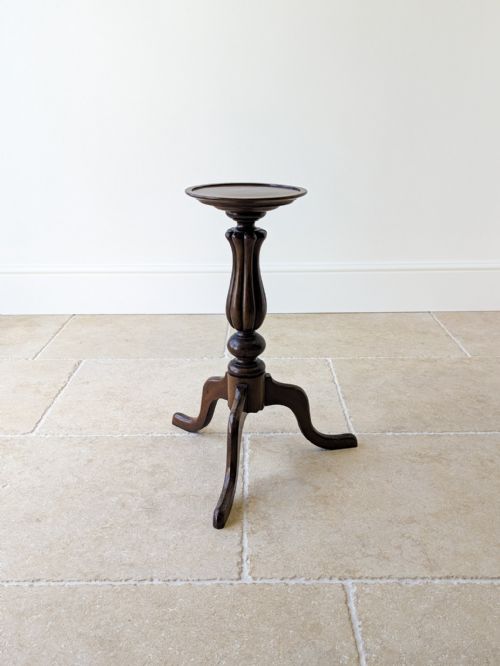
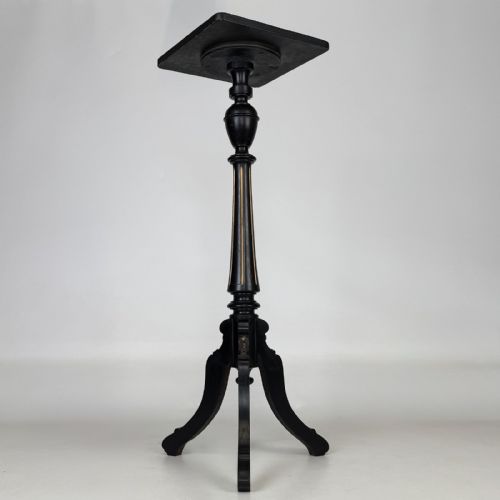
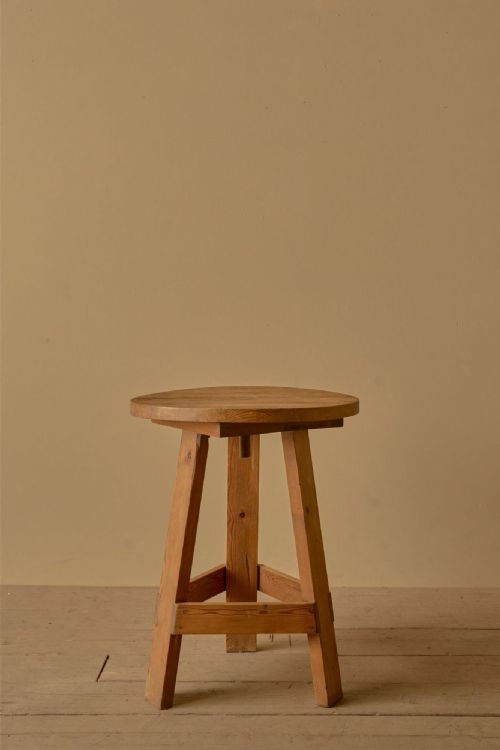
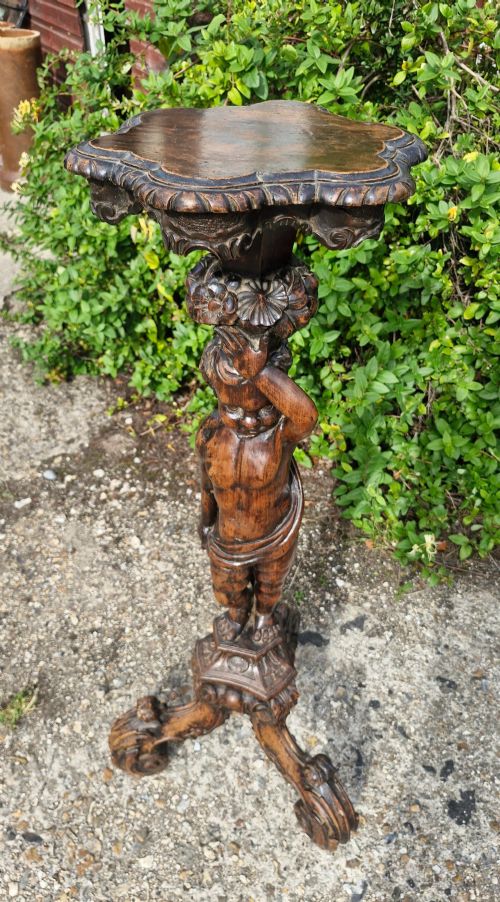
These antique wooden tripods combine nimble single-pillar forms with steady three-legged bases, serving as compact wine tables, plant stands and torcheres.
Antique Wooden Tripods
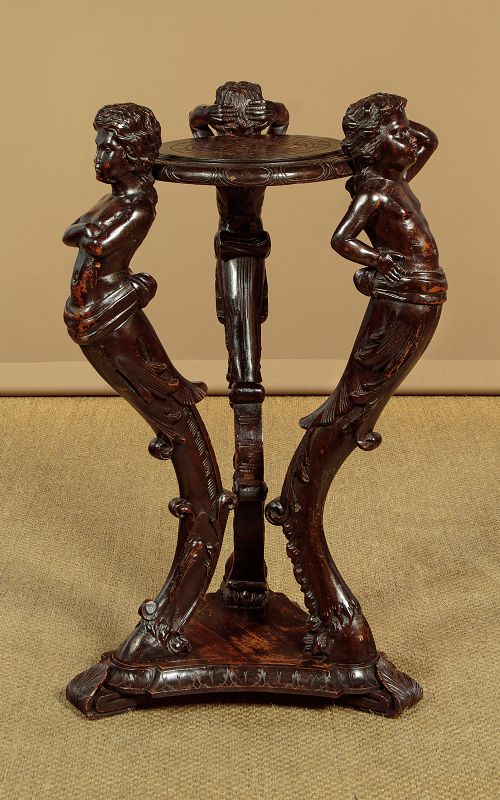
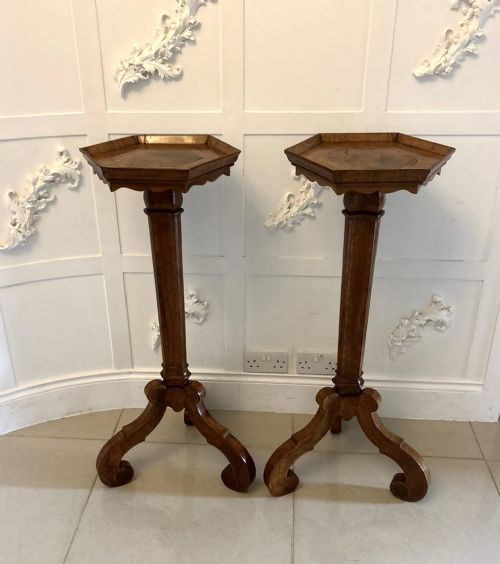
Antique wooden tripods encompass a broad spectrum of domestic furnishings, from tilt-top wine tables and occasional side tables to tall torcheres and plant stands. The examples on this page span the Georgian, Victorian and Edwardian eras, reaching back into the eighteenth century and forward into the twentieth century. British vernacular pieces sit alongside continental European works and items from Anglo-Indian, Burmese and Italian traditions.
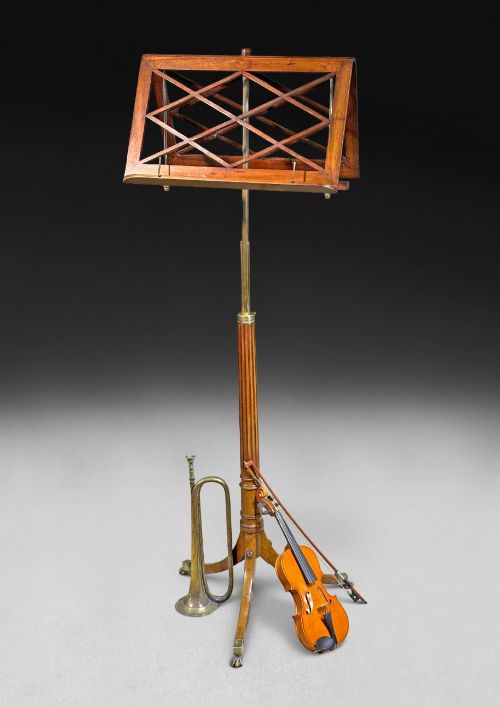
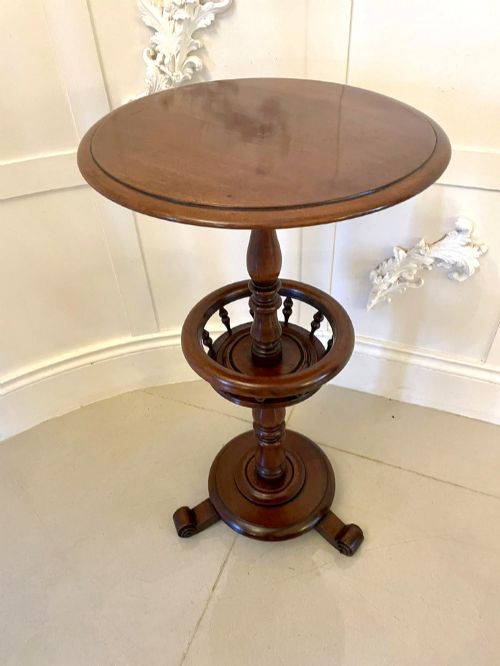
Buyers seeking these versatile items encounter circular tops, star-shaped surfaces and oval burr oak designs supported by barley twist stems, bobbin turnings or plain pedestals. Common forms include candle stands, music stands, sculptors stands and revolving hat and coat stands. Walnut, mahogany, oak and pine provide the foundational timbers for these three-legged supports.
Timber and Construction
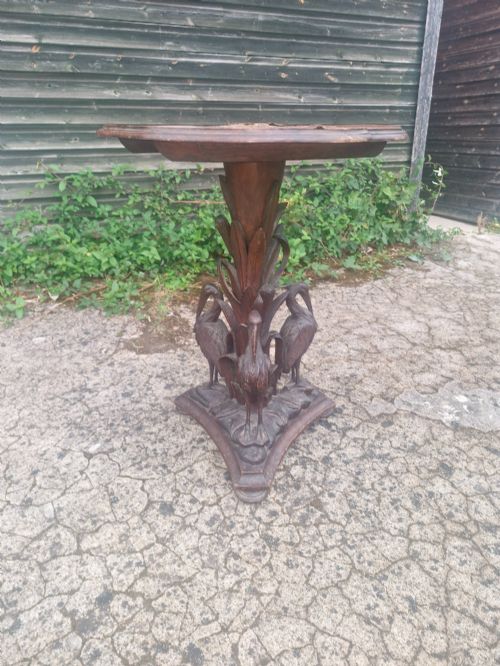
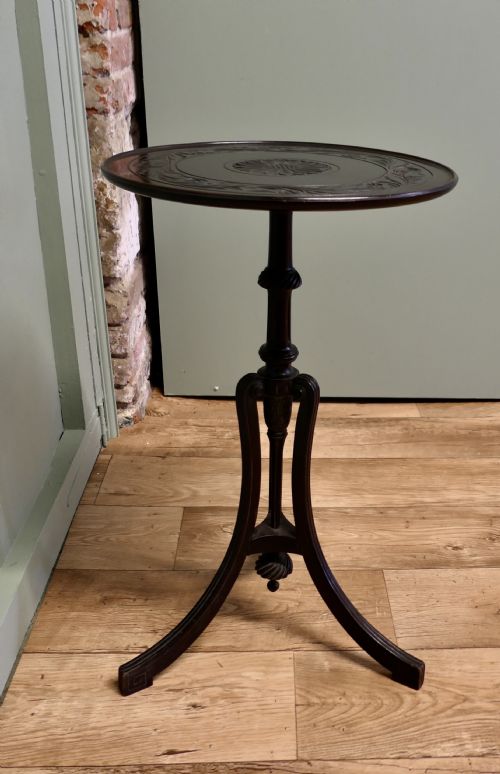
Cabinet makers utilised dense hardwoods such as mahogany, walnut, rosewood and oak alongside domestic timbers like pine, yew and elm. Turning lathes shaped slender stems and barley twist columns, while hand carving produced leaf motifs, shaped edges and sculptural tripod bases. Inlaid veneers, kingwood banding and painted finishes decorated the surfaces of select tables.
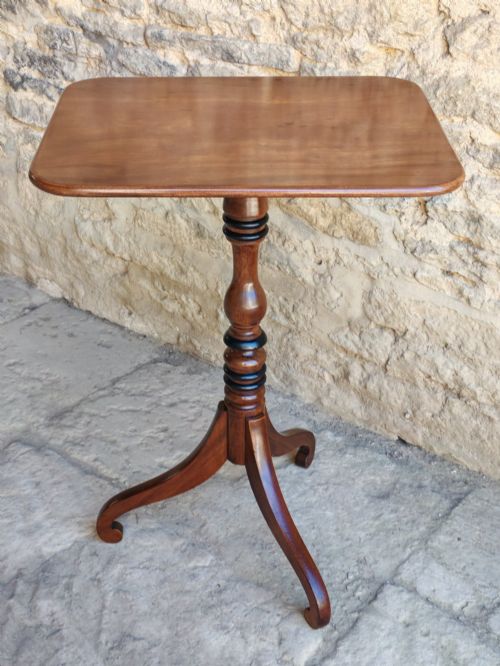
Tilt-top mechanisms allowed rectangular and circular table tops to fold upright when not in use, saving valuable floor space in period rooms. Joinery relied on sturdy tenon joints, stable three-legged geometries and central wooden or iron fixings to secure the pillar to the feet.
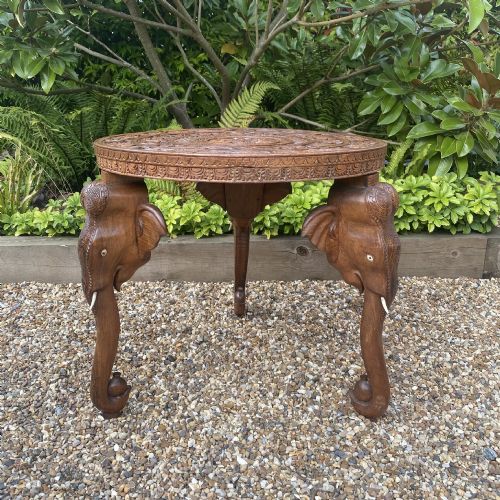
Elephants and sculpture found a home on these supports alongside teacups and candles.
Craftsmanship and Proportion
The distinction between ordinary and superior pieces rests on timber selection and the crispness of the carving. Figured mahogany, burr oak and rich walnut display natural grain patterns that elevate simple occasional tables into decorative focal points. Hand-carved details on legs and pedestals show the confidence of the maker, whereas mechanical or hurried carving appears flat and lifeless.
Proportion and stability dictate the long-term utility of a tripod base. Strong junctions between the central pillar and the three splayed legs ensure the table stands level without rocking. Original surfaces, such as naive paintwork or patinated polish, retain historical integrity that heavy refinishing obscures.
Bulstrode Cambridge
The Antique Wooden Tripods Glossary
- Torchere
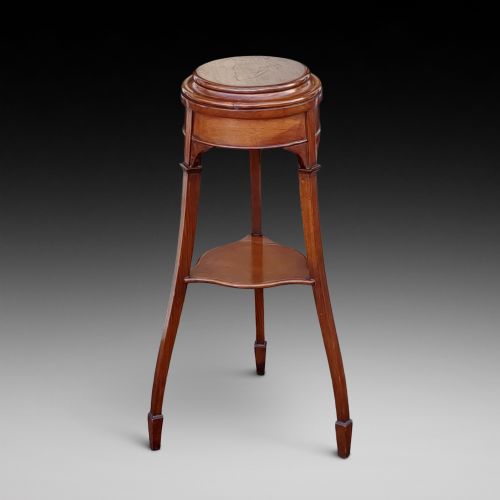
- A tall, slender stand designed to hold a light, candle or plant. These elevated pieces often feature elaborate carving along the central pedestal.
- Tilt-top
- A hinged table top that rotates into a vertical position. This clever mechanism permitted easy storage against a wall when the furniture was idle.
- Cricket table
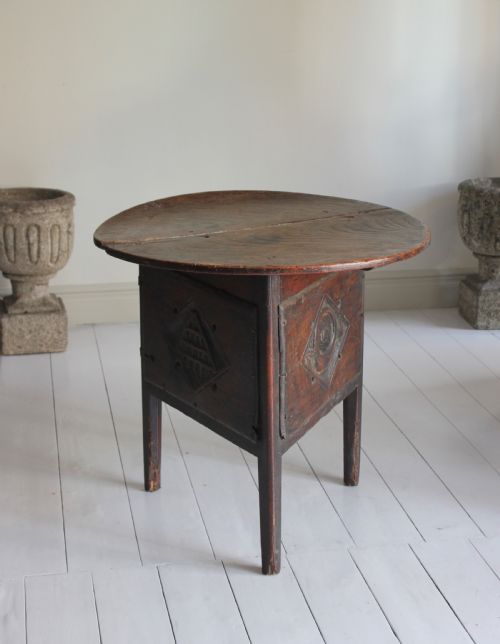
- A small, lightweight three-legged table originating in vernacular English homes. The triple-leg design ensured stability on uneven flagstone floors.
- Barley twist
- A spiral carving resembling a twisted rope. Cabinet makers turned this decorative motif into table stems and furniture legs during the seventeenth and nineteenth centuries.
- Pedestal
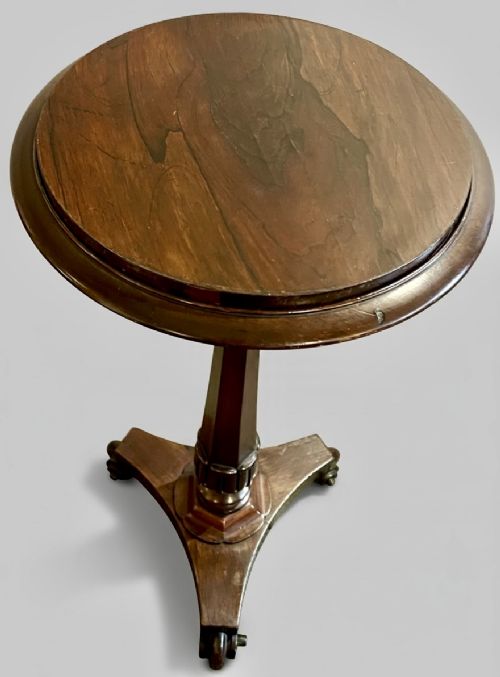
- The central vertical column supporting a table top or stand. It connects the upper surface directly to the splayed tripod feet.
Antique Wooden Tripods: Frequently Asked Questions
What is an antique tripod table used for?
These versatile pieces served numerous domestic purposes in historic homes, functioning primarily as wine tables, candle stands or small side surfaces. People placed them beside seating to hold drinks, books or lighting.
Tall versions, known as torcheres, held lamps or decorative plants to illuminate dark corners of a room.
How do I spot a tilt-top mechanism?
Tilt-top tables feature a clever catch or block beneath the circular or rectangular surface that allows the top to pivot vertically. This mechanism enabled owners to store the furniture flat against a wall when not in daily use.
Examine the underside for original wooden catches and pivot pins that show age and wear consistent with the period.
Are three-legged tables stable on uneven floors?
Three legs naturally make contact with the floor without rocking, regardless of minor surface irregularities. This geometric advantage explains why historic makers favoured tripod bases for small occasional tables and cricket tables.
Check that the joint where the three legs meet the central column remains tight and secure to maintain this natural stability.
How do I date an antique wooden tripod?
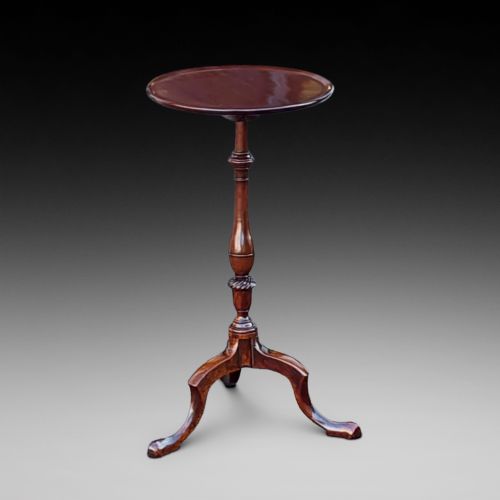
Dating relies on examining the timber species, construction methods, turning styles and surface wear. Georgian examples often feature elegant mahogany tilt tops, while Victorian pieces frequently incorporate carved oak, barley twist stems or ebonised finishes.
Later Edwardian versions introduce inlaid star-shaped tops and alternative timbers like burr oak alongside simpler utilitarian forms.