




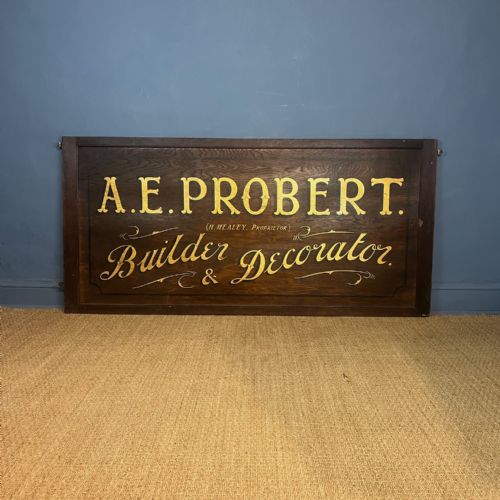


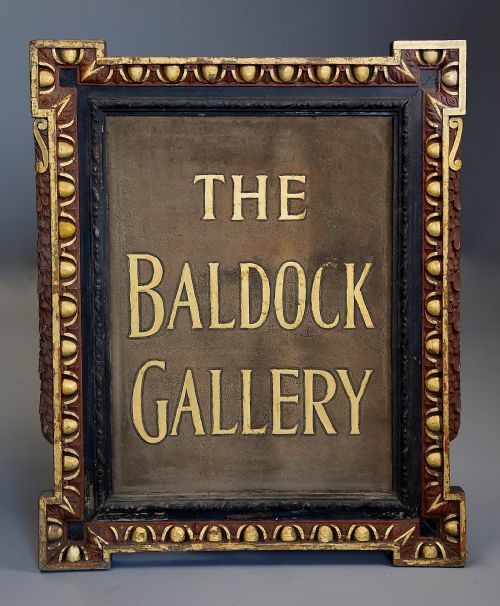
Antique Wooden Trade Sign
An antique wooden trade sign is a surviving piece of commercial history that brings graphic presence and genuine vernacular character to a room.
Antique Wooden Trade Sign
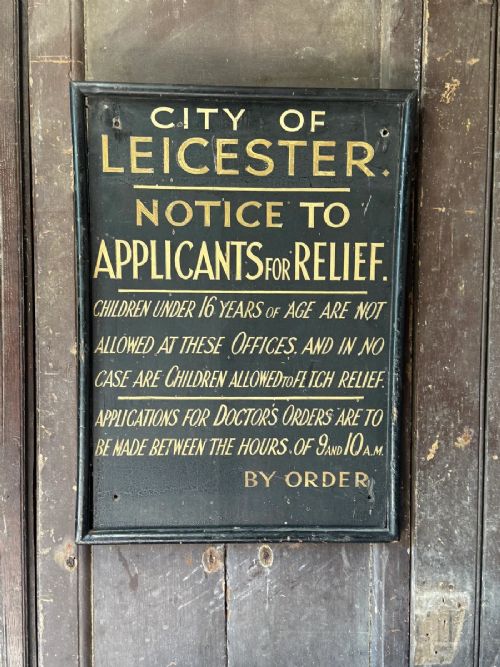
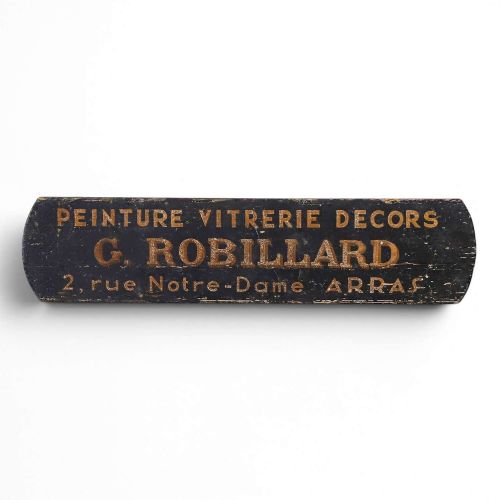
An antique wooden trade sign represents the commercial identity of past shops, businesses, and itinerant makers. Buyers seek these pieces to anchor a room with graphic lettering, weathered surfaces, and immediate historical narrative.
The objects on this page span the 18th century, 19th century, Victorian era, Edwardian period, and interwar years up to 1930. They manifest as wall panels, hanging signs, shop figures, and architectural salvage.
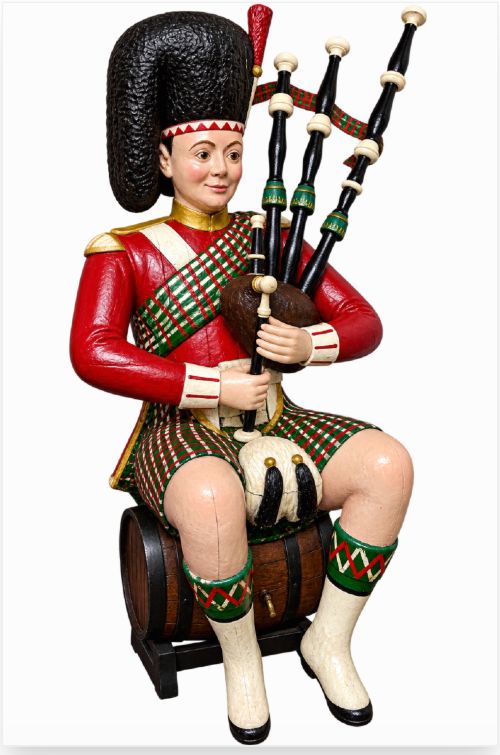
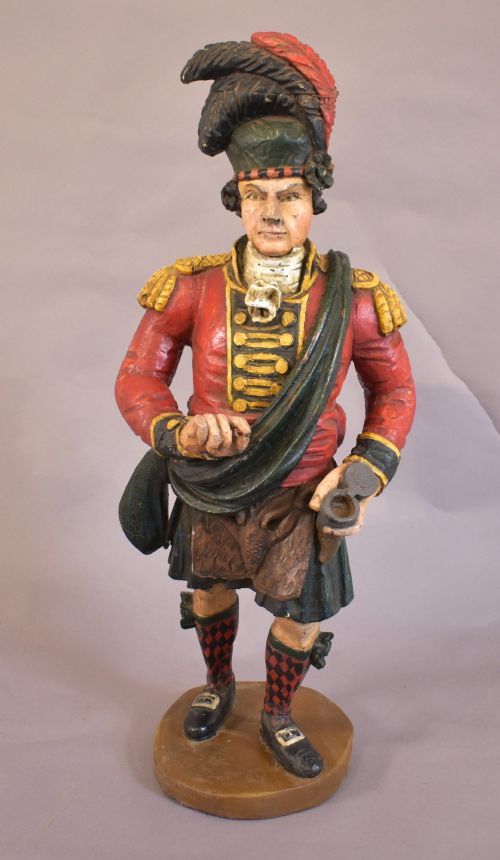
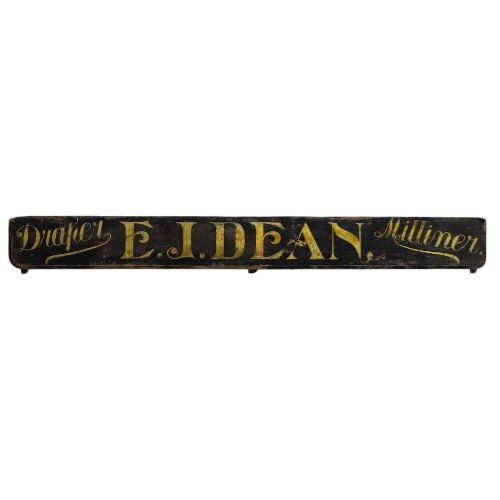
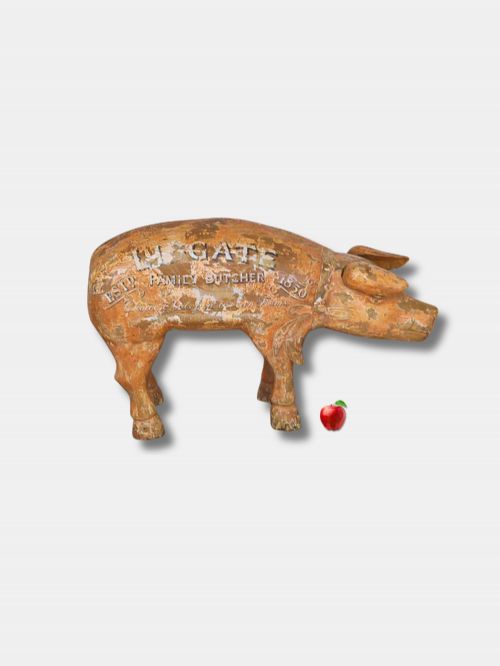
You will encounter pieces from butchers, dentists, milliners, and hardware merchants, along with sculptural trade figures such as highlanders and tobacco statues. Their original context was purely functional, yet they survive as primary examples of folk art.
Construction and surface methods
Makers utilised timber, pine, and solid wood as the primary substrate for boards, panels, and carved display figures. These materials were worked using traditional carpentry and joinery techniques suited to outdoor exposure and interior shop environments.
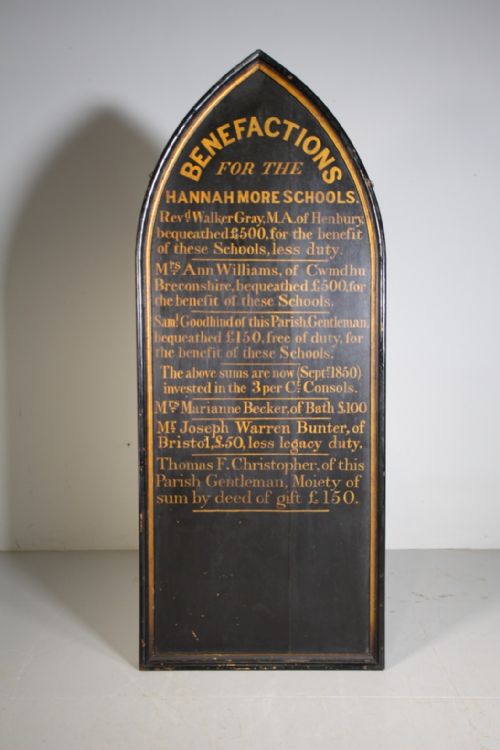
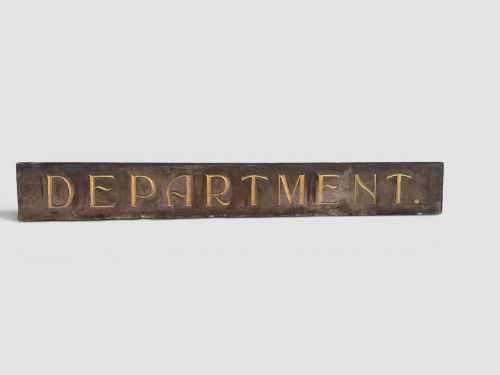
Surfaces were finished with hand-applied paint, gold leaf, and sometimes incorporated glass elements or iron brackets. Lettering and imagery were painted directly onto the wood, often building up multiple layers of pigment over decades of commercial use.
Listings span the 18th century through to 1930, uniting timber, paint, gold leaf, iron, and glass in various formats.
Distinctions in execution and survival
The quality of an antique wooden trade sign rests in the crispness of the hand-painted lettering, the artistry of the carving, and the proportion of the composition. Sculptural trade figures and carved animals demonstrate varying degrees of anatomical fluency and expressive detail from the maker's hand.
Surface preservation dictates the standing of a piece within its category. Signs that retain their original paint surfaces, authentic gilding, and uncompromised timber show a superior integrity compared to those subjected to later overpainting or aggressive restoration.
Gerwin Co Birmingham
The Antique Wooden Trade Sign Glossary
- Trade Sign
- A board, sculpture, or device displayed outside or inside a shop to advertise goods or services. These items rely on graphic symbols and clear lettering to communicate a merchant's trade to literate and illiterate passers-by alike.
- Gold Leaf
- Gold beaten into extremely thin sheets used for lettering and ornamentation on signs. It catches ambient light to ensure legibility in dim street conditions.
- Folk Art
- Utilitarian and decorative objects created by self-taught or provincial makers outside academic traditions. Trade figures and vernacular shop boards fall naturally into this category.
- Architectural Salvage
- Building components and attached shop fittings rescued from structures destined for alteration or demolition. This encompasses structural letters, wall panels, and projecting signage mounts.
Antique Wooden Trade Sign: Frequently Asked Questions
What were antique trade signs used for?
These pieces served as exterior or interior markers for specific commercial premises, identifying the profession or wares of the occupant. They directed customers along busy streets before standardised corporate signage existed.
Over time, many transitioned from active commerce into decorative items, appreciated for their direct visual language and honest craftsmanship.
How do I hang a heavy wooden sign?
Heavy wooden panels and carved figures require secure anchoring directly into wall studs or masonry using appropriate weight-bearing fixings. Professional assessment of the wall structure is essential given the substantial mass of old timber and iron brackets.
Ensure the hanging method distributes the weight evenly across the structure of the sign without straining historical joints or fragile painted edges.
How can I tell the period of a sign?
Dating relies on analysing the typeface, construction methods, wood types, and the composition of the paint layers. Victorian and Edwardian examples often feature distinct lettering styles and manufacturing techniques compared to 18th-century or interwar pieces.
Wear patterns and underlying preparation layers also provide clues to the age and operational history of the object.
Are trade figures and signs cleaned or restored?
Most collectors prefer to leave original paint, weathered timber, and stable patina untouched to preserve the historical integrity of the piece. Cleaning is generally restricted to gentle dusting rather than chemical stripping or repainting.
Intervention should only stabilise active deterioration without erasing the marks of its working life.