






Antique Wooden Statuettes
Antique wooden statuettes bring character to a room, ranging from detailed Black Forest animals to folk art figures.
Antique Wooden Statuettes
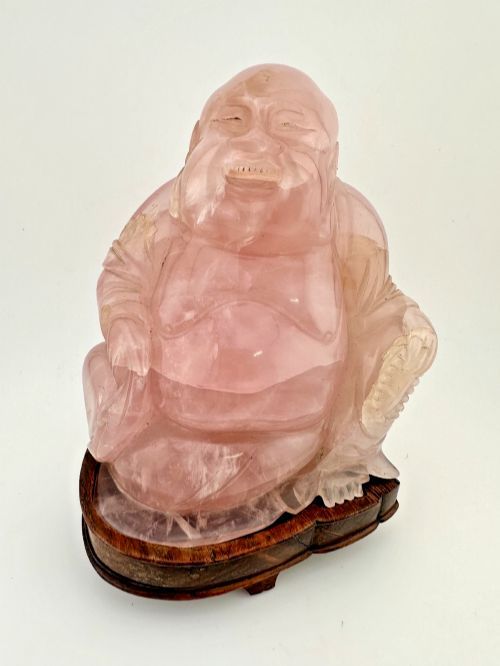
When you search for antique wooden statuettes, you encounter carved representations of animals, historical figures, and religious subjects spanning several centuries. The selection includes regional European work alongside pieces originating from Japan and India.
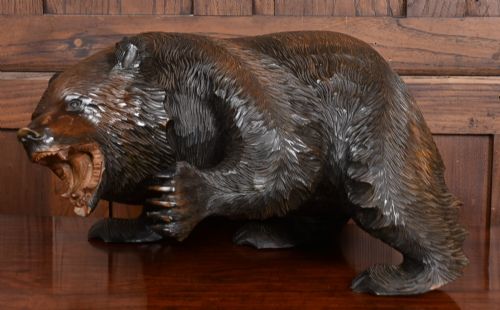
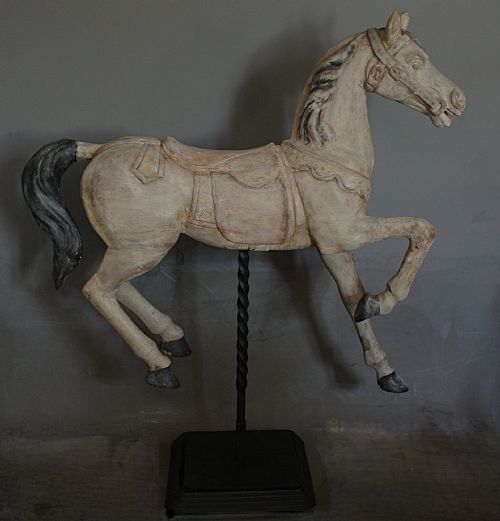
Black Forest carvings form a substantial part of the selection, frequently depicting bears, chamois, and dogs rendered in walnut or linden wood. Other recurring forms include horses, human figures, and mythological subjects.
Originating from periods including the Georgian era, the nineteenth century, and the early twentieth century, these sculptures demonstrate diverse cultural carving traditions. The forms range from miniature netsuke to substantial decorative figures.
How they were made
Carvers utilised a variety of woods including walnut, oak, linden wood, ebony, and boxwood, selecting each timber for its grain and density. Some pieces incorporate complementary materials such as ivory or bone details.
The making involved hand carving tools to shape the raw timber into anatomical or figurative forms. Certain works received surface treatments like polychrome paint or giltwood finishes to accentuate specific details.
Antique Wooden Statuettes Retail Price Guide 2026
Typical asking prices for wooden statuettes among the pieces listed under this phrase on Sellingantiques today, from the lower quarter to the upper quarter. They describe what is for sale here now, not the wider market.
Listings span multiple centuries, ranging from eighteenth-century religious carvings to twentieth-century animal studies in various hardwoods.
What varies in quality
The competence of the carver dictates the liveliness and anatomical accuracy of the figure, separating stiff representations from dynamic studies. Fine work displays careful attention to texture, such as fur, drapery, or facial expression.
The choice of material influences the definition achievable in the carving, with dense hardwoods and fine-grained boxwood allowing for crisp, intricate detail that softer or coarser timbers cannot hold.
Simon Troger·Valentino Besarel·Tomochika
The Antique Wooden Statuettes Glossary
- Black Forest
- A style of wood carving originating from the Brienz region of Switzerland, known for realistic animal studies and rustic household objects.
- Okimono
- A Japanese decorative statuette designed for display on a household shelf or in a tokonoma alcove.
- Giltwood
- Timber that has been coated with a thin layer of gold leaf or gold paint for decorative effect.
- Linden wood
- A pale, fine-grained wood favoured by carvers for its ease of manipulation and ability to retain sharp detail.
- Netsuke
- A small Japanese toggle carved with a hole through which a cord was threaded to suspend a small pouch from a kimono sash.
Antique Wooden Statuettes: Frequently Asked Questions
What woods were used for these statuettes?
Carvers utilised local and exotic timbers depending on the region and period of production. Walnut, oak, boxwood, ebony, and linden wood appear frequently across the available inventory.
Selection of wood depended on the desired scale and detail, with tighter-grained timbers chosen for intricate miniature work.
How do I identify Black Forest carvings?
Black Forest pieces typically depict regional wildlife such as bears, deer, and birds rendered with naturalistic textures. Walnut and linden wood are the primary timbers utilised in these Swiss and German pieces.
Subjects often interact with natural elements like tree trunks or rocks, reflecting the alpine environment of their origin.
Where were these figures made?
Origin locations span European workshops in Germany, Switzerland, France, Italy, and England. Additionally, pieces originate from Japan and India during the Meiji and Raj periods.
Each region employed distinct regional motifs and carving techniques characteristic of local sculptural traditions.
How should I clean wooden statuettes?
Maintenance requires gentle dusting with a soft, dry brush to remove particles from crevices. Moisture and harsh cleaning agents should be avoided to protect the historic wood surface.
Placing items away from direct sunlight and heat sources prevents the timber from drying out or splitting over time.