



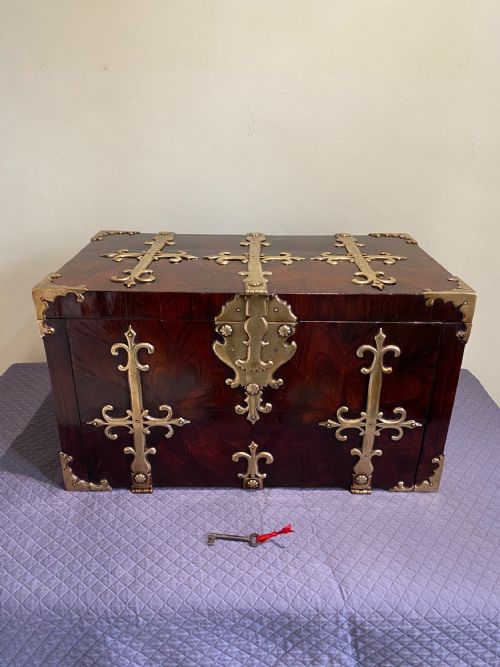

Antique Wooden Safe
An antique wooden safe offers secure storage built from solid oak, pine, or kingwood, combining practical utility with centuries of fine craftsmanship.
Antique Wooden Safe
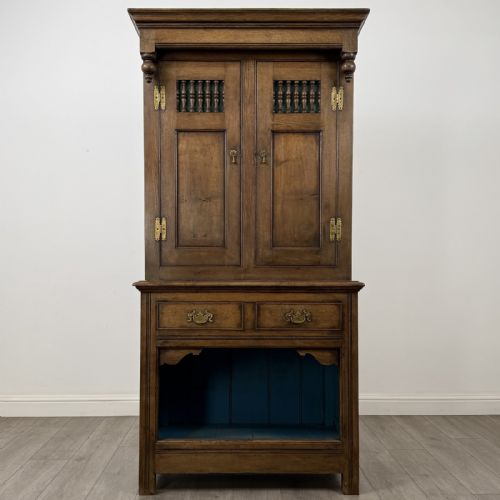
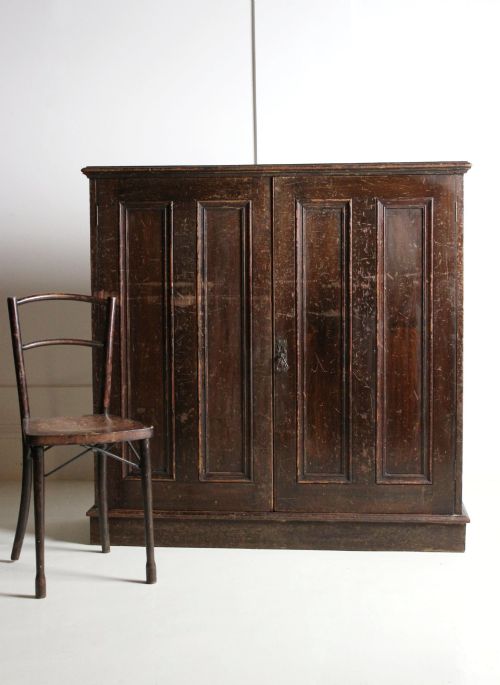
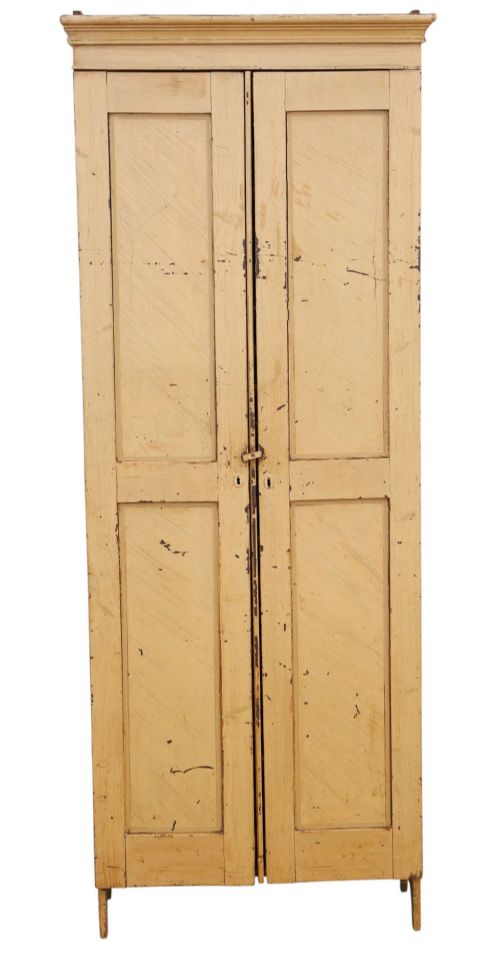
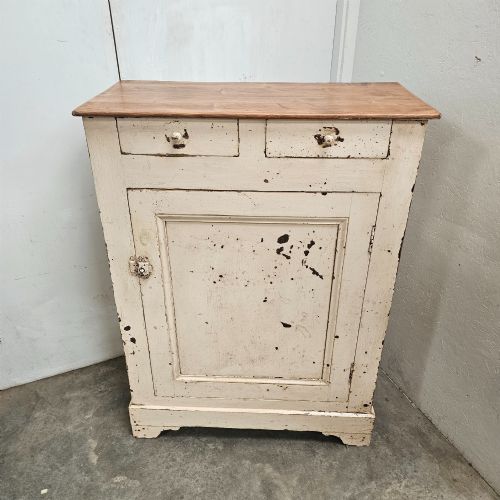
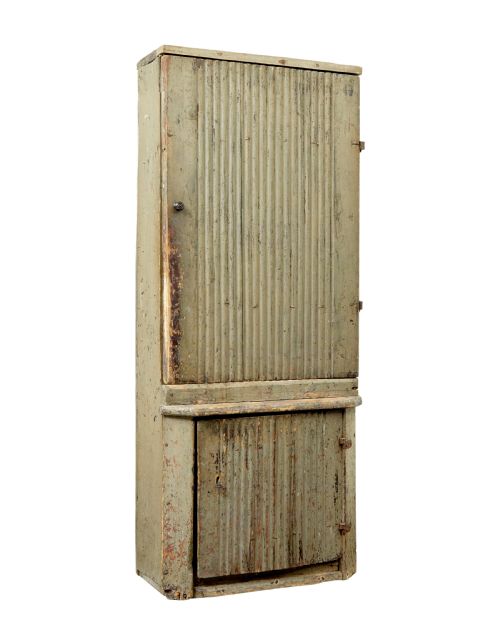
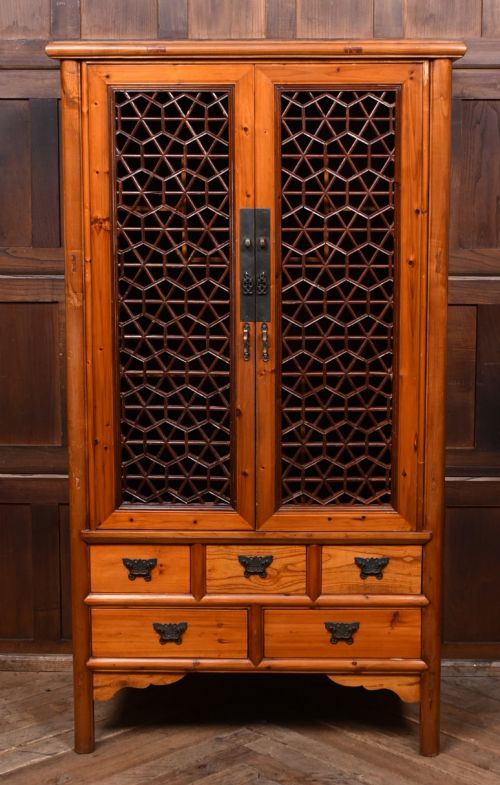
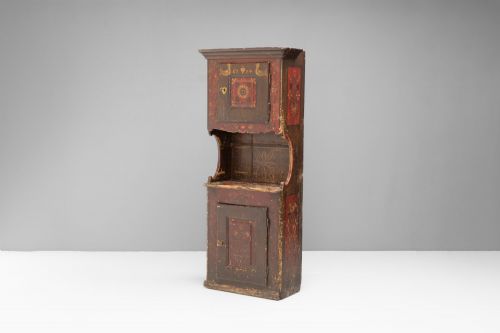
When searching for an antique wooden safe, buyers encounter a diverse selection of secure storage furniture, ranging from small seventeenth-century oak safe boxes to large nineteenth-century strongboxes and metal-bound silver chests. These pieces often overlap in form with kitchen larders, bread cupboards, and Wellington chests, utilising timber frames reinforced for protection.
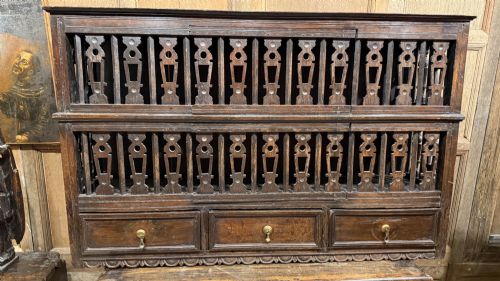
The most common versions met on this page include sturdy pine and oak cupboards, alongside specialised storage items like French panetières and decorative money boxes. Origins stretch across British, French, Scandinavian, Japanese, and Spanish traditions, showing how different cultures approached domestic security and food preservation.
Many examples incorporate concealed compartments or disguise themselves as ordinary household items, such as carved secret safe books from the Edwardian and Art Deco eras. Whether housing valuables, documents, or provisions, each piece reflects the specific domestic needs of its period.
How they were made
Construction relies heavily on durable timbers such as oak, pine, walnut, and mahogany, frequently enhanced by decorative veneers like kingwood or oyster walnut. Craftsmen joined these woods using traditional carpentry methods, framing heavy panels to withstand daily use.
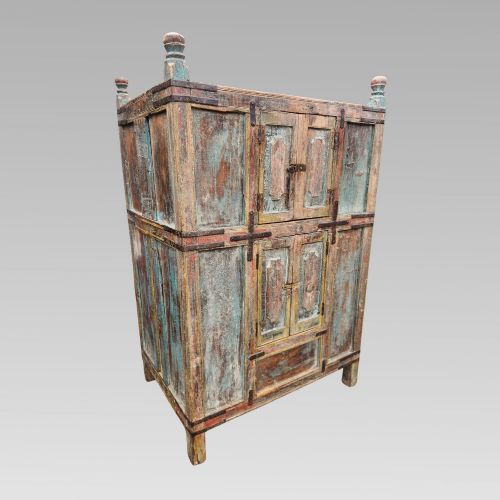
Iron and brass hardware play a crucial role, providing structural integrity through strapwork, hinges, and complex blacksmith locks. Surfaces are variously finished with clear wax, traditional paint, or hand-applied polish, highlighting the natural grain or providing protective colour.
Antique Wooden Safe Retail Price Guide 2026
Typical asking prices for wooden safe among the pieces listed under this phrase on Sellingantiques today, from the lower quarter to the upper quarter. They describe what is for sale here now, not the wider market.
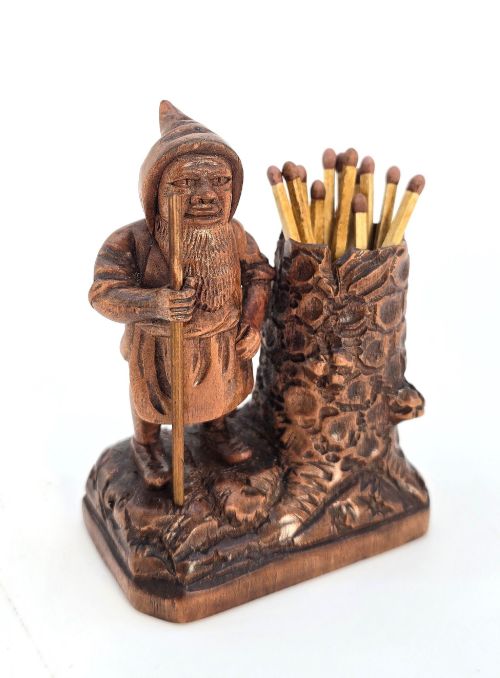
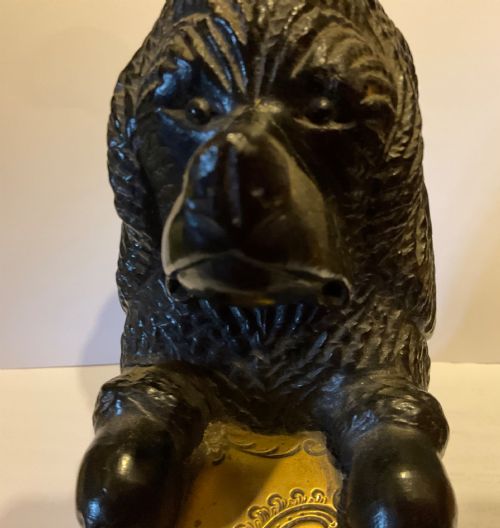
A carved limewood match holder shaped like a gnome keeps watch alongside nineteenth-century money boxes and secret book safes.
What varies in quality
The standard of a piece depends largely on the integrity of its original mechanisms, such as complex steel locks, functional keys, and hand-forged iron hinges. Retaining these original security elements distinguishes a superior item from one altered or repaired over time.
Material selection and decorative execution separate everyday storage from finer examples, seen in the choice of dense hardwoods, careful dovetailing, and crisp hand-carving. The presence of untouched surface finishes, whether original paint or polished grain, further defines the grade of the piece.
S. Mordan & Co
The Antique Wooden Safe Glossary
- Panetiere
- A traditional freestanding wooden cupboard, often featuring turned spindles or open slats, originally used in France for storing and airing bread. These pieces frequently double as regional food safes.
- Coffre fort
- A heavy storage chest or strongbox, typically constructed from timber and reinforced with iron bands, designed for securing high-value possessions. Examples often feature intricate internal locking mechanisms.
- Strongbox
- A robust container built from wood and bound in iron or steel, intended for the safe transport or storage of silver, documents, and currency. They rely on heavy-duty hinges and secure padlocks or integrated locks.
- Tramp art
- A style of woodwork created by itinerant folk artists who carved geometric patterns into discarded timber, often utilising small pieces of scrap wood layered together to form boxes and frames.
- Oyster veneer
- A decorative woodworking technique where small branches or roots are sliced transversely to produce circular or oval patterns resembling oyster shells, popular on fine cabinetry.
Antique Wooden Safe: Frequently Asked Questions
How were antique wooden safes used?
These pieces served multiple purposes depending on their internal layout and regional origin, functioning as secure repositories for family silver, legal documents, and currency. Kitchen-based variants like panetières and food cupboards kept perishable provisions safe from pests while allowing essential air circulation.
Smaller examples, such as safe boxes and money chests, provided portable security for merchants and households alike. Over time, their roles shifted from strictly practical security furniture to decorative statement pieces within the home.
How do I tell periods apart?
Distinguishing between periods involves examining construction methods, timber choices, and locking hardware. Seventeenth-century examples typically feature heavy oak framing with hand-forged blacksmith locks, while eighteenth-century pieces often showcase sophisticated veneers like kingwood and oyster work.
Nineteenth-century items frequently display machine-sawn timber, painted finishes, or heavy iron strapping associated with Victorian silver chests. Edwardian and later pieces introduce novel formats, including disguised book safes influenced by Art Nouveau and Art Deco design.
Where should I place a wooden safe at home?
These substantial items suit various living spaces, functioning well as decorative storage cabinets in hallways, studies, or living rooms. Larger cupboards and larder units provide practical shelving and surface area while serving as focal points in dining areas or kitchens.
Position them away from direct heat sources and strong sunlight to protect historic timber finishes and prevent warping. Ensuring adequate clearance around iron-bound chests and cabinets allows their unique hardware to be appreciated.
How do I care for antique wood and iron?
Maintenance requires gentle cleaning with a soft cloth and occasional application of traditional beeswax to nourish dry timber. Avoid modern liquid polishes containing silicones, which can degrade historic wax and painted surfaces over time.
Iron hinges and locks benefit from a very light application of oil if they become stiff, ensuring moving parts remain operational without damaging surrounding wood. Keeping the storage environment stable in humidity prevents the timber from expanding or contracting excessively.