
Antique Wooden Relief
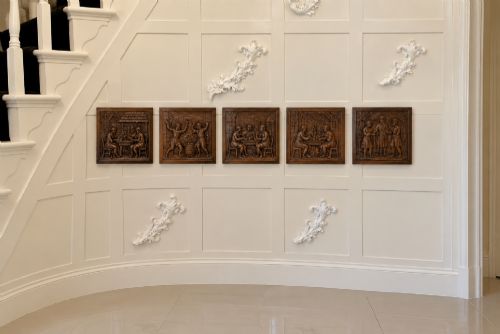
Antique wooden relief panels and carvings bring centuries of texture and hand-chiselled depth directly into modern rooms.
Antique Wooden Relief
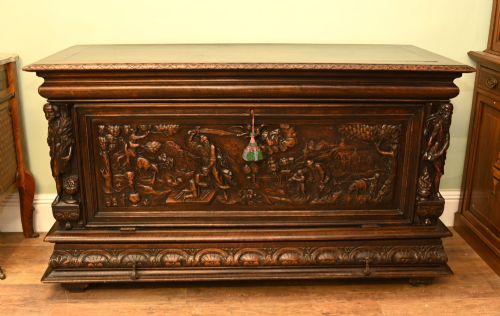
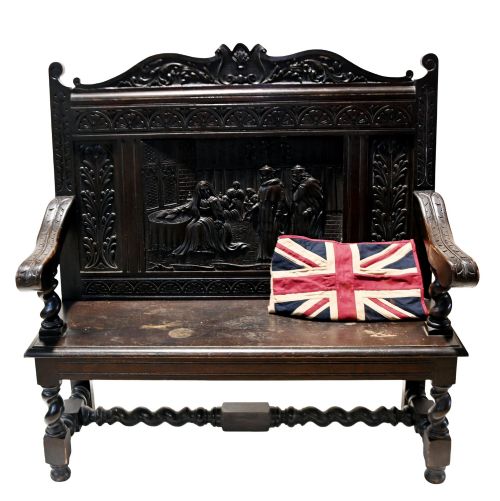
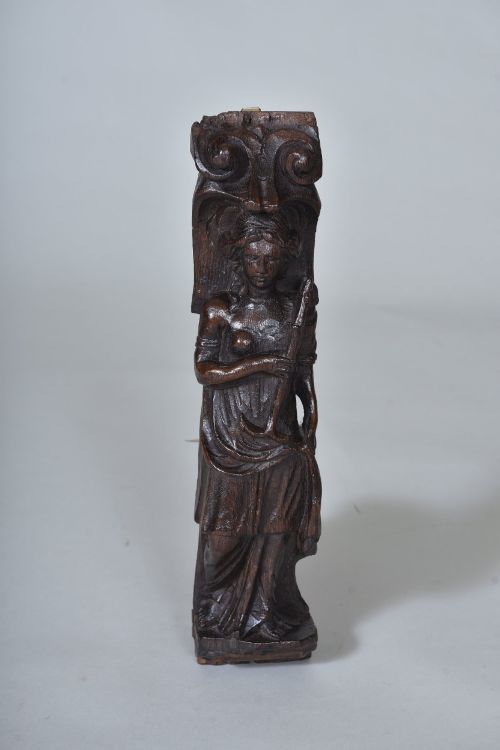
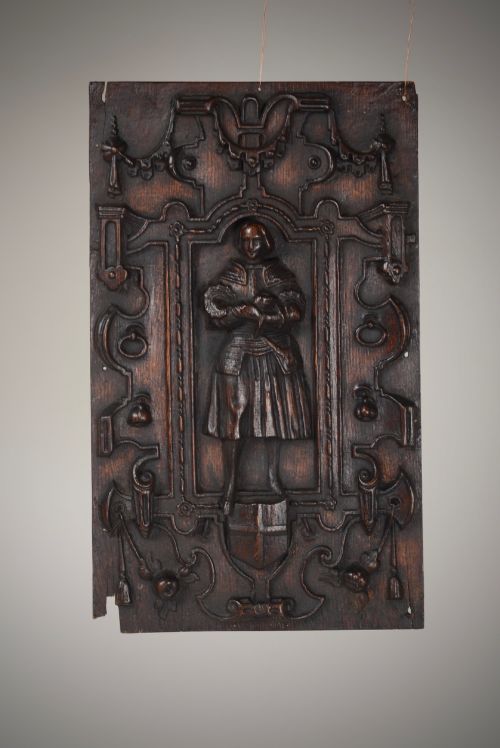
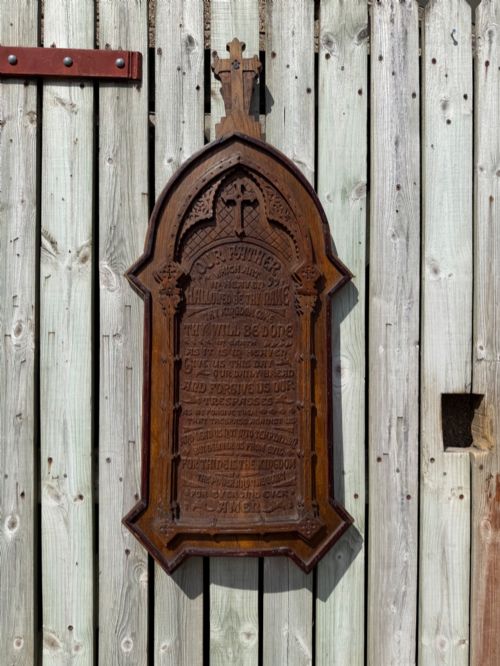
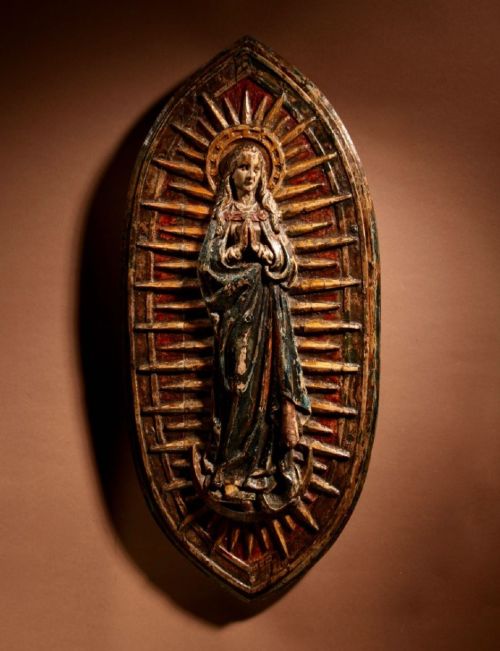
When you search for antique wooden relief, you encounter carved wall panels, architectural salvage, and figurative plaques spanning multiple centuries. The pieces range from medieval church fragments and seventeenth-century oak panels to nineteenth-century Gothic and Renaissance revival works.
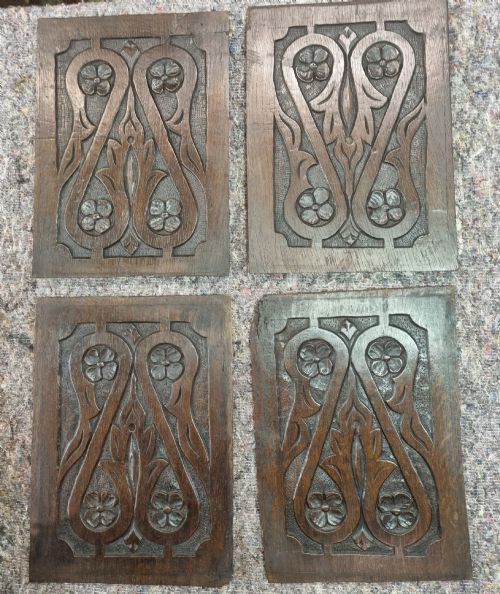
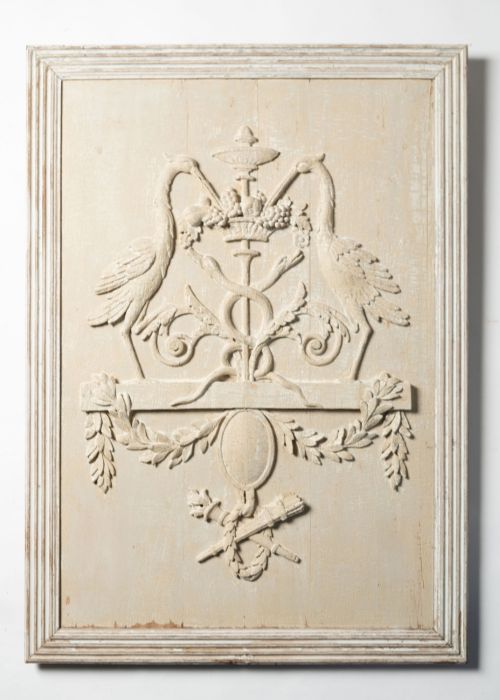
Oak and walnut dominate the selection, often taking the form of rectangular wall plaques, architectural fragments, and decorative friezes. Many of these items originate from domestic interiors, altarpieces, or larger pieces of furniture subsequently adapted for display.
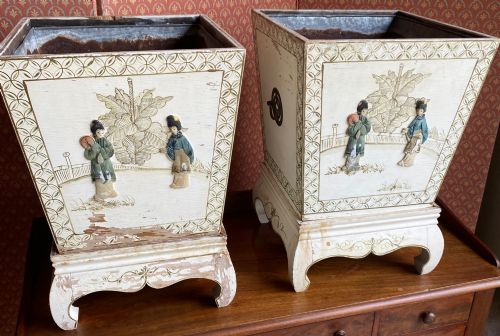
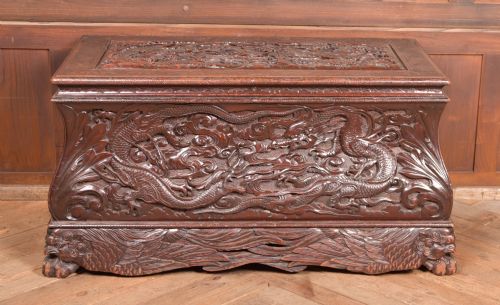
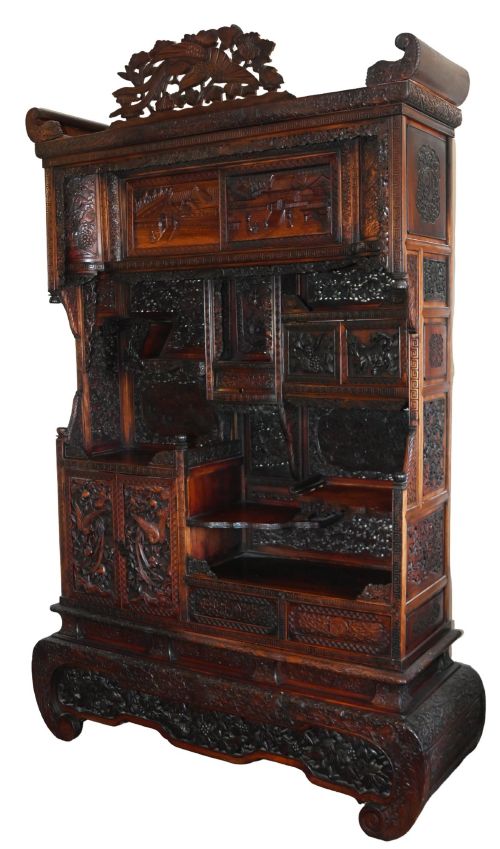
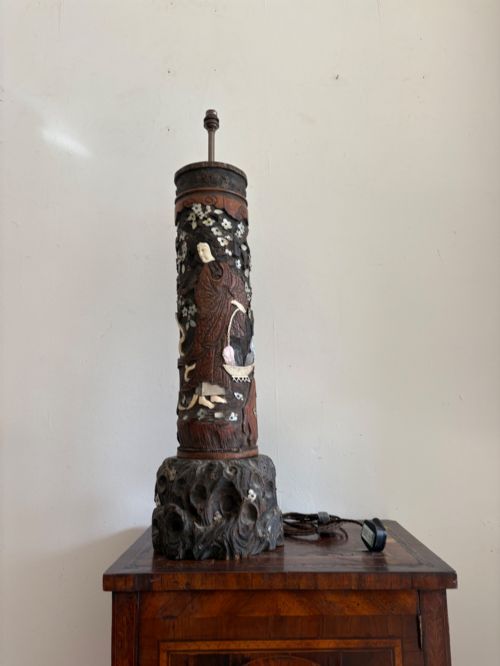
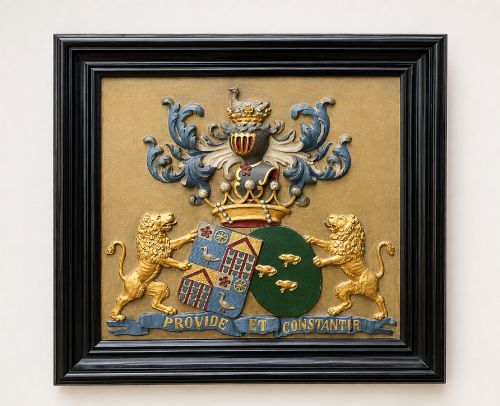
The inventory also includes Asian export items, Chinese temple panels, and European heraldic plaques. These diverse geographic origins offer buyers a wide array of figurative, floral, and architectural subjects.
How they were made
Craftsmen utilised seasoned timbers such as oak, walnut, chestnut, and elm, relying on manual gouges, chisels, and mallets to achieve depth. The physical removal of wood created low, medium, or high relief surfaces that caught the light within domestic and ecclesiastical interiors.
Certain surfaces received secondary treatments including gesso, gold leaf, and polychrome paint. These finishes added colour and opulence, particularly on Continental panels, temple carvings, and religious altarpieces.
Listings feature oak, walnut, chestnut, elm, camphor, and bamboo, spanning the sixteenth to the twentieth centuries across European and Asian styles.
What varies in quality
Depth of carving and clarity of detail distinguish finer panels from simpler workshop output. Master carvers achieved subtle anatomical rendering in figures and clean, undercut foliage in decorative borders.
The integrity of the timber and the retention of original surface finishes significantly influence a piece. Retaining historical paint, gesso, or untouched aged patina indicates a higher degree of preservation compared to stripped or heavily restored examples.
The Antique Wooden Relief Glossary
- Relief
- Sculpture where the figures project from a flat background. This technique defines all pieces listed under this search.
- Gesso
- A plaster mix applied to wood surfaces to prepare them for painting or gilding. It provides a smooth base for fine detail work.
- Polychrome
- The practice of decorating architectural elements or sculptures in multiple colours. It appears frequently on Continental and religious panels.
- Architectural salvage
- Building components rescued from demolition or alteration. These elements often find new life as decorative wall art.
- Altarpiece
- A structured artwork positioned behind an altar. Central panels from these large wooden assemblies occasionally survive as independent reliefs.
Antique Wooden Relief: Frequently Asked Questions
How do I hang a heavy wooden relief panel?
Heavy panels require secure fixings anchored directly into wall studs or solid masonry using appropriate metal brackets. Professional installation ensures the weight of dense timbers like oak or walnut distributes evenly.
Lighter plaques may utilise reinforced hanging wire or D-rings screwed into stable structural portions of the wooden frame.
Can I clean an antique carved wooden panel?
Dust accumulates within the crevices of deep carvings and is best removed gently using a soft, dry bristle brush. Avoid using commercial liquid cleaners or polishes that might degrade aged wax or original paint.
Preserve the dry surface texture by keeping the wood away from direct heat sources and excessive moisture variations.
How do I distinguish seventeenth-century oak from later revivals?
Seventeenth-century oak panels typically display tool marks consistent with hand-riven timber and primitive joinery methods. The grain structure exhibits deep oxidation and shrinkage consistent with centuries of age.
Revival pieces from the nineteenth century often show more uniform machine-sawn backing boards and cleaner, less weathered edges.
What is the difference between a wall plaque and architectural salvage?
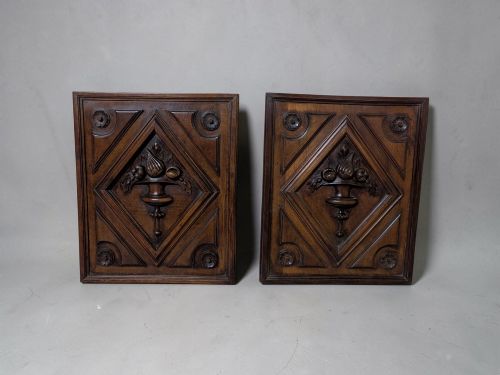
Wall plaques are generally created as decorative standalone artworks intended specifically for visual display. They include carved floral baskets and heraldic marriage plaques.
Architectural salvage consists of components originally integrated into buildings or furniture, such as pediments, coffer panels, and altarpiece fragments.