





Antique Wooden Pocket
When you examine an antique wooden pocket item, you hold portable utility and personal craftsmanship from centuries past.
Antique Wooden Pocket
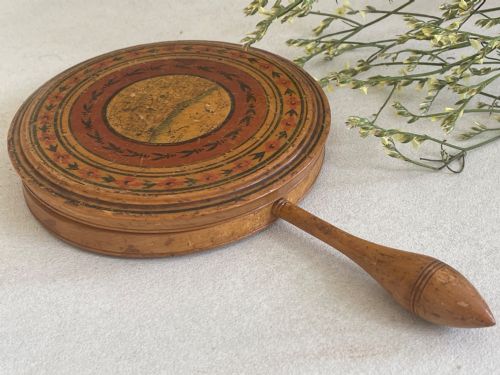
These items comprise portable personal accessories and scientific instruments housed or fashioned in timber, reflecting daily life from the eighteenth century through to the Edwardian period. When searching for an antique wooden pocket piece, collectors encounter a diverse selection of small functional objects designed to be carried on the person or transported easily.
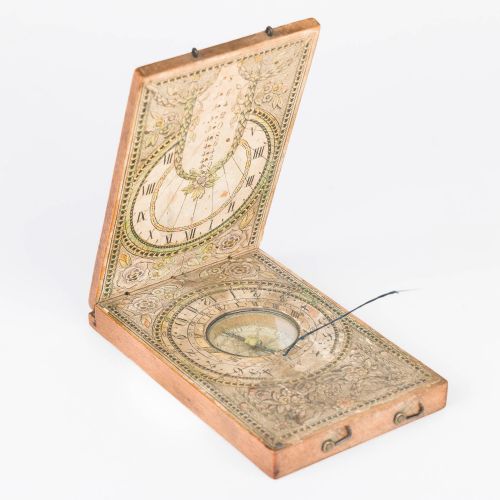
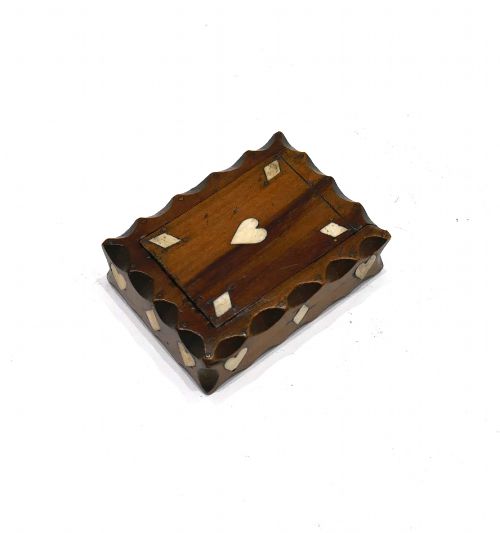
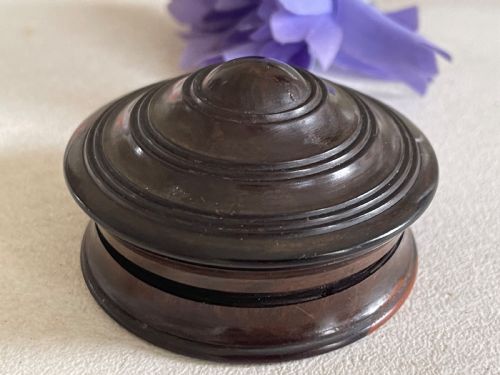
The objects span practical pocket containers like snuff boxes and card cases alongside navigational tools such as portable sundials and compasses. Fruitwood, mahogany, and walnut appear frequently, often shaped into utilitarian forms that served travellers, gentlemen, and tradespeople in past eras.
Materials and construction methods
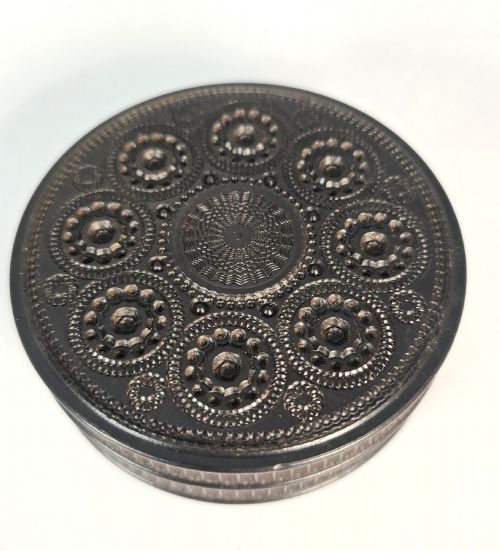
Constructed primarily from hardwoods like mahogany, fruitwood, ebony, and walnut, these portable objects rely on traditional carpentry and turning techniques. Makers utilised bone inlay, geometric carving, and engine turning to decorate small surfaces on snuff boxes and card cases.
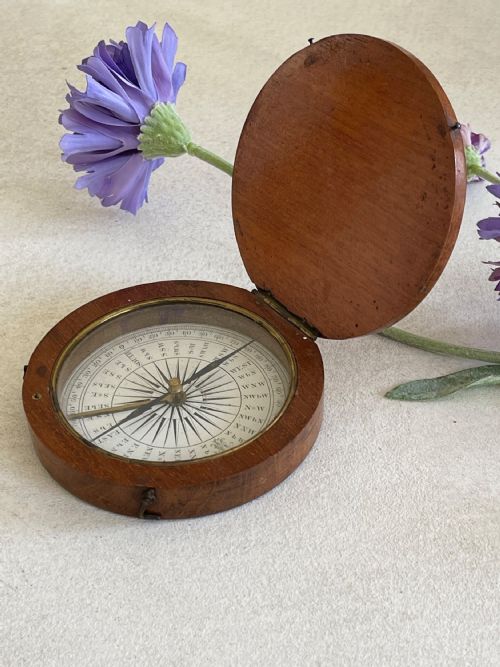
Scientific and navigational instruments integrate timber cases with brass dials, glass covers, and paper compass cards. Skilled artisans fitted delicate hinges, latches, and bezels into wood to ensure instruments endured the rigours of travel.
Antique Wooden Pocket Retail Price Guide 2026
Typical asking prices for wooden pocket among the pieces listed under this phrase on Sellingantiques today, from the lower quarter to the upper quarter. They describe what is for sale here now, not the wider market.
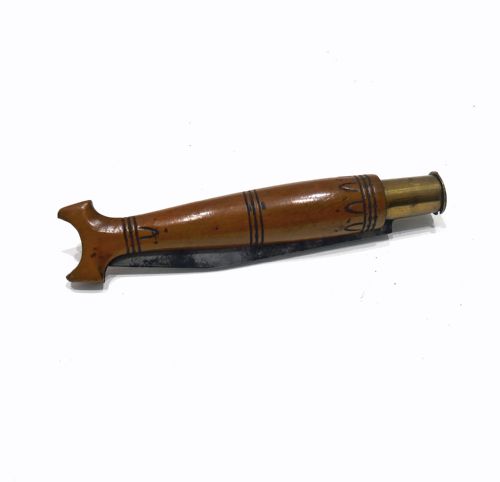
Some nineteenth-century makers carved fruitwood pocket penknives into the literal form of a fish.
Assessing quality in portable timber pieces
Quality rests in the crispness of the carving, the precision of any bone or metal inlay, and the retention of an honest, deep patina on the wood surface. Pieces showing meticulous hand-carving or complex geometric piercing demonstrate superior craftsmanship compared to plain or heavily worn examples.
The integrity of mechanical components, such as working compass needles, tight-fitting snuff box lids, and intact hinges, separates standard utilitarian survivals from exceptional collector pieces. Original labels, glass, and undamaged brass fittings elevate the standing of an item.
Samuel Porter·Stanley London
The Antique Wooden Pocket Glossary
- Treen
- Small handmade wooden household objects and utilitarian items. This term covers everything from carved snuff boxes to small turned containers.
- Snuff box
- A small pocket-sized container used for holding powdered tobacco. These items often feature intricate inlay or carved hardwood forms.
- Diptyque
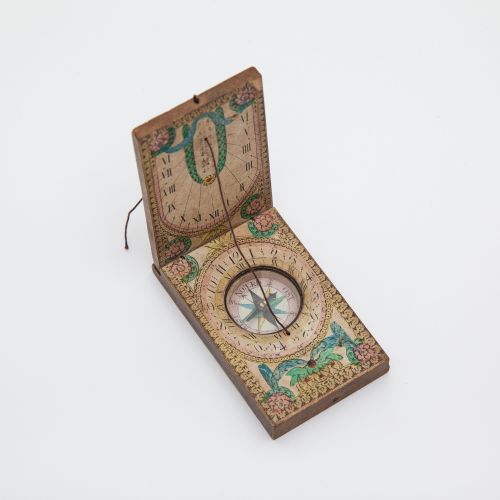
- A portable hinged instrument containing a sundial and compass. Travellers utilised these folding wooden devices for navigation.
- Tunbridge ware
- Small wooden decorative items decorated with tiny mosaic wood tesserae. This technique creates geometric patterns from natural coloured woods.
- Engine turned
- A method of mechanical decoration producing precise geometric patterns on surfaces. Artisans applied this technique to ebony and other dense woods.
Antique Wooden Pocket: Frequently Asked Questions
How were pocket compasses and sundials used?
Travellers and explorers used portable diptych dials and compasses to determine direction and local time while away from home.
Craftsmen housed these delicate brass and paper instruments inside protective wooden cases fitted with glass covers.
How do I care for antique treen and wood?
Keep wooden pocket items away from direct sunlight and dramatic changes in humidity to prevent timber from cracking or warping.
Handle pieces gently by their edges and avoid applying modern polishes that can damage the historical surface patina.
How are different periods identified?
Georgian and Victorian pieces display specific styling, joinery methods, and material choices typical of their respective manufacturing eras.
Examining the types of wood, brass hardware, and decorative techniques like bone inlay helps place an item in its historical context.