





Antique Wooden Night Commode
These pieces of antique wooden night commode furniture offer both history and practical bedside storage, prized for their traditional craftsmanship and rich timber grain.
Antique Wooden Night Commode
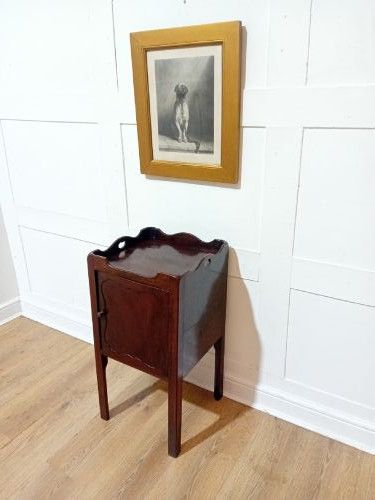
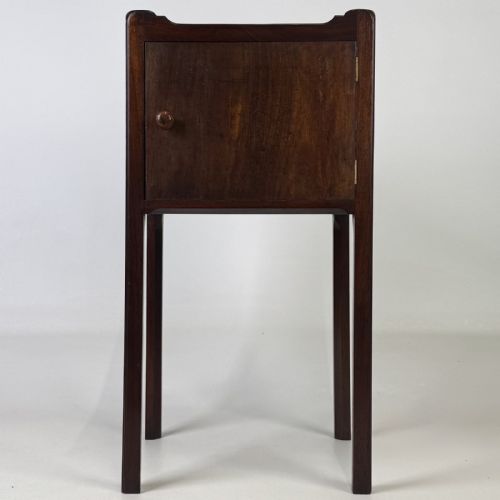
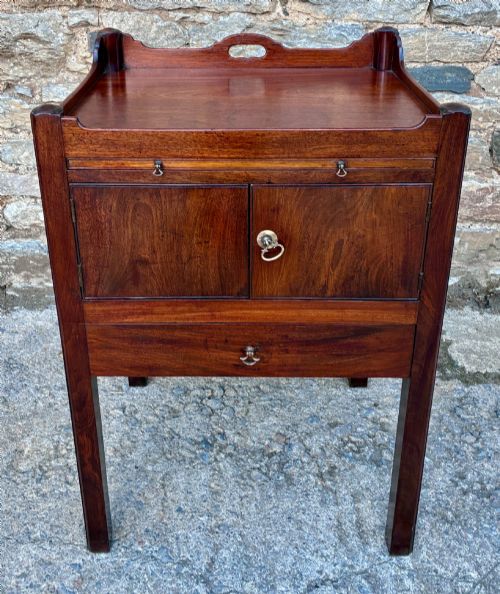
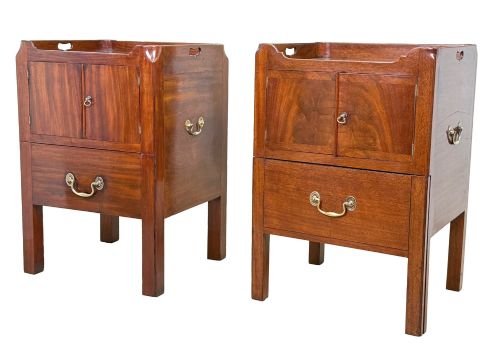
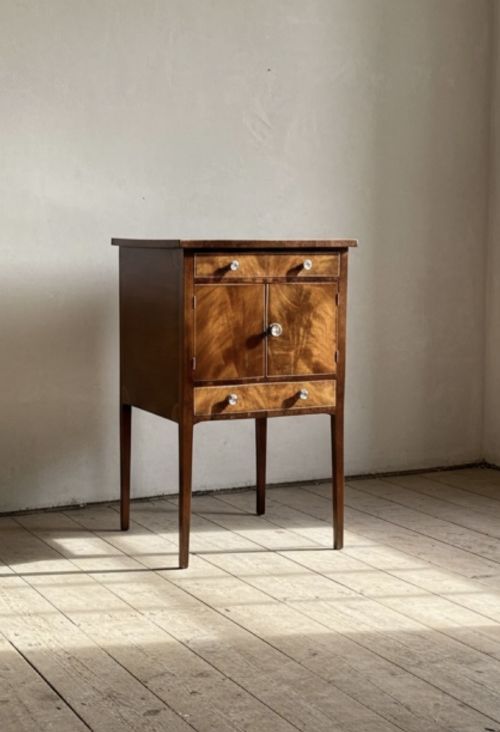
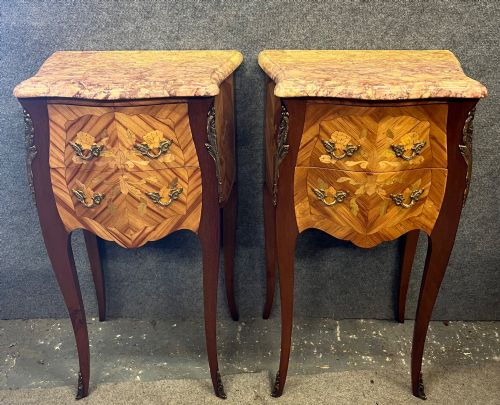
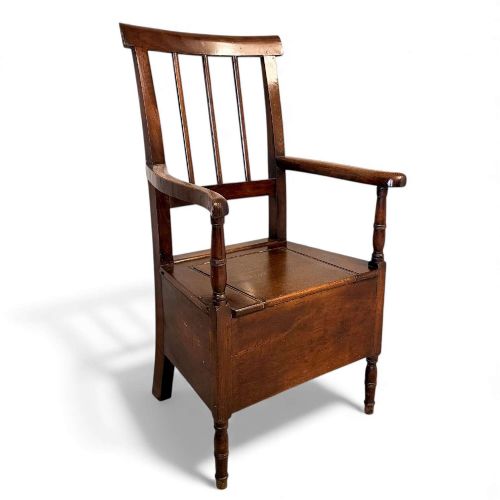
When you search for an antique wooden night commode, you encounter a variety of forms designed to sit beside a bed or function as small bedroom cabinets. The examples seen here range from Georgian mahogany tray top cupboards to earlier oak and elm close stools, reflecting utilitarian domestic pieces adapted over centuries.
The majority of pieces date from the eighteenth and nineteenth centuries, displaying the influence of Georgian, Regency, and later periods. You will find bedside tables, cabinets, and commode chairs constructed from timber such as mahogany, oak, and walnut.
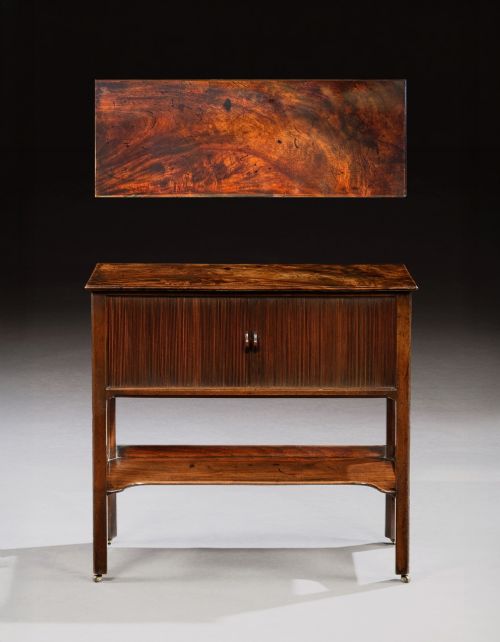
The selection includes specialised forms such as tambour night stands, cylindrical cupboards, and serpentine tray top chests. These items served intimate domestic functions before evolving into the standard bedside tables recognised today.
Materials and construction methods
Makers relied heavily on solid timber and veneers, utilising mahogany, oak, elm, walnut, and rosewood to build these small cabinets and seats. Flame mahogany veneer and satinwood appear on finer examples to create decorative patterned surfaces.
Hardware and functional details often incorporate brass handles and hinges, while select pieces integrate marble tops or inlaid marquetry work. Structural integrity depended on traditional joinery techniques appropriate to each period, from seventeenth-century oak framing to eighteenth-century cabinet making.
Antique Wooden Night Commode Retail Price Guide 2026
Typical asking prices for wooden night commode among the pieces listed under this phrase on Sellingantiques today, from the lower quarter to the upper quarter. They describe what is for sale here now, not the wider market.
Current listings feature pieces spanning from the seventeenth century through the 1930s, utilising mahogany, oak, walnut, elm, and rosewood.
Distinguishing quality in timber and form
Quality rests in the choice of timber and the sophistication of the cabinet work, distinguishing simple utilitarian boxes from refined George III bedside tables. Richly figured grain, such as flame mahogany, and thoughtful details like tambour shutters or serpentine tray tops elevate a piece.
The integrity of the construction and the subtlety of proportion separate standard regional examples from accomplished urban workshops. Original hardware, balanced proportions, and careful timber selection determine the standing of an individual piece.
The Antique Wooden Night Commode Glossary
- Commode
- A piece of furniture that historically enclosed a chamber pot, often disguised as a small cabinet, chest of drawers, or armchair.
- Tray top
- A raised rim around the top surface of a bedside table or commode, designed to prevent items from rolling off.
- Tambour
- A flexible shutter made of narrow vertical strips of wood glued to a canvas backing, allowing a cupboard door to slide open around a curve.
- Close stool
- An early form of enclosed chair or box containing a chamber pot, serving as a precursor to modern indoor sanitation.
- Marquetry
- Decorative patterns created by fitting small pieces of veneer into a wood background to form pictorial or geometric designs.
Antique Wooden Night Commode: Frequently Asked Questions
How were these commodes used originally?
These pieces served practical domestic functions in bedrooms before the widespread availability of indoor plumbing. They discreetly housed chamber pots for nighttime use.
Over time, many of these cabinets lost their original internal purpose and transitioned into standard bedside tables for lamps and personal items.
How do I identify a Georgian night commode?
Georgian examples often feature solid mahogany construction, elegant proportions, and distinctive details such as raised tray tops or tambour doors. Makers of this era focused on clean lines and functional elegance.
Examination of the timber, joinery, and hardware helps align a piece with the eighteenth-century aesthetic of the Georgian and George III periods.
How do I live with a wooden night commode?
Living with these pieces involves utilising them as bedside tables, lamp tables, or small side cabinets in a modern bedroom or living space. Their compact dimensions make them practical for contemporary storage.
Treating the antique wood with care and avoiding excessive moisture preserves the finish and structural integrity of the timber.