




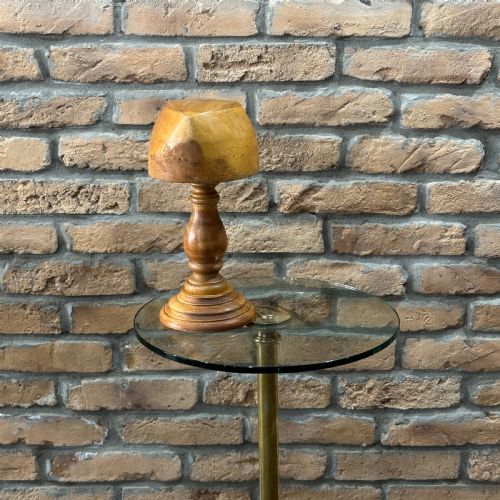


Antique Wooden Milliners Block
An antique wooden milliners block carries the quiet sculpture of old workrooms, prized today for its bold, sculptural presence in a modern room.
Antique Wooden Milliners Block
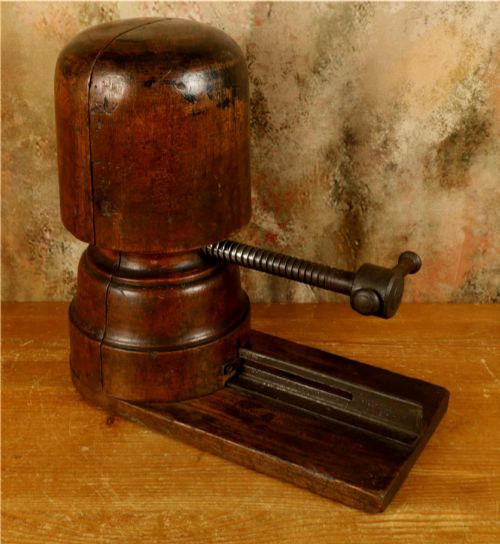
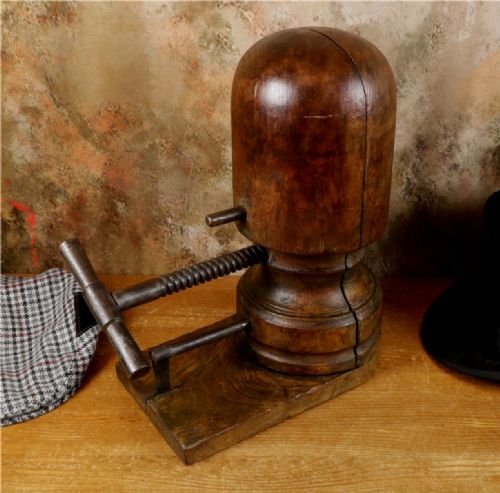
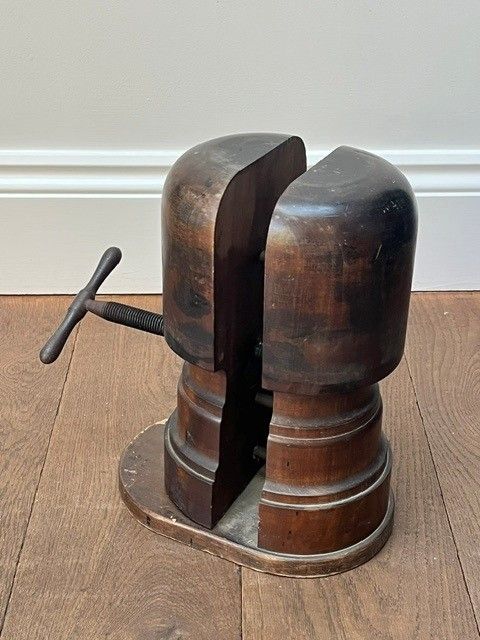
An antique wooden milliners block is a specialised form once used for shaping and sizing hats, appearing here in various historical styles from French Provincial to Victorian Industrial. You are most likely to meet practical hat blocks, hat stretchers, and carved millinery heads in this selection.
These pieces emerge from diverse periods ranging from the nineteenth century through to the 1920s, reflecting the practical needs of traditional haberdashery. The forms span simple wooden blocks to carved folk art heads and specialised military cap shapes.
Originating from English and French workshops, these objects served a strictly utilitarian purpose in hat making before finding a second life as decorative sculptures and bust displays. Their shapes vary from smooth hardwood surfaces to mechanical stretchers fitted with iron.
How they were made
Craftsmen shaped these pieces from solid hardwoods including oak, walnut, beech, and fruitwood, selecting dense timbers that could withstand heavy daily use in the workshop. The material choice determined how well the block held its carved contours under pressure.
Makers shaped the wood through hand carving and turning, sometimes combining carved timber with cast iron mechanisms as seen in functional hat stretchers. These construction methods left visible tool marks and grain patterns that contribute to the tactile quality of each piece.
Antique Wooden Milliners Block Retail Price Guide 2026
Typical asking prices for wooden milliners block among the pieces listed under this phrase on Sellingantiques today, from the lower quarter to the upper quarter. They describe what is for sale here now, not the wider market.
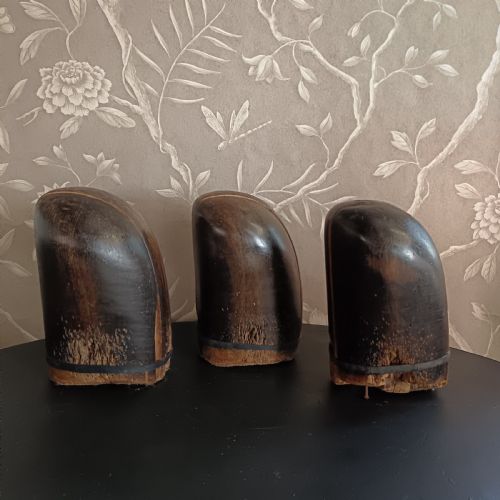
Some blocks were specifically carved to shape stiff military bearskin caps, giving domestic interiors an unexpected brush with parade-ground history.
What varies in quality
Quality rests in the sculptural integrity of the carving and the character developed through active workshop use rather than pristine factory finish. Pieces carved with expressive detail, such as folk art millinery heads, stand apart from simpler utilitarian blocks.
The choice of dense timber and the survival of original surface patinas elevate certain examples above standard workshop equipment. Finer pieces retain clear signs of their working past while maintaining structural solidity in the wood and any integrated iron components.
The Antique Wooden Milliners Block Glossary
- Millinery
- The design and manufacture of hats. This trade relied on specialised wooden blocks to shape felt and straw.
- Hat stretcher
- A mechanical device used by hatters to expand and resize headwear. These tools often combined carved wood with iron hardware.
- Haberdashery
- The trade and merchandise of small articles for sewing and clothing. Milliners operated within this broader sphere of nineteenth-century garment making.
- Folk art
- Utilitarian objects created by self-taught makers outside formal artistic traditions. Carved wooden heads from this tradition display distinct regional character.
Antique Wooden Milliners Block: Frequently Asked Questions
What are antique milliners blocks?
These objects are carved wooden forms once used by hat makers to shape, size, and store millinery.
Today they function as sculptural display pieces and interior ornaments.
How were hat stretchers used?
Hat stretchers were inserted inside a hat and adjusted via internal mechanisms to gently expand the crown.
They allowed hatters to customize the fit for individual customers.
How do I style these blocks?
These wooden forms suit placement on bookshelves, sideboards, or desks as standalone sculptures.
They also serve as practical stands for displaying hats, wigs, or scarves.
How can I tell the periods apart?
Nineteenth-century examples often feature heavier hardwood construction and hand-carved details from French or English workshops.
Later pieces from the 1920s lean towards simpler turned forms in solid beech or standardised industrial styles.