

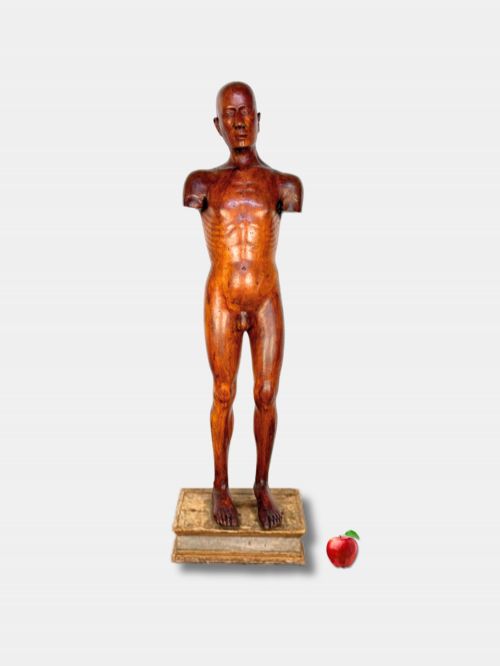


Antique Wooden Mannequin
An antique wooden mannequin brings centuries of studio practice and shop display straight into a room.
Antique Wooden Mannequin
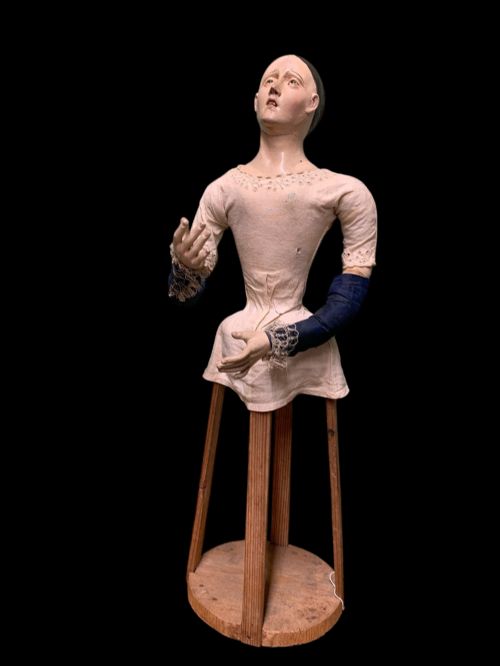
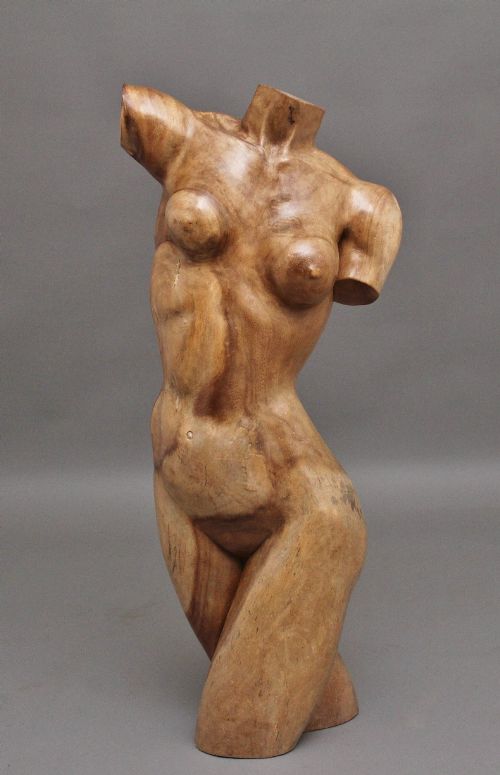
When you search for an antique wooden mannequin, you encounter an array of functional figures spanning artist lay figures, religious statues, shop display dummies and millinery heads. These objects served distinct practical roles in studios, churches and retail spaces before entering the collector market.
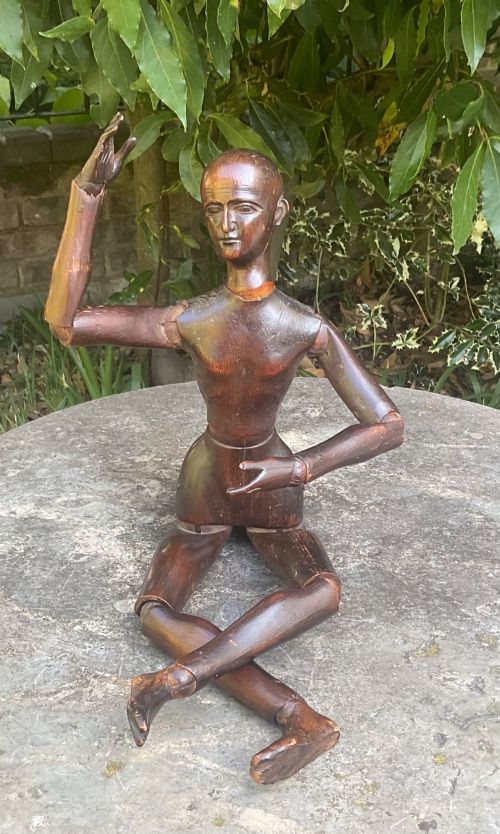
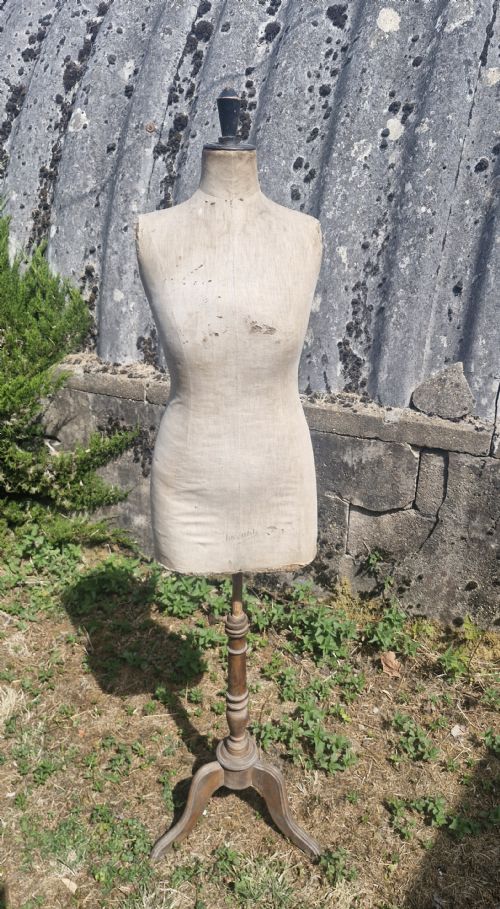
The selections on this page draw from the eighteenth, nineteenth and early twentieth centuries, encompassing English, French, Italian, Spanish and German origins. Artist lay figures and devotional santos figures appear alongside dressmaker stands, shop window trade signs and hat stands.
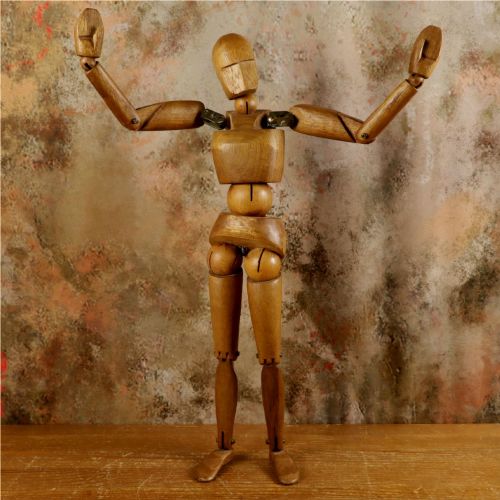
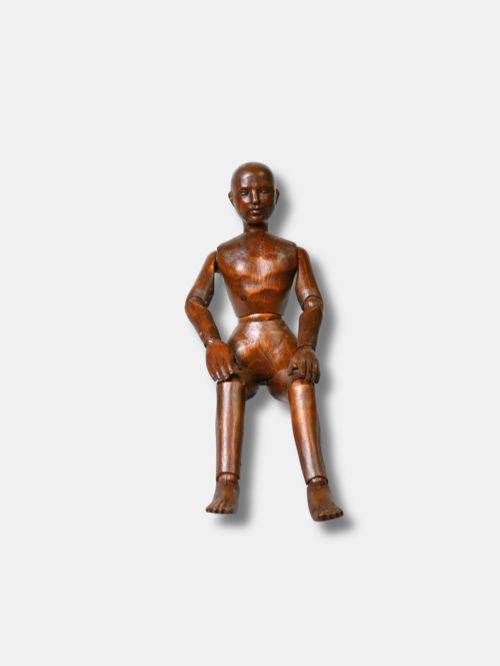
Articulated studio models designed for drawing human posture sit beside rigid display pieces shaped for clothing, hats and tobacco. Each form reflects the specific demands of the craftsmen, artists and merchants who commissioned them.
Materials and construction
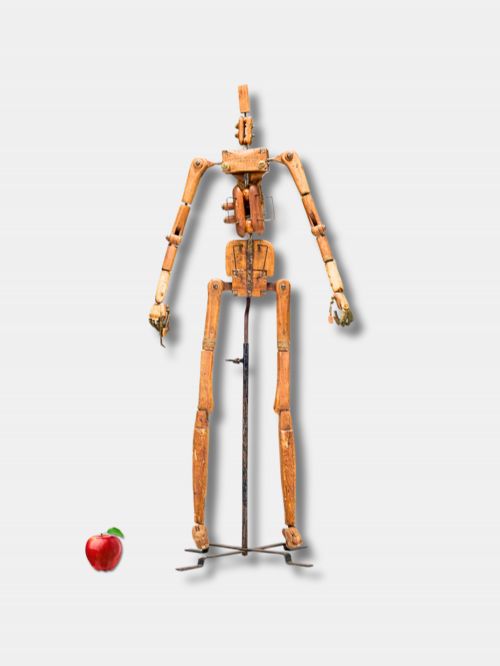
Wood serves as the primary material, shaped through carving into hardwood and softer timber blocks to achieve both miniature desktop proportions and life-size figures. Carvers utilised iron and metal pins, hinges and joints within articulated models to allow limbs to hold realistic poses.
Makers often applied paint, fabric, linen and plaster finishes over the carved wooden foundations to simulate skin, hair and garments. Santos figures and shop display models frequently feature layers of gesso, polychrome pigment and textiles to enhance their visual presence.
Antique Wooden Mannequin Retail Price Guide 2026
Typical asking prices for wooden mannequin among the pieces listed under this phrase on Sellingantiques today, from the lower quarter to the upper quarter. They describe what is for sale here now, not the wider market.
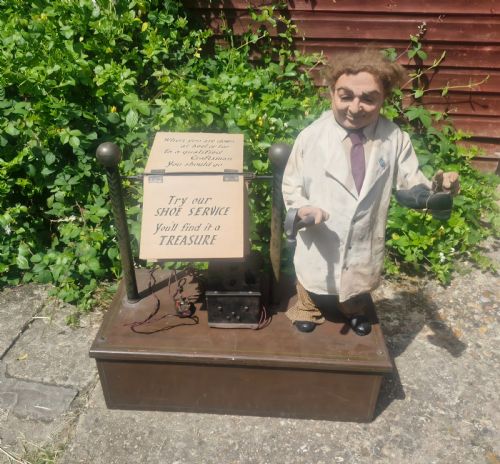
An automated cobblers shop display model from 1930 waits alongside traditional art studio dummies and wooden cricketers.
Judgement of quality
The survival of original polychrome paint, fabric coverings and accompanying stands elevates a piece. Altered components or heavy repainting alter the historical value, while clean lines and expressive detailing mark the finest surviving specimens.
Francois pierre Guillois·Paris Stockman
The Antique Wooden Mannequin Glossary
- Lay Figure
- An articulated wooden model used by artists to study drapery and human anatomy. These figures feature jointed limbs pinned with metal to hold specific poses.
- Santos
- A carved wooden religious figure, often processional, originating from Catholic traditions. Many examples feature articulated wooden frames designed to be dressed in real fabric vestments.
- Millinery Head
- A specialised display form carved or moulded to hold hats and caps. These items appear in wood, terracotta and plaster for shop window presentation.
- Dummy Board
- A flat silhouette figure painted to resemble a person or animal, used for interior decoration or shop display. They date primarily from the eighteenth and nineteenth centuries.
- Capipote
- A Spanish devotional figure with a carved wooden head and hands attached to a framework. They served ritual functions in religious processions.
Antique Wooden Mannequin: Frequently Asked Questions
What is an artist lay figure?
An artist lay figure is a jointed wooden model utilised by painters and sculptors to map out the fall of fabric and human anatomy.
These figures allowed artists to maintain consistent lighting and posture for complex compositions over extended periods.
How were santos figures used?
Santos figures functioned as devotional objects in churches and homes, often carried in religious processions or dressed in elaborate textiles.
Their articulated wooden construction allowed priests or attendants to alter their poses and vestments according to specific liturgical seasons.
How do I date a wooden mannequin?
Dating relies on examining the carving style, the type of metal used in the joints, and the composition of any surface paint or fabric.
Nineteenth-century models often show different mechanical joint designs compared to eighteenth-century devotional carvings or early twentieth-century shop displays.
Can I use a dressmaker dummy for display?
Antique dressmaker stands and shop display dummies suit the exhibition of vintage garments and textiles.
Their sturdy wooden and fabric construction supports the weight of historical clothing while adding period character to a room.