


Antique Wooden Lockers
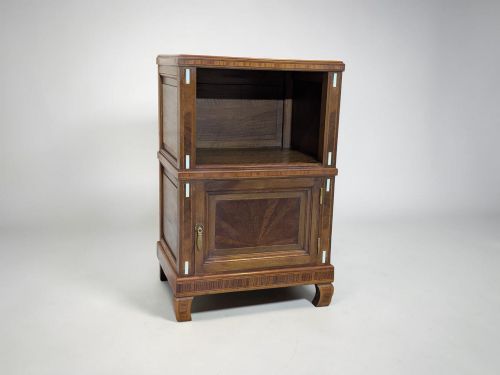
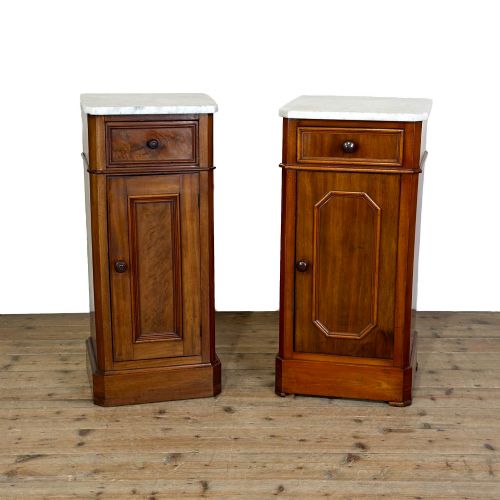
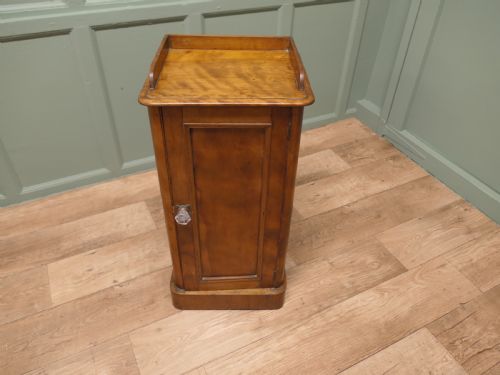
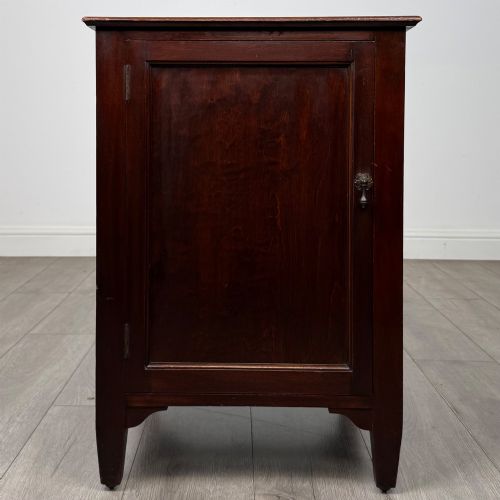
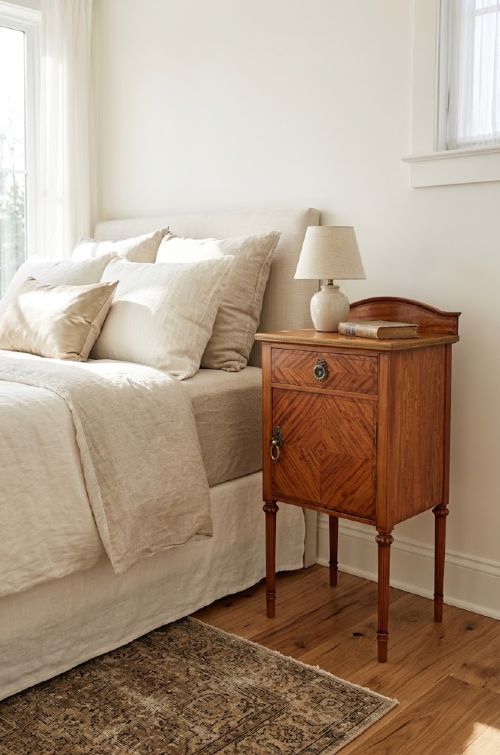
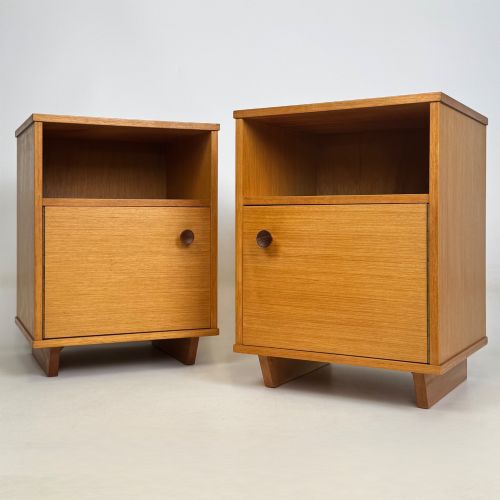
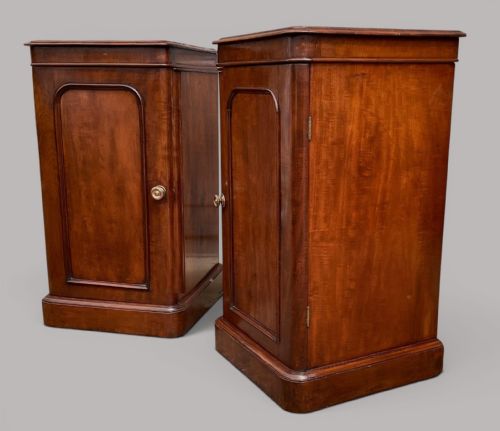
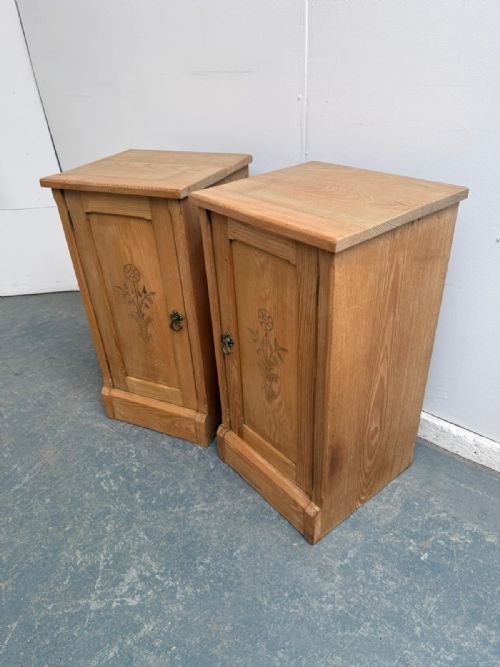
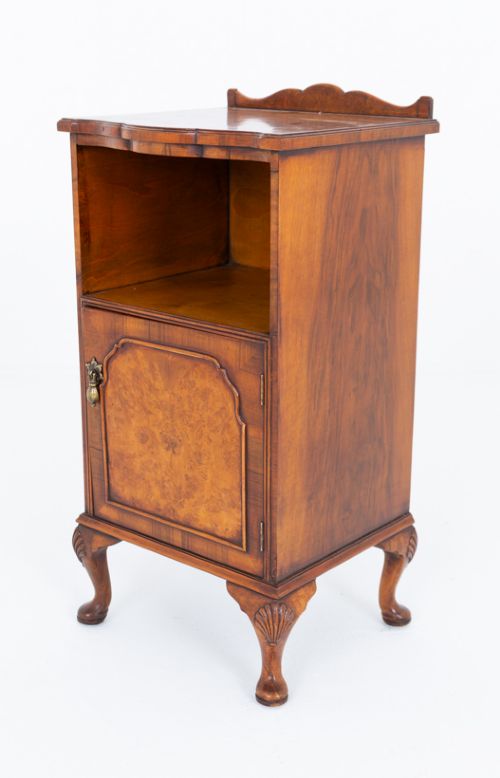
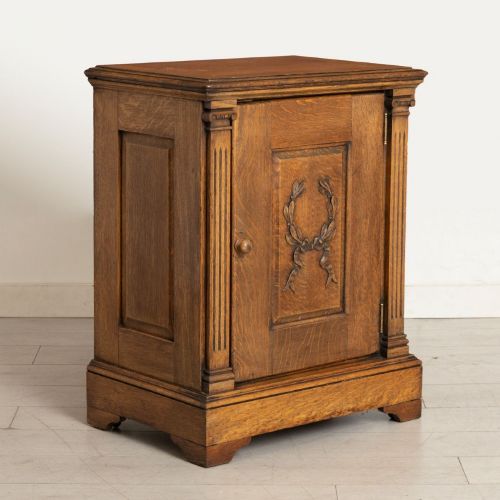
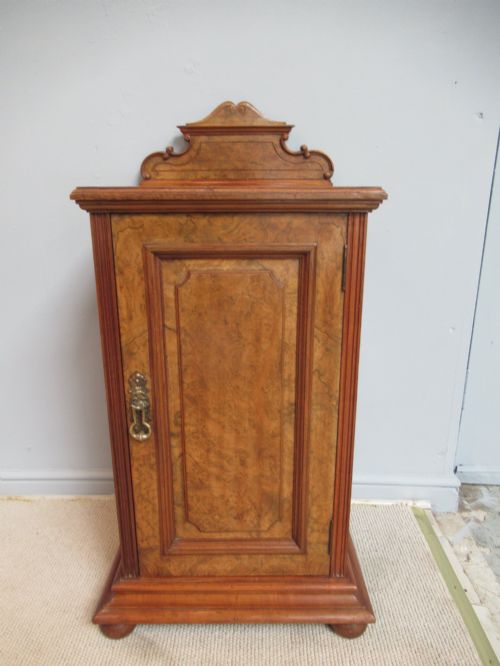
These antique wooden lockers and bedside cabinets bring period timber and practical enclosed storage into a bedroom.
Antique Wooden Lockers
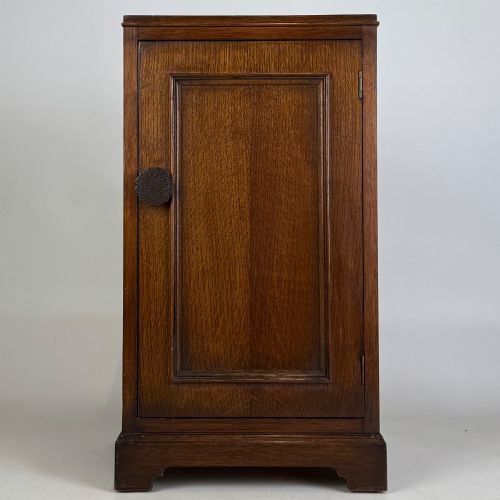
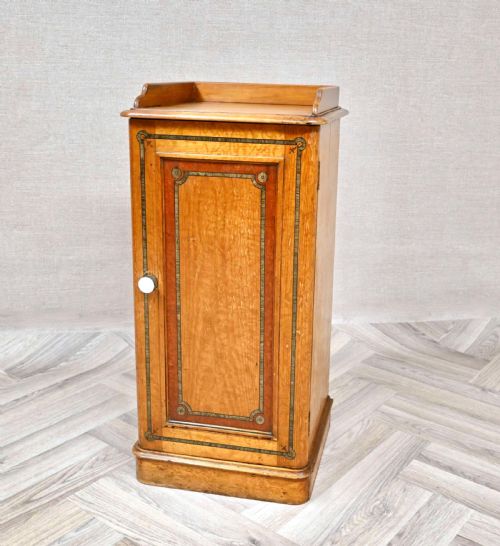
When you search for antique wooden lockers, you encounter a variety of enclosed bedside storage, pedestal cupboards, and nightstands spanning the Georgian, Victorian, and Edwardian eras. The selection frequently includes single pieces and matched pairs executed in robust timbers like oak, mahogany, and ash.
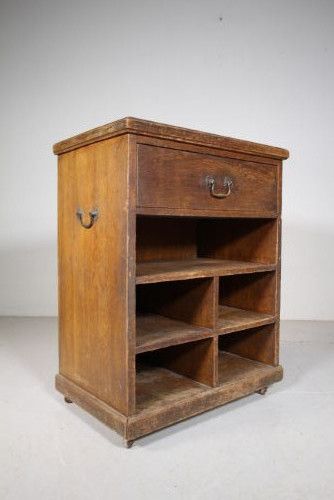
The most common formats on this page are compact bedside cabinets and cupboards from the nineteenth and early twentieth centuries, alongside occasional larger fifteen-door locker configurations in pine and oak. These forms served to keep personal items private and tidy beside a bed or within a chamber.
Originating across England, Wales, and Ireland, these items demonstrate regional timber preferences, from Welsh oak corner cupboards to satinwood pieces finished in London workshops. Each era contributes distinct architectural lines, shifting from heavy Gothic revival panels to cleaner Art Deco geometry.
Timbers and Construction
Cabinetmakers built these pieces using solid hardwoods such as mahogany, oak, and walnut, frequently applying finer veneers of satinwood or burr walnut to primary surfaces. Brass handles, hinges, and occasional campaign mounts provide functional contrast to the rich grain of the wood.
Construction techniques rely on traditional joinery, including dovetailed drawers and panelled doors fitted within solid frames. Waxed finishes protect the timber while highlighting the natural figuring of ash, mahogany, and oak.
Some fifteen-door pine locker cabinets provide enough compartments to organise a small village's worth of night-time reading.
Assessing Craftsmanship
Quality reveals itself in the selection of timber and the precision of the joinery, where finely figured mahogany or burr walnut sits over sturdy secondary woods. Well-made examples exhibit tight dovetails, smooth drawer action, and crisply executed carvings or inlay work.
Attribution to documented makers or workshops elevates a piece, as seen in items bearing stamps or firm attribution. The integrity of the original hardware and the preservation of the polished or waxed surface finish further separate standard production from superior cabinetmaking.
Holland and Sons·Gillows·Heals·Betty Joel
The Antique Wooden Lockers Glossary
- Pedestal cupboard
- A single-door cabinet designed to stand beside a bed, often cylindrical or rectangular in plan. It typically contains a single internal shelf or drawer.
- Satinwood
- A durable, lustrous timber native to India and Ceylon, prized for its pale yellow colour and silky sheen. Makers utilised it extensively for crossbanding and inlay during the late eighteenth and nineteenth centuries.
- Gothic Revival
- An architectural and decorative style drawing on medieval ecclesiastical motifs. Pieces display pointed arches, trefoils, and heavy carved tracery.
- Dovetail
- A joint formed by interlocking wedge-shaped fingers, used primarily in drawer construction. It provides exceptional tensile strength without relying on metal fasteners.
- Campaign furniture
- Portable pieces designed for travel, constructed with recessed brass handles and corner brackets to withstand transit. These items were built for military officers on the move.
Antique Wooden Lockers: Frequently Asked Questions
What is the difference between a bedside table and a bedside cabinet?
Bedside tables generally offer an open surface with legs and sometimes an open shelf or single drawer underneath. Bedside cabinets feature enclosed storage behind a door, designed to keep personal items hidden from view.
Enclosed cabinets dominated earlier periods to conceal chamber pots and personal belongings, whereas open tables became more prevalent in later stylistic revivals.
How do I date an antique wooden locker?
Dating relies on examining timber choices, construction methods, and stylistic cues present in the hardware and mouldings. Georgian pieces tend to show heavy mahogany solids, while Victorian and Edwardian examples incorporate varied veneers and lighter satinwood.
Secondary woods inside drawers also help determine age, as pine and oak usage shifted across the nineteenth century. Maker stamps or retailer marks provide the most precise chronological indicator when present.
Are antique bedside cabinets sold as pairs?
Many bedside cabinets appear as matched pairs, particularly those dating from the Victorian and Edwardian eras. Makers constructed them together to flank larger double beds.
Single cabinets also occur frequently, reflecting earlier bedroom layouts where furniture sets were assembled over time rather than purchased as uniform suites.
How should I care for a waxed wooden cabinet?
Maintain waxed timber surfaces by applying a quality beeswax polish sparingly every few months and buffing with a soft cloth. Avoid placing wooden furniture in direct sunlight or near heat sources to prevent the timber from drying out.
Keep the environment stable in terms of humidity to protect delicate veneers like satinwood and burr walnut from splitting or lifting.