

Antique Wooden Lock
An antique wooden lock secures storage where timber meets metal work, ranging from small seventeenth-century boxes to heavy nineteenth-century chests.
Antique Wooden Lock
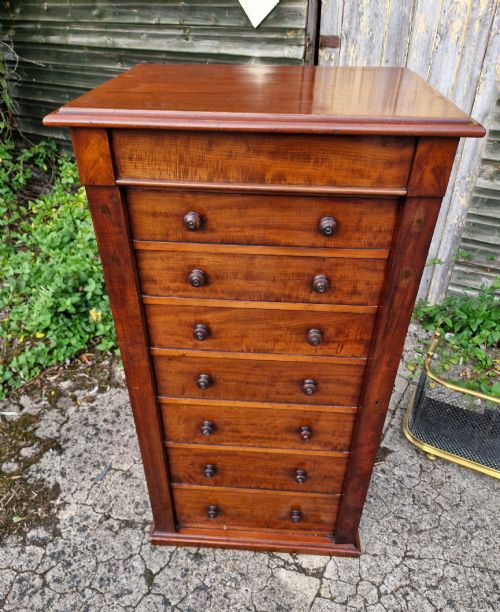
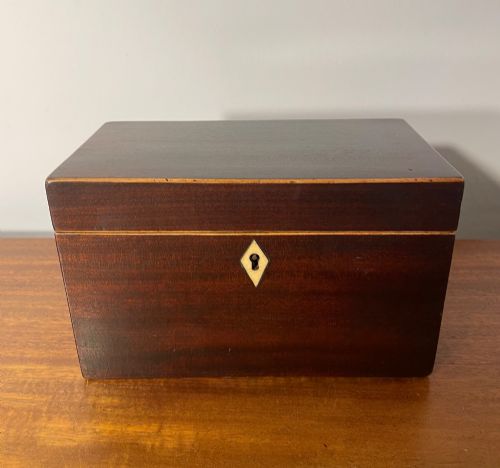
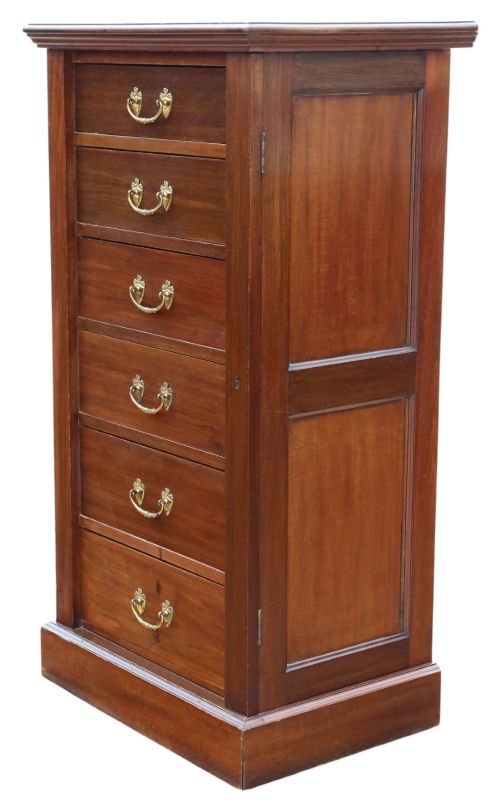
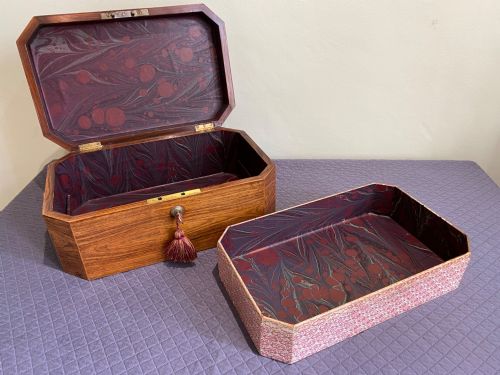
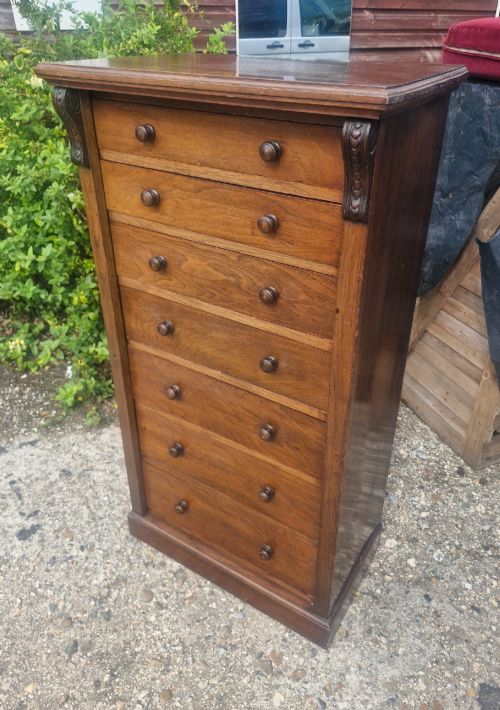
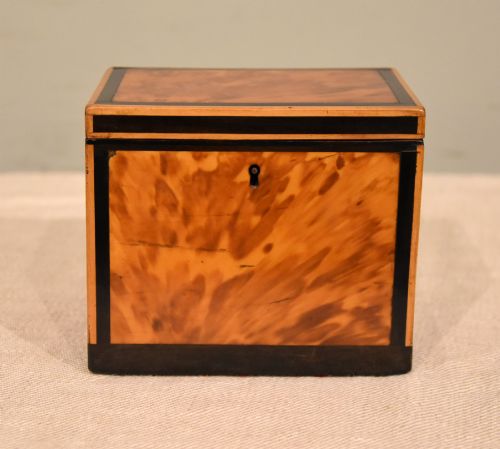
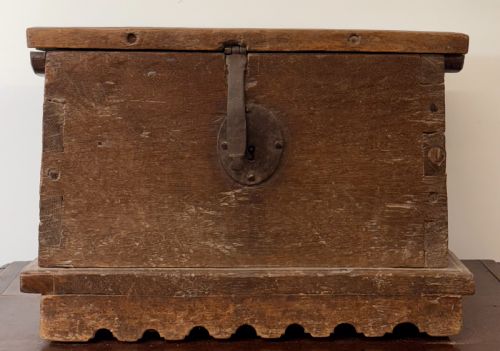
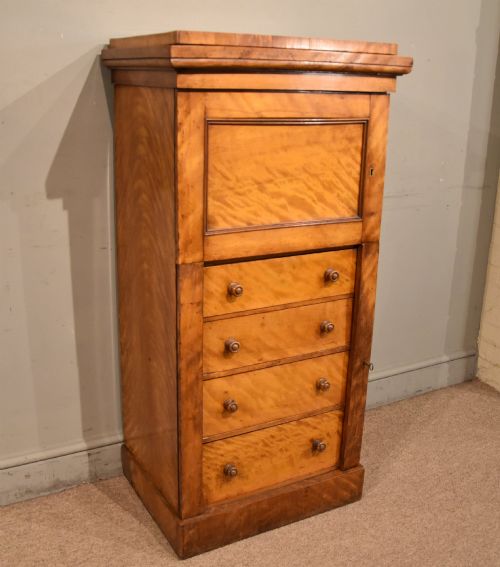
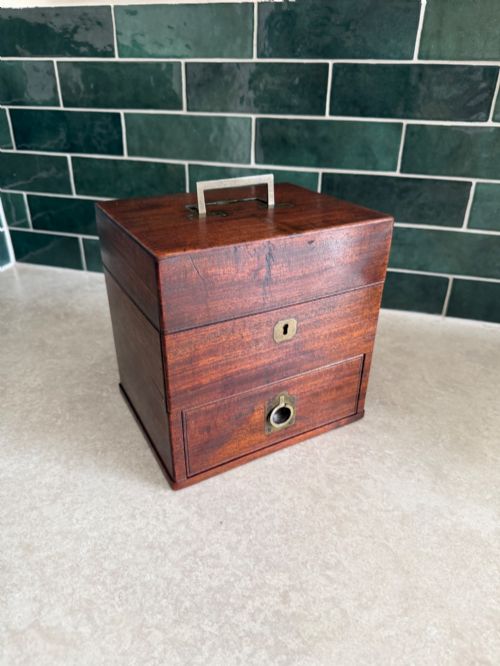
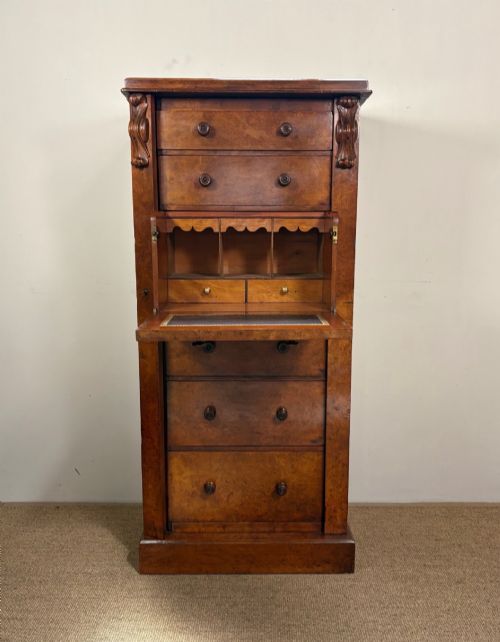
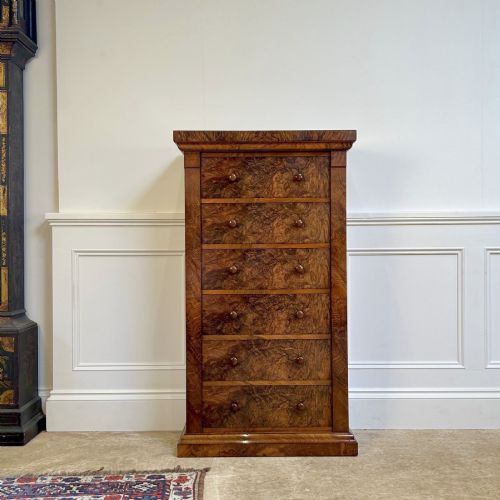
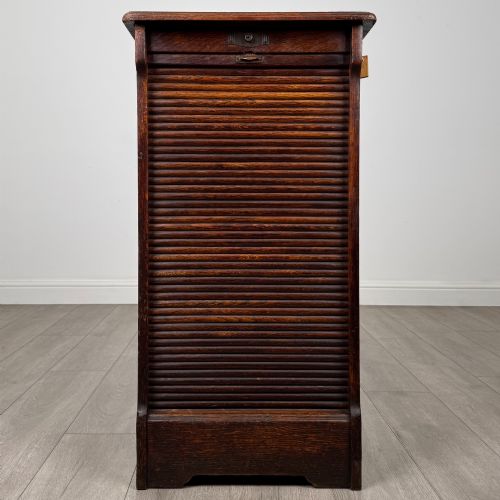
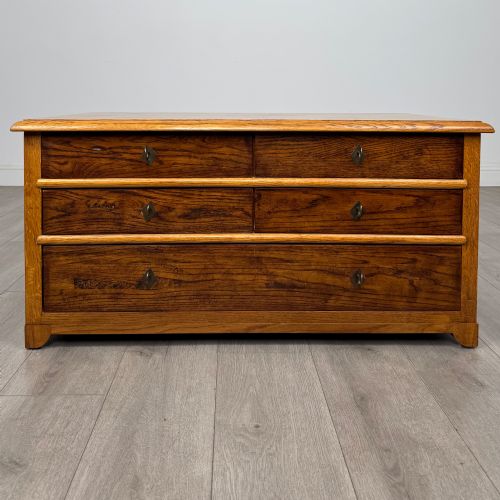
When you search for an antique wooden lock, you encounter protective mechanisms housed within or mounted onto timber receptacles, spanning periods from the seventeenth century to the twentieth century. These pieces encompass utilitarian stock locks fitted to heavy doors, alongside small desk boxes, tea caddies, and Wellington chests incorporating secret locking bars.
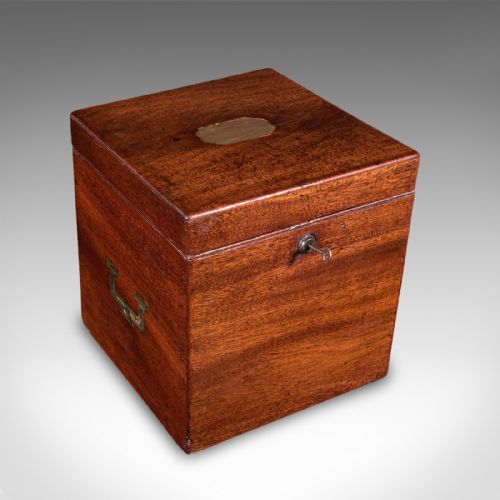
The objects most frequently met on this page are larger coffers, stationary boxes, and Tantali made from oak, mahogany, and walnut, often retaining their original iron or brass mechanisms. Many examples date from the Victorian and Georgian eras, combining structural cabinetry with functional security hardware.
Materials and construction methods
Makers utilised dense native and exotic timbers including oak, walnut, mahogany, and elm to construct the bodies of these boxes and chests, joining panels with dovetails or pegged joints. Oak predominates in earlier seventeenth-century pieces, whilst mahogany and rosewood appear in later Georgian and Victorian furniture.
The locking mechanisms themselves combine forged iron plates, brass straps, and complex steel levers, often secured with hand-cut screws and mounted internally or externally with matching hinges. Blacksmiths shaped the iron mounts for primitive cupboards and dowry chests, while later cabinetmakers integrated brass-mounted lock plates flush into the timber.
The listings on this page span the seventeenth century to the twentieth century, utilising oak, mahogany, walnut, iron, and brass.
Factors influencing quality
Quality depends on the integration between the timber housing and the metal mechanism, where hand-forged steel levers and original keys elevate the piece above later replacements. Finer examples retain working original locks with complex internal wards, whilst lesser pieces often show altered escutcheons or mismatched hardware.
The selection of timber grain, such as burr walnut, blonde tortoiseshell, or figured mahogany, separates standard utility boxes from high-status cabinetwork. Superior execution shows in the precision of the dovetail joints, the weight of the brass mounts, and the preservation of the original finish.
Gillows
The Antique Wooden Lock Glossary
- Wellington chest
- A tall, narrow chest of drawers secured by a hinged locking stile on one side that fastens with a key. This design originated in the nineteenth century.
- Tantalus
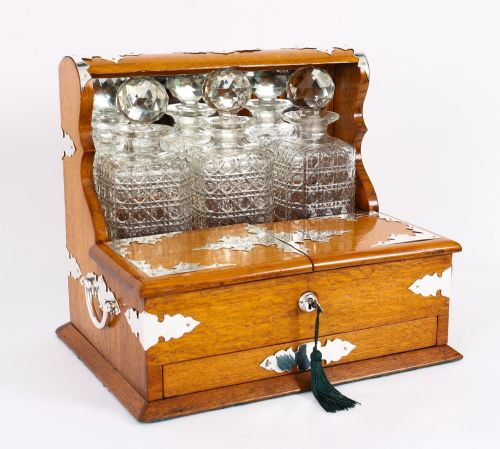
- A locking cabinet holding decanters that prevents access to the contents without a key, typically constructed from oak or mahogany with brass mounts.
- Stock lock
- A heavy mechanical lock enclosed within a wooden casing, usually surface-mounted onto doors or large chests.
- Coffer
- A large wooden chest used for storage, frequently constructed from joined oak planks during the seventeenth century or earlier.
- Escutcheon
- A flat plate of brass or iron surrounding the keyhole to protect the surrounding timber from wear.
Antique Wooden Lock: Frequently Asked Questions
What is a Wellington chest lock?
A Wellington chest lock operates a vertical locking bar on the side of the cabinet, securing all drawers simultaneously when engaged with a key.
This mechanism allowed owners to protect multiple shallow drawers of jewellery or papers using a single point of security.
How do I date an antique wooden box?
Dating relies on timber species, construction joints like hand-cut dovetails, and the style of the metal lock mechanism.
Earlier pieces from the seventeenth century use heavy oak planks and primitive ironwork, while Victorian examples often feature mahogany or walnut with flush brass escutcheons.
Are original keys common?
Original keys are uncommon because many locks were forced open or keys were lost over centuries of use.
Replacement keys are frequently fitted by locksmiths to ensure the internal steel levers still engage with the bolt correctly.
How were wooden locks used?
Wooden locks secured valuable commodities such as tea, documents, spirits, and personal valuables inside portable boxes or stationary furniture.
The timber housing concealed the complex iron or brass levers from view, providing both aesthetic closure and physical security.