


Antique Wooden Lion Head
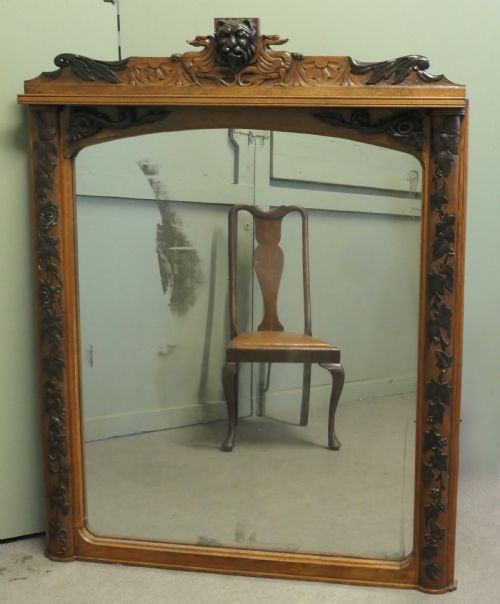
An antique wooden lion head brings sculptural presence to a room, rendered in carved walnut, oak, and pine from the eighteenth and nineteenth centuries.
Antique Wooden Lion Head
An antique wooden lion head appears primarily as a sculptural wall mask, furniture mount, or detailed bookend within Georgian, Victorian, and Black Forest styles.
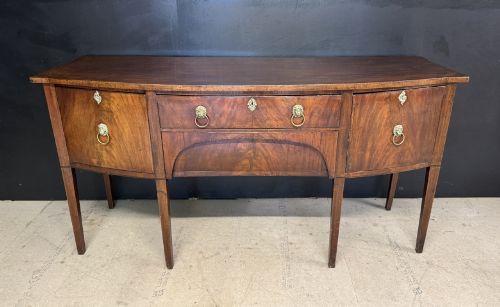
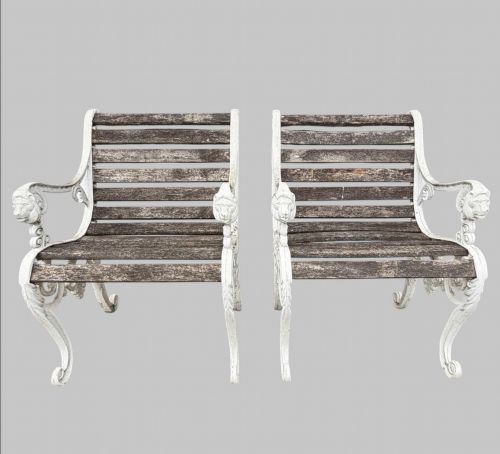
Buyers seeking this phrase encounter wall-mounted carvings alongside larger items where the carved beast forms a decorative focal point.
The materials span sturdy oak, rich walnut, and pale pine, reflecting periods from the eighteenth century through to the interwar period.
Determining quality in carved wooden carvings
The integrity of the timber and the crispness of the chisel work dictate the enduring character of each piece across different centuries.
Listings feature walnut, oak, mahogany, and pine across eighteenth and nineteenth-century periods.
Gillingtons
The Antique Wooden Lion Head Glossary
- Black Forest
- A style of wood carving originating from the Swiss region, known for realistic depictions of animals and natural forms. These pieces often feature deep relief and prominent glass eyes.
- Georgian Revival
- A design movement that revived eighteenth-century motifs during later periods. It employs traditional mahogany and oak timbers.
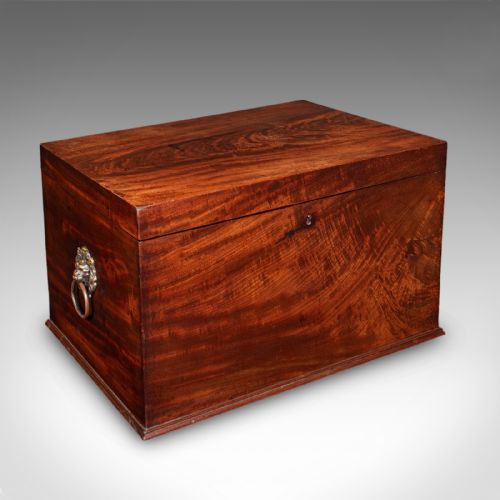
- Cellarette
- A lockable container used for storing wine bottles near the dining table. They frequently incorporate brass mounts and fitted interiors.
- Wall Mask
- A sculptural face mounted directly onto a panel or wall for decorative effect. They are carved in high relief to project outward into the room.
Antique Wooden Lion Head: Frequently Asked Questions
How were antique lion head carvings used?
These carvings served as architectural wall ornaments, decorative furniture accents, or functional objects like bookends and wall masks.
Their presence added a sense of authority and classical styling to domestic interiors during the Georgian and Victorian eras.
How do I date a wooden lion carving?
Dating relies on tool marks, the choice of timber, and the stylistic conventions of periods like the eighteenth century or the Black Forest tradition.
Secondary woods and mounting techniques also provide clues to the approximate age of the piece.
Where should I place a wall mask?
Wall masks suit prominent positions in hallways, libraries, or living rooms where their sculptural depth can be appreciated.
Secure fixings are essential due to the weight of solid hardwood carvings.