

Antique Wooden Head
An antique wooden head brings centuries of carved character into a room, spanning millinery blocks, black forest trophies, and religious fragments.
Antique Wooden Head
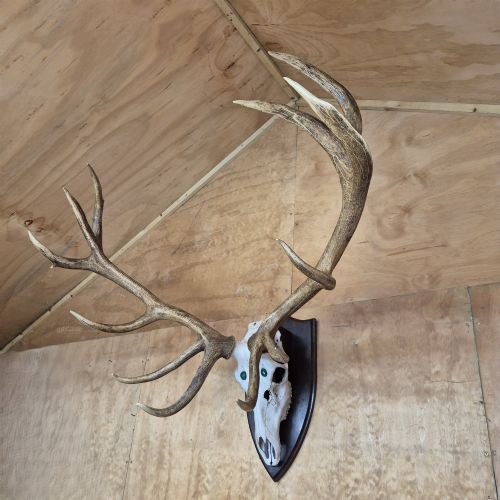
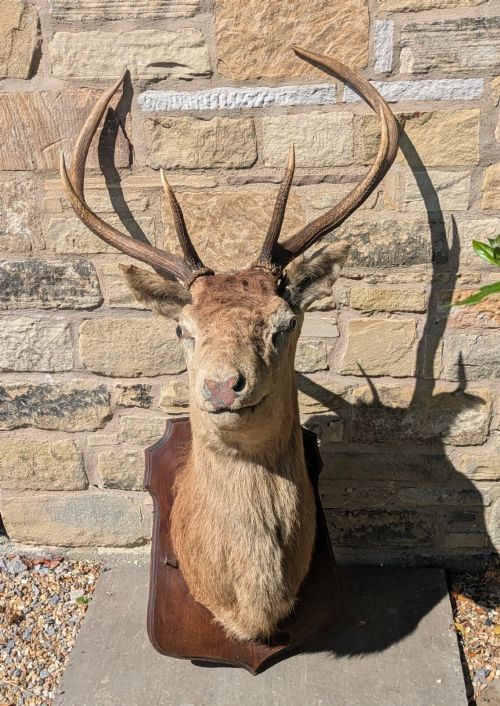
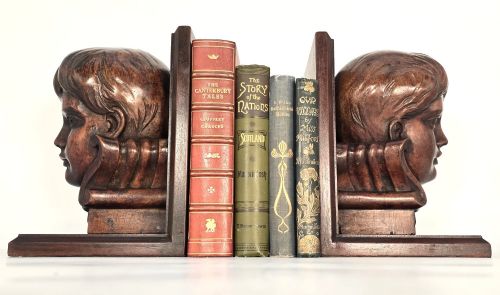
When you search for an antique wooden head, you encounter a surprisingly varied group of objects ranging from functional shop displays to devotional sculptures. The most common forms on this page include carved millinery hat blocks, taxidermy-style animal trophies from the Black Forest, and fragments of human figures.
The materials and origins stretch from eighteenth-century Sicilian olive wood busts to nineteenth-century English wig display stands and folk art pieces. These items serve as both historical records of trades and striking sculptural works for contemporary interiors.
How they were made
The makers of these pieces relied on traditional carving techniques using woods such as walnut, oak, olive, yew, and teak. Hand tools shaped the timber, sometimes finishing the surface with polychrome paint, giltwood, or left as bare carved wood to show the natural grain.
Functional items like hat stretchers and millinery blocks required precise turning and shaping to serve trade purposes, while sculptural busts and animal heads demanded artistic skill in rendering anatomical details and expression.
Listings feature wood, bone, brass, glass, and polychrome materials across Victorian, Regency, and Folk Art styles.
What varies in quality
The integration of material and form also dictates the distinction, where dense hardwoods show crisper detail that survives decades of handling or display.
George Henry Paulin RBS
The Antique Wooden Head Glossary
- Millinery head
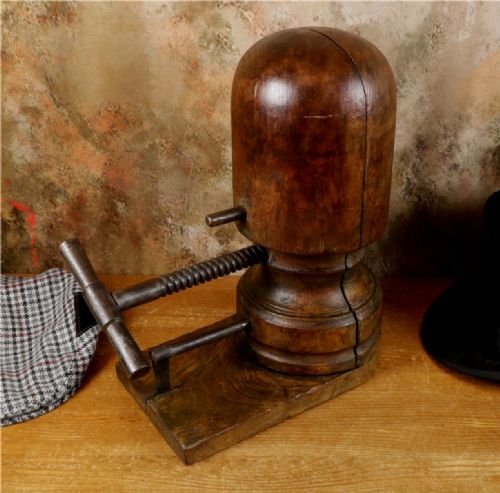
- A wooden block used for shaping and displaying hats or wigs in nineteenth-century shops. These functional objects double as striking minimalist sculpture.
- Black Forest style
- Carved wooden items originating from central Europe, particularly known for realistic animal heads and foliage. They often feature glass eyes and deep relief work.
- Polychrome
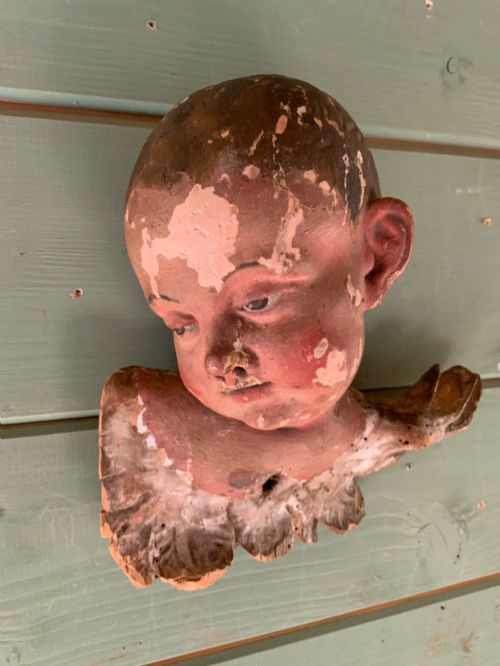
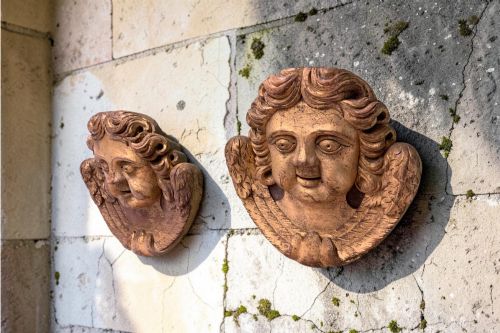
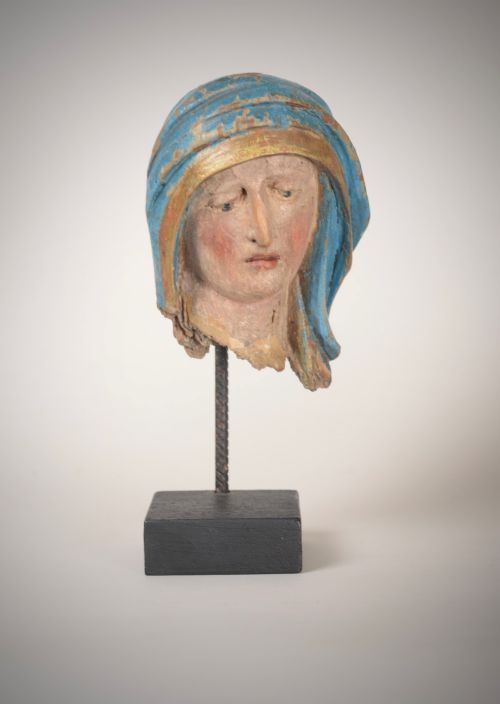
- Painted in several colours, commonly found on eighteenth-century religious figures and putti. This surface treatment adds rich visual depth to carved timber.
- Folk art
- Utilitarian or decorative objects created by self-taught makers using traditional methods. These pieces emphasise expressive character over academic precision.
Antique Wooden Head: Frequently Asked Questions
What were wooden millinery heads used for?
Millinery heads served as structural blocks in hat shops for shaping and storing hats and wigs.
Today, collectors prize them for their sculptural form and association with nineteenth-century retail history.
How do I identify Black Forest carvings?
Black Forest carvings typically depict animals or nature scenes executed in rich walnut or lime wood.
They often include realistic details such as glass eyes and deep undercut foliage.
Are polychrome wooden heads older?
Polychrome finishes frequently appear on eighteenth-century religious sculptures and putti.
Paint layers require careful handling to preserve the original pigment and historic surface patination.
Where should I display an antique wooden head?
These pieces suit mantelpieces, bookshelves, or side tables where their sculptural qualities can be viewed closely.
Keep them away from direct heat sources to prevent the timber from splitting.