






Antique Wooden Glazed Dresser
An antique wooden glazed dresser brings warmth and practical display space to a room, uniting timber character with glass-fronted storage.
Antique Wooden Glazed Dresser
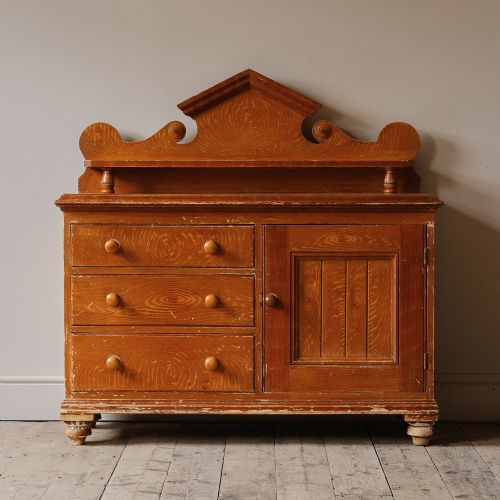
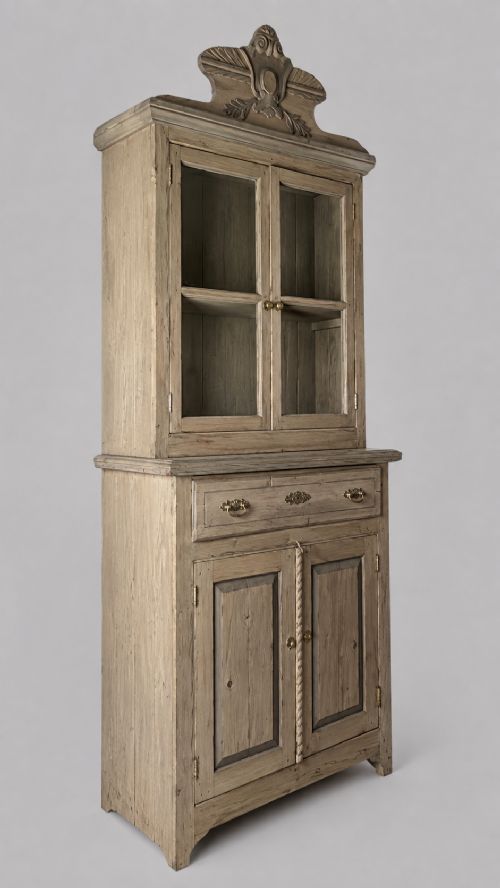
When you search for an antique wooden glazed dresser, you encounter pieces designed to store and display household possessions. These items combine timber construction with glazed doors or upper cabinets, bridging the gap between practical storage and visible display.
The selections span from robust kitchen furniture to refined library bookcases and sideboards. You find regional variations originating from English, French, and Dutch workshops, utilising timbers suited to domestic interiors.
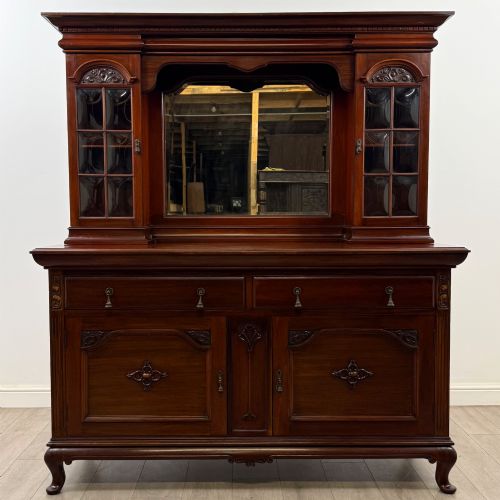
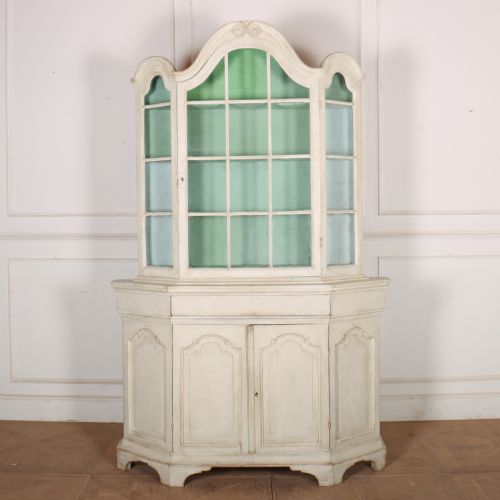
Most examples hail from the Victorian and Edwardian eras, alongside earlier 18th century pieces and later 1930s utilitarian items. Forms range from two-part library bookcases to country kitchen dressers and painted vitrines.
How these pieces were made
Makers utilised solid timbers including oak, pine, mahogany, and rosewood, often pairing denser hardwoods for main structures with softer woods for internal framing. Surfaces were finished through polishing, painting, or scumbling to achieve distinct regional appearances.
Glazing techniques secured glass panes within timber framing for upper cabinet doors, while brass hardware served for hinges, handles, and locks. Construction methods relied on traditional joinery to support heavy timber shelving and glass fronts.
Antique Wooden Glazed Dresser Retail Price Guide 2026
Typical asking prices for wooden glazed dresser among the pieces listed under this phrase on Sellingantiques today, from the lower quarter to the upper quarter. They describe what is for sale here now, not the wider market.
School art departments and provincial kitchens contributed sturdy pine and scumbled cupboards alongside refined parlour bookcases.
What varies in quality
Quality separates through the selection of timber and the precision of the joinery. Fine pieces employ dense hardwoods like mahogany and figured oak, showing careful grain matching and sturdy structural assembly.
Decorative details also distinguish the range, from simple painted country finishes to carved Renaissance revival ornamentation and inlaid woodwork. The integration of original glass panes and substantial brass fittings elevates the standard of construction.
Howard and Sons
The Antique Wooden Glazed Dresser Glossary
- Vitrine
- A glass-fronted cabinet or display case designed to showcase porcelain, books, or ornaments. These pieces typically feature full-length or upper glazed doors.
- Scumble
- A decorative painting technique involving a translucent top layer dragged over a base coat to imitate finer grain patterns. It appears frequently on country pine furniture.
- Library Bookcase
- A tall storage piece with open or glazed shelving built for housing heavy volumes. They often incorporate lower cupboards or drawer sections.
- Sideboard
- A dining room or parlour cabinet used for storing tableware and serving food. Edwardian and Victorian examples frequently include mirror backs or raised superstructure shelves.
Antique Wooden Glazed Dresser: Frequently Asked Questions
How do I care for an antique glazed dresser?
Keep timber furniture away from direct heat sources and sudden humidity shifts to prevent wood from warping or cracking. Dust surfaces regularly with a dry cloth and occasionally feed the wood with a suitable wax.
Clean the glass panes carefully using a mild glass cleaner applied to a cloth rather than sprayed directly onto the surface. This avoids moisture seeping into older timber frames or historic finishes.
Where were these dressers typically used?
Kitchen dressers and painted cupboards served primarily in domestic cooking and dining spaces for storing tableware and provisions. Library bookcases and vitrines belonged in parlours, studies, and formal reception rooms.
Sideboards functioned principally in dining rooms to hold cutlery, linen, and serving dishes. Their upper surfaces provided a convenient station during meals.
Are painted finishes original on these dressers?
Many country pieces and provincial cabinets feature painted or scumbled surfaces applied during the 19th century. These finishes were common in regional workshops to protect and decorate softer pine timbers.
Evaluating the wear and patina helps determine the age of the paint layer. Original decorative schemes show natural softening and wear consistent with the period of manufacture.