


Antique Wooden Frieze
An antique wooden frieze brings architectural character to a room, offering carved detail and historical presence that flat modern walls simply lack.
Antique Wooden Frieze
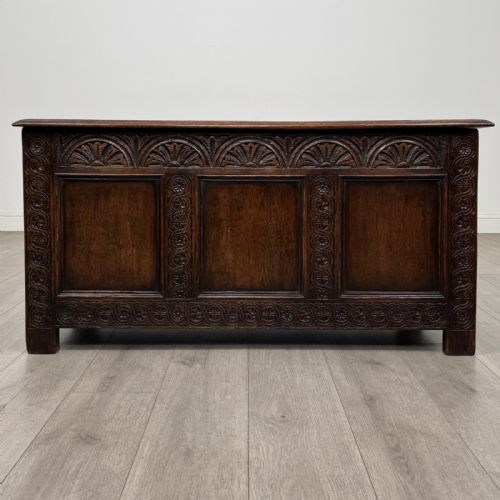
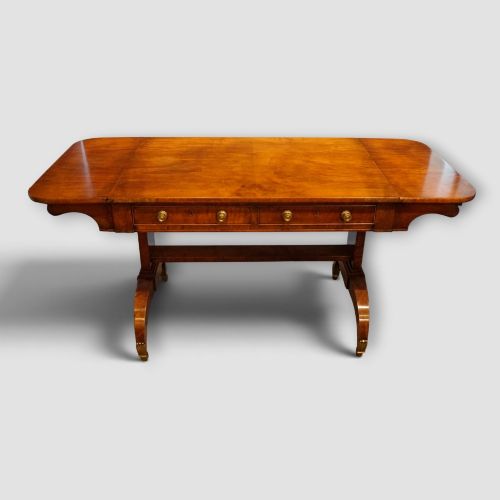
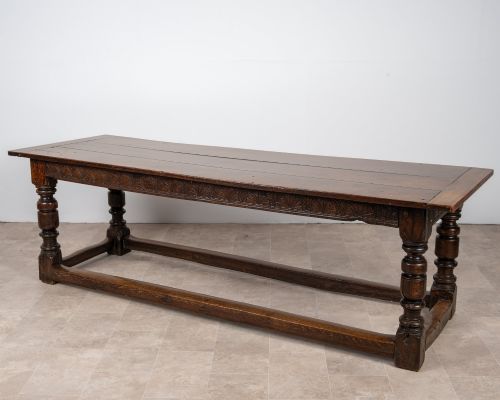
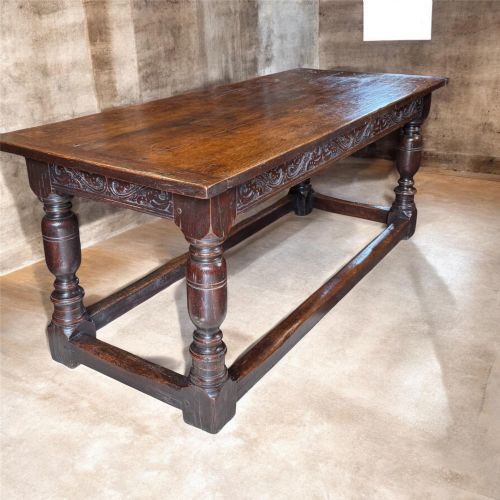
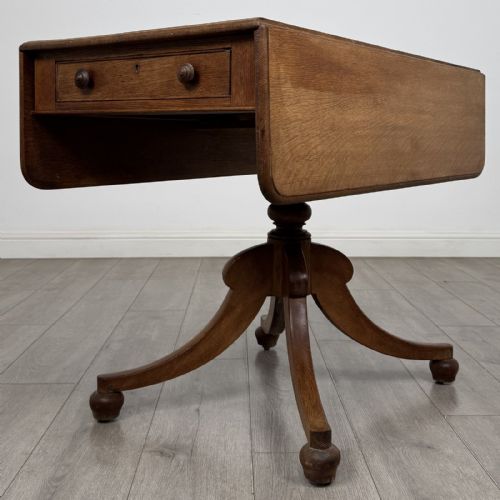
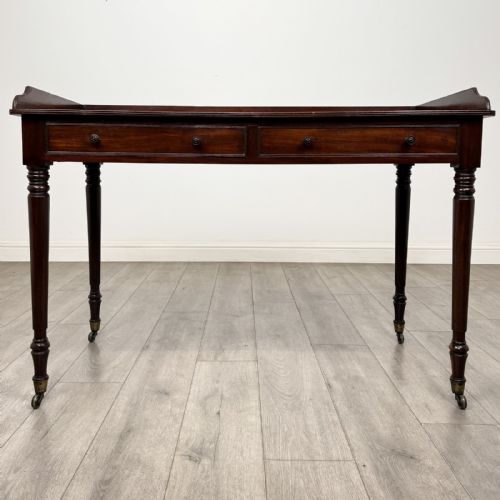
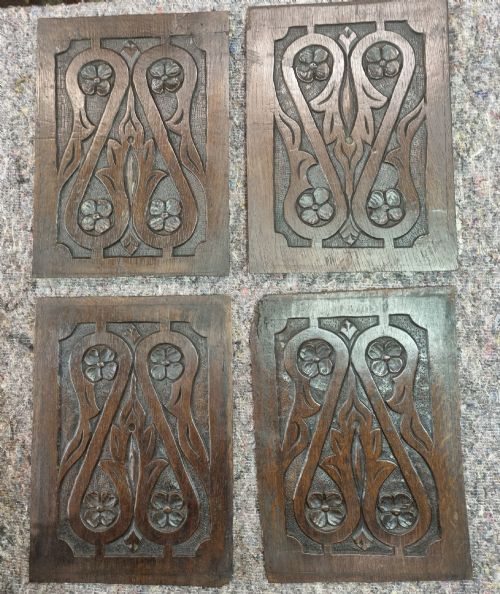
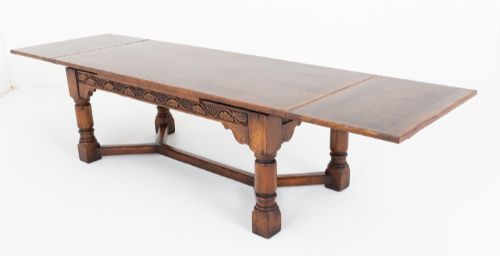
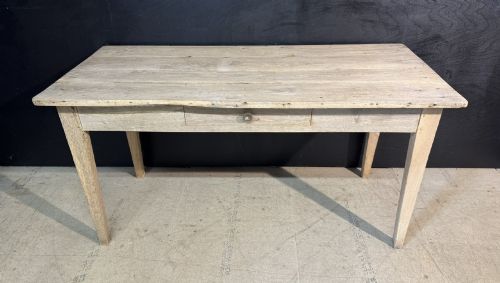
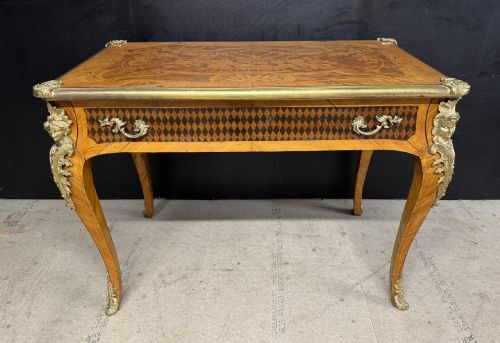
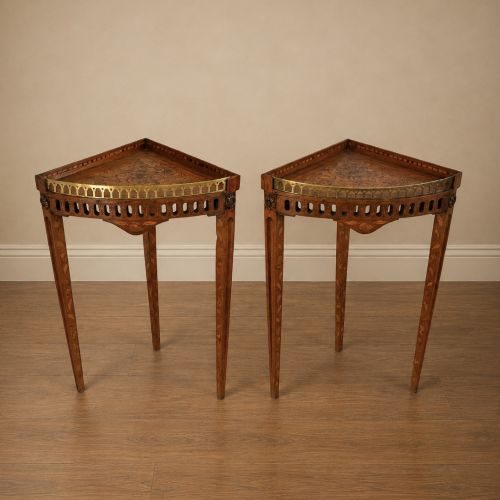
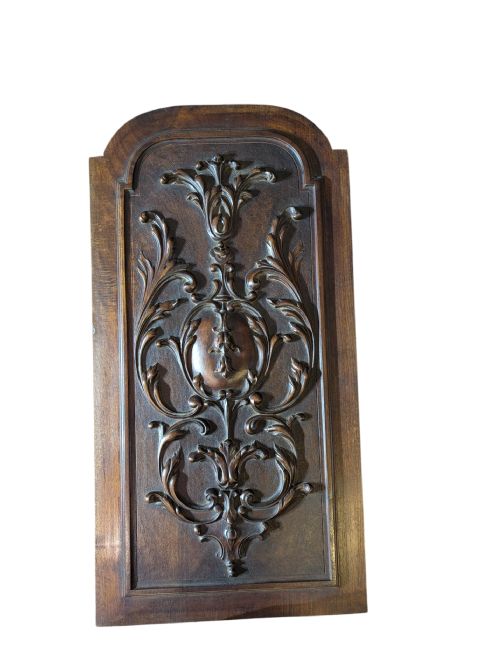
When you search for an antique wooden frieze, you encounter architectural panels, overmantles, and tables featuring decorated horizontal bands. The listings on this page demonstrate that these decorative elements frequently appear integrated into furniture items such as side tables and desks, or as standalone panels spanning the 17th, 18th, and 19th centuries.
The material palette is dominated by oak, walnut, and mahogany, reflecting the periods in which these pieces were made. Many examples display the robust carving characteristic of the 17th century and its later revivals, while others show the refined inlay work associated with the Georgian era and the year 1900.
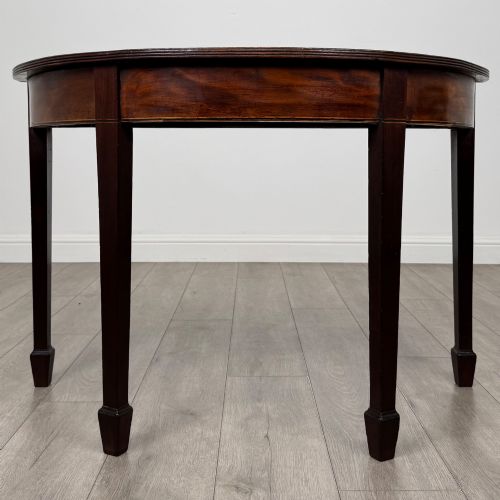
Buyers will find that an antique wooden frieze serves both decorative and structural purposes within historic interiors. Whether encountered as an overdoor panel or incorporated into a reeded table frieze, these elements provide a tangible connection to historical woodworking traditions.
Materials and construction methods
Makers relied primarily on native timbers such as oak, walnut, and mahogany, shaping them with hand tools to achieve deep relief carving and smooth horizontal planes. These woods provided the structural stability necessary for architectural panels and furniture friezes to survive centuries of use.
Techniques ranged from chip carving and hand gouging on 17th-century oak coffers and overmantles to delicate marquetry inlay on later satinwood and mahogany surfaces. Joinery methods matched the demands of the period, utilising pegged mortise and tenon joints for heavier oak elements.
Antique Wooden Frieze Retail Price Guide 2026
Typical asking prices for wooden frieze among the pieces listed under this phrase on Sellingantiques today, from the lower quarter to the upper quarter. They describe what is for sale here now, not the wider market.
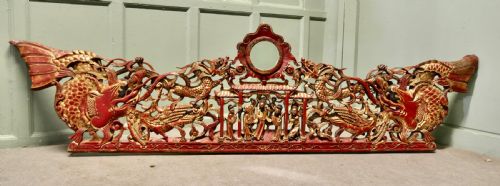
Some wooden panels managed to survive centuries of interior redesign by hiding quietly on English fairground rides.
Factors that distinguish the best examples
The distinction between standard examples and superior pieces rests on the crispness of the carving and the depth of the relief work. Skilled execution by accomplished hands produces sharp undercutting and fluid lines that hold the eye, whereas lesser work appears flat and mechanical.
Integration and material selection also govern quality. Pieces where the frieze decoration flows naturally with the overall form of the panel or table demonstrate a higher level of design coherence than those where ornamentation feels applied as an afterthought.
Edward Pearce·Maurice Adams·Ercol
The Antique Wooden Frieze Glossary
- Frieze
- The wide central section part of an entablature between the architrave and the cornice, or any similar decorated horizontal band on furniture.
- Marquetry
- Decorative veneer applied to furniture in patterns using different woods, metals, or shells.
- Refectory
- A large dining table traditionally used in monasteries or grand halls, typically constructed from solid oak with stretcher supports.
- Overmantle
- A decorative panel, mirror, or painting placed directly above a fireplace mantelpiece.
- Coffer
- A large wooden chest used for storage, frequently featuring heavily carved panels on the front elevation.
Antique Wooden Frieze: Frequently Asked Questions
What is an antique wooden frieze?
An antique wooden frieze is a decorative horizontal band of timber, typically carved or inlaid, found on architectural elements, panels, and furniture.
These pieces range from 17th-century overmantles to 19th-century table rails, bringing historical texture to interiors.
How were wooden friezes used?
Historic friezes adorned the upper sections of walls, architectural woodwork, fireplace overmantles, and the structural rails of tables and desks.
They served to break up flat expanses and showcase the carver's skill within grand rooms.
How do I style an antique frieze panel?
Standalone panels and overmantles mount directly onto walls as focal points, while friezes integrated into tables require minimal styling.
Allowing the aged timber grain to contrast against plain walls lets the historical carving speak for itself.
How can I tell the period of oak panels?
Early 17th-century panels display deep, hand-gouged relief carving in dark, dense oak with visible tool marks.
Later 19th-century revival pieces often feature lighter timber and machine-assisted precision in their execution.