





Antique Wooden Folios
Antique wooden folios are architectural and desk-top pieces designed for holding large papers, prints, and drawings.
Antique Wooden Folios
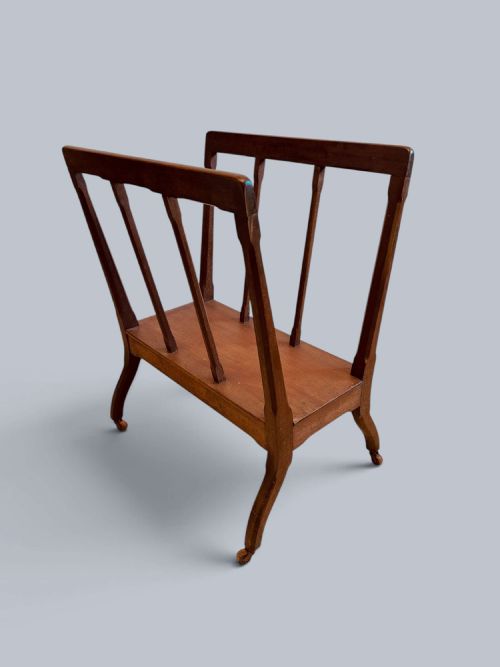
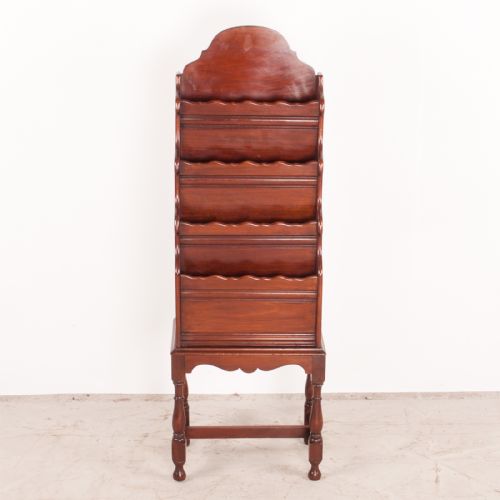
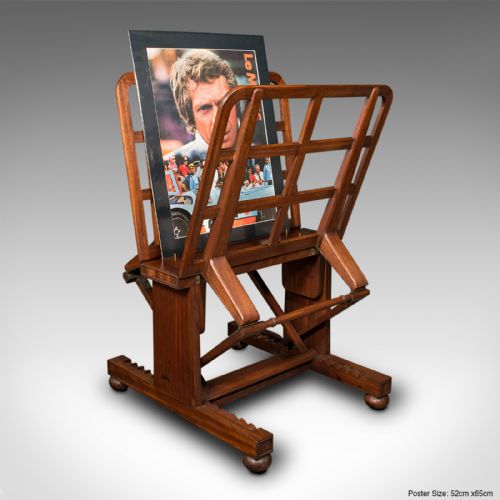
When you search for antique wooden folios, you encounter a specialised form of furniture designed to store and display loose prints, watercolours, and architectural plans. These pieces range from substantial floor-standing racks used in country houses to smaller tabletop and cabinet formats.
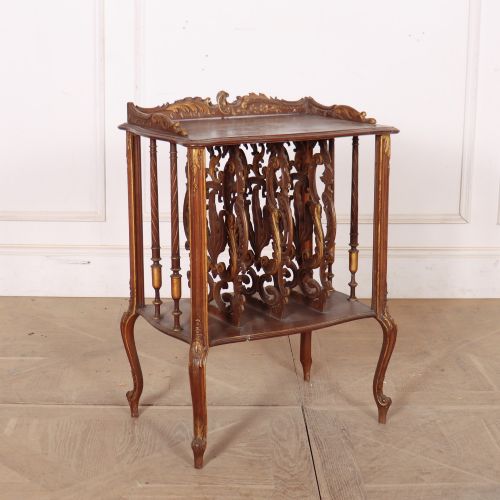
The selections available here draw heavily from the Regency and Georgian periods, alongside later Victorian and Edwardian interpretations. You will frequently find folio stands, cabinets, canterburys, and magazine racks built for this specific purpose.
Many examples combine storage utility with display surfaces, functioning as picture racks or adjustable stands. Their origins span English cabinet-making traditions as well as continental revival styles.
Materials and construction methods
Cabinet-makers relied primarily on dense hardwoods such as mahogany, rosewood, walnut, and oak to provide the necessary stability for heavy paper collections. These timbers were selected for their grain and structural strength.
Fine brass hardware, including castors, hinges, and adjustable mechanisms, frequently supports the wooden framework of Regency and Victorian examples. Inlaid satinwood and gilt details appear on specific revival and cabinet pieces.
Antique Wooden Folios Retail Price Guide 2026
Typical asking prices for wooden folios among the pieces listed under this phrase on Sellingantiques today, from the lower quarter to the upper quarter. They describe what is for sale here now, not the wider market.
The listings span the Georgian, Regency, Victorian, and Edwardian periods, utilising mahogany, rosewood, walnut, and oak.
Assessing quality in construction
The distinction between standard utility items and superior examples lies in the precision of the timber selection and the refinement of the joinery. Finer pieces exhibit carefully matched wood grains and substantial proportions suited to large country houses.
Mechanical elements such as adjustable ratchets, brass hinges, and operational castors demonstrate the standard of craftsmanship. Original fittings and solid secondary woods elevate the integrity of the piece.
Whytock and Reid of Edinburgh·H Alden and Co
The Antique Wooden Folios Glossary
- Folio stand
- A piece of furniture with sloping sides or troughs specifically designed to hold large sheets of paper, prints, or maps.
- Canterbury
- A low wooden stand with partitions, originally intended for sheet music or folios, often fitted with castors.
- Regency
- A British design period spanning the early 19th century, known for classical restraint and fine mahogany or rosewood execution.
- Satinwood
- A durable, yellowish timber from tropical trees used for decorative veneers and fine inlay work on cabinet furniture.
Antique Wooden Folios: Frequently Asked Questions
What were antique wooden folios used for?
These pieces served as functional storage systems for artists, architects, and collectors who needed to organise large collections of prints, drawings, and maps.
They allowed oversized paper goods to lie flat or rest securely without sustaining damage from rolling or folding.
How do I identify a Regency folio stand?
Regency stands typically feature rich mahogany or rosewood timbers combined with classical lines, turned supports, and brass castors.
They often incorporate adjustable mechanisms and substantial country house proportions suited to heavy portfolios.
Where should I place a folio stand at home?
These stands fit well in studies, libraries, or drawing rooms where they can function as both decorative furniture and practical storage.
Position them away from direct sunlight and moisture to protect the timber and any displayed artwork.