


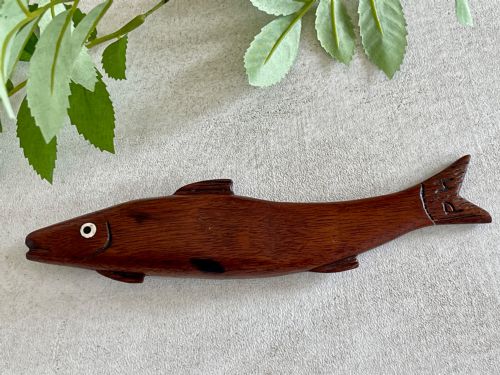


Antique Wooden Fish
These antique wooden fish sculptures, carvings, and functional objects span the nineteenth and early twentieth centuries, bringing nautical and folk art charm to any collection.
Antique Wooden Fish
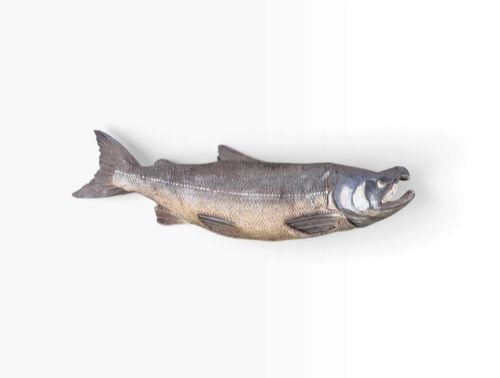
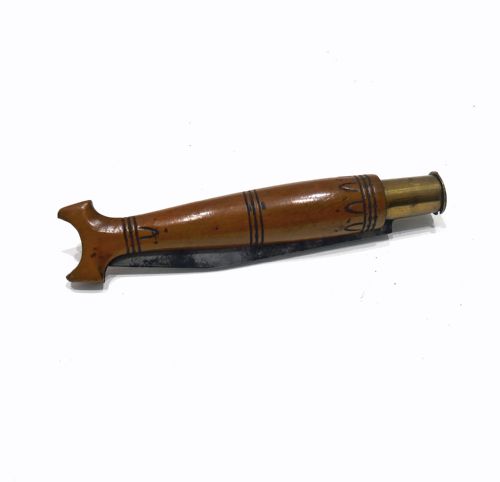
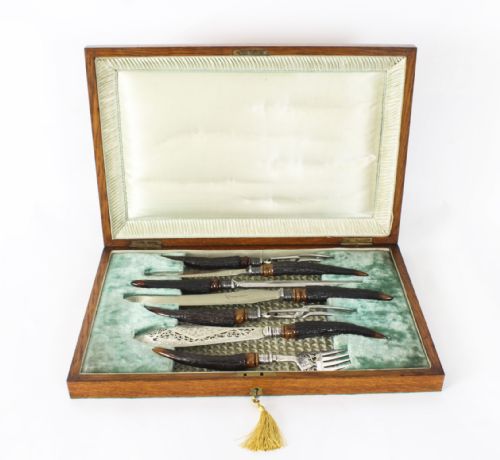
When you search for antique wooden fish, you uncover a diverse array of items ranging from utilitarian treen to decorative folk carvings and architectural trade signs. The selection includes nineteenth century fruitwood pocket knives, carved linden wood figures, marquetry panels, and knitting sheaths shaped like aquatic creatures.
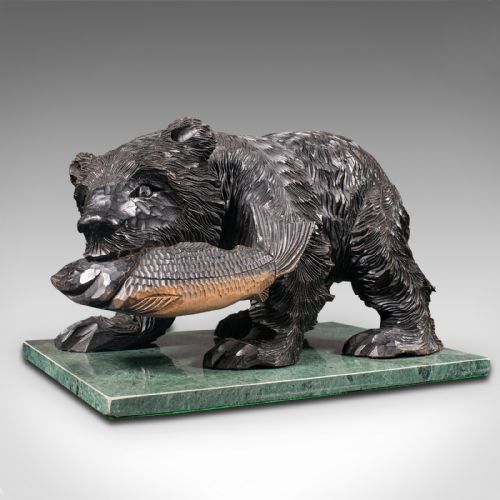
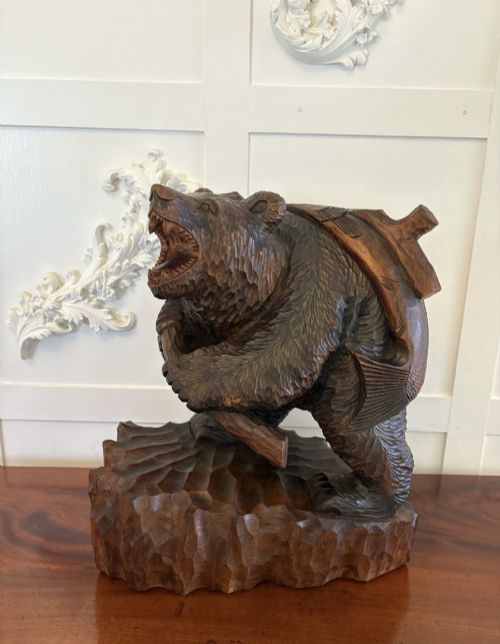
Many of these pieces originate from British and European vernacular traditions, alongside Japanese woodcarvings and folk art objects produced around nineteen hundred and the nineteen-twenties. Buyers encounter everything from small desk accessories and note holders to large carved pine shop signs and flying fish.
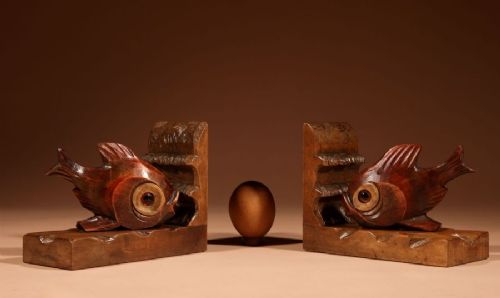
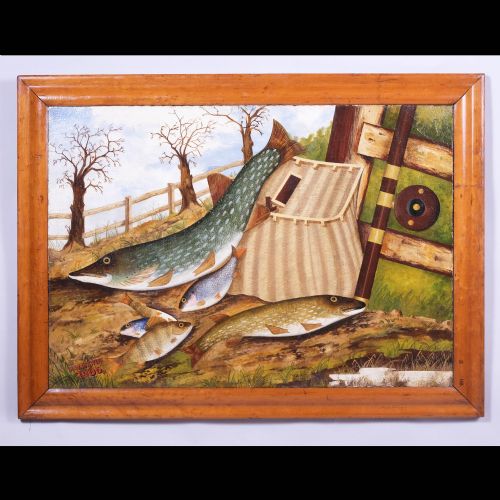
Domestic items such as fish-shaped knitting sheaths and fruitwood penknives sit alongside decorative items like Black Forest goldfish bookends and marquetry panels depicting leaping salmon. This variety reflects both everyday rural utility and the Victorian and Edwardian appetite for animal carving.
How They Were Made
Maker's workshops relied heavily on native hardwoods such as oak, fruitwood, pine, and linden wood, which provided the dense yet workable grain required for intricate animal carving. Craftsmen utilised hand gouges, chisels, and carving knives to shape the timber before applying surface treatments such as paint, wax, or varnish.
Detailing often combined simple incised lines for scales with inlaid brass or glass elements to render eyes and fittings on utilitarian objects like pocket knives and knitting sheaths. Larger decorative forms, including trade signs and relief marquetry panels, required precise joinery and timber selection to prevent warping over time.
Antique Wooden Fish Retail Price Guide 2026
Typical asking prices for wooden fish among the pieces listed under this phrase on Sellingantiques today, from the lower quarter to the upper quarter. They describe what is for sale here now, not the wider market.
Listings feature items carved from linden wood, fruitwood, pine, and oak, alongside marquetry panels and brass-inlaid accessories.
What Varies In Quality
Quality rests upon the crispness of the hand-carved detail and the naturalistic proportion given to the body, fins, and tail of the fish. Superior examples exhibit fluid movement and confident tool marks rather than stiff or generic shaping.
The integrity of the timber surface and the preservation of original paint, polish, or patination dictate the desirability of an object. Pieces retaining their honest, untouched appearance outshine those over-cleaned or heavily restored.
Guido Cacciapuoti
The Antique Wooden Fish Glossary
- Treen
- Small handmade wooden items for domestic or personal use. These objects range from kitchen utensils to knitting accessories carved by hand.
- Fruitwood
- Dense timber harvested from fruit-bearing trees such as pear, apple, or cherry. It provides a tight, fine grain favoured for detailed carving and small treen.
- Black Forest
- A nineteenth century Swiss and German woodcarving style centred around Brienz. This tradition produced highly naturalistic animal figures, bears, and bookends.
- Knitting sheath
- A small carved wooden holder tucked into a belt or apron to steady a knitting needle. They often took whimsical animal forms, including fish.
- Marquetry
- The art of applying thin pieces of wood veneer to a structure to form decorative patterns or pictorial scenes. Craftsmen used contrasting timbers to depict natural subjects.
Antique Wooden Fish: Frequently Asked Questions
What is an antique wooden fish?
An antique wooden fish refers to hand-carved sculptures, trade signs, marquetry panels, and utilitarian items shaped like fish from the nineteenth and early twentieth centuries. These objects combine practical function with folk art craftsmanship.
Craftsmen across Europe and Japan produced these pieces from native timbers like oak, linden wood, and fruitwood. They served as everyday tools, shop displays, and decorative ornaments.
How were wooden fish used historically?
Historical wooden fish served both decorative and practical roles in domestic and commercial settings. Some items functioned as knitting sheaths or pocket knife handles, while others acted as trade signs for fishmongers.
Decorative carvings, bookends, and marquetry panels were displayed in homes to reflect a fascination with marine life and natural history. They formed part of the broader Victorian and Edwardian interest in animal and folk art.
How do I date an antique wooden fish?
Dating relies on examining the tool marks, timber selection, surface patination, and style associated with specific periods like the Victorian era, Edwardian period, or the nineteen-twenties. Hand-wrought details and traditional joining methods help establish age.
Comparing the carving style to documented folk art traditions and dated examples helps narrow down the decade of manufacture. Wear patterns also offer clues regarding the object's age and handling history.
Where should I display antique wooden fish?
These pieces suit placement on bookshelves, desks, or walls depending on whether you own a flat carving, a sign, or free-standing bookends. They complement rustic, traditional, and eclectic interiors.
Keep wooden items away from direct heat sources and strong sunlight to prevent the timber from drying out or splitting. Stable indoor humidity preserves the original surface finish and patination.