





Antique Wooden Doll
An antique wooden doll brings tangible history to a room, offering tactile warmth and quiet character that mass-produced objects lack entirely.
Antique Wooden Doll
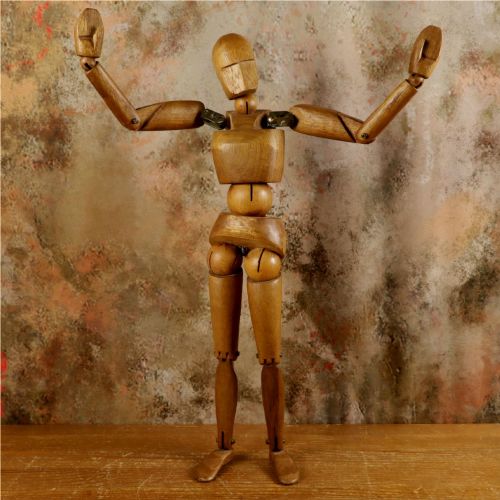
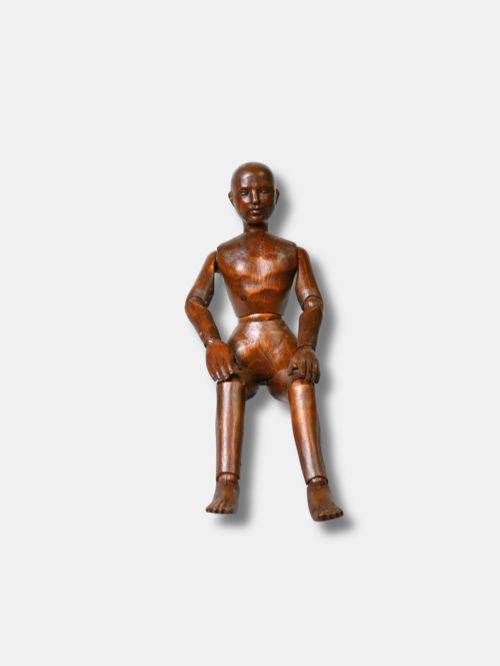
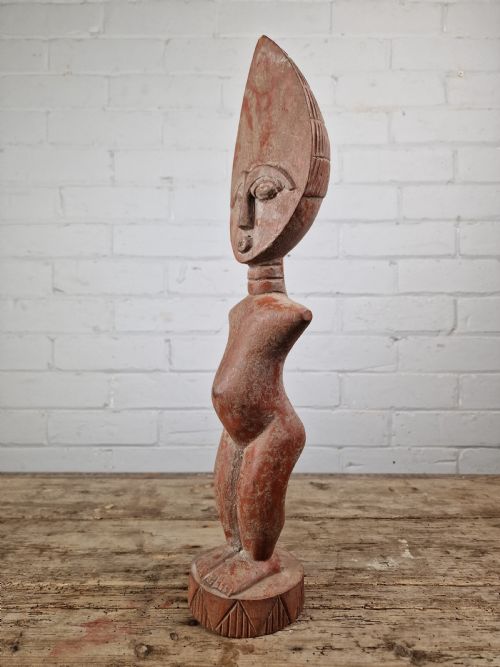
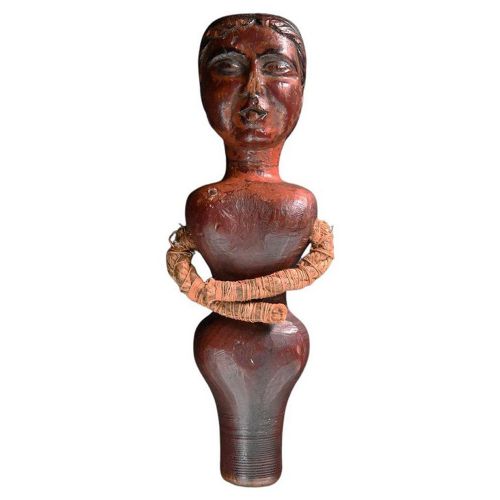
When you search for an antique wooden doll, you encounter a surprisingly broad array of objects ranging from folk art figures and articulated artist lay figures to miniature furniture and marionettes. These pieces bridge the gap between childhood playthings, devotional art, and studio tools utilised by artists for sketching the human form.
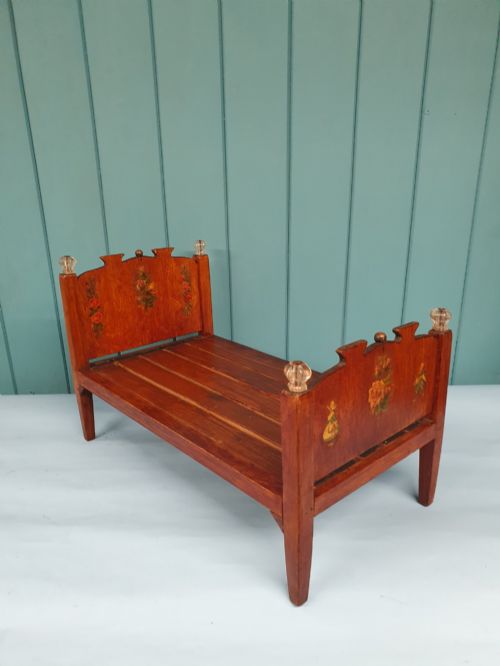
The selections span distinct cultural origins and eras, covering English, French, Italian, and Middle Eastern examples from the Georgian period through the Victorian and Edwardian eras up to the early twentieth century. You are likely to meet articulated mannequins, peg-jointed types, processional figures, and mechanical jigger toys alongside miniature beds and rocking chairs intended for display or play.
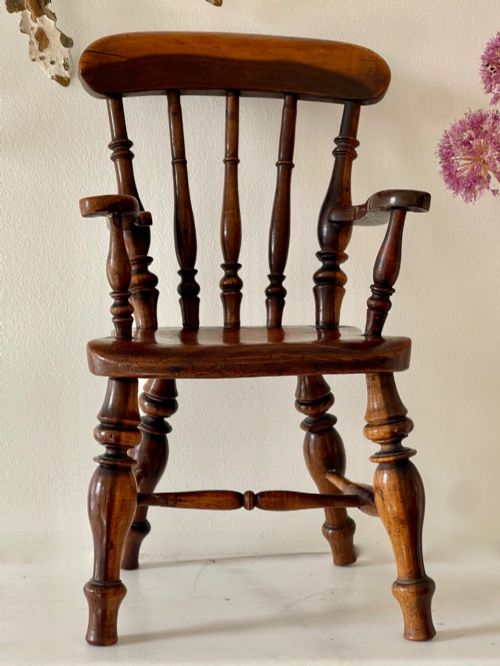
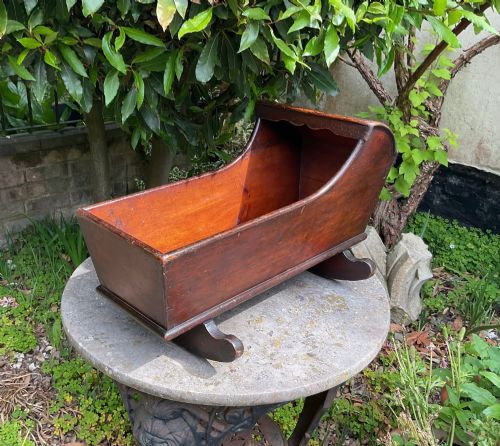
Many items grouped under this search comprise accessories and furniture associated with doll-keeping, such as pine cribs, oak joint stools, and Windsor chairs. These smaller objects share the same material integrity and period craftsmanship as the figures themselves, making them integral to collecting in this field.
What varies in quality
Quality rests in the precision of the carving and the complexity of the articulation, where fully mobile joints on an artist lay figure demand greater skill than a simple solid-carved folk art toy. The preservation of the original painted surface also dictates value, with untouched pigment carrying more visual and historical weight than modern overpainting.
Proportion and expression separate standard workshop output from exceptional pieces, particularly in devotional figures and human mannequins where anatomical accuracy conveys presence. The integrity of the timber, the subtlety of the tool marks, and the survival of matching components like original miniature beds contribute significantly to the standing of an individual piece.
Antique Wooden Doll Retail Price Guide 2026
Typical asking prices for wooden doll among the pieces listed under this phrase on Sellingantiques today, from the lower quarter to the upper quarter. They describe what is for sale here now, not the wider market.
The listings show items spanning the Georgian, Victorian, and Edwardian periods, constructed from woods like pine, elm, and oak, alongside painted gesso finishes.
The Antique Wooden Doll Glossary
- Artist Lay Figure
- A wooden mannequin with articulated joints used by painters and sculptors to study drapery and the human form. These figures range from miniature tabletop models to life-size studio examples.
- Jigger Doll
- A mechanical folk art toy designed to dance or jig on a board when tapped by hand. They often depict figures in period attire such as top hats and tails.
- Santos Figure
- A carved wooden devotional figure representing a saint or religious personage, originating from European processional traditions. They frequently display remnants of gesso and polychrome paint.
- Grodnertal
- A regional style of traditional wooden peg doll produced in the Val Gardena area of the Alps. These pieces typically feature simple turned wooden bodies with painted details.
- Peg Jointed
- A method of construction where limbs are attached using small wooden pegs or dowels to permit movement. This technique appears frequently on nineteenth-century and earlier wooden dolls.
Antique Wooden Doll: Frequently Asked Questions
How do I clean an antique wooden doll?
Dust the surface gently with a soft, dry brush to remove loose particles without disturbing old paint or gesso layers. Avoid using water, soap, or chemical cleaners, as moisture damages aged wood and soluble historical finishes.
Keep the piece away from direct sunlight and stable humidity environments to prevent the timber from warping or cracking over time.
What is the difference between a doll and an artist lay figure?
Artist lay figures were utilitarian studio tools made with fully articulated ball-and-socket or peg joints to hold dynamic poses for drawing. Dolls were created primarily for play, display, or traditional customs rather than anatomical study.
While both share wooden construction, lay figures often display more mechanical complexity in the limbs and lack the soft facial expressions found on children's playthings.
How can I tell the period of a wooden doll?
Examine the tool marks, construction methods, and materials, noting whether woods like pine, oak, or elm were used alongside period paint layers. Georgian and Victorian pieces carry distinct turning styles and joinery techniques that differ from early twentieth-century examples.
Compare the clothing style, if original, and the fastening methods used in the joints to establish a reliable chronological window.
Where should I display my wooden doll?
Position the piece in a stable room away from radiators, direct sunlight, and damp corners to protect the wood and painted surfaces from deterioration. Glass cabinets offer good protection from dust while allowing clear visibility of the carving and finish.
Ensure that articulated figures are supported properly if posed, preventing undue stress on old wooden joints.