
Antique Wooden Desk Accessory
An antique wooden desk accessory brings tactile warmth to a workspace through centuries of thoughtful craftsmanship.
Antique Wooden Desk Accessory
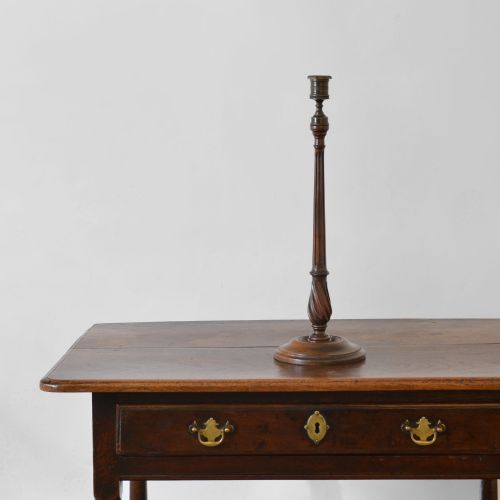
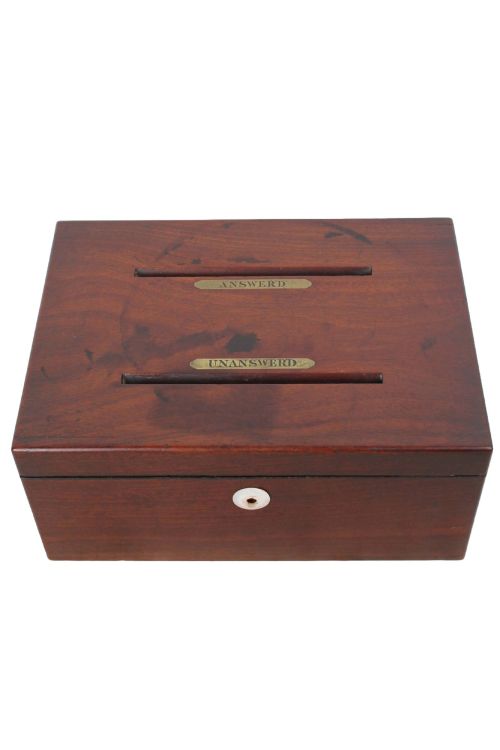
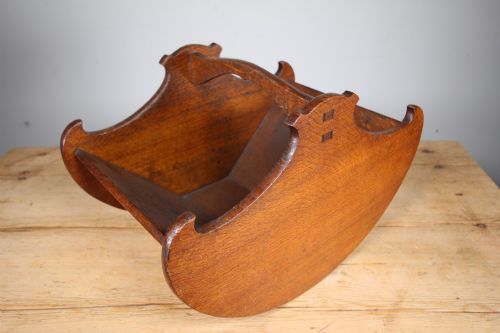
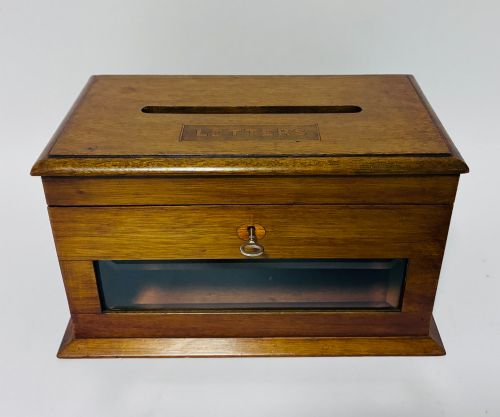
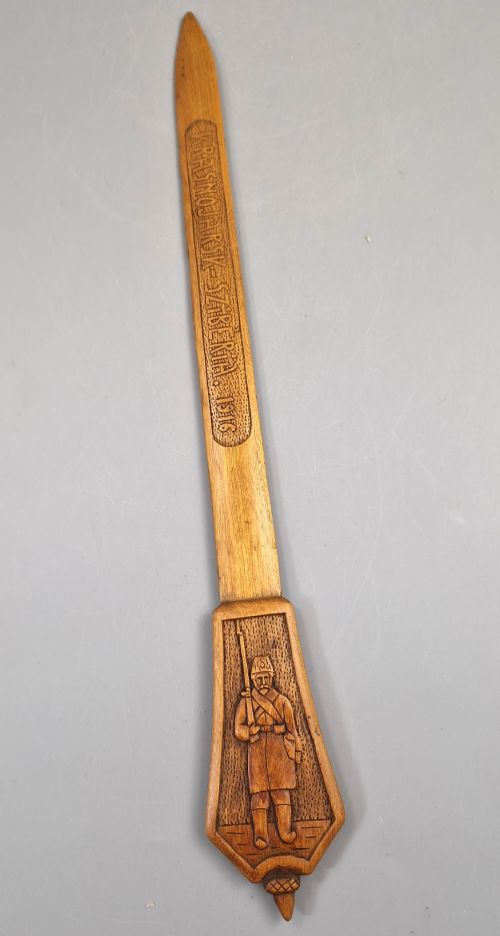
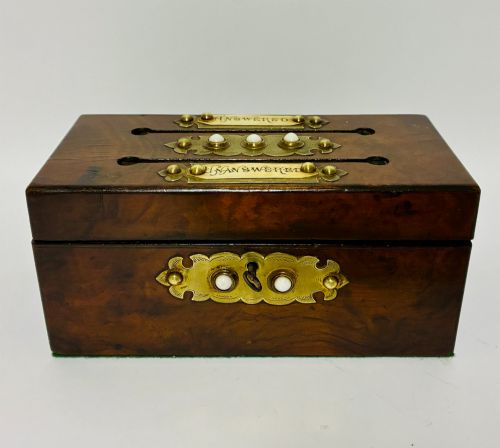
An antique wooden desk accessory encompasses practical and decorative items designed for the writing table, library or study. These functional pieces include letter boxes, book slides, inkstands, calendars and stationery cabinets originating from the Georgian, Victorian and Edwardian periods.
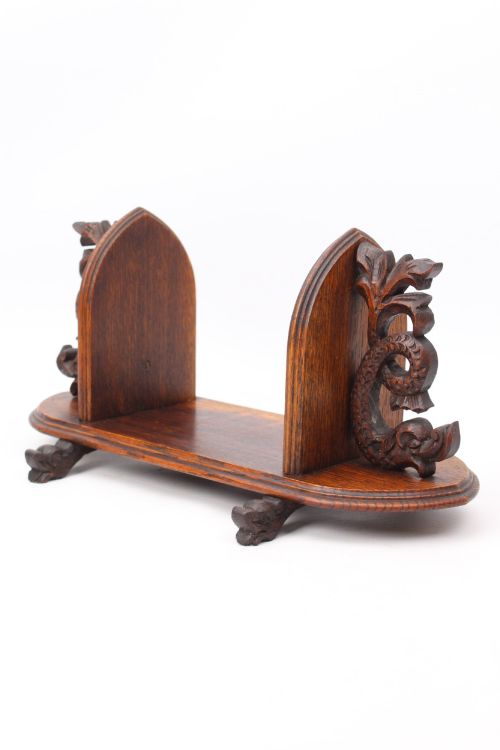
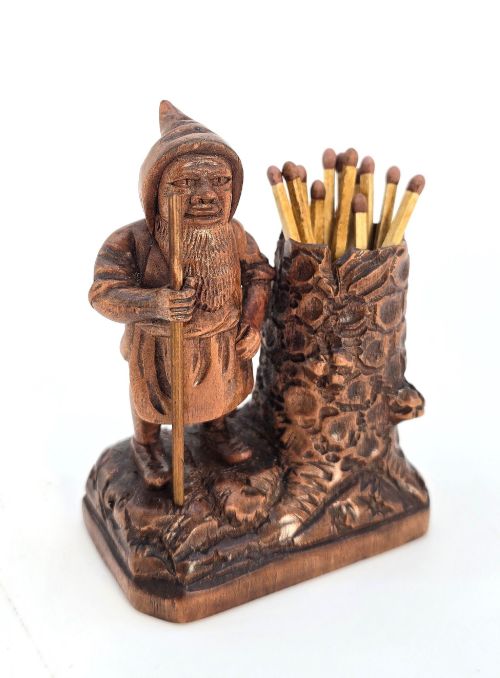
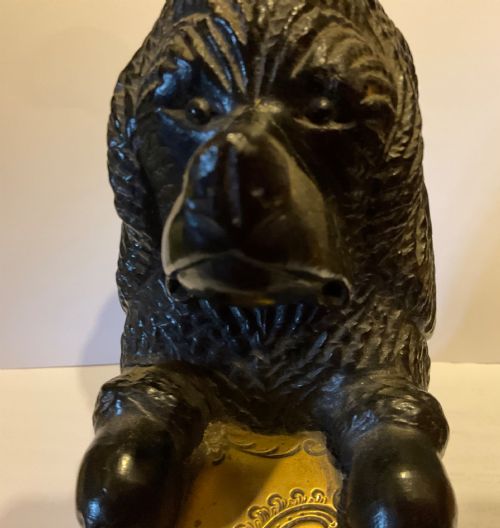
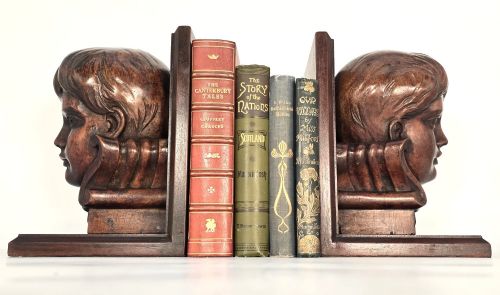
Makers utilised native and exotic timbers to construct objects intended to organise correspondence and writing materials. Buyers encountering these items today will find both utilitarian desk tidies and heavily carved novelty forms such as Black Forest animal match holders and bookends.
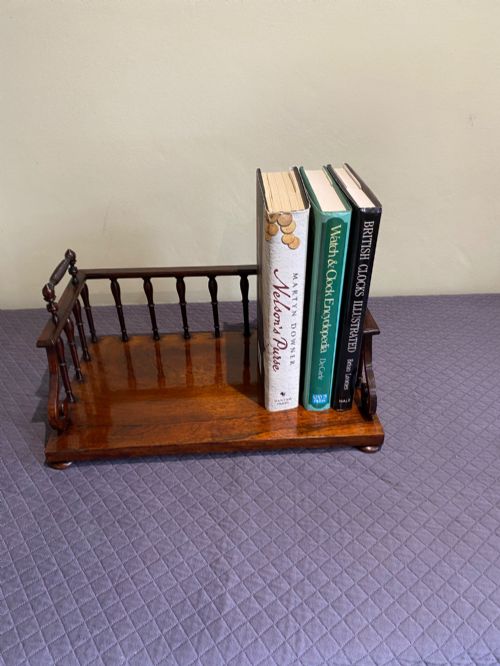
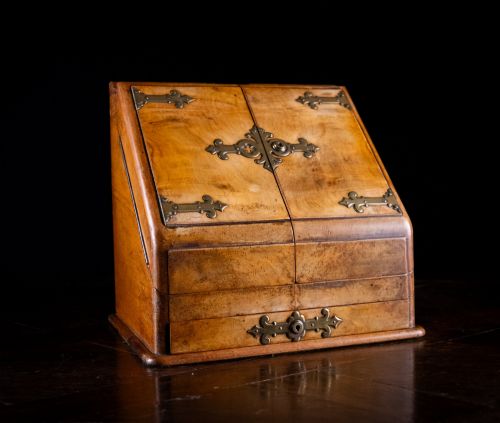
The objects reflect the administrative and literary habits of past centuries, combining storage with decorative table presence. Common survivals range from simple mahogany book rests to elaborate walnut correspondence boxes mounted with brass.
Materials and construction methods
Cabinetmakers constructed these pieces primarily from dense hardwoods such as mahogany, oak, walnut and rosewood, occasionally incorporating olive wood, limewood and Karelian birch. Timber selection dictated the strength required for items like book presses and stationery boxes.
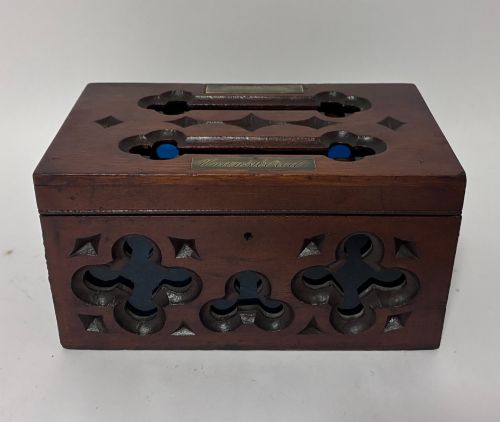
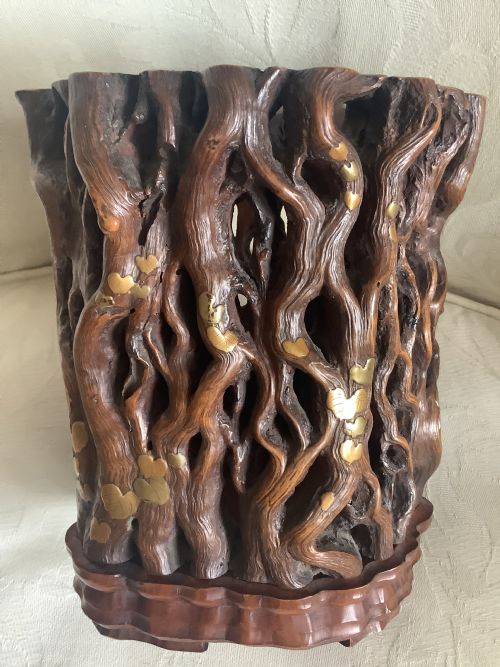
Construction techniques combined traditional joinery with decorative enrichment, including brass inlay, Tunbridge ware, marquetry and intricate hand carving. Metal mounts in brass and silver frequently reinforced corners, held inkwells or supported hinged lids.
Carved wooden owls and begging dogs keep watch over letters and matches across the centuries.
Judging quality and execution
Quality rests in the precision of the joinery and the selection of figured timber veneers. Superior examples display crisp hand carving on figurative pieces, tight dovetail joints on boxes and well-fitted internal partitions for stationery and ink.
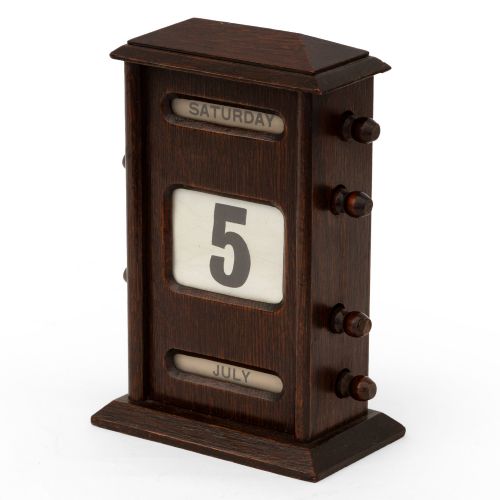
The integration of secondary materials elevates a piece, such as heavy brass mounts, fitted glass inkwells and intact silver detailing. Finer objects retain original patination on the wood surface and complete functional components like working perpetual calendars and hinges.
Arthur Simpson·Gillows
The Antique Wooden Desk Accessory Glossary
- Correspondence box
- A desk box specifically designed to hold writing paper, envelopes and incoming letters. These often feature sloping lids and fitted internal compartments.
- Book slide
- An extending wooden stand placed on a desk or table to hold a row of volumes upright. Many examples utilise expanding folding mechanisms with metal or wooden supports.
- Inkstand
- A desk tray holding one or more inkwells, often accompanied by pen recesses and sanders. They utilise glass containers fitted into wooden bases.
- Tunbridge ware
- A form of woodworking where small tinted wood blocks form mosaic pictorial designs. This technique decorates the surfaces of specialised stationery boxes.
- Match holder
- A small desk or table container designed to store matches and incorporate a striking surface. Carved wooden animal figures frequently take this form.
Antique Wooden Desk Accessory: Frequently Asked Questions
How do I date a wooden desk box?
Dating relies on examining the construction methods, timber choice and hardware style. Earlier Georgian and Regency pieces display hand-cut dovetails and simpler internal layouts.
Victorian and Edwardian versions often incorporate mass-produced brass hinges, locks and more complex stationery compartments.
Were these items meant for office use?
Most of these pieces served private libraries, drawing rooms and gentleman's studies rather than commercial offices. They were designed for domestic letter writing and personal correspondence.
Wealthy households utilised elaborate stationery cabinets, letter boxes and inkstands to keep writing materials tidy on polished tables.
How should I clean antique wood?
Maintenance requires gentle dusting with a dry, soft cloth to prevent dirt accumulation on carved surfaces and polished panels. Avoid modern liquid cleaners and silicone polishes which damage aged finishes.
Application of traditional beeswax preserves the natural moisture and developing patina of the timber over time.
What is Black Forest carving?
Black Forest carving refers to highly detailed wooden sculpture originating from Switzerland and Germany during the nineteenth century. These objects frequently depict animals such as bears, owls and dogs.
Desk accessories from this tradition include match strikers, tobacco boxes and hinged bookends rendered with expressive realism.