
Antique Wooden Column Stand
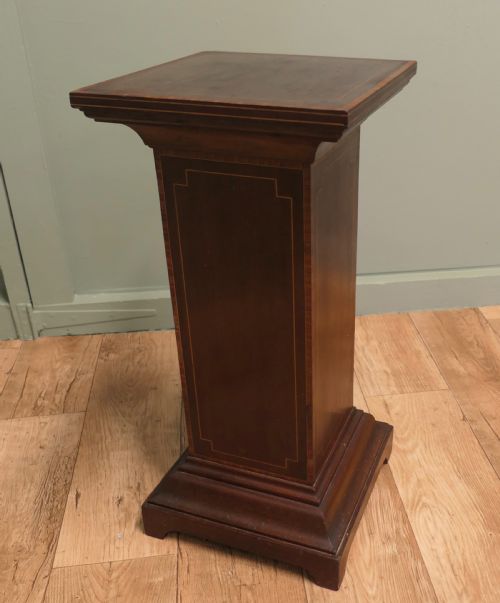
An antique wooden column stand elevates display items using turned timber and classical proportions from the Victorian and Edwardian eras.
Antique Wooden Column Stand
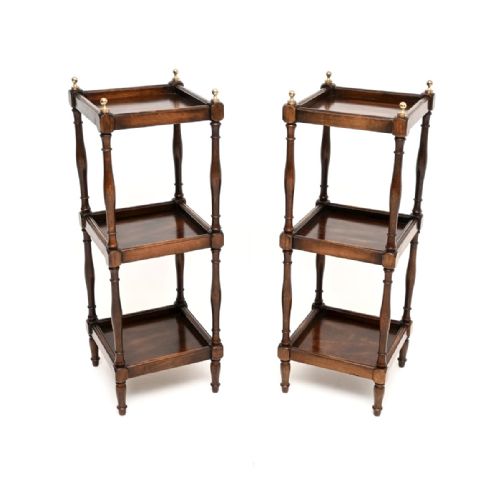
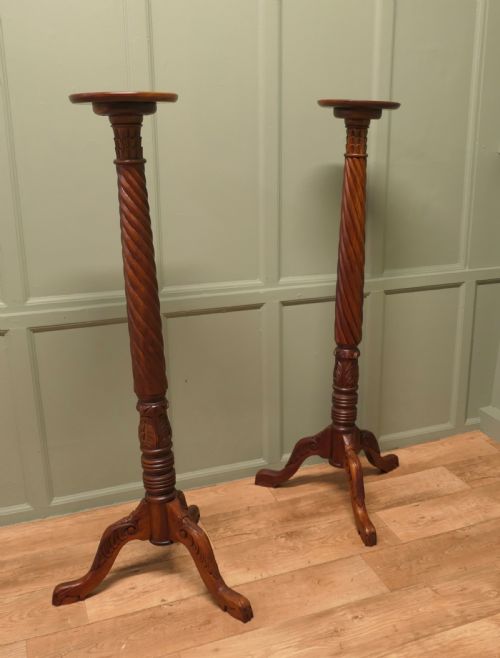
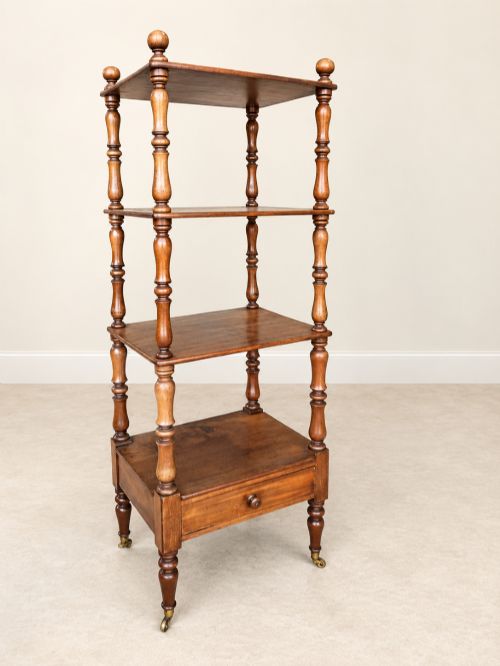
Buyers seeking an antique wooden column stand encounter vertical display pieces designed to hold plants, lamps, urns, and decorative sculptures in domestic interiors. These furnishings appear frequently as pedestals, torcheres, and plant stands spanning the nineteenth and early twentieth centuries.
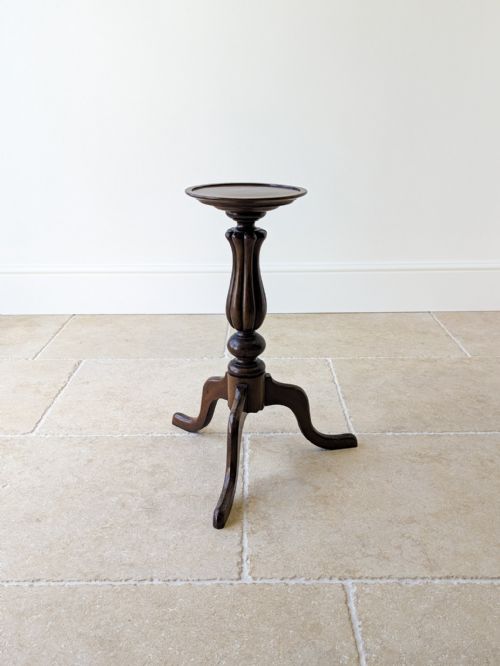
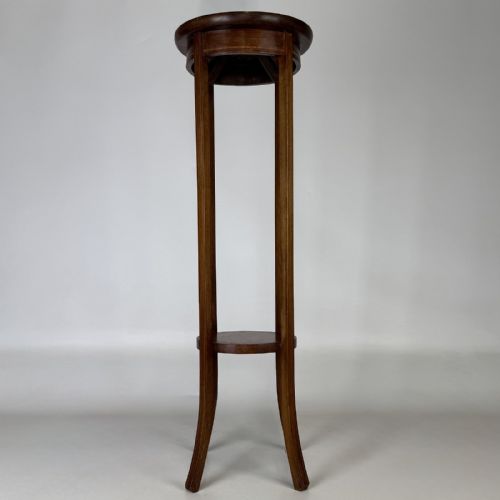
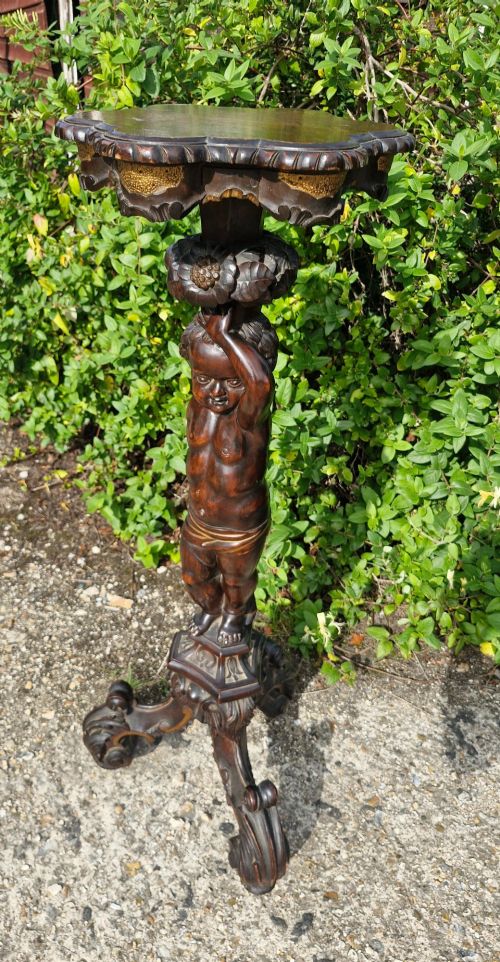
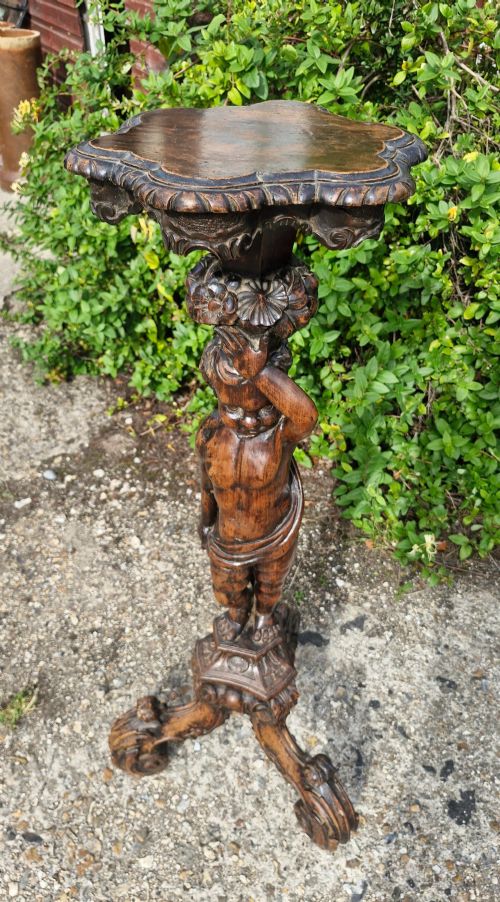
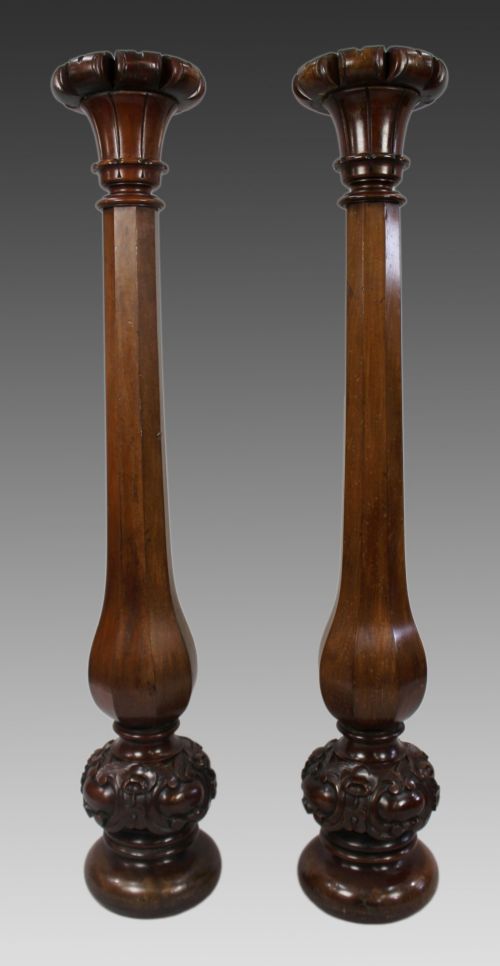
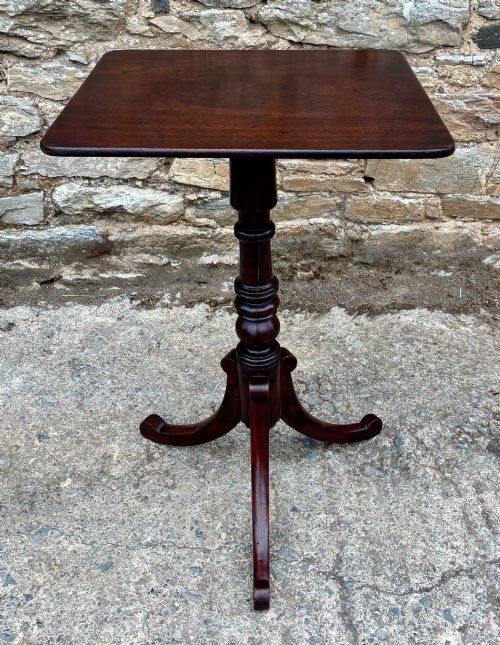
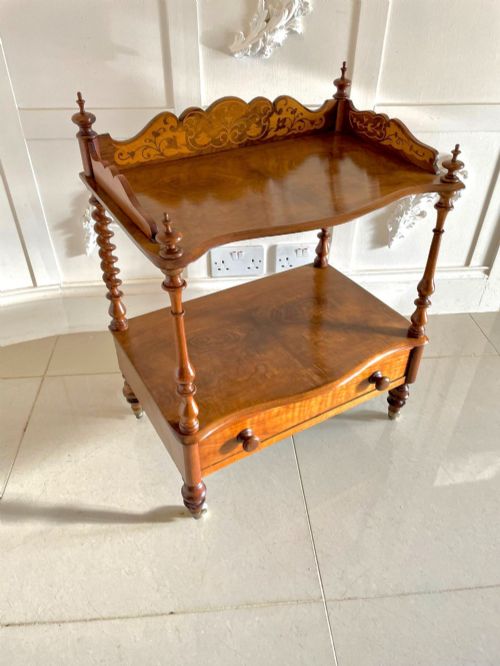
The inventory on this page demonstrates that forms range from simple turned mahogany shafts to heavily carved Italian Baroque walnut bases and inlaid Edwardian satinwood designs. Many examples originate from the Victorian and Edwardian periods, utilising traditional joinery and robust timber construction.
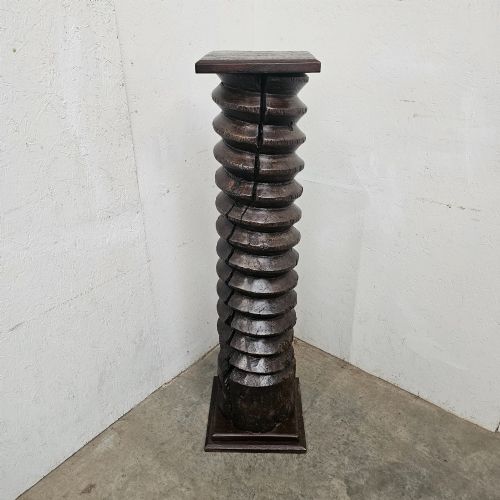
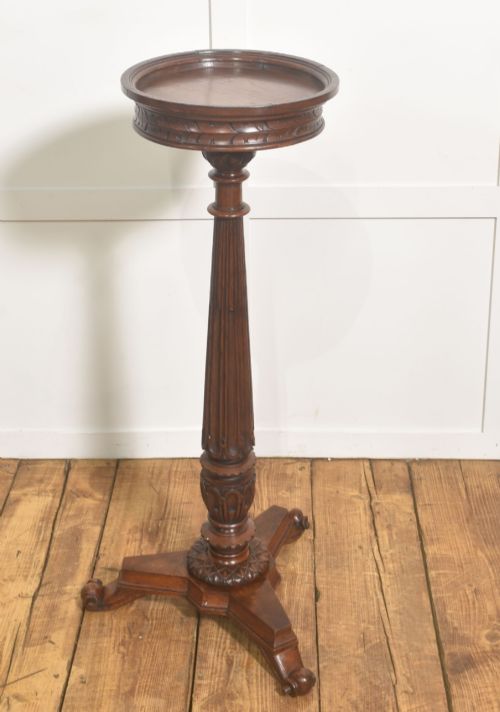
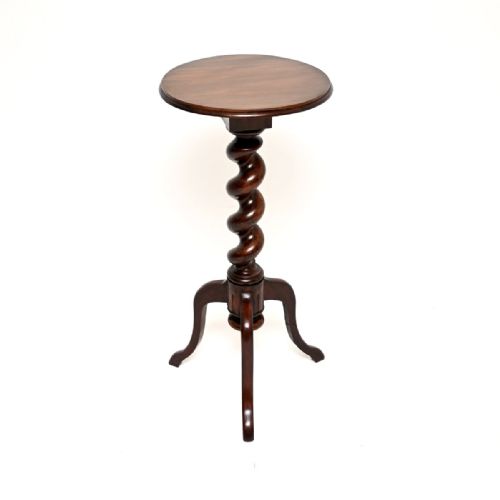
Makers and workshops produced these columns in various heights to suit specific rooms, incorporating round or square tops supported by fluted, spiral, or figural shafts. Buyers also find occasional tables and display pedestals that share the same vertical column architecture.
Materials and construction methods
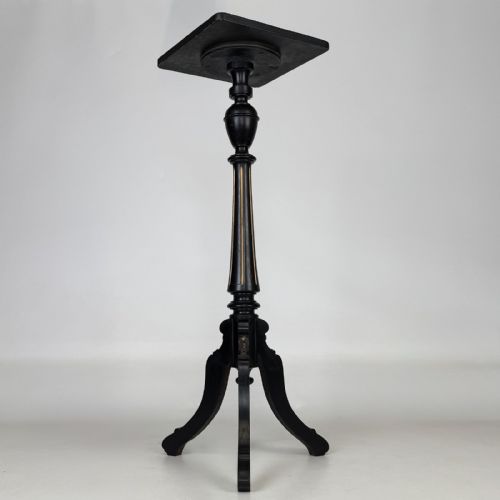
Cabinetmakers constructed these stands primarily using hardwoods such as mahogany, walnut, and oak, alongside decorative surfaces finished in ebonised wood, original green paint, or elaborate marquetry inlay. Brass fittings and silver-plated figural elements occasionally accent the timber framework.
Turning on a lathe created the classical column shafts and plinths, while skilled carvers added intricate foliage, twist motifs, and figurative details to walnut and oak structures. Joinery techniques ensured stable weight distribution for heavy items placed upon the top surface.
The listings feature styles from the Georgian period through to the Edwardian era, constructed in mahogany, walnut, oak, and painted wood.
Assessment of craftsmanship and finish
Superior examples display crisp, deep hand-carving and careful timber selection, such as burr walnut or figured mahogany, rather than mechanical machining or plain secondary woods. The integration of decorative brass mounts or intricate marquetry inlay denotes higher workshops.
Structural stability depends upon solid timber thickness and precise joints at the base and column capital, ensuring the tall stand remains balanced under heavy loads. Original surface finishes, whether polished wood or early paint layers, preserve the integrity of the piece.
The Antique Wooden Column Stand Glossary
- Torchere
- A tall, slender stand designed specifically to support a lamp or light source. These pieces frequently feature decorative carving and elevated platforms.
- Solomonic
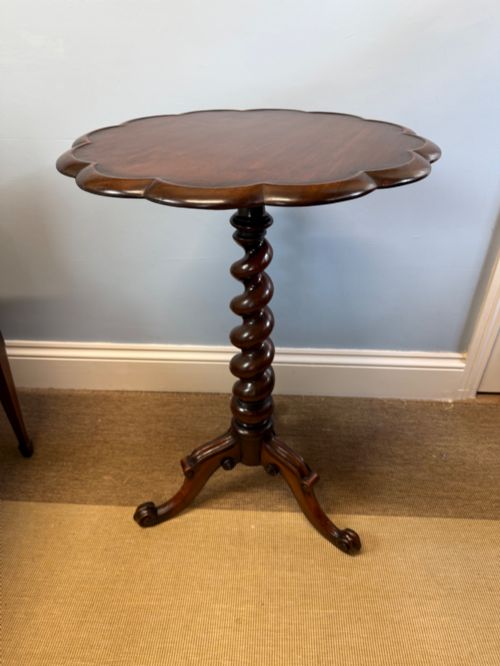
- A helical or spiral twist column design resembling a corkscrew. This motif appears frequently on seventeenth and eighteenth-century pedestals.
- Inlay
- A technique where contrasting woods or materials are inserted into recesses within the primary surface. Edwardian and Victorian pieces often utilise satinwood or brass for this decoration.
- Plinth
- The heavy base or lower block supporting a column or pedestal. It provides stability and visual grounding for the vertical shaft above.
- Jardiniere
- An ornamental pot or stand for holding plants and flowers. These often incorporate waterproof liners or integrated saucer trays within the wooden structure.
Antique Wooden Column Stand: Frequently Asked Questions
What were column stands used for?
These vertical furnishings served primarily to elevate decorative objects, urns, and floral displays above floor level to improve visibility within Victorian and Edwardian reception rooms.
They also supported lighting fixtures, functioning as torcheres before fixed electric wall sconces became standard in domestic lighting.
How do I date a wooden column?
Dating relies on identifying timber choices, decorative styles, and construction techniques associated with specific periods like the Victorian or Edwardian eras.
Heavily carved walnut often points to Italian or revival baroque influences, while satinwood inlay typically indicates late nineteenth or early twentieth-century British craftsmanship.
Can these stands hold heavy items?
Most solid mahogany or oak columns possess sturdy turned bases designed to bear considerable weight from marble busts, large planters, or heavy table lamps.
Stability depends on the width of the base footprint and the internal joinery connecting the shaft to the top platform.
Where should I place a torchere?
These tall stands fit effectively into empty room corners, beside seating arrangements, or flanking doorways where vertical height adds architectural interest.
Their narrow footprints allow them to occupy minimal floor space while displaying plants or sculptural items prominently.