




Antique Wooden Coasters
These antique wooden coasters protect tables while carrying decanters and wine bottles with proper period grace.
Antique Wooden Coasters
When you search for antique wooden coasters, you encounter diverse tableware designed for holding bottles, decanters, and cheeses upon the dining table. The selection spans Georgian, Victorian, and Edwardian periods, featuring forms ranging from single bottle stands to multi-bottle holders and larger cheese trucks.
Mahogany and fruitwood dominate the early examples, often taking circular or crescent shapes suited to sweeping dining arrangements. You also meet occasional rosewood, oak, and treen pieces alongside variations that incorporate silver plate or brass mounts.
The practical function remains consistent across these forms, serving either to protect polished wood surfaces from moisture rings or to wheel heavy cheese courses along the mahogany board. Most items originate from English workshops operating across the eighteenth and nineteenth centuries.
Materials and Construction
Makers relied heavily upon dense timbers such as mahogany, fruitwood, and rosewood, selecting them for stability and rich grain. These woods underwent careful turning, joining, and carving to achieve deep rims and smooth bases capable of supporting heavy glass decanters.
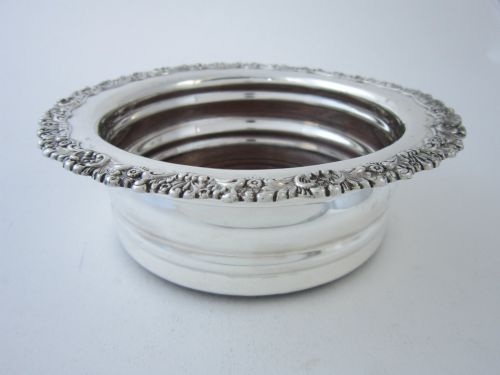
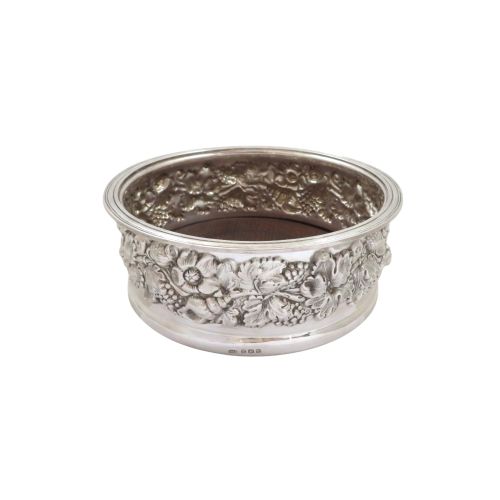
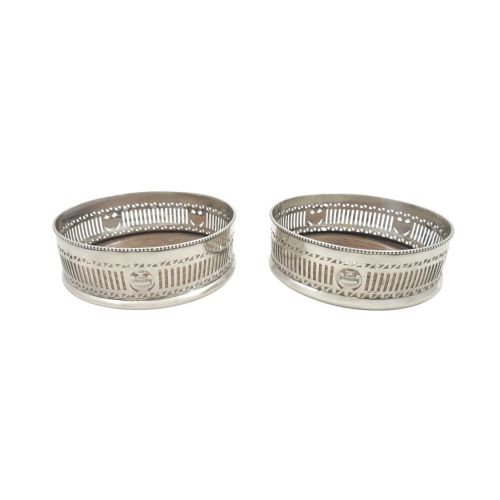
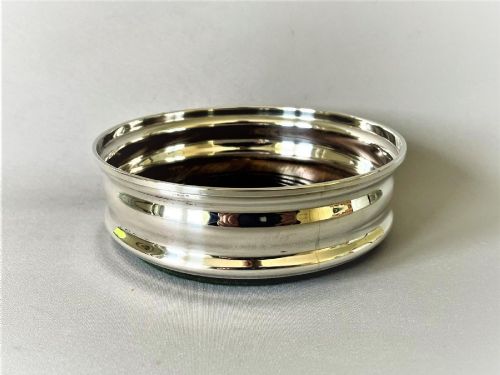
Many examples integrate metal components, pairing turned wooden bodies with silver plate, sterling silver, or brass mounts. Inlaid decoration, carved galleries, and fitted coasters demonstrate skilled cabinetry passed through Georgian and Victorian workshops.
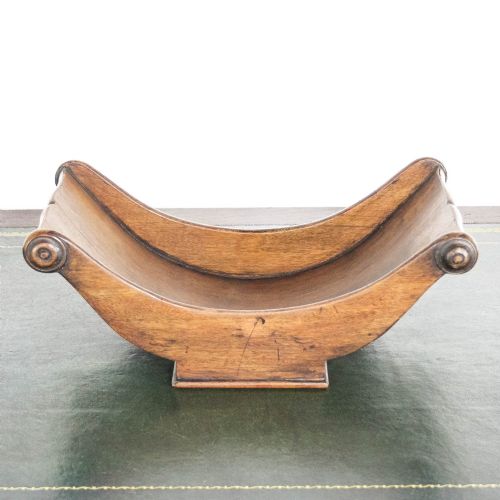
Object forms range from single wine bottle holders and decanter stands to multi-bottle treen carriers and crescent cheese trucks.
Evaluating Quality and Detail
Quality rests in the crispness of the turning and the depth of the timber's natural grain. Superior examples display thoughtful proportions, well-fitted metal rims, and subtle inlaid decoration rather than heavy, coarse joinery.
Provenance and original matched pairs elevate certain items significantly above standard single pieces. The integration of functional elements, such as working wheels on cheese coasters or intact silver plate linings, distinguishes the finest pieces.
James Mein of Kelso·John and Thomas Settle
The Antique Wooden Coasters Glossary
- Cheese Coaster
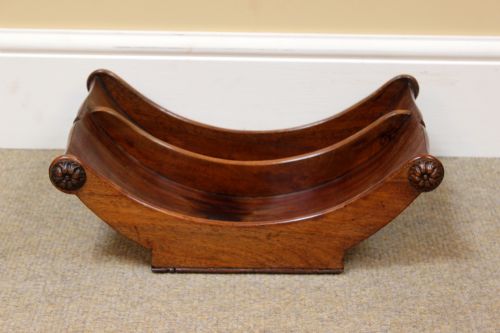
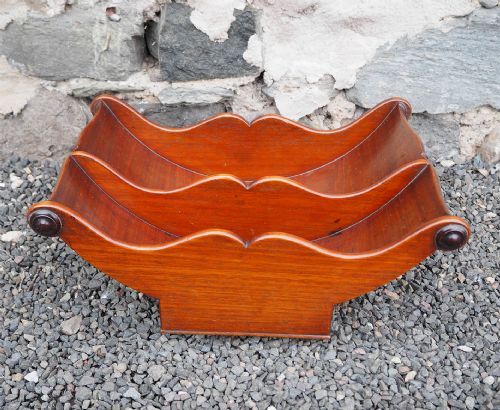
- A wheeled or stationary trough designed to hold a wedge of Stilton or hard cheese on the dining table. These pieces often feature crescent or rectangular shapes made from turned mahogany.
- Decanter Stand
- A low tray or ring designed to hold a wine bottle or decanter securely in place. They frequently incorporate baize-lined bottoms to protect furniture.
- Treen
- Small handmade wooden household objects turned on a lathe. Collectors prize these tactile items for their honest utility and aged patina.
- Old Sheffield Plate
- An early fusing technique where a thin sheet of silver is fused to a copper base. This method creates a durable finish found on many nineteenth-century mounts.
- Truckle
- A small wheel attached to the base of a cheese stand or bottle holder. These allow the heavy wooden piece to roll smoothly across the dining surface.
Antique Wooden Coasters: Frequently Asked Questions
What is a cheese coaster?
A cheese coaster is a specialised wooden trough, often shaped like a crescent or fitted with small wheels, designed to hold a large wedge of cheese on the dining table.
These pieces allowed diners to slide the cheese smoothly along the surface of the board during formal eighteenth and nineteenth-century meals.
How do I use them today?
You can use these wooden pieces on dining tables or sideboards to hold wine bottles, decanters, and serving dishes while protecting polished surfaces from moisture and heat.
They function well as decorative display stands for glassware or small plants when not in active dining service.
How do I tell Georgian from Victorian pieces?
Georgian pieces typically exhibit simpler, elegant proportions in rich mahogany or fruitwood, often featuring understated craftsmanship and subtle inlaid decoration.
Victorian examples frequently introduce heavier carving, bolder metal mounts, and occasionally more eclectic styling influenced by later nineteenth-century tastes.
Why do some coasters have wheels?
Coasters with wheels, commonly referred to as truckle stands, were built to be rolled easily across long dining tables from guest to guest.
This mechanical addition made passing heavy bottles of wine or large wedges of cheese safe and effortless during extended dinner parties.