

Antique Wooden Clock Stand
An antique wooden clock stand or longcase clock anchors a room with mechanical precision and centuries of cabinet-making skill.
Antique Wooden Clock Stand
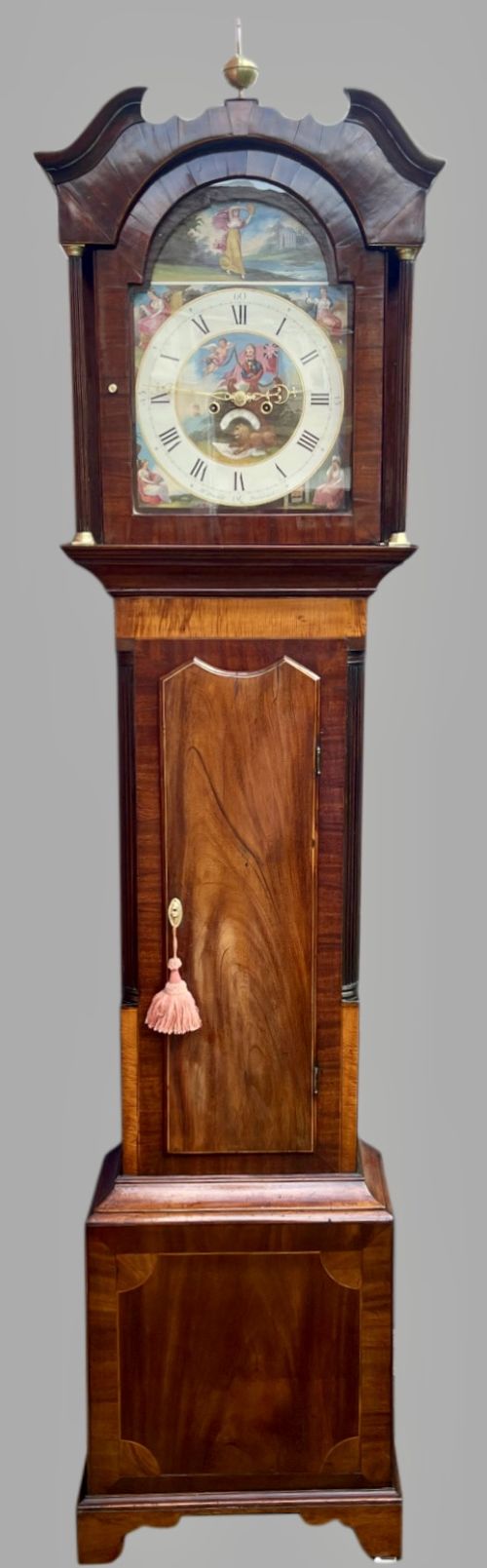
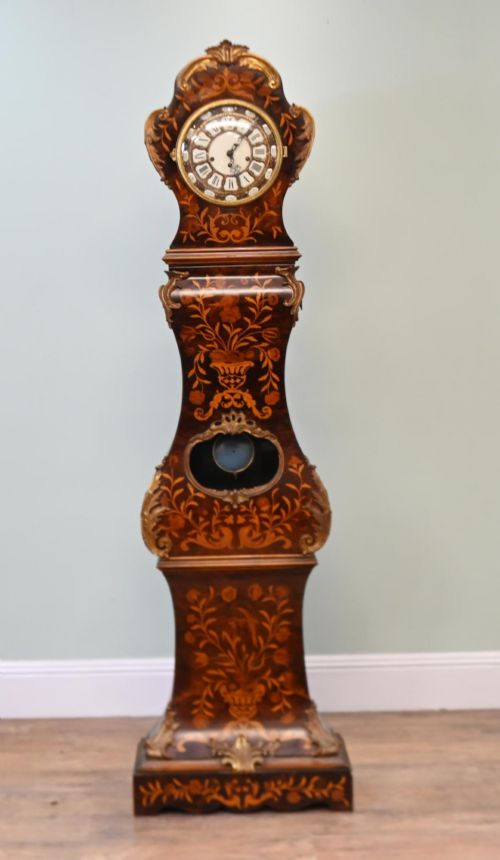
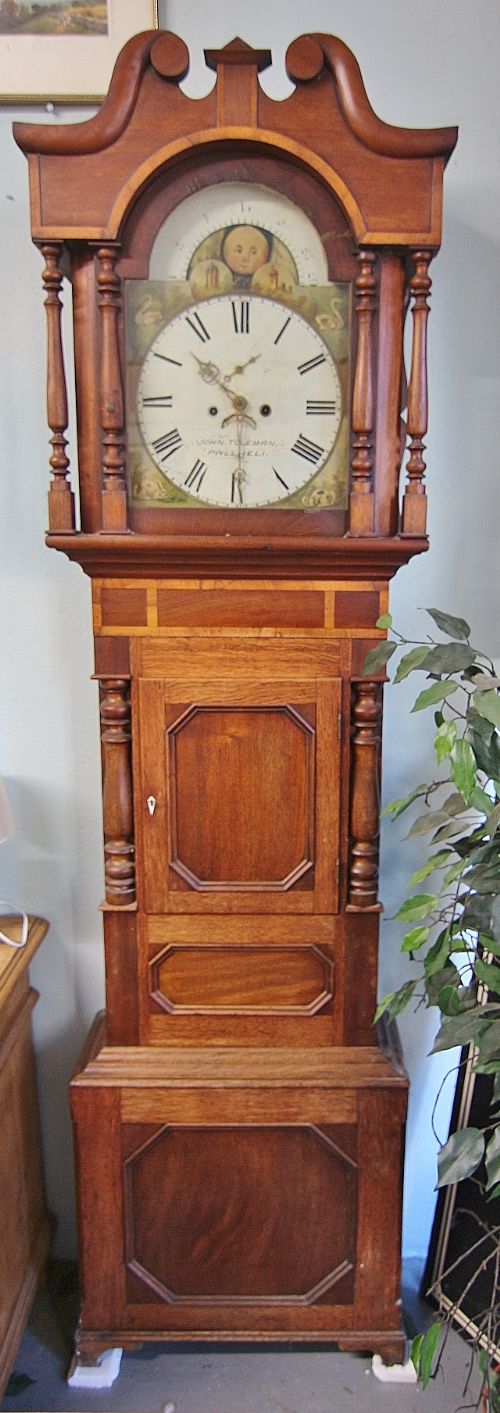
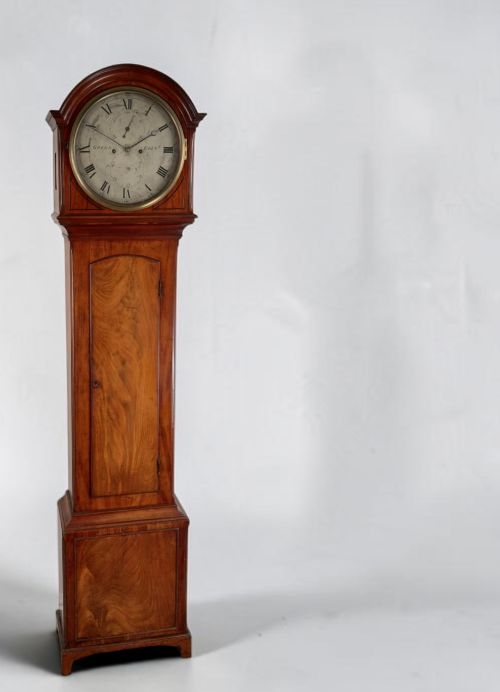
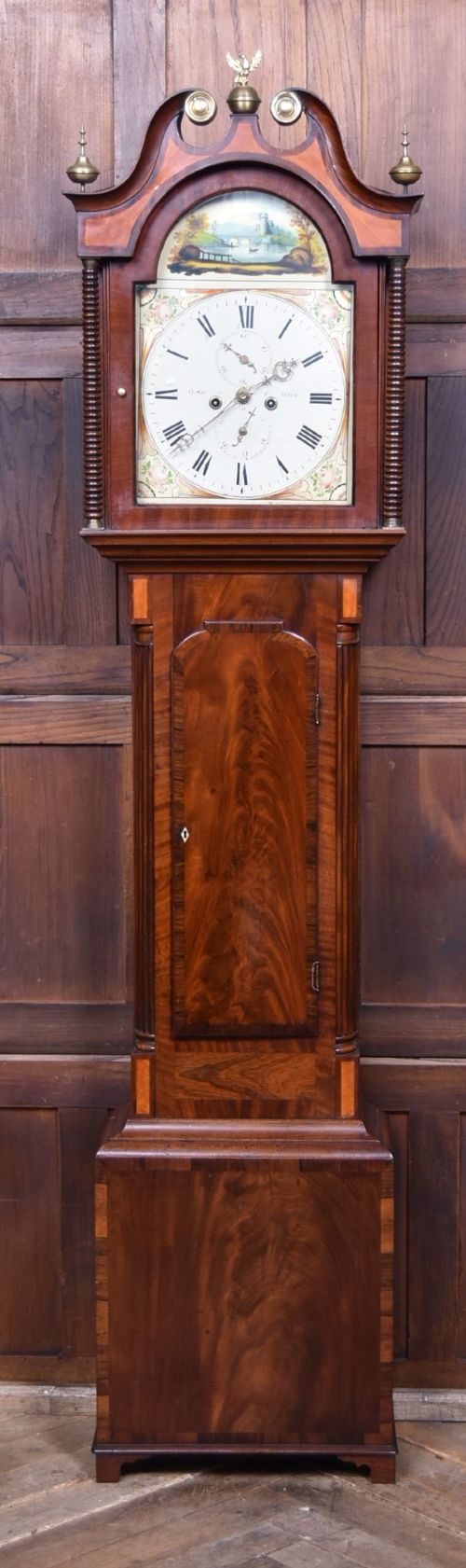
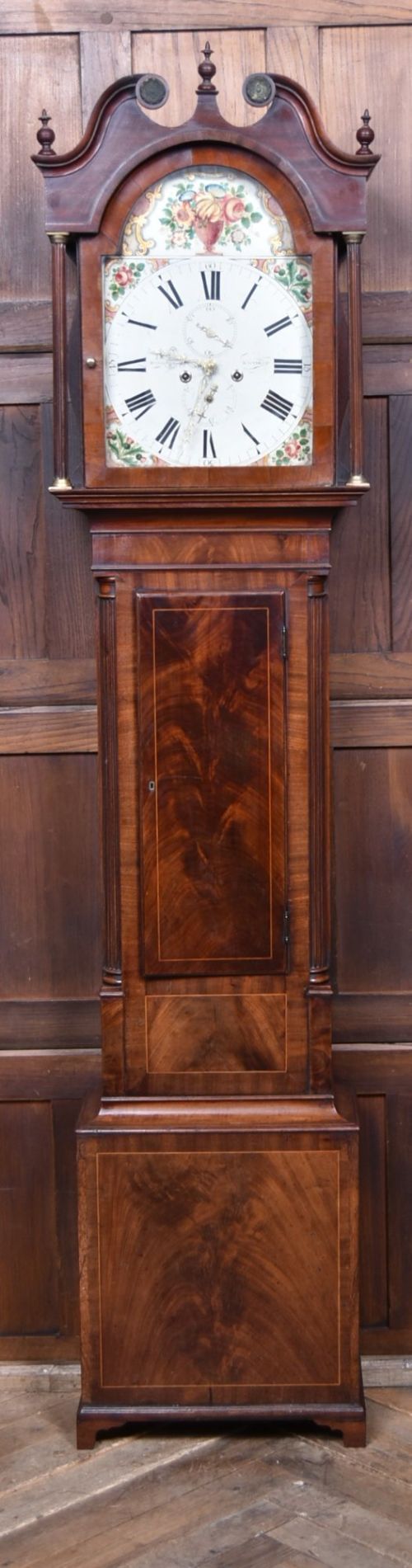
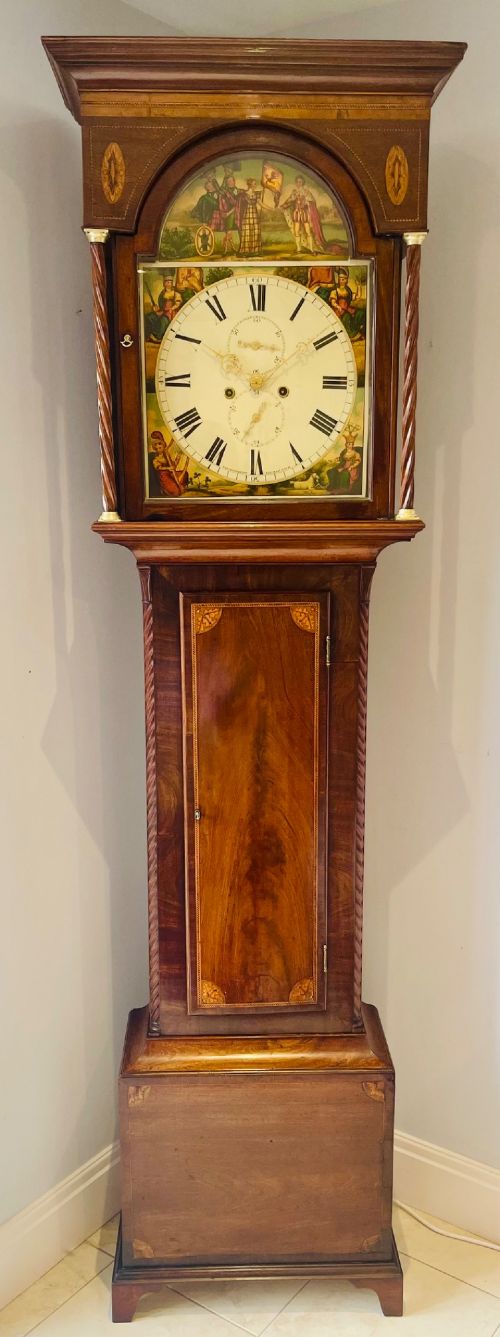
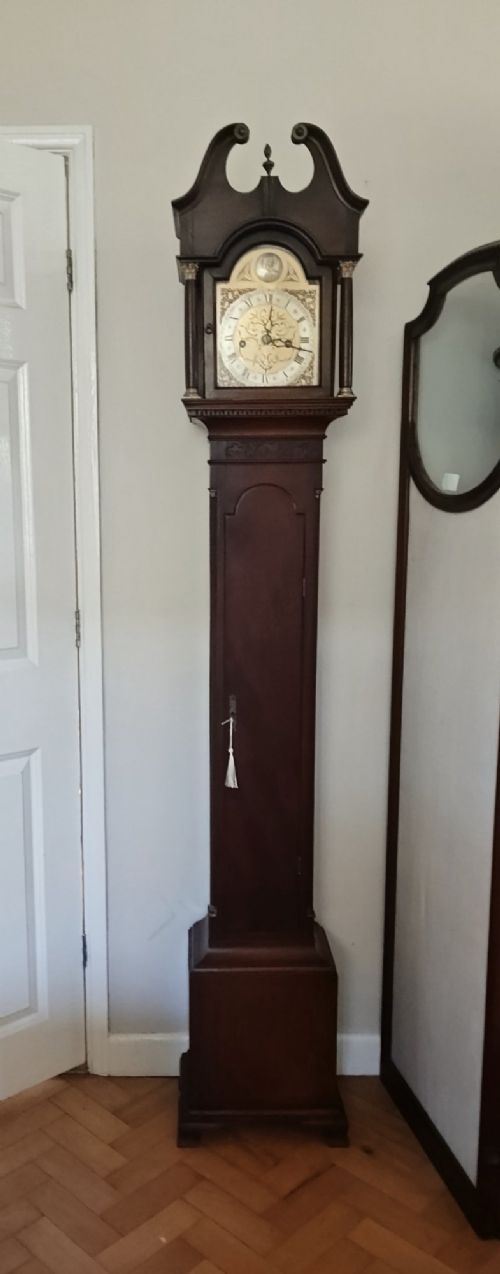
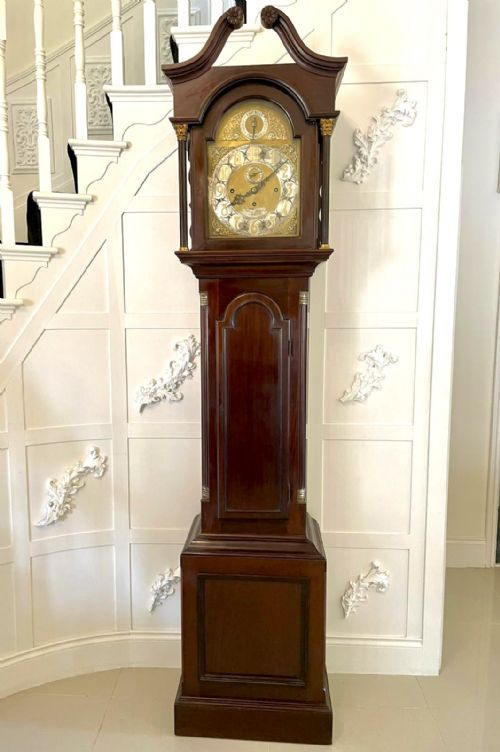
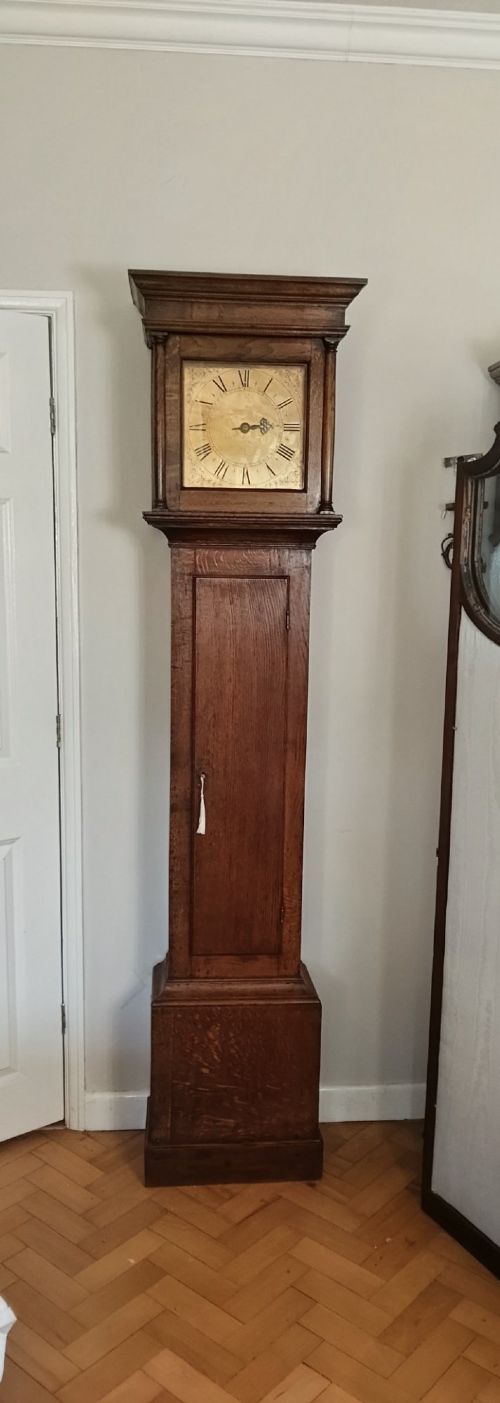
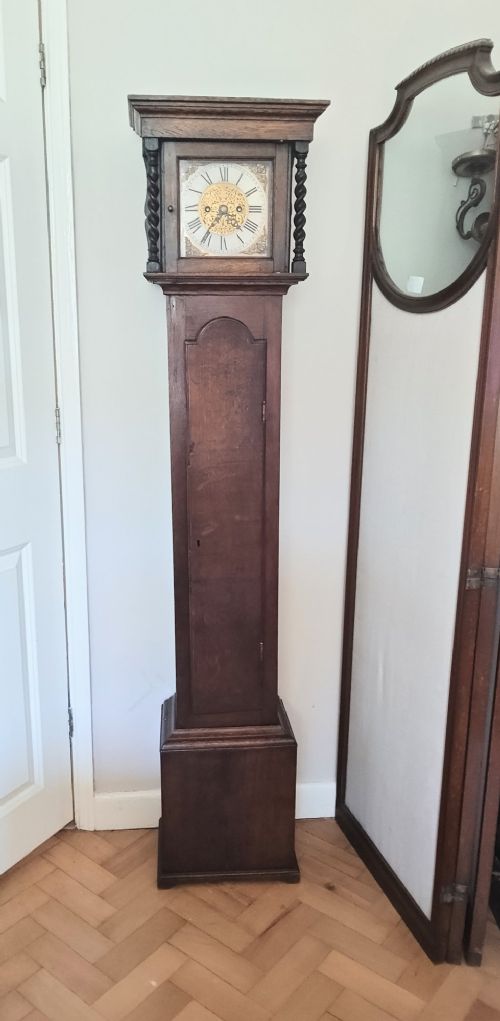
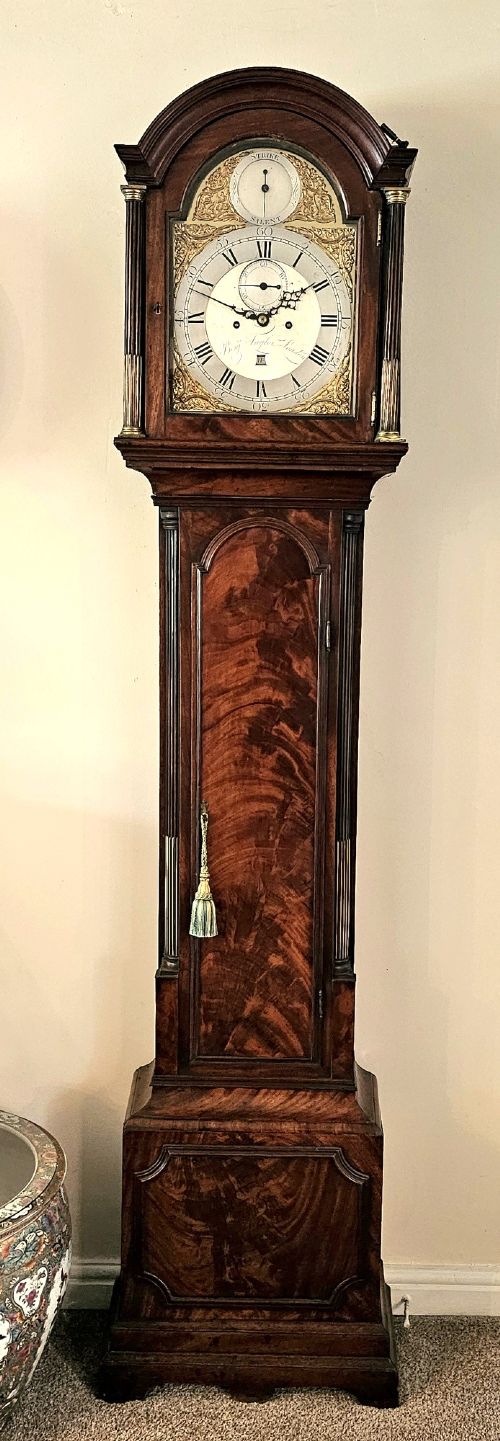
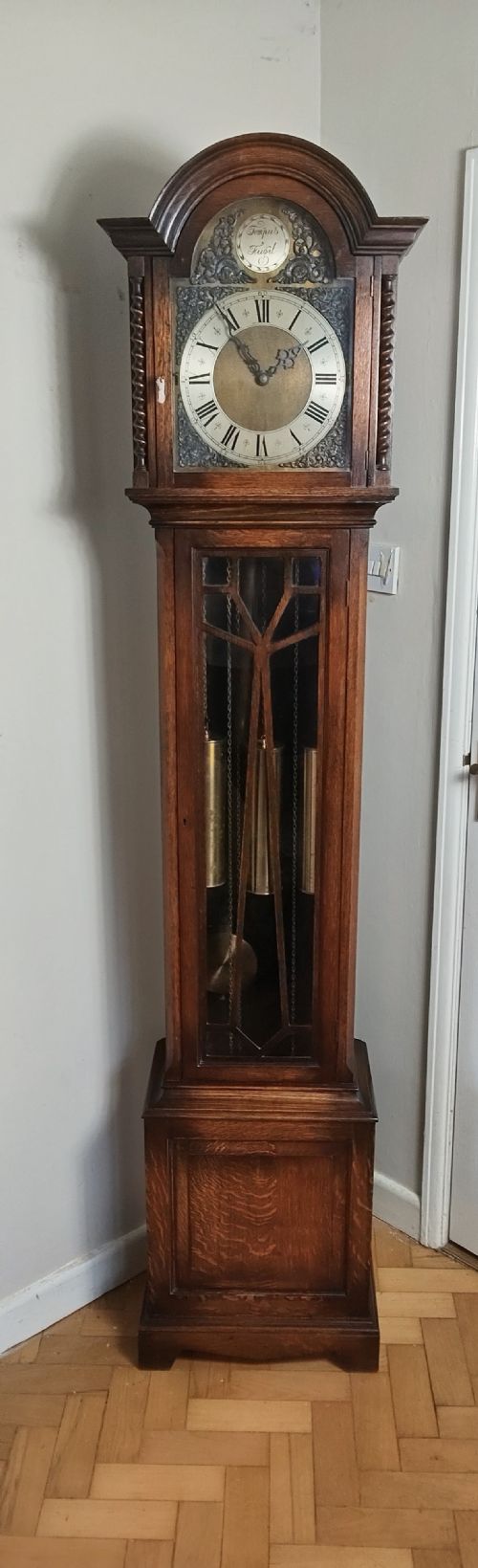
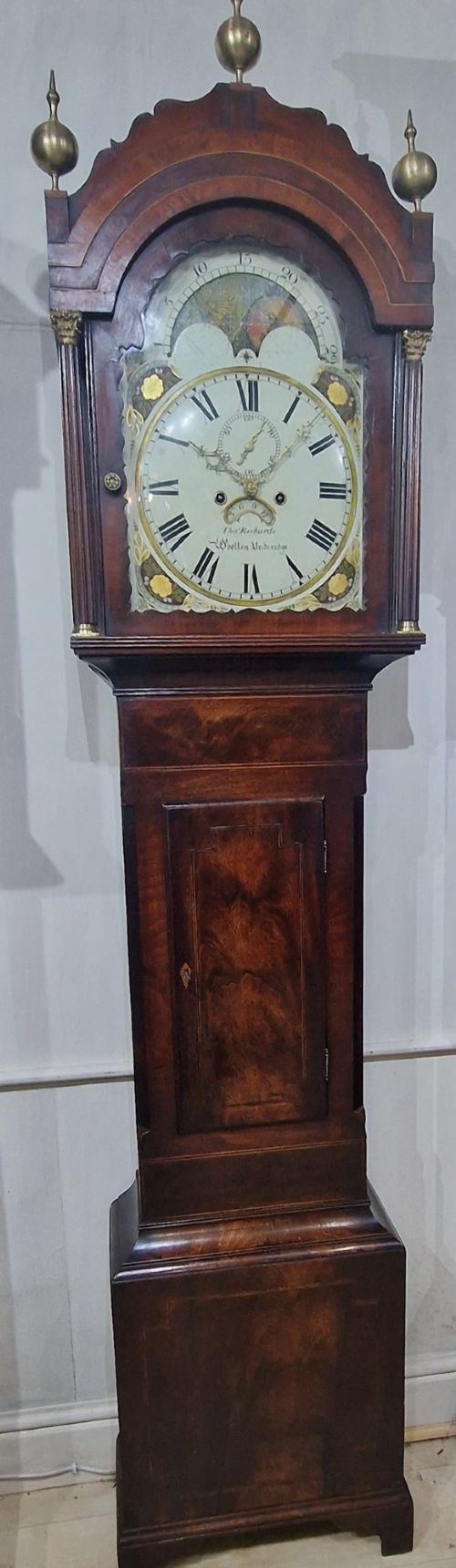
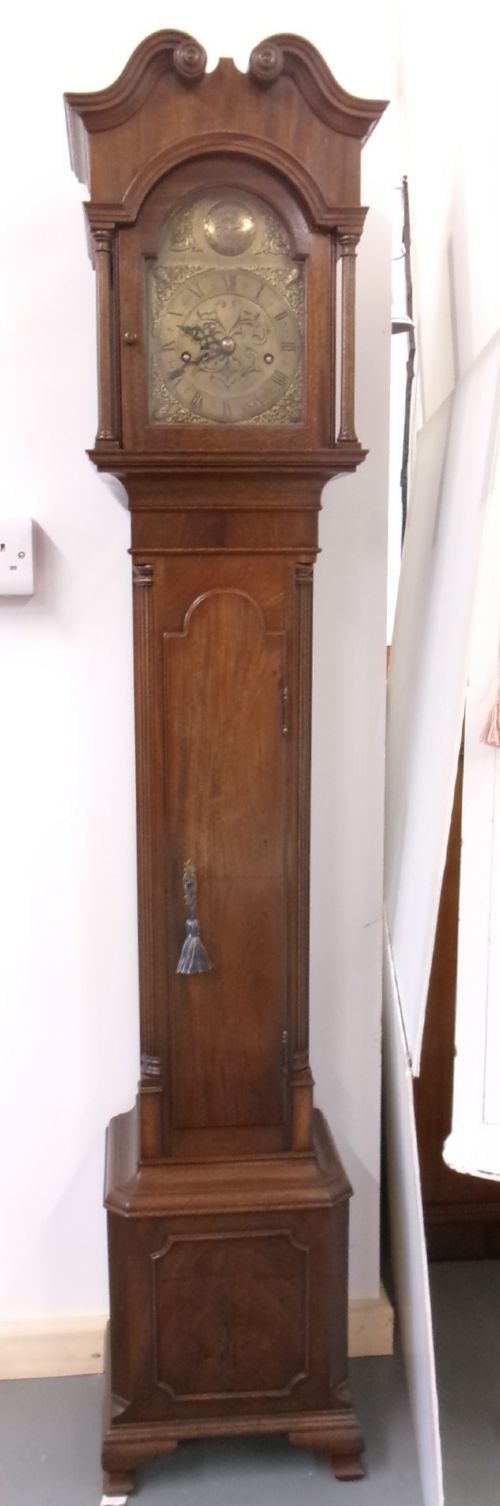
When you search for an antique wooden clock stand, you encounter tall floor-standing timepieces commonly known as longcase, grandfather, granddaughter, or grandmother clocks. These floor-standing structures house weights, pendulums, and dial movements within vertical timber cases.
The versions most frequently met on this page span the 18th century, Georgian, and Victorian periods, alongside later Edwardian and 1930s examples. Cabinetmakers constructed these tall housings primarily to protect delicate mechanical movements from dust and environmental changes while displaying time in domestic halls and parlours.
Regional variations appear across Scotland, Wales, and English counties such as Norfolk and Gloucestershire. Cabinet makers utilised native and imported timbers to shape these tall floor clocks according to prevailing stylistic shifts from William and Mary through to Chippendale and Queen Anne designs.
Distinctions in craftsmanship and design
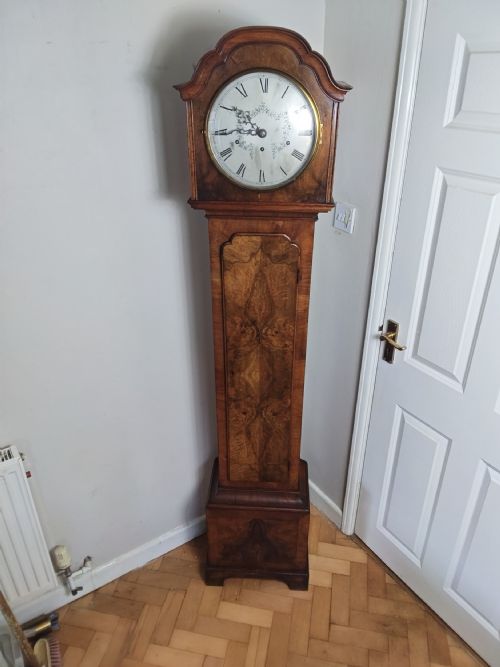
The refinement of the timber selection and cabinet proportions distinguishes higher-grade examples from utilitarian pieces. Finely figured flame mahogany or quarter-veneered walnut surfaces paired with crisp dial engraving indicate workshop output from accomplished makers.
Complexity of the internal movement also separates standards, ranging from simple time-only eight-day trains to musical chiming mechanisms operating on multiple bells or gongs. The integration of moon phases and secondary subsidiary dials adds technical depth to the construction.
Antique Wooden Clock Stand Retail Price Guide 2026
Typical asking prices for wooden clock stand among the pieces listed under this phrase on Sellingantiques today, from the lower quarter to the upper quarter. They describe what is for sale here now, not the wider market.
Some miniature pieces masquerade as functional timepieces while operating entirely as watch stands for pocket watches.
Hendrie Ogg·Green of Edinburgh·D. Straiton·Winsor Bishop Norwich·Benjamin Taylor·Edward Upjohn·John Banks Oldham·Joseph Knibb
The Antique Wooden Clock Stand Glossary
- Longcase clock
- A tall pendulum clock enclosed in a wooden floor-standing case, often called a grandfather clock.
- Grandmother clock
- A smaller, scaled-down version of a longcase clock, typically produced during the 20th century.
- Spandrel
- An ornamental corner piece fitted on clock dial faces, often cast in brass during earlier periods.
- Quarter veneered
- A method of arranging four matching veneer segments symmetrically on a wooden panel to create geometric patterns.
- Rolling moon
- A painted or engraved dial mechanism that tracks the lunar cycle behind a shaped aperture.
Antique Wooden Clock Stand: Frequently Asked Questions
How do I tell an 18th-century clock from a later one?
Earlier pieces from the 18th century often feature narrower proportions, solid oak or walnut carcases, and square brass dials with cast spandrels. Regional movements frequently display maker signatures directly on the brass dial plates rather than painted iron faces.
Later Victorian and Edwardian examples tend to utilise mahogany case designs with arched painted dials, rolling moon mechanisms, or musical chiming options. Proportions became heavier or smaller in the case of grandmother clocks during the 20th century.
Where should I place a longcase clock at home?
These tall floor clocks require stable, level placement against a solid wall to ensure the pendulum swings evenly and keeps accurate time. Hallways, landings, and reception rooms provide sufficient vertical clearance and ambient temperatures away from direct heat sources.
Securing the upper trunk to the wall using discreet brackets prevents accidental tipping, particularly on deep pile carpets or uneven historic floorboards.
What is the difference between grandfather and grandmother clocks?
Grandfather clocks are the standard full-size longcase timepieces, generally measuring six to eight feet in height to accommodate long pendulum drops and heavy weights. They originated primarily during the 17th and 18th centuries.
Grandmother and granddaughter clocks are smaller decorative variants produced in the late 19th and early 20th centuries, scaled down to fit lower ceiling heights while retaining mechanical weight-driven or spring-driven movements.
How do weight-driven clock movements operate?
Weight-driven movements rely on suspended iron or lead weights attached to cords or chains that turn internal gears as gravity pulls them downward. Winding keys raise the weights periodically to store potential energy within the train.
Multi-train movements incorporate separate weights for the timekeeping, striking, and chiming functions, requiring careful setup to maintain proper synchronisation across the dial.