




Antique Wooden Chimney Piece
These antique wooden chimney piece examples range from grand Georgian neoclassical surrounds to hand-carved Victorian mahogany frames, offering authentic architectural presence for period interiors.
Antique Wooden Chimney Piece
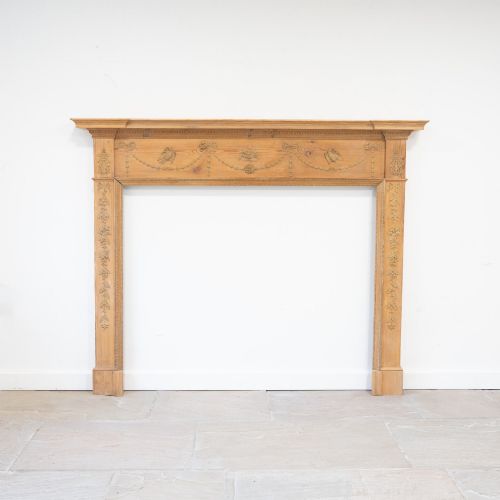
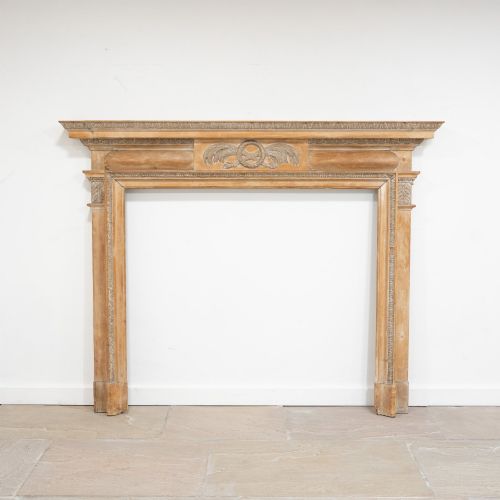
An antique wooden chimney piece forms the architectural focal point of a room, framing the fireplace opening with carved timber surrounds, mantels, and occasional overmantel panels. When buyers search for an antique wooden chimney piece, they encounter fireplace surrounds and architectural salvage spanning the Georgian, Victorian, and Edwardian eras.
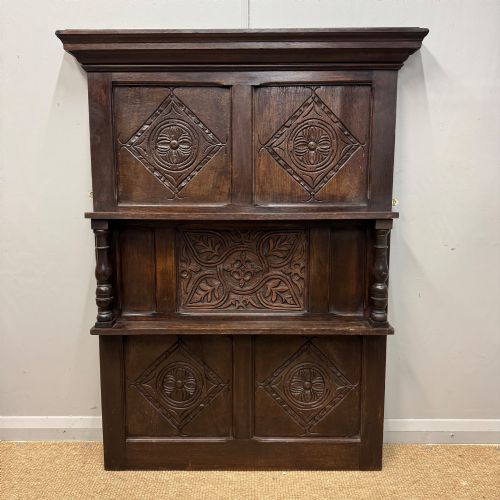
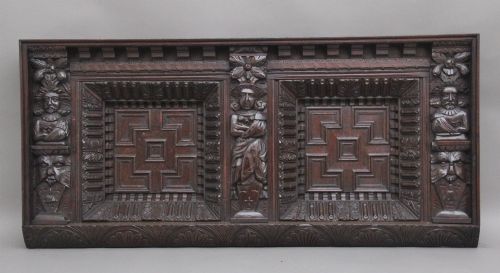
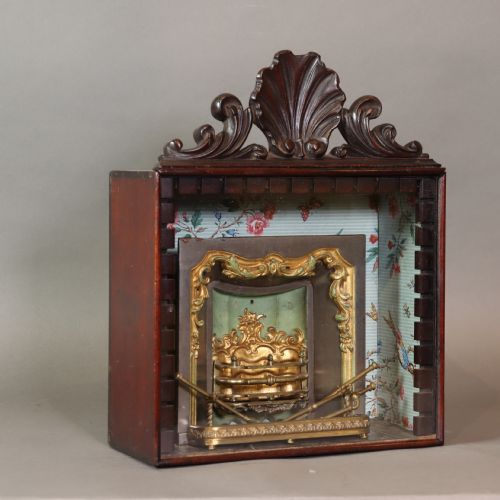
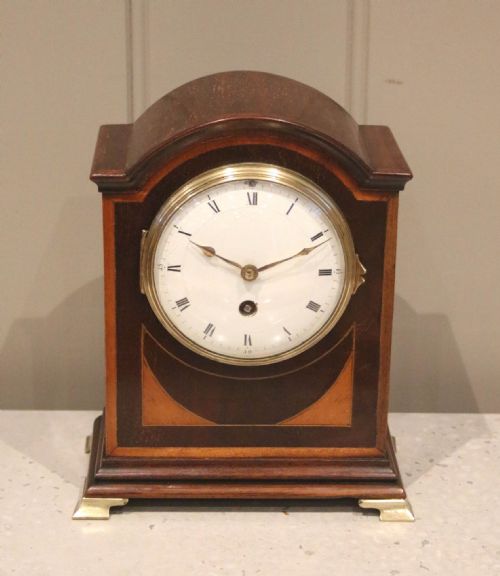
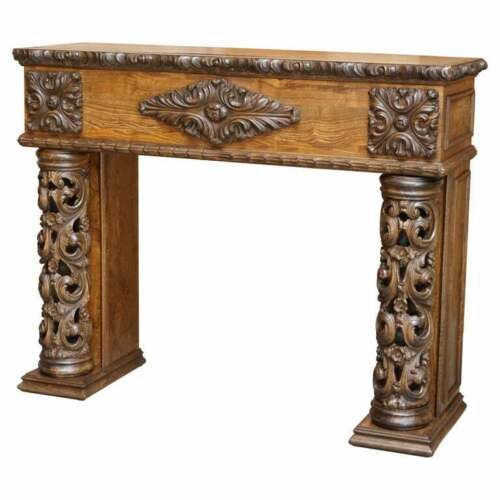
The selections available here showcase significant stylistic variety, including Late Victorian pine, Jacobean-influenced carved oak, and Georgian neoclassical designs. Alongside full-scale architectural surrounds, the inventory includes overmantel wall mirrors, miniature salesman samples, and mantel clocks associated with the hearth.
Originating from periods such as the seventeenth, eighteenth, and nineteenth centuries, these wooden surrounds reflect the shifting tastes of British and continental design. From solid elm fretwork columns to mahogany frames with satinwood inlay, each piece provides a tangible connection to historical domestic architecture.
Materials and construction methods
Cabinetmakers and carpenters constructed these chimney pieces using substantial native and imported timbers, predominantly pine, oak, mahogany, and elm. Woods were selected for their grain and workability, allowing craftsmen to execute deep hand-carvings, applied mouldings, and delicate satinwood inlay work.
Construction techniques combined traditional joinery with surface ornamentation such as fretwork columns and carved panels. Secondary materials like brass, iron, and glass appear in associated hardware, mirror plates, and miniature fireplace accessories, while painted finishes occasionally protect or alter the timber surface.
Antique Wooden Chimney Piece Retail Price Guide 2026
Typical asking prices for wooden chimney piece among the pieces listed under this phrase on Sellingantiques today, from the lower quarter to the upper quarter. They describe what is for sale here now, not the wider market.
A tiny salesman once carried a miniature iron fireplace through the rain to prove his catalogue was worth the journey.
Distinguishing quality in timber surrounds
Quality in an antique wooden chimney piece rests upon the depth and crispness of the hand-carved detail and the selection of timber. Finer examples display masterly proportion, balanced neoclassical or gothic revival motifs, and tight joinery that resists the natural movement of aged wood.
The integrity of the original surface finish, whether polished mahogany or early painted pine, marks the distinction between untouched historical character and later modification. Master craftsmanship is visible in the execution of complex mouldings, turned columns, and integrated overmantel panels.
The Antique Wooden Chimney Piece Glossary
- Chimney piece
- A decorative framework surrounding the opening of a fireplace, incorporating a mantel shelf and vertical jambs. This term is frequently used interchangeably with fireplace surround.
- Overmantel
- A decorative panel, mirror, or painting fixed to the wall directly above the mantelpiece. These elements visually anchor the chimney piece to the wider wall elevation.
- Fretwork
- Ornamental design created by cutting patterns through thin wood using a piercing saw. This technique appears on friezes and columns within nineteenth-century surrounds.
Antique Wooden Chimney Piece: Frequently Asked Questions
How do I measure for a chimney piece?
Measure the height and width of your existing fireplace opening, taking note of the surrounding wall space and ceiling height. Ensure the internal dimensions of the wooden surround clear your firebox safely.
Account for the depth of the mantel shelf and any protruding jambs to guarantee the piece sits flush against the wall surface without obstructing doors or windows.
Can these surrounds be adapted for modern fires?
Many antique wooden chimney pieces accommodate modern gas or electric inserts, provided appropriate clearance and heat-resistant insulation are installed behind the timber. Consult a professional installer to check safety regulations.
Original surrounds may require minor internal adjustments by a skilled carpenter to fit contemporary hearth dimensions while preserving the historic exterior.
How do I care for antique pine and mahogany?
Dust timber surfaces regularly with a soft, dry cloth to prevent grit accumulation in carved recesses and mouldings. Avoid commercial silicone polishes that build up over time.
Maintain stable room humidity to prevent the timber from splitting or warping, and apply a microcrystalline wax sparingly when the wood appears dry.
How can I tell Georgian from Victorian styles?
Georgian chimney pieces generally exhibit restrained neoclassical symmetry, featuring delicate urns, swags, and classical columns carved in pine or marble-painted wood. Victorian examples tend to be heavier, incorporating gothic revival motifs, pronounced mouldings, and darker woods like mahogany and oak.
Late nineteenth-century pieces often display eclectic influences, combining traditional timber framing with complex hand-carved fretwork and applied architectural details.