

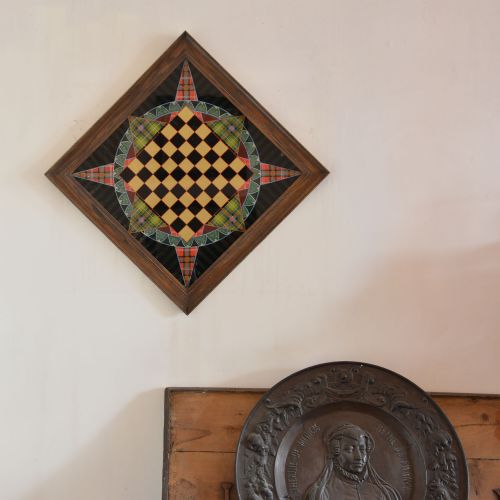


Antique Wooden Chess
These antique wooden chess pieces and boards span the nineteenth and early twentieth centuries, offering tactile craftsmanship for a traditional game.
Antique Wooden Chess
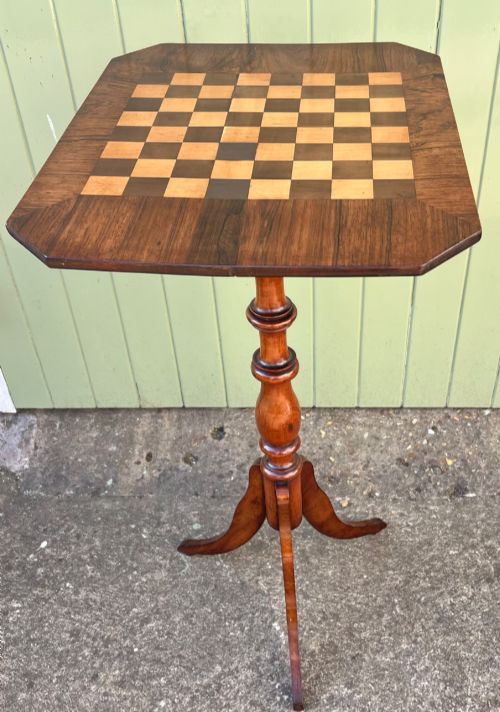
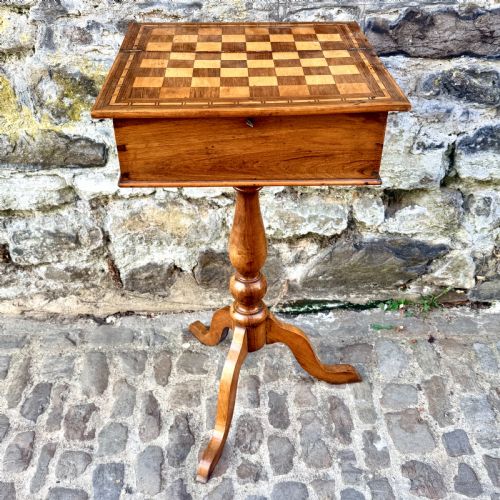
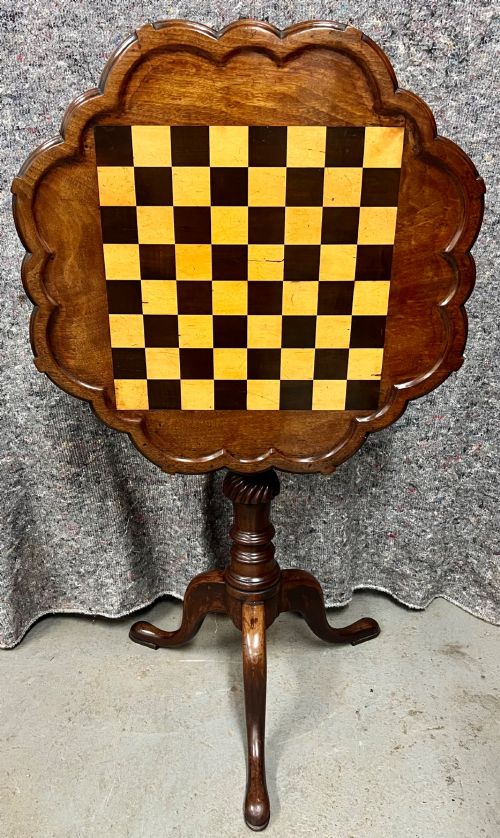
Antique wooden chess equipment primarily comprises complete playing sets, folding travel boards, and dedicated occasional tables with integrated playing surfaces. The pieces you encounter most often include traditional Staunton designs alongside folding rosewood boards and walnut games tables.
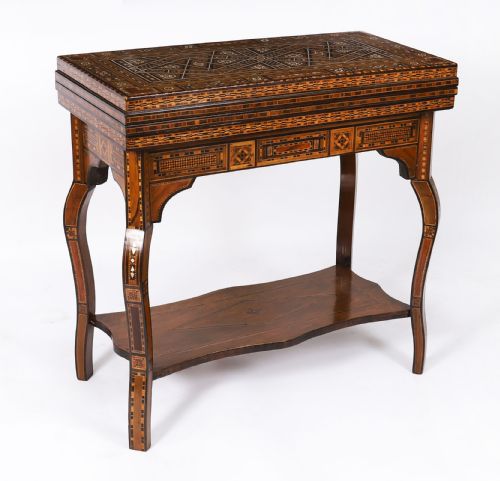
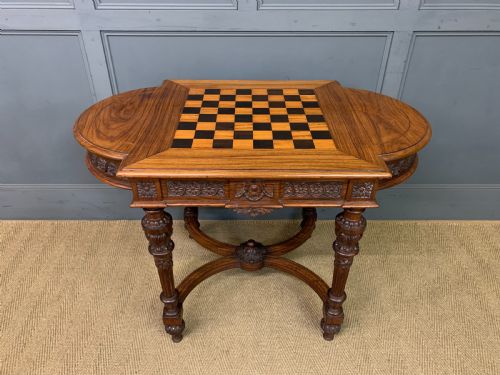
Originating from periods such as the Georgian, Victorian, and Edwardian eras, these items range from simple folding boards to elaborate multi-game compendiums. Regional variations such as French Provincial, Anglo-Indian, and Levantine tables also appear alongside standard English forms.
The selection includes specialised sets by notable makers, individual boards in boxwood and mahogany, and larger multi-purpose furniture designed for domestic leisure. Each format reflects the social habits of its period, from parlor gaming to portable travel sets.
Materials and construction
Craftsmen utilised dense hardwoods like rosewood, mahogany, walnut, and ebony for tables and boards, often contrasting them with lighter boxwood and sycamore for the chequered squares. Bone and brass also appear as supplementary materials for specific sets and hinges.
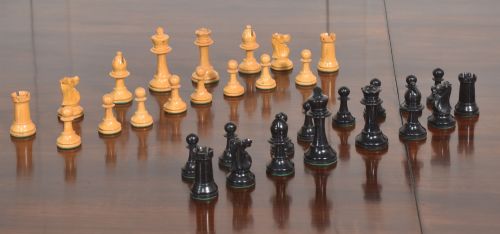
Turned boxwood and ebony formed the standard materials for chess pieces, which were frequently weighted to improve stability during play. Inlaid veneers created precise geometric patterns on table tops and folding boards.
Surface treatments included ebonising to darken lighter woods and reverse glass painting on specific decorative boards. Joinery techniques varied from tripod bases to folding campaign hinges designed for portability.
Antique Wooden Chess Retail Price Guide 2026
Typical asking prices for wooden chess among the pieces listed under this phrase on Sellingantiques today, from the lower quarter to the upper quarter. They describe what is for sale here now, not the wider market.
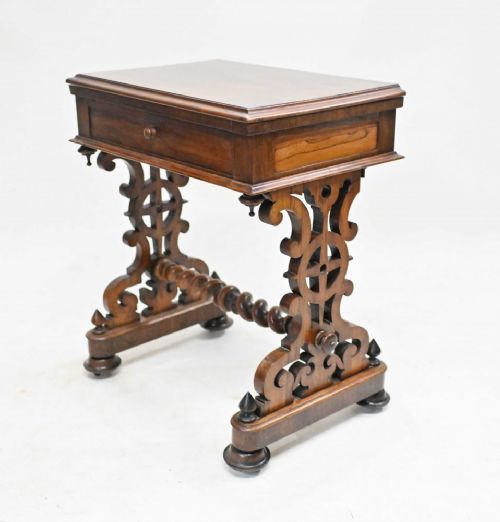
Some nineteenth century boards double as sewing tables, proving that Victorians took their lacework just as seriously as their checkmates.
Evaluating quality and execution
Quality in these items rests upon the precision of the woodwork and the integrity of the inlays forming the playing squares. Superior examples demonstrate crisp turning on the pieces and stable, well-fitted joints on tables and boxes.
Maker attribution separates standard commercial sets from superior workshop output, particularly with established names like Jaques or the British Chess Company. The crispness of carved knight heads and the matching of grain across board squares also indicate higher standards of production.
Condition and originality dictate the standing of a piece within its type. Intact finishes, original weights in pieces, and matching sets without replacement elements represent the upper tier of what is available.
Jaques·Whitty·British Chess Company·F H Ayres·Gillows·Calvert
The Antique Wooden Chess Glossary
- Staunton
- The standard pattern for chess pieces introduced in the mid-nineteenth century, defined by architectural rook towers and distinctive king crowns. This design remains the tournament standard today.
- Boxwood
- A pale, dense timber commonly utilised for the white pieces in a chess set or for the lighter squares on a board.
- Ebonisation
- The process of treating a cheaper timber, such as boxwood, with a chemical or stain to imitate solid ebony.
- Compendium
- A multi-game box or table containing equipment for chess, backgammon, cards, and other pastimes within a single housing.
- Campaign style
- Folding or compact furniture engineered for easy transport, often featuring brass corners and recessed handles.
Antique Wooden Chess: Frequently Asked Questions
What is a games compendium?
A games compendium is a fitted box or cabinet containing equipment for multiple pastimes, such as chess, checkers, and backgammon.
These pieces of furniture were popular in Victorian and Edwardian drawing rooms for entertaining guests.
How were antique chess tables used?
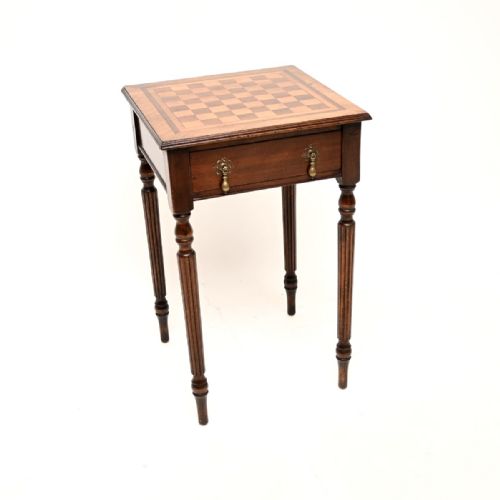
Chess tables functioned as dual-purpose furniture for domestic parlours, featuring removable or reversible tops that exposed a chequered playing surface.
Many examples also incorporated drawers for storing pieces or lower shelves for sewing equipment and cards.
Are travel chess sets different from home sets?
Travel sets generally feature smaller dimensions, folding boards, and occasionally pegged or sliding pieces to prevent movement during transit.
These compact items were designed for use on trains or during journeys in the nineteenth century.