
Antique Wooden Caddy Chest
An antique wooden caddy chest offers a tactile link to Georgian and Regency domestic rituals, prized for rich timber grains and intricate inlays.
Antique Wooden Caddy Chest
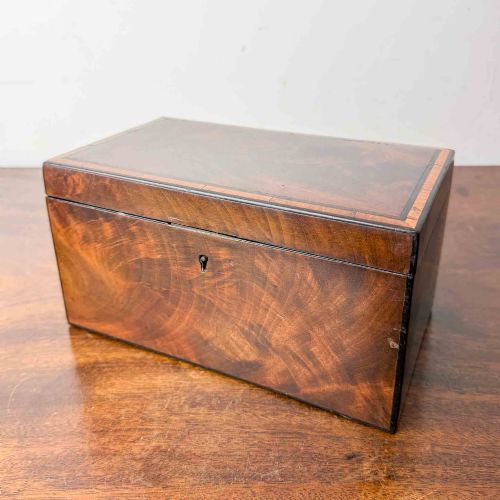
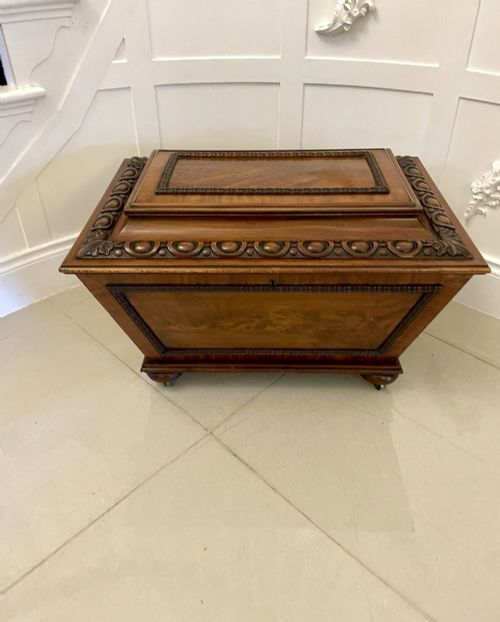
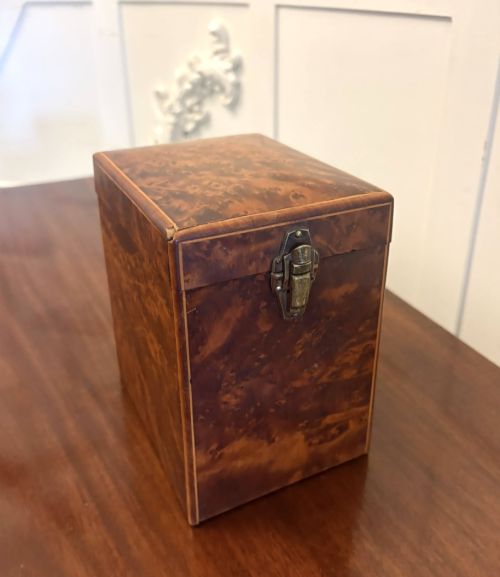
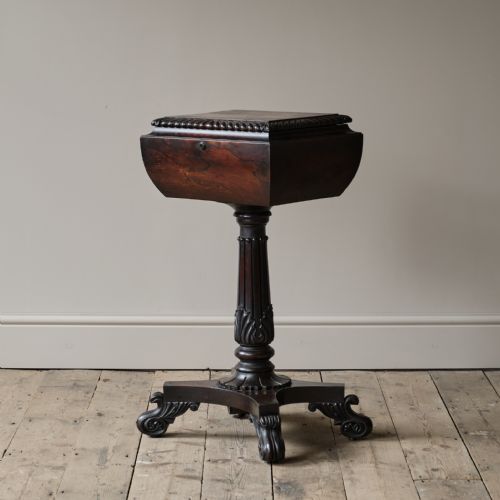
When you search for an antique wooden caddy chest, you encounter tea caddies, teapoys, cellarettes, and small decorative boxes dating from the eighteenth and nineteenth centuries. These pieces originate predominantly from Georgian, Regency, and Victorian periods, reflecting shifting tastes in interior design and social entertaining.
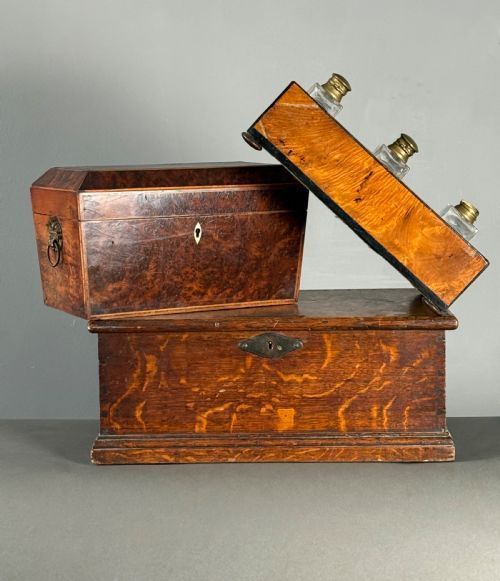
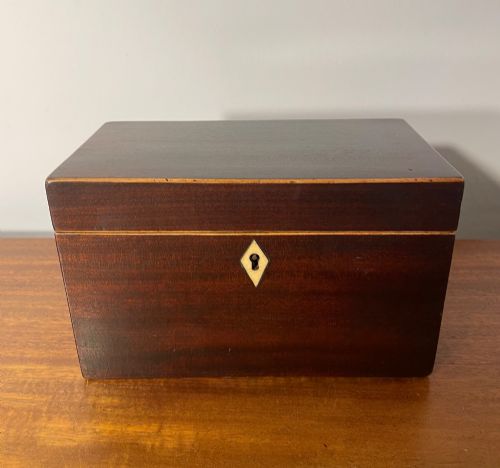
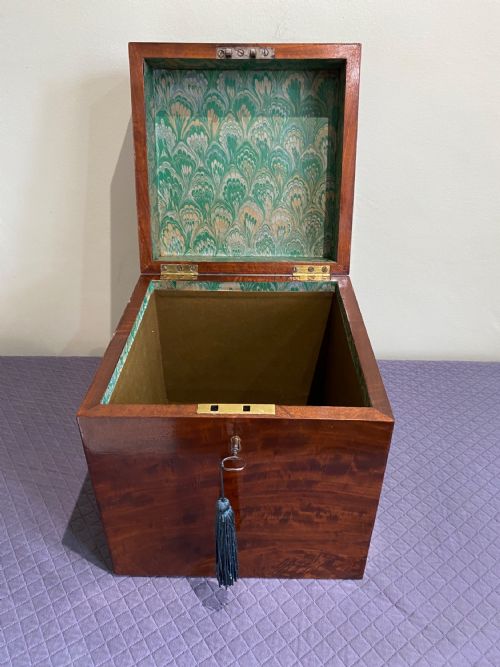
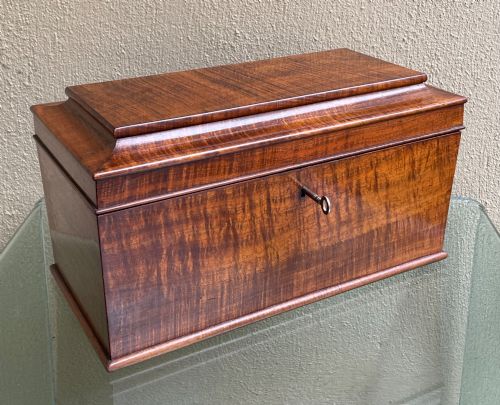
The version you are most likely to meet on this page is the mahogany or rosewood tea caddy, often taking a sarcophagus or rectangular form. Many examples incorporate fitted interiors with compartments for leaf storage and glass mixing bowls, alongside period details such as brass handles and working locks.
Materials and Technique
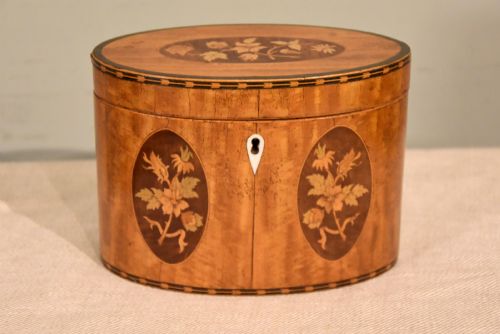
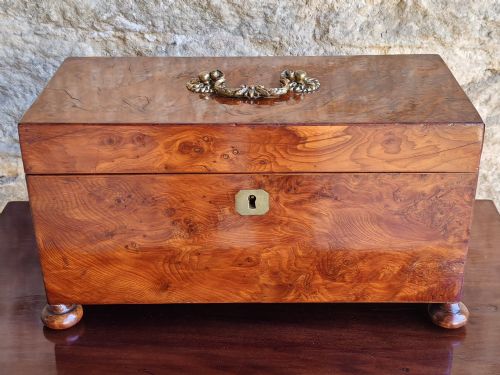
Cabinetmakers constructed these chests using dense hardwoods like mahogany, walnut, and rosewood, frequently applying finer veneers of satinwood, yew, and ebony to exterior surfaces. Timber selection governed the visual weight of the piece, allowing makers to achieve smooth curved profiles or crisp geometric lines.
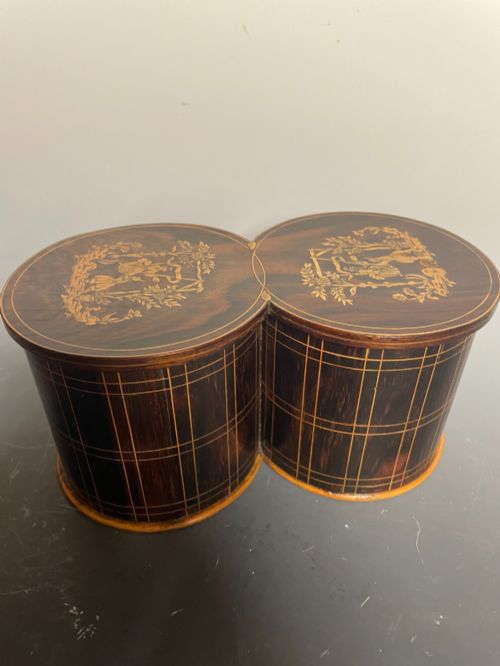
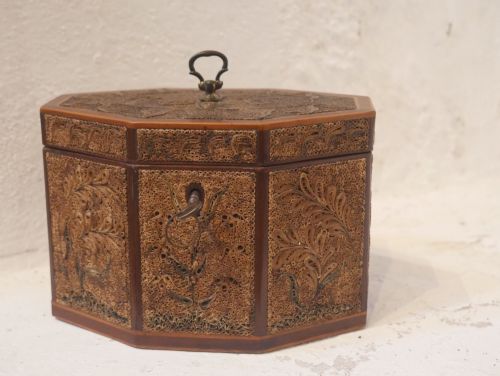
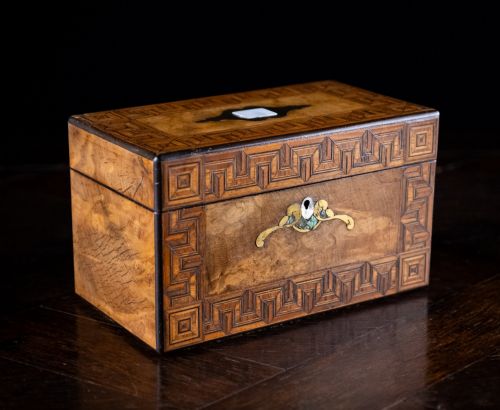
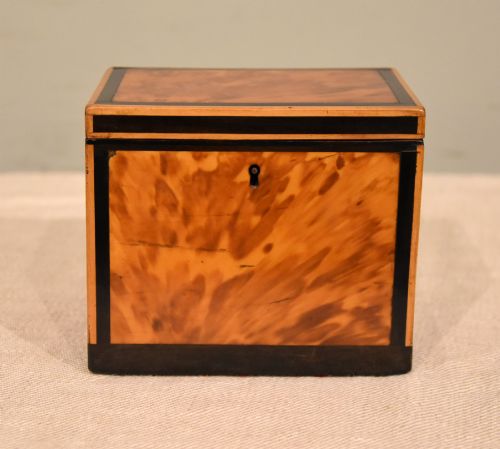
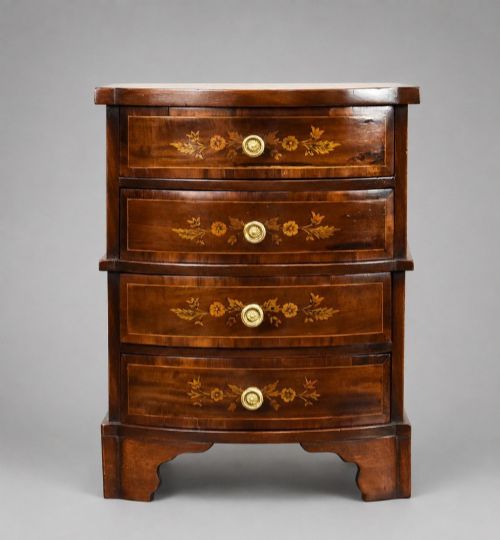
Decoration relied on precision craftsmanship, including parquetry, bone details, brass stringing, and Tunbridge Ware mosaic patterns. Artisans also employed specialised techniques such as paper filigree and tortoise-shell application to create textured, light-catching surfaces.
Geometric parquetry and Tunbridge Ware mosaic techniques appear alongside traditional brass inlay across multiple Victorian and Regency examples.
Design and Execution
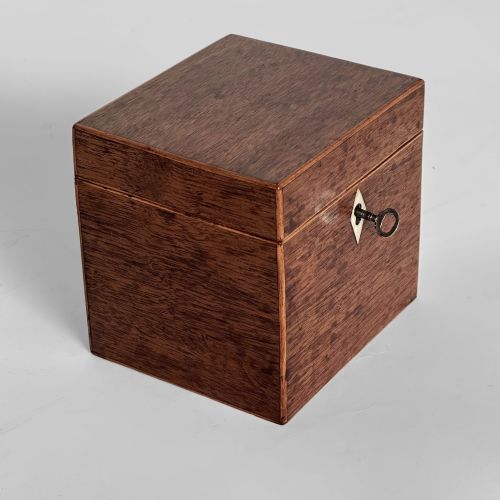
Quality separates the standard production box from the exceptional piece through the crispness of the inlay and the selection of figured timber veneers. Superior examples display perfectly matched grain patterns across every surface, tight mitre joints, and intact interior fittings such as original mixing bowls and internal lids.
The sophistication of the mechanism and hardware further distinguishes finer examples. Heavy cast brass lion mask handles, working locks with original keys, and secondary timbers of high grade indicate a piece made for a discerning household rather than standard utility.
Henry Hollamby
The Antique Wooden Caddy Chest Glossary
- Tea caddy
- A small storage chest designed to hold loose tea leaves securely. These containers often featured locked compartments to protect expensive imported leaves.
- Teapoy
- A pedestal table or large box featuring an internal arrangement for tea storage. They sat beside tea tables during the eighteenth and nineteenth centuries.
- Sarcophagus
- A box shape characterised by a domed or sloping lid resting on a flared base, reminiscent of classical monumental tombs. This silhouette became popular during the Regency period.
- Tunbridge Ware
- Small wooden objects decorated with mosaic patterns built from thousands of tiny coloured wood blocks. The technique originated in Kent during the nineteenth century.
- Parquetry
- Geometric mosaic woodwork formed by fitting thin pieces of wood veneer onto a solid core. Makers used contrasting timbers to create three-dimensional optical illusions.
Antique Wooden Caddy Chest: Frequently Asked Questions
What is an antique wooden caddy chest?
An antique wooden caddy chest is a small container originally built to store valuable loose tea leaves, spices, or wine during the eighteenth and nineteenth centuries. These boxes combined practical domestic utility with cabinetmaking artistry.
They typically feature hinged lids, divided interiors, and decorative exterior veneers such as mahogany, rosewood, or satinwood. Many survivors retain original locks, glass mixing bowls, and delicate inlay work.
How were tea caddies used historically?
Tea was an expensive luxury commodity in Georgian and Regency households, requiring secure storage under lock and key by the mistress of the house. The caddy held different tea varieties alongside a central glass bowl used for blending leaves.
Servants prepared the dry leaves from the caddy in the parlour or drawing room during formal social gatherings. The locked compartments ensured that household staff did not mismanage the valuable contents.
How do I identify a Regency caddy?
Regency pieces often display classical architectural influences, including sarcophagus shapes, brass lion mask handles, and bold geometric brass stringing. Cabinetmakers of this era favoured dark exotic timbers like rosewood contrasted with lighter boxwood or ebony.
Proportions became more monumental during this period, moving away from the delicate serpentine and oval shapes common in late eighteenth-century Georgian design.
Can I use an antique caddy today?
These chests adapt readily to modern homes as decorative storage boxes for jewellery, trinkets, or desk accessories. Their divided interiors and lidded compartments provide practical organisation for small personal items.
Placing them on sideboards or dressing tables preserves their visibility while protecting historic wood finishes from excessive moisture or direct heat sources.