




Antique Wooden Boots
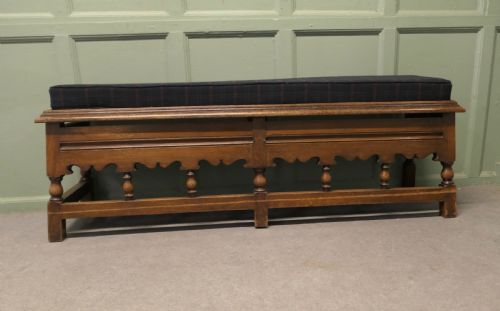
Antique wooden boots and associated items bring utilitarian charm to a hallway, spanning practical boot jacks, racks and carved treen.
Antique Wooden Boots
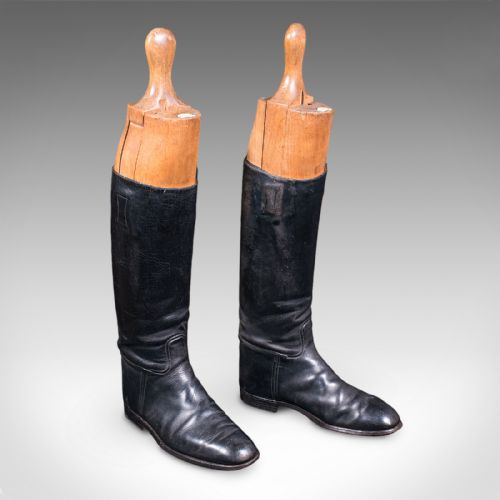
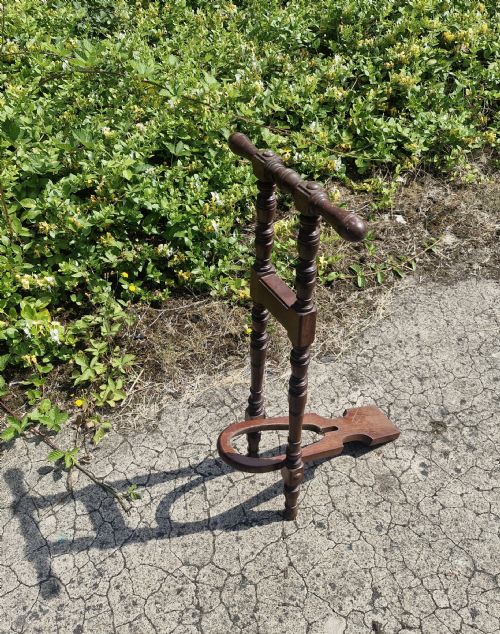
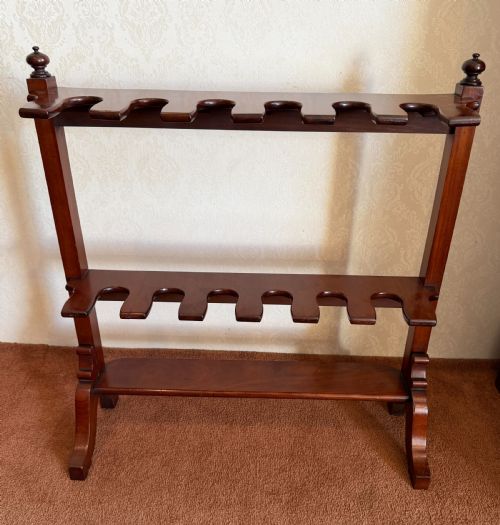
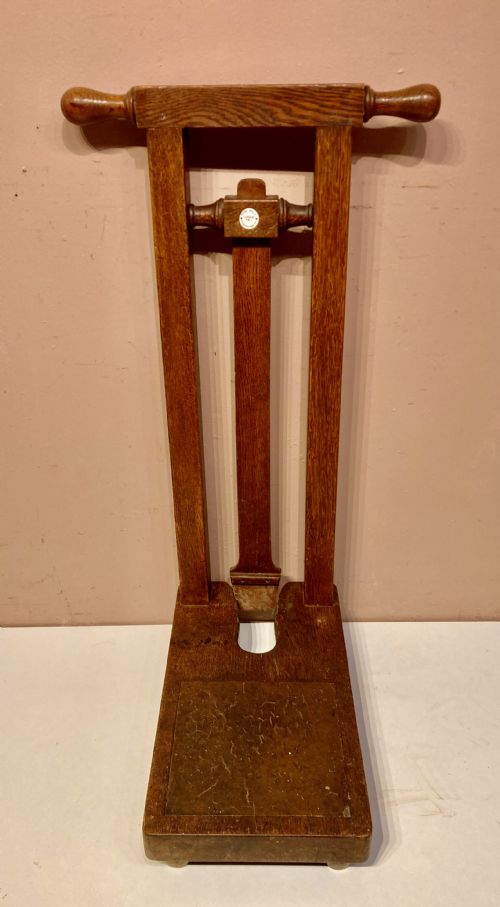
When searching for antique wooden boots, collectors encounter a diverse array of boot jacks, stretching lasts, shoe racks, and hall furniture designed for footwear management. These functional objects originate primarily from the Georgian, Victorian, and Edwardian periods, reflecting the practical needs of country houses and domestic hallways.
The most common forms on this page include mahogany, oak, and walnut boot jacks alongside beech stretching lasts and revolving boot stands. Items range from simple folding campaign pieces to substantial entrance hall stands incorporating brass and ceramic fittings.
Materials and construction methods
Makers utilised dense hardwoods such as mahogany, oak, walnut, and beech to withstand the rigorous daily leverage required for removing riding boots and footwear. Metal elements in brass and iron appear frequently as hinges, folding hooks, and mounting plates.
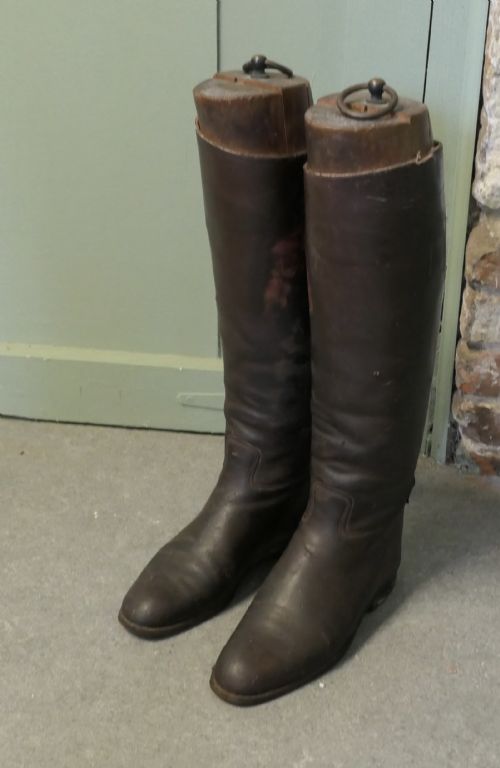
Joinery methods combine hand-carved solid timber components with turned elements and applied hardware. Leather straps and pads often accompany beech stretchers and boot trees to maintain the shape of fine footwear.
Antique Wooden Boots Retail Price Guide 2026
Typical asking prices for wooden boots among the pieces listed under this phrase on Sellingantiques today, from the lower quarter to the upper quarter. They describe what is for sale here now, not the wider market.
Factors determining quality
Superior examples exhibit deliberate selection of figured timber grain, particularly in mahogany and walnut pieces intended for prominent entrance halls. The integration of solid brass mounts and well-engineered folding mechanisms distinguishes higher grade utilitarian items.
Carving definition and retention of original surface patination separate standard utility pieces from finer workshop productions. The presence of maker stamps or specific retail attribution adds distinct provenance.
Maxwell London·Tom Hill·Waring & Gillow
The Antique Wooden Boots Glossary
- Boot jack
- A V-notched device placed on the floor to grip the heel of a boot for removal without bending down. These often feature folding hooks or brass mounts.
- Boot tree
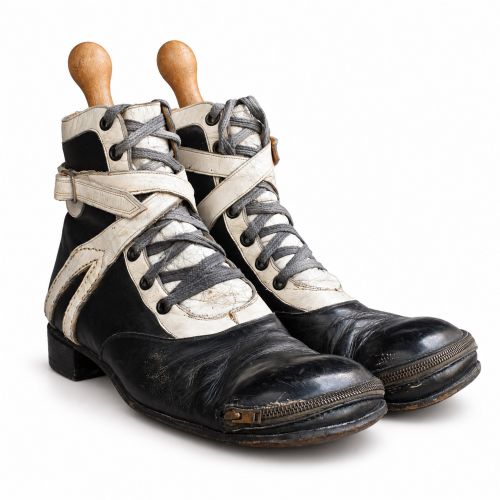
- Wooden blocks inserted into boots to maintain shape and absorb moisture during storage. They frequently utilise adjustable screw mechanisms.
- Treen
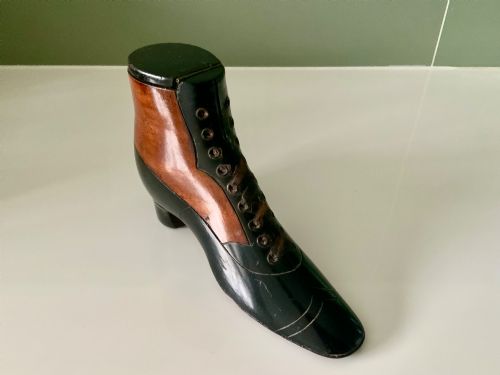
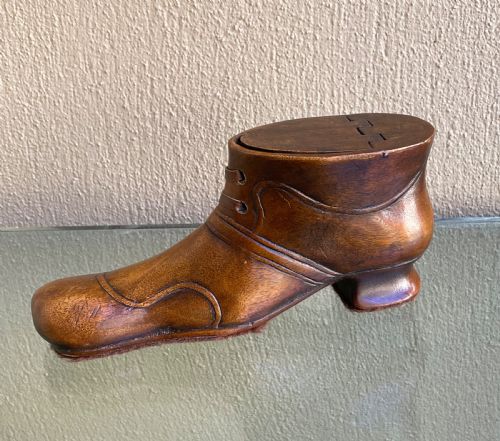
- Small handmade wooden objects produced as decorative or functional items. Snuff shoes and novelty inkwells represent this category.
- Hall stand
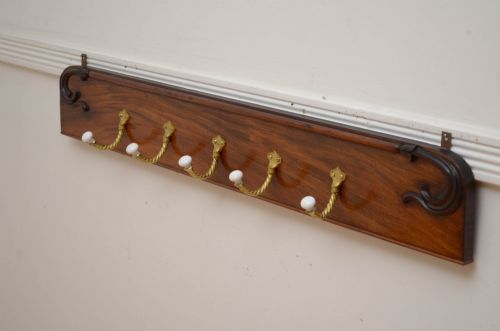
- Furniture piece combining coat hooks, umbrella storage, and shoe racks for entrance spaces. They utilise timbers like mahogany and oak.
- Campaign equipment
- Portable furniture and accessories designed for military officers on deployment. These items typically feature folding designs and brass reinforcement.
Antique Wooden Boots: Frequently Asked Questions
What is a boot jack used for?
A boot jack allows the wearer to remove tight riding or field boots without bending over. The user places one heel in the V-shaped notch while standing on the wooden base and pulls the foot free.
Historically positioned in hallways and boot rooms, these devices protected delicate leather from damage during removal.
How do you date an antique boot rack?
Dating relies on timber selection, secondary woods, and hardware construction. Pieces from the Georgian and Victorian eras frequently employ solid mahogany or oak with hand-cut joinery.
Later Edwardian and early twentieth-century examples introduce machine-turned components and standardised brass fittings.
What are shoe trees made from?
Shoe and boot trees on this page are constructed primarily from beech or other dense woods. Many incorporate metal adjustment screws and leather pulls.
Their purpose was to stretch damp footwear gently and prevent leather from curling during storage.
Where should I place a boot rack?
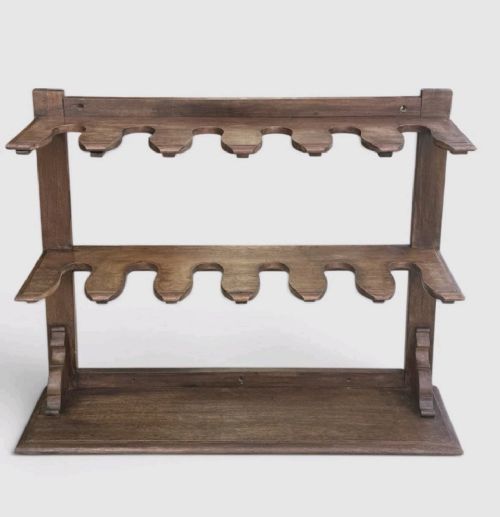
These pieces suit entrance halls, boot rooms, and corridors where outdoor footwear is stored. Their compact footprints make them practical for everyday organisation.
Pairing them with related hall furniture creates a cohesive period interior scheme.