





Antique Wood Workbench
An antique wood workbench brings centuries of functional craftsmanship into a modern interior, offering sturdy utility and deep historical character.
Antique Wood Workbench
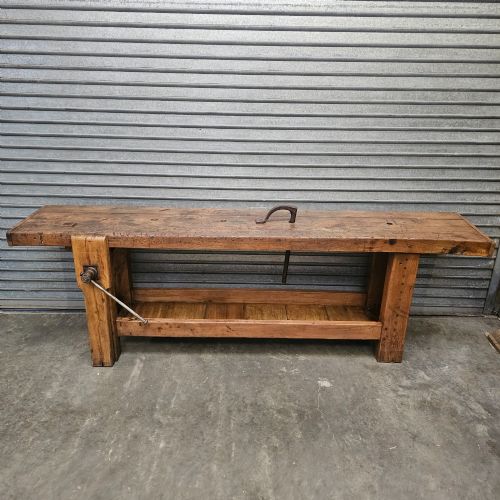
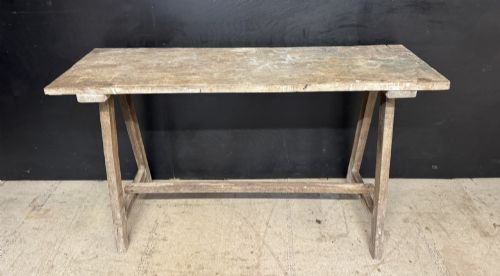
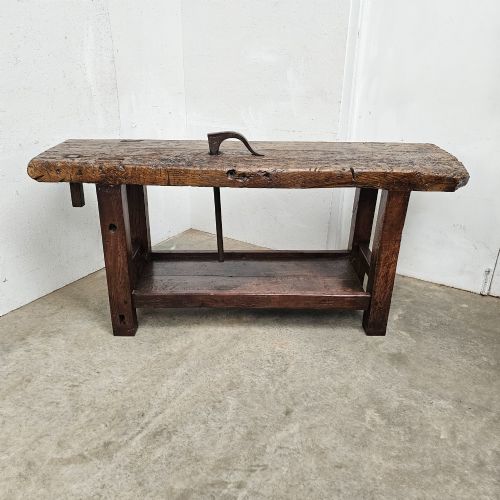
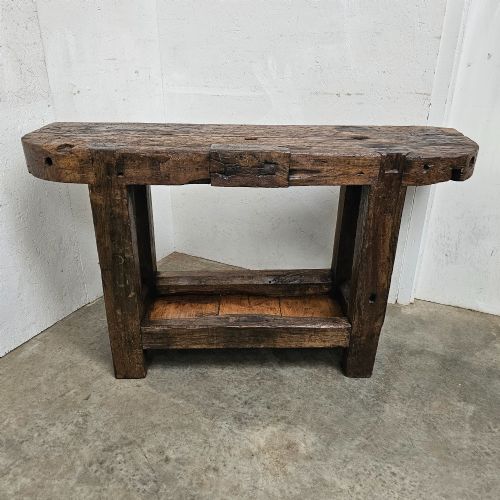
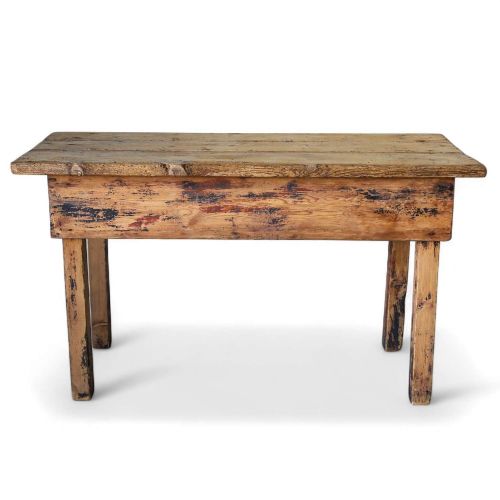
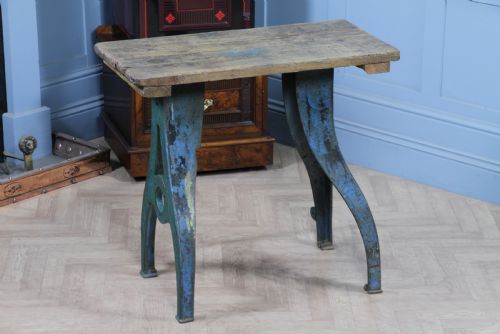
When searching for an antique wood workbench, a buyer encounters heavy utility tables designed originally for trade work, craft production and domestic preparation. These surfaces range from substantial French artisan and carpenter benches fitted with wooden vises and clamping bars to simpler pine farm tables and sorting pieces.
The selections span the nineteenth century through the early twentieth century, incorporating regional European and British workshop forms. Many surviving examples show the distinct patination of daily trade use, from gouged timber tops to integrated tool wells.
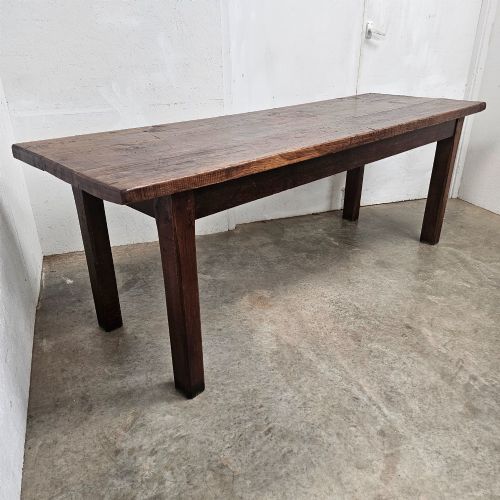
While traditional joiners and watchmakers utilised compact benches, larger country house and provincial variants offer ample proportions suited for modern dining or kitchen island use. The most frequent discoveries on this page are French provincial and rustic pine or oak work surfaces originating from the eighteen-eighties onward.
Assessing Quality and Character
Quality in these utility pieces rests upon the integrity of the original timber frame, the thickness of the top slab and the retention of working mechanisms like vises and clamping bars. Pieces that maintain their original structural hardware command stronger interest among collectors.
The depth of surface patination, honest wear and original unpainted or scrubbed finishes distinguish superior examples from heavily restored or altered items. The balance between utilitarian strength and pleasing domestic proportion determines how successfully a bench transitions into a living space.
Antique Wood Workbench Retail Price Guide 2026
Typical asking prices for wood workbench among the pieces listed under this phrase on Sellingantiques today, from the lower quarter to the upper quarter. They describe what is for sale here now, not the wider market.
A jeweller's stool by Thonet cants its seat forward, designed to keep nineteenth-century craftsmen alert over tiny gears.
Thonet
The Antique Wood Workbench Glossary
- Clamping bar
- A heavy wooden beam integrated into a workbench top used to secure materials during sawing or shaping. This device allows artisans to fix workpieces firmly across the surface.
- Trestle table
- A long surface supported by two or more trestle frames rather than four individual legs. This construction provides maximum legroom and stability.
- Scrubbed finish
- A surface repeatedly washed with water and stiff brushes to remove grime and reveal the pale grain of woods like sycamore, pine or elm. This treatment yields a clean matte texture popular in rustic interiors.
- Cobblers bench
- A low wooden seat incorporating small compartments and ledges designed for shoemaking tools and leatherwork. These compact specialist forms double as distinctive low display pieces.
- Patina
- The surface sheen and colour acquired by wood and metal through age, handling and cleaning. This gradual wear indicates genuine age and use.
Antique Wood Workbench: Frequently Asked Questions
Can I use an antique workbench as a dining table?
Many sturdy nineteenth century benches and work tables feature sufficient length and knee clearance for daily dining use.
Buyers often select scrubbed pine or oak variants to anchor rustic dining spaces or kitchen areas.
How do I care for a scrubbed wood top?
Maintenance requires dry wiping and occasional cleaning with mild soap and water to preserve the untreated wood surface. Avoid excessive moisture and harsh chemical sealants that alter the historic patination.
Natural oils may be applied sparingly if the timber requires nourishment against drying out.
What is the difference between a watchmaker table and a carpenter bench?
Watchmaker and jeweller tables feature smaller dimensions, shallow drawers and specialised wells intended for delicate, minute components. Carpenter benches are heavier, wider, and equipped with large wooden vises and clamping bars for heavy timber manipulation.
Both serve distinct functional histories within nineteenth century trades.
How can I date an antique workbench?
Dating relies on construction methods, tool marks, hardware types and timber species typical of specific decades like the eighteen-eighties or nineteen-twenties. Machine-cut elements suggest later production periods, while hand-sawn timbers and pegged joints point toward earlier nineteenth-century origins.
Comparing the style to regional workshop traditions helps narrow the decade.