
Antique Wood Vessel
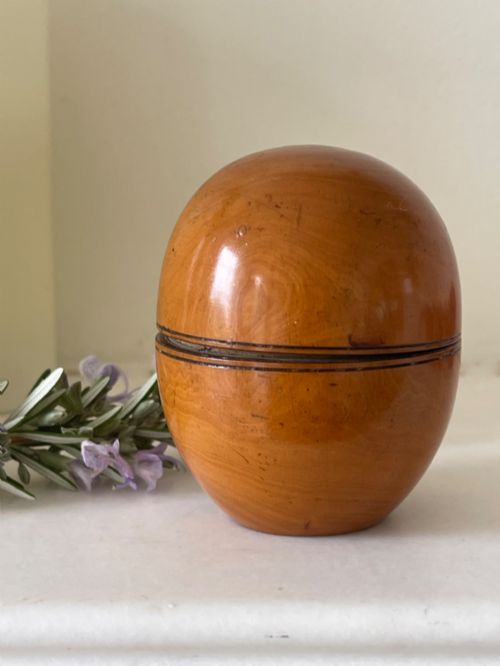
An antique wood vessel brings the warmth of turned sycamore, fruitwood and oak directly into a room.
Antique Wood Vessel
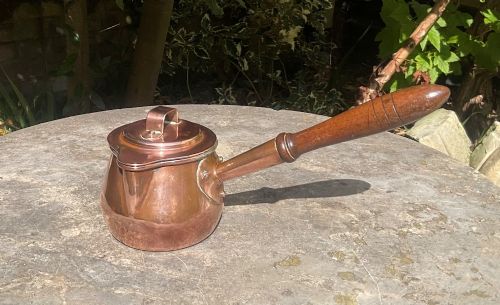
When you search for an antique wood vessel, you encounter turned utility objects, dairy bowls, lidded cups, and carved urns from the seventeenth to the twentieth centuries. The pieces on this page span British, Scandinavian, and continental workshops, reflecting centuries of practical turning and domestic craft.
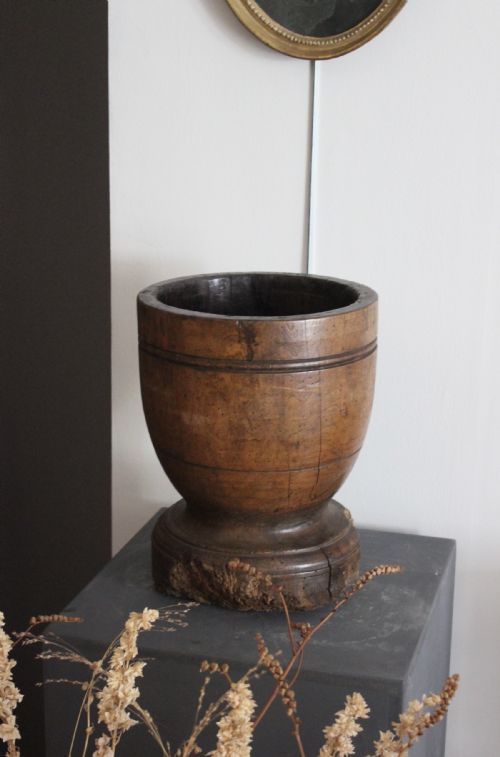
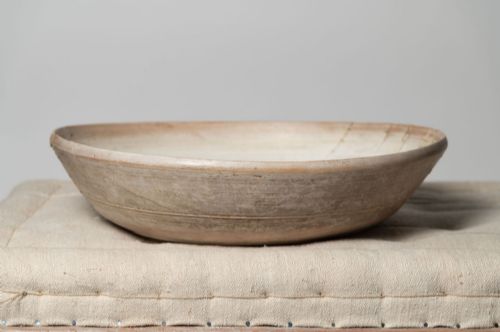
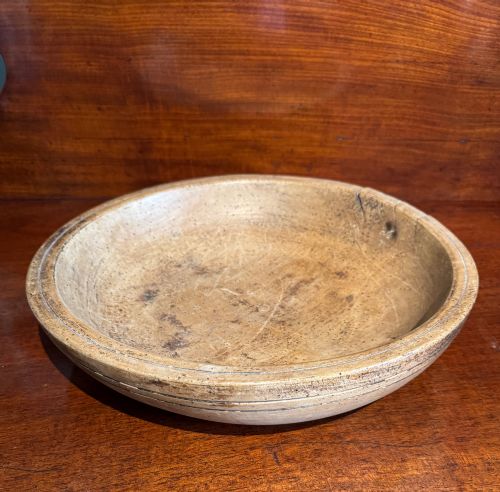
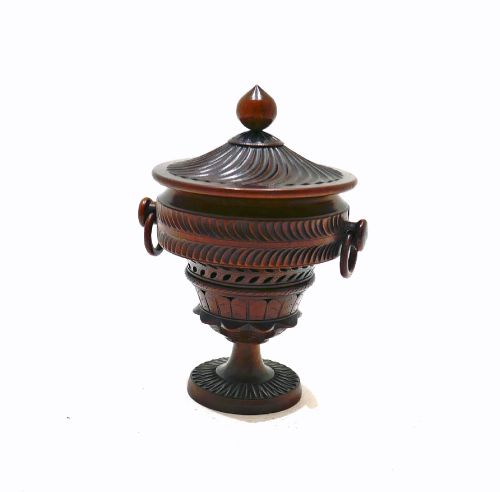
The most common forms you meet are turned sycamore dairy bowls from Sweden and Britain, alongside turned fruitwood and lignum vitae drinking vessels, mortars, and lidded pomanders. These domestic items survive alongside coopered oak buckets, barrels, and decorative vases shaped from walnut.
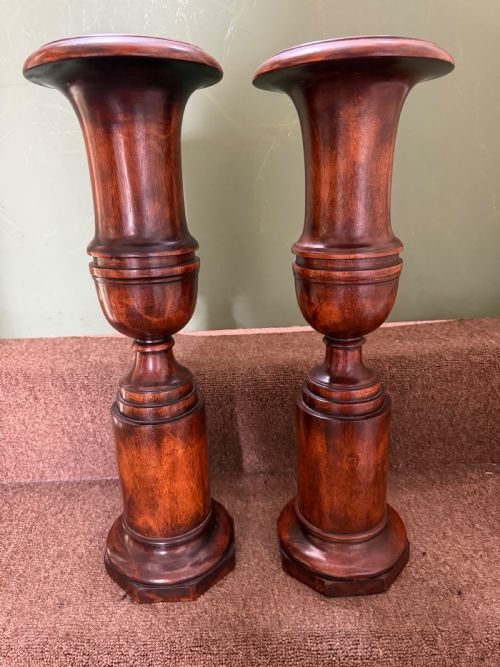
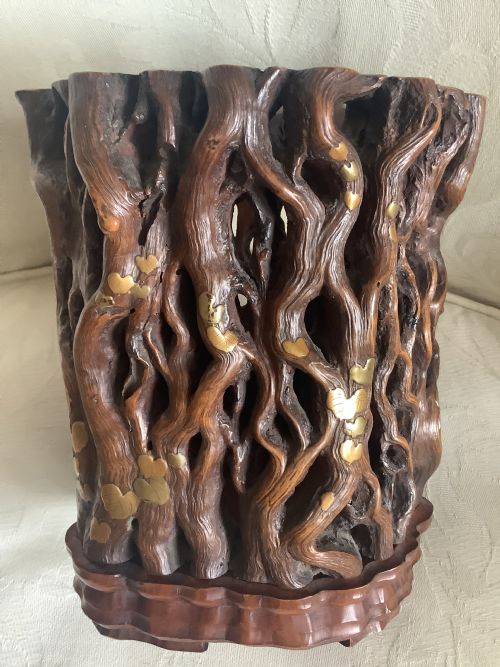
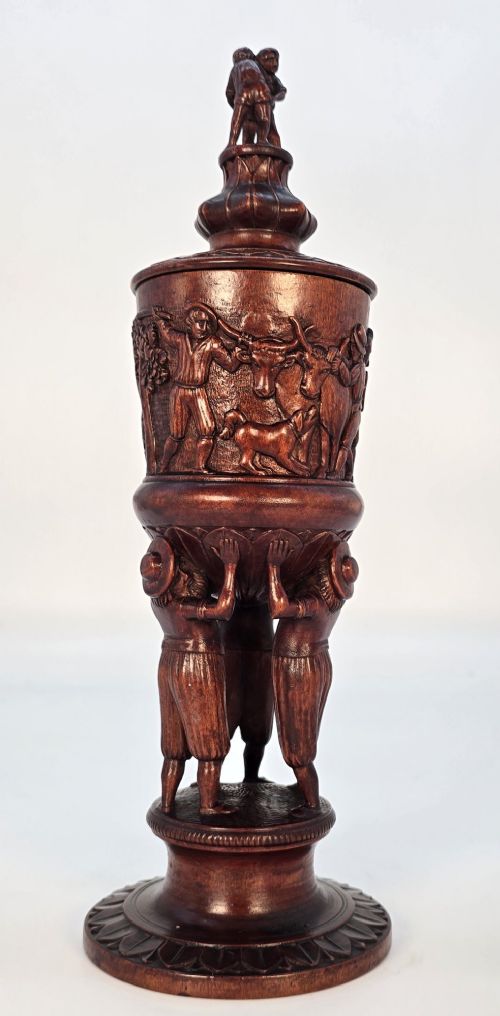
Makers utilised native hardwoods to shape functional containers for kitchen, dairy, and parlour use, which now function as decorative objects. The selection ranges from plain provincial pine and sycamore to intricately carved neoclassical urns and Swiss chalet work.
How they were made
Turners shaped green or seasoned timber on a lathe, utilising gouges and chisels to hollow out bowls, cups, and vases from blocks of sycamore, walnut, fruitwood, and lignum vitae. Grain alignment determined the strength of thin-walled vessels, while coopered items relied on tightly fitted stave construction bound with brass or iron hoops.
Carvers employed hand tools to finish surfaces, adding painted finishes to pine dairy bowls or leaving dense tropical hardwoods and indigenous timber plain to display natural figure and patination. Lids, stems, and pedestals were frequently turned separately and fitted with threaded joints or simple pegs.
What varies in quality
Quality rests upon the crispness of the turning, the balance of the proportions, and the depth of the patination accumulated through generations of handling. A well-proportioned pedestal goblet or urn exhibits clean lines and a wall thickness that feels appropriate to the scale of the timber.
The choice and soundness of the wood dictate longevity, with dense timbers like lignum vitae and well-figured walnut holding sharper details than softer pine or plain hardwoods. Original surfaces, untouched by modern sanding, retain the tool marks and colour that separate a superior specimen from a compromised one.
The Antique Wood Vessel Glossary
- Treen
- Small handmade wooden objects of domestic use. The term derives from old English words for tree or wood.
- Sycamore
- A light-coloured hardwood frequently chosen by turners for dairy vessels. It resists splitting and imparts no taste to foodstuffs.
- Lignum vitae
- A dense, heavy timber from tropical trees with natural oily resins. It sinks in water and was favoured for mortars and turned goblets.
- Coopered
- Constructed from curved wooden staves bound together with metal or wooden hoops. This technique produced barrels, buckets, and peat bins.
- Campana
- Formed in the shape of an inverted bell. This classical profile appears on urns and spill vases.
Antique Wood Vessel: Frequently Asked Questions
How were wooden vessels used originally?
Wooden vessels served everyday domestic and agricultural functions, ranging from setting cream in dairies to holding spices, tobacco, or liquids.
Heavier turned items like mortars processed medicinal ingredients and kitchen powders, while decorative urns and cups remained on display in parlours.
How do I care for antique wood?
Keep wooden pieces away from direct heat sources, radiators, and strong sunlight to prevent the timber from drying out and cracking.
Apply a light microcrystalline wax occasionally if the surface appears dry, avoiding modern liquid polishes that build up sticky residues.
What is treen?
Treen encompasses small, useful wooden objects made before mass production replaced manual turning and carving.
Items include cups, mortars, boxes, and small bowls that display the individual skill of the woodturner.
How do I date a wooden vessel?
Dating relies on tool marks, timber choice, wear patterns, and the stylistic vocabulary of the turning profiles.
Earlier pieces often show irregular lathe-dog marks or hand-carved details, while later nineteenth-century items display more uniform mechanical turning.