

Antique Wood Tilt Top Table
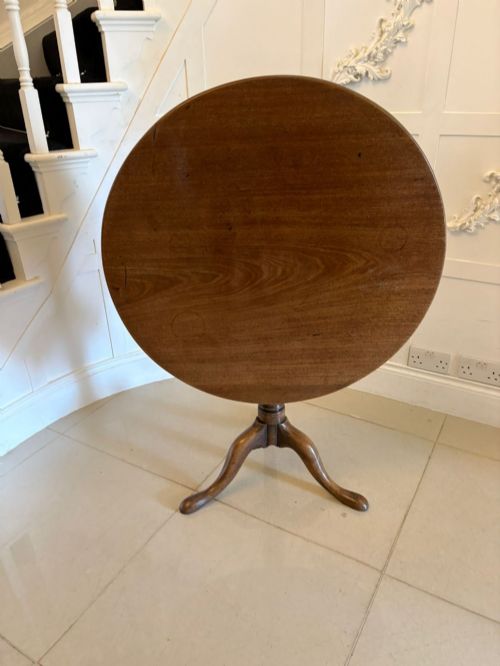
An antique wood tilt top table is a practical British household piece designed to save space when tipped against a wall.
Antique Wood Tilt Top Table
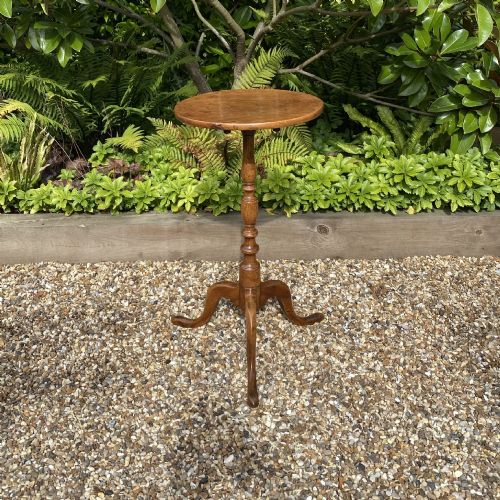
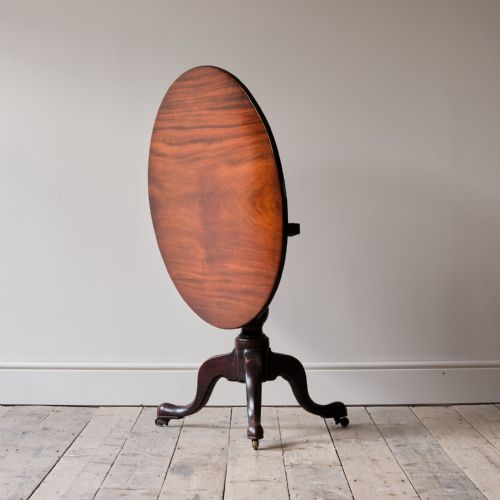
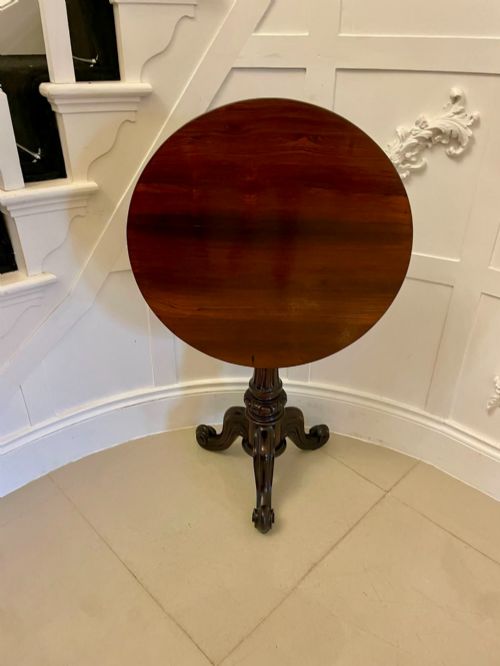
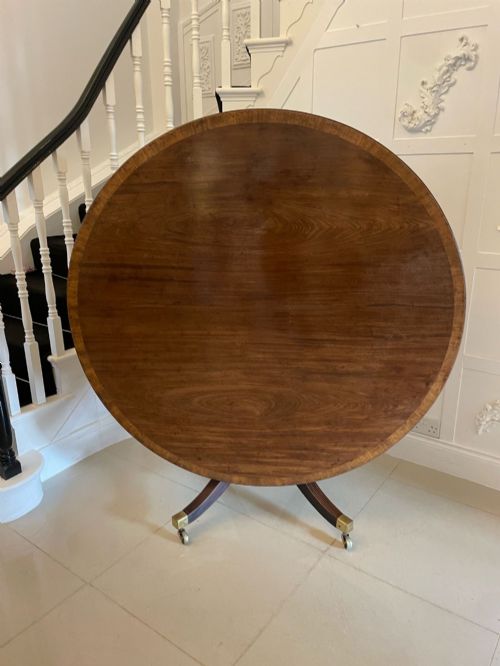
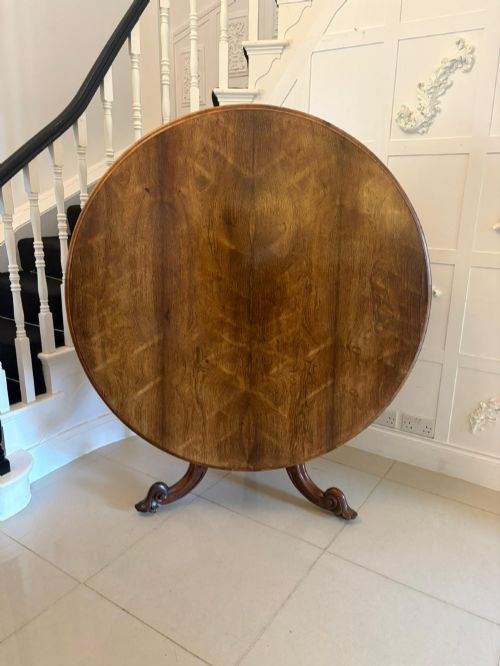
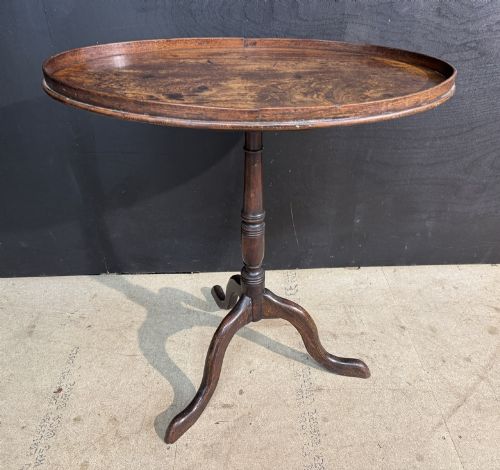
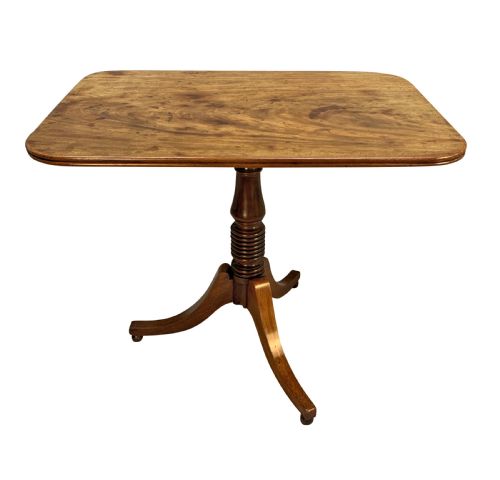
The antique wood tilt top table functions as a dual-purpose piece, serving as a standard occasional or dining table when flat and folding vertically via a clever catch mechanism when not in use. You will most frequently encounter compact wine or tripod tables from the Georgian and Victorian periods, alongside larger breakfast and dining formats.
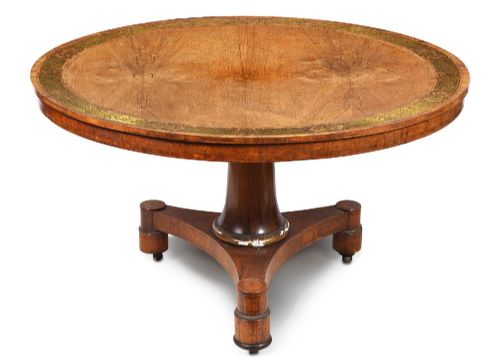
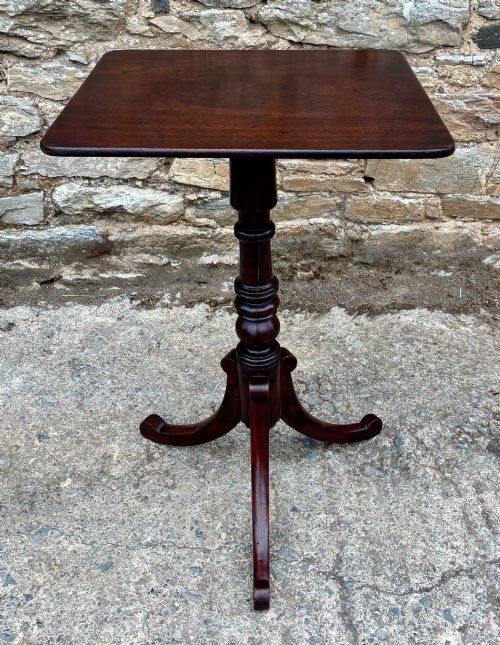
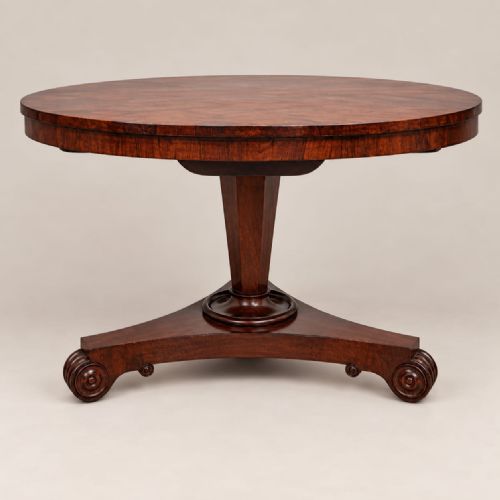
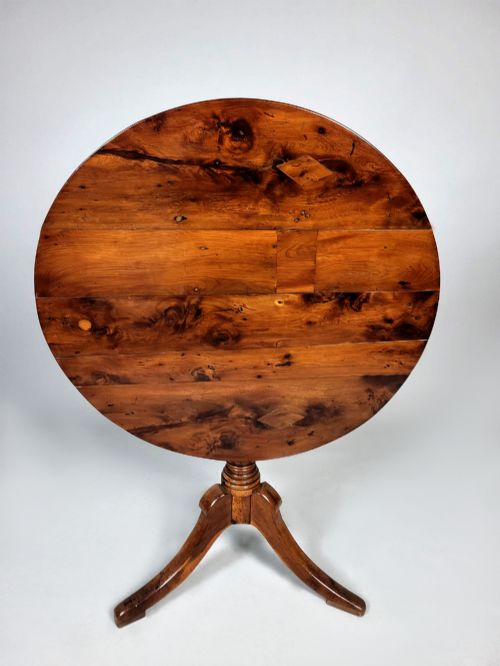
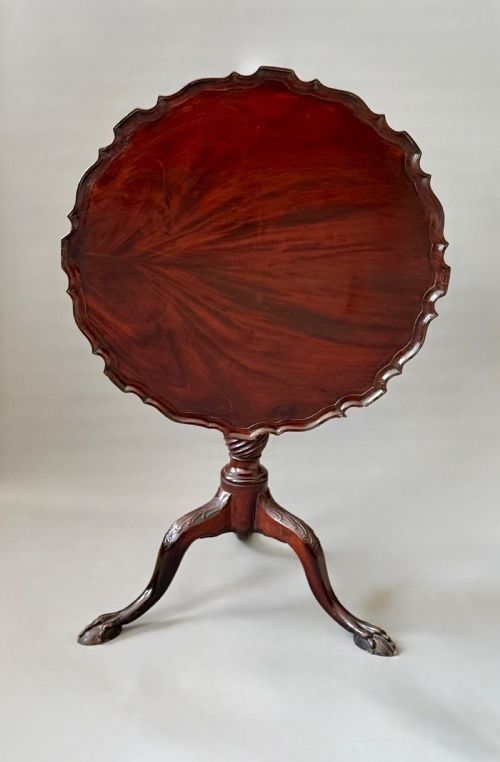
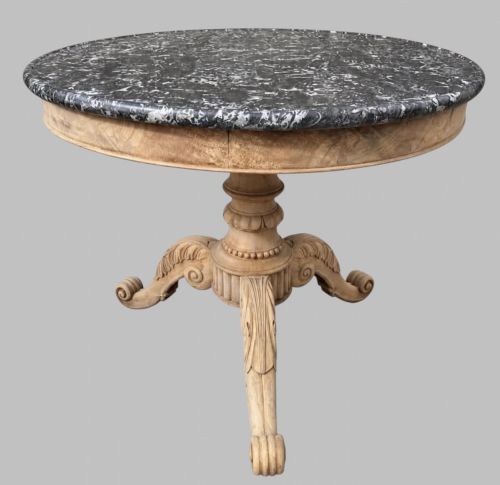
Makers constructed these tables from dense timbers like mahogany, rosewood, and walnut, often supported on a central pillar with a three or four-legged tripod base. Formats range from small occasional tea tables to grand breakfast tables designed to seat several guests.
How They Were Made
Cabinetmakers utilised dense native and imported timbers, notably mahogany, rosewood, and walnut, frequently selecting figured veneers or solid planks for the circular and oval tops. Details such as boxwood stringing, brass fittings, and turned or carved central pedestals demonstrate the joinery techniques of the Georgian, Regency, and Victorian eras.
The tipping mechanism relies on a wooden birdcage or a brass catch block fixed beneath the top, allowing the surface to pivot smoothly and lock securely into position.
Some tables feature secret catches that demand a specific twist to unlock, frustrating eager guests.
What Varies in Quality
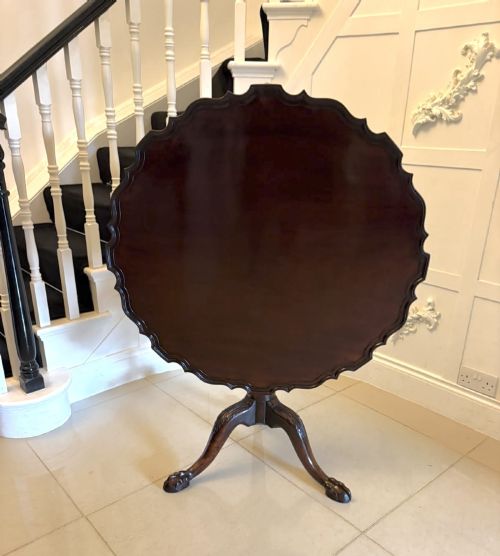
Quality rests primarily on the choice of timber and the crispness of the carving on the pillar and tripod base. Tables featuring heavily figured mahogany, well-matched rosewood veneer, or detailed pie crust edges represent the finer end of the scale.
Stability matters deeply in a tilt top design; a well-fitted catch mechanism and a straight, true pillar ensure the top remains level and firm when in use.
Gillows
The Antique Wood Tilt Top Table Glossary
- Tilt-top
- A table top hinged to a central pillar so it can pivot vertically for storage against a wall.
- Tripod base
- A support structure featuring three legs radiating from a central turned column.
- Birdcage
- A revolving wooden framework beneath the top that allows a tilt-top table to both rotate and tip.
- Pie crust edge
- A decorative raised border carved into the perimeter of a wooden table top.
- Loo table
- A large Victorian round or oval breakfast table utilised for evening games and dining.
Antique Wood Tilt Top Table: Frequently Asked Questions
Why do these tables tilt?
The tilting mechanism allowed households to push the furniture out of the way against the perimeter of a parlour or dining room when floor space was needed.
This practical design made them versatile additions to smaller rooms before central permanent placement became common.
How do I spot a Georgian example?
Georgian pieces typically display simpler lines, solid mahogany or fruitwood construction, and slender tripod legs ending in pad or snake feet.
Craftsmen during this period focused on proportion and timber grain rather than heavy applied ornamentation.
Where should I place one at home?
A smaller wine table works effectively beside a sofa or in an empty corner, while larger circular formats anchor a dining space.
Leaving the top tilted against a wall when not dining showcases the timber grain and saves walking space.
What is the difference between a wine table and a breakfast table?
Wine tables are smaller occasional pieces designed to hold a single glass or bottle, usually supported by a slender tripod base.
Breakfast tables are substantially larger dining formats intended to seat several people comfortably around a central pedestal.