



Antique Wood Pole
When you search for an antique wood pole, you are looking for ingenious adjustable firescreens and upright standards crafted to block the radiant heat of an open hearth.
Antique Wood Pole
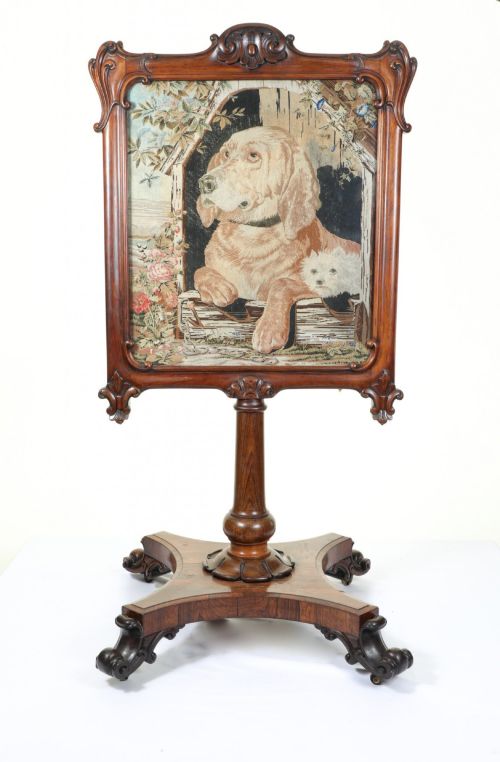
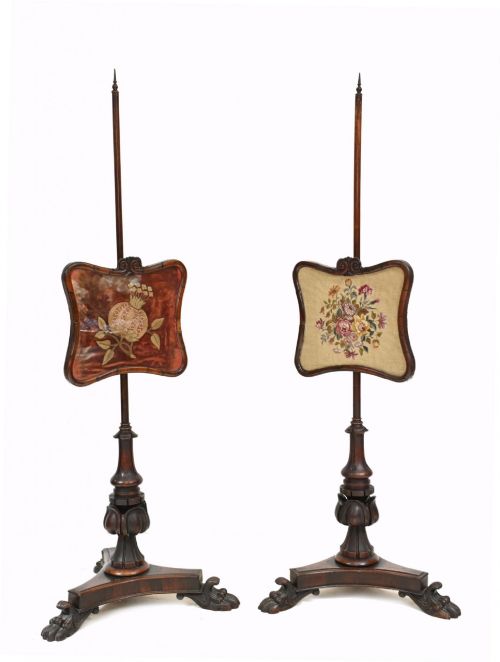
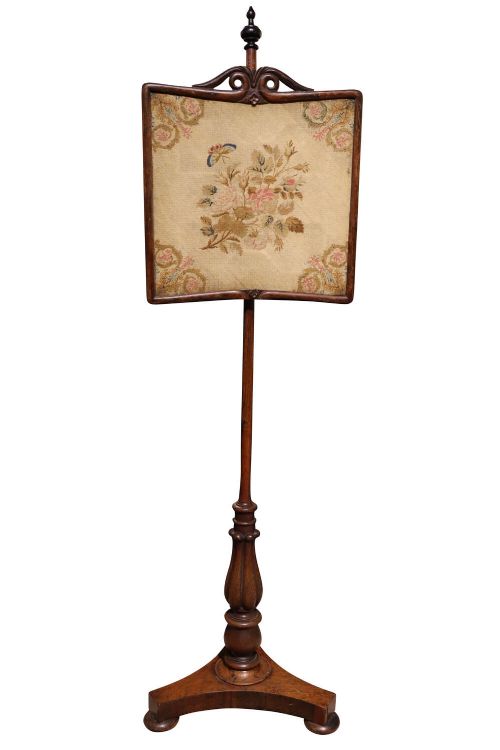
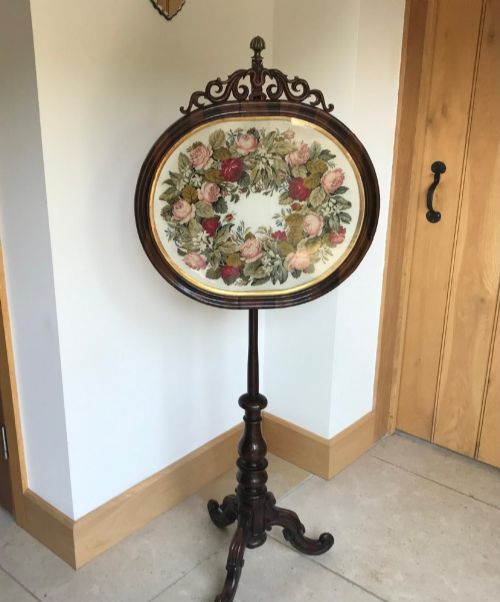
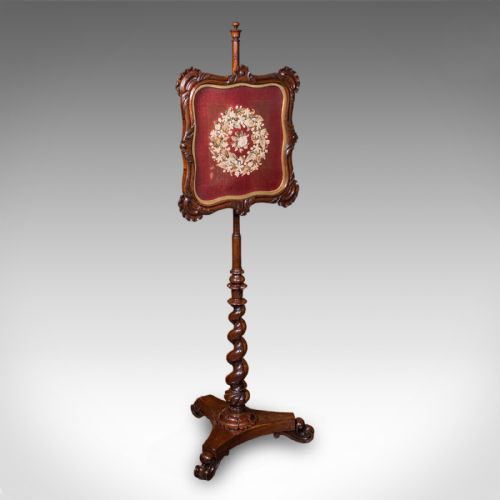
The primary forms found under an antique wood pole search are pole screens, standing upright on tripod or spade-footed bases with adjustable framed panels. These domestic items were positioned near fireplaces to shield the face from intense heat or to protect delicate complexions from the flames.
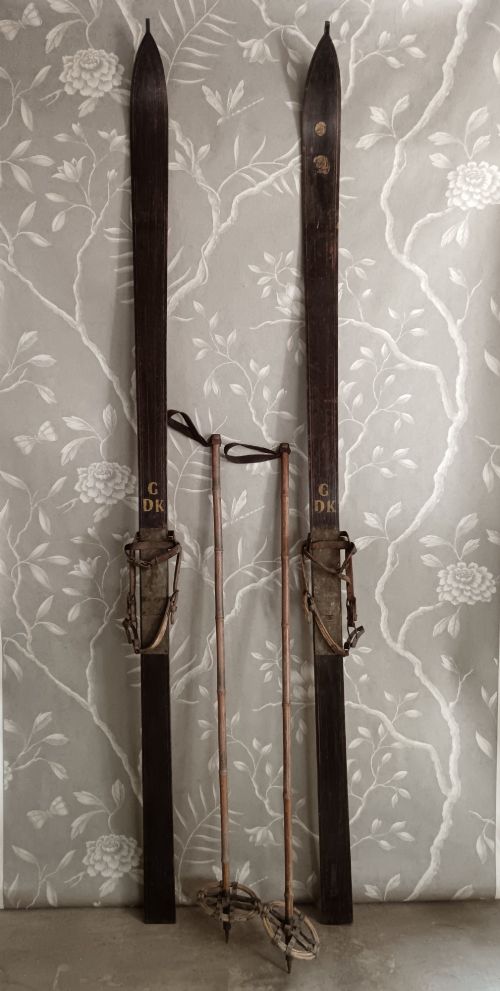
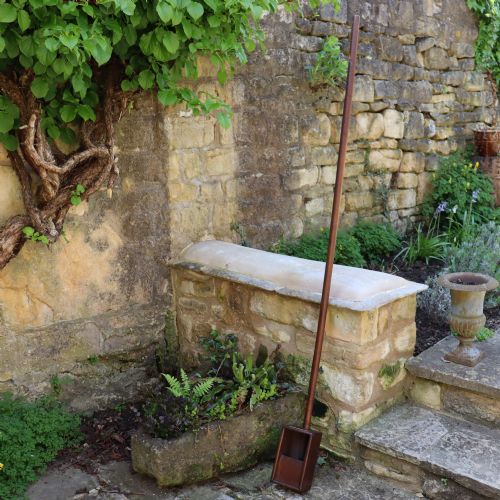
Beyond firescreens, the selection includes curtain poles, sporting equipment such as wooden skis with bamboo poles, and ecclesiastical collection boxes on long wooden shafts. Most examples originate from the Georgian, Regency, and Victorian eras, demonstrating the shift in interior furnishings over the nineteenth century.
Rosewood and mahogany dominate the timber choices for these upright standards, frequently paired with textile panels. Buyers encounter adjustable mechanisms that allow the screen to slide up and down a central turned shaft, securing at the desired height.
Materials and construction
Cabinetmakers utilised dense timbers like rosewood, mahogany, and goncalo alves to turn the slender central columns and carve supportive tripod bases. These woods provided the necessary structural integrity and weight at the base to keep the tall upright pole stable.
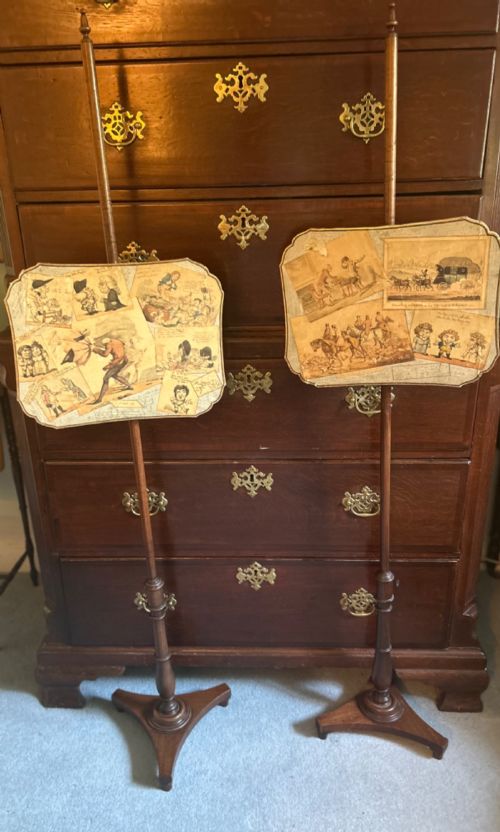
Needlework, tapestry, wool, and textile panels were stretched within wooden frames to form the sliding screen portion, occasionally accompanied by satirical prints or embroidery. Brass fittings frequently secured the sliding mechanism to the wooden shaft, allowing smooth vertical adjustment.
Antique Wood Pole Retail Price Guide 2026
Typical asking prices for wood pole among the pieces listed under this phrase on Sellingantiques today, from the lower quarter to the upper quarter. They describe what is for sale here now, not the wider market.
Alongside firescreens, your search might unearth turn-of-the-century Norwegian wooden skis complete with bamboo poles.
Judging quality and execution
The distinction between standard domestic pieces and superior examples lies in the crispness of the timber turning and the sculptural ambition of the base. Finer pole screens display intricate carving on the tripod legs and secure locking mechanisms that hold heavy framed panels without slipping.
The artistic execution of the needlework or tapestry panel greatly influences the standing of the piece. Hand-worked floral tapestries or well-preserved satirical prints mounted securely within mahogany or rosewood frames represent the upper tier of craftsmanship.
L.H. Hagen & Co
The Antique Wood Pole Glossary
- Pole screen
- A freestanding vertical wooden shaft mounted on a base, supporting an adjustable framed panel used originally as a firescreen. These pieces combine cabinetmaking with textile display.
- Tripod base
- A three-legged support system commonly found on the bottom of tall standards to ensure stability on uneven floors. These legs often terminate in pad feet, spade feet, or scroll motifs.
- Needlework
- Stitched textile art created using yarn on a canvas mesh, frequently mounted within the adjustable frames of firescreens. Surviving examples display period floral and geometric patterns.
- Goncalo Alves
- A dense, highly figured tropical hardwood utilised for fine cabinet work and decorative poles. Its distinctive contrasting grain patterns make it a prized material for luxury furnishings.
Antique Wood Pole: Frequently Asked Questions
How do you adjust a pole screen?
The sliding panel is mounted on the central wooden shaft by a discreet brass collar or internal clutch mechanism that grips the pole at the desired height.
This allows the user to slide the tapestry or screen up and down depending on where the radiant heat from the hearth needs blocking.
Where were pole screens used?
They stood in principal reception rooms, parlours, and libraries close to the fireplace where ladies sat to read or sew.
Because open coal and wood fires produced uneven radiant heat, these movable screens provided targeted temperature control before central heating existed.
How do I date a pole screen?
Dating relies on the stylistic clues of the timber base, such as the transition from Georgian spade feet to elaborate Victorian carved tripod scrollwork.
The choice of woods, including mahogany in the early nineteenth century and rosewood later on, also helps place the piece within a specific era.