

Antique Wood Plinth
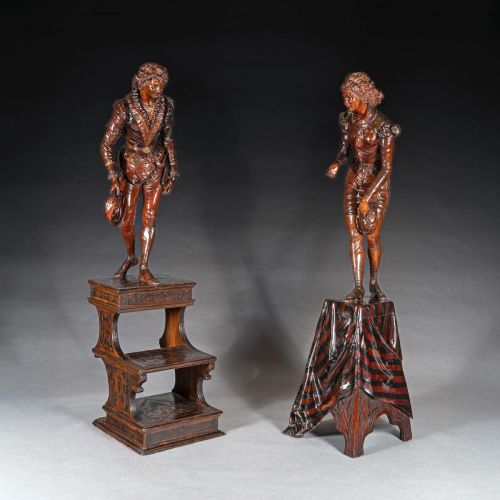
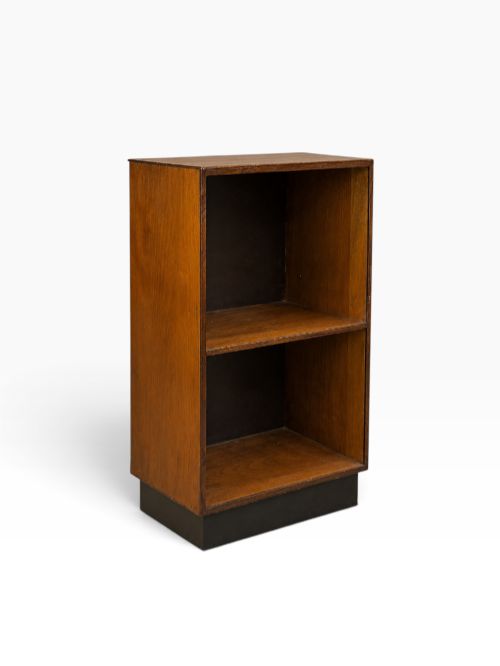
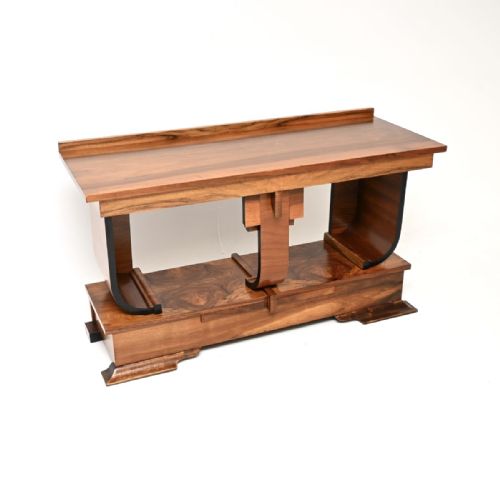
These antique wood plinth pieces elevate sculpture and display, bringing solid timber craftsmanship and classical proportion into a room.
Antique Wood Plinth
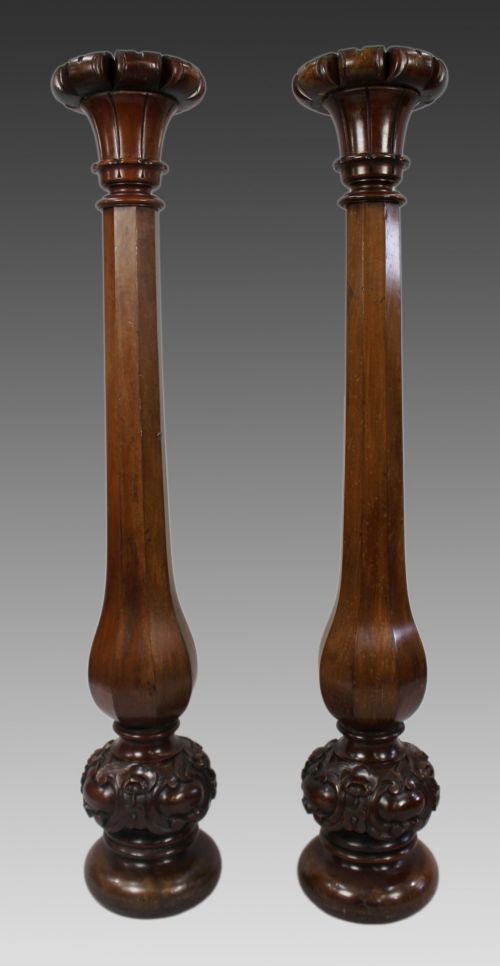
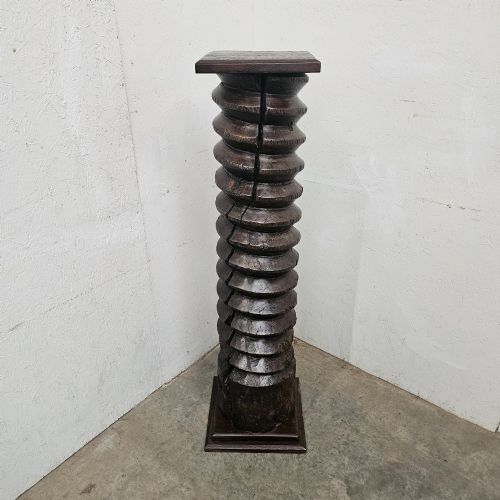
When you search for an antique wood plinth, you encounter pedestals, display columns, and architectural stands designed to elevate art or objects. The most common versions on this page date from the nineteenth century, constructed to support busts, figures, or decorative vases.
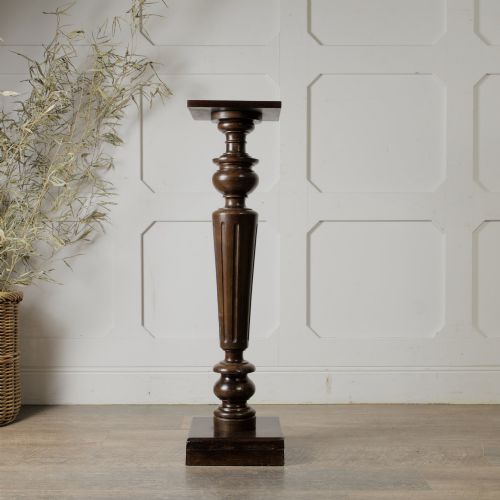
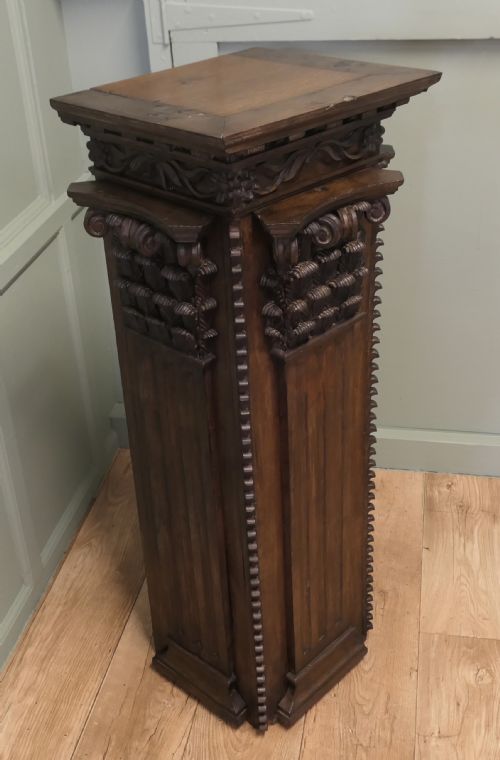
Makers shaped these supports from dense hardwoods, forming square columns, triform bases, and turned shafts. Many examples reflect Victorian taste, alongside earlier eighteenth-century interpretations and later revival styles.
The form functions primarily to grant visual weight and prominence to tabletop items or freestanding figures. Structural formats range from simple turned mahogany stands to elaborately carved oak columns and faux marble finishes.
Materials and construction methods
Cabinet makers utilised solid mahogany, walnut, oak, and pine as the structural core for these stands. Timber selection dictated the load-bearing capacity and the depth of natural grain visible across the column shaft.
Joinery techniques involved sturdy internal framing, turned wood assembly, and hand carving. Craftsmen applied brass mounts or turned the timber directly on lathes to achieve precise architectural profiles.
Antique Wood Plinth Retail Price Guide 2026
Typical asking prices for wood plinth among the pieces listed under this phrase on Sellingantiques today, from the lower quarter to the upper quarter. They describe what is for sale here now, not the wider market.
A seventeenth-century carved lion keeping eternal watch from its wooden plinth.
Distinctions in craftsmanship
Quality rests in the selection of timber, such as figured mahogany or walnut, and the crispness of hand-carved ornamentation. Superior pieces demonstrate balanced proportions and secure joints that support heavy weight without listing.
Lesser examples rely on painted faux finishes over softer pine or simpler turned work with minimal detailing. The distinction lies in whether the maker invested time in intricate carved enrichment and stable, heavy-gauge timber.
Gillow & Co.·Holland & Sons·Mawer & Stephenson
The Antique Wood Plinth Glossary
- Plinth
- The flat base or block upon which a column, pedestal, or statue rests. It provides a stable foundation for elevated objects.
- Pedestal
- An upright architectural support or stand used to elevate a bust, vase, or sculpture. These structures often feature classical column details.
- Triform
- Having three sides or resting on a three-pointed base. This configuration offers balanced weight distribution for floor-standing displays.
- Turned
- Shaped on a lathe by rotating the wood against cutting tools. This process creates symmetrical spindles, columns, and circular mouldings.
- Faux marble
- A painted or treated surface designed to imitate genuine stone. Artisans utilised this technique on wood to achieve a classical appearance without excessive weight.
Antique Wood Plinth: Frequently Asked Questions
What is an antique wood plinth used for?
These pieces serve primarily to elevate sculptures, clocks, and decorative vases, drawing the eye upward and giving objects greater prominence in a room.
Historically, they functioned as display furniture in grand interiors, allowing art collectors to showcase prized figures at optimal viewing height.
How do I date an antique wood plinth?
Dating relies on identifying the timber species, secondary woods, and stylistic clues such as Victorian turning or classical revival motifs. Nineteenth-century examples often display machine assistance alongside hand joinery.
Examining the underside, fixing screws, and wear patterns helps distinguish genuine period pieces from later reproductions.
Are antique wood plinths structurally stable?
Solid hardwood construction ensures most period stands easily support heavy bronze figures, marble busts, or large ceramic vases.
Checking the width of the base and the tightness of the central column joint confirms whether a tall stand remains safe for daily display.
What woods were used for antique plinths?
Mahogany, walnut, oak, and pine appear frequently across these listings, chosen for their density and grain pattern. Cabinet makers often selected dense hardwoods to prevent tipping under heavy loads.
Some examples feature painted or stained surfaces designed to simulate more expensive stones or exotic timbers.