


Antique Wood Paneling
Antique wood paneling brings architectural depth and rich grain to interiors, offering character derived from centuries of craftsmanship.
Antique Wood Paneling
Antique wood paneling encompasses architectural fragments, wall panels, and decorative carvings designed to line or accent interior spaces. Pieces span from seventeenth-century origins through Georgian, Victorian, and Edwardian eras, reflecting changing domestic tastes.
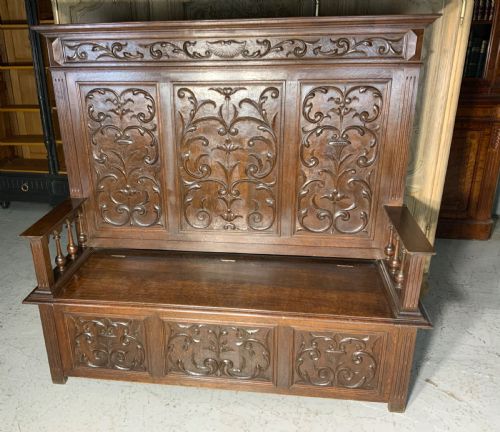
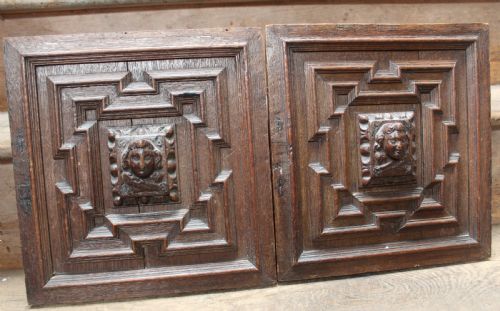
Buyers seeking antique wood paneling will encounter individual carved oak panels, architectural Gothic tracery, and multi-panel tavern scenes. These items originate from British and continental European traditions, fashioned from durable hardwoods.
The selection ranges from sixteenth-century revival styles to twentieth-century interpretations, utilising heavy timber constructions intended to endure for generations.
How they were made
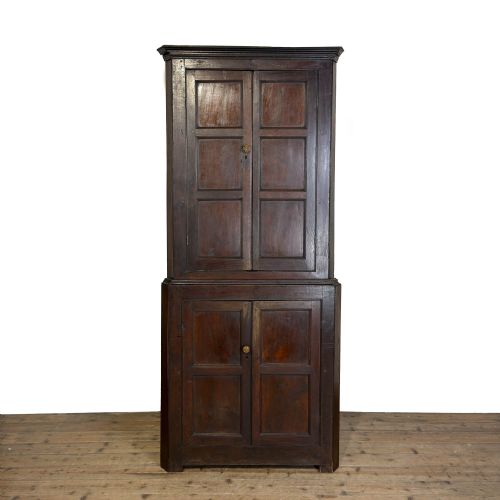
Craftsmen utilised solid oak, mahogany, and walnut, selecting timber for density and prominent grain patterns. Panels were shaped using hand chisels and planes, often employing mortise and tenon joinery to accommodate natural wood movement.
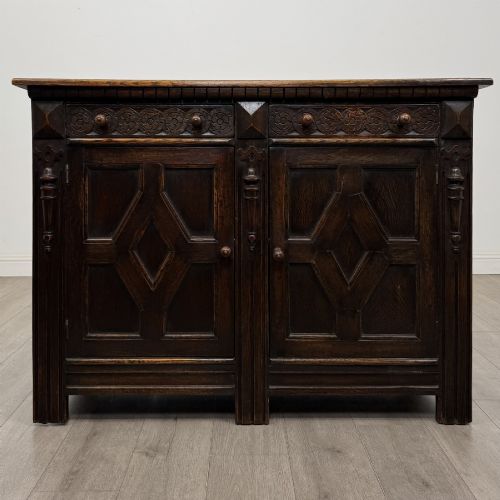
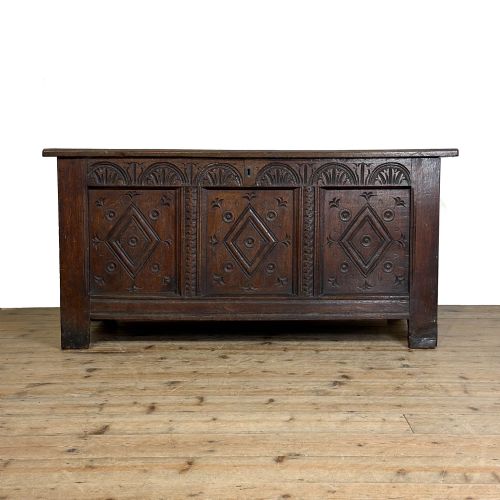
Carving techniques combined low relief work, lunette friezes, and geometric mouldings. Surfaces were finished with traditional waxes and oils, occasionally incorporating painted details or oil paint elements directly onto the timber.
Antique Wood Paneling Retail Price Guide 2026
Typical asking prices for wood paneling among the pieces listed under this phrase on Sellingantiques today, from the lower quarter to the upper quarter. They describe what is for sale here now, not the wider market.
Some wood panels bear the scars of centuries of tavern smoke and lively nineteenth-century social gatherings.
What varies in quality
Quality rests in the crispness of the hand carving and the depth of the timber's natural patina. Pieces featuring intricate geometric mouldings or deeply undercut figural details demonstrate superior workmanship from skilled hands.
Integrity of the original material and honesty of surface wear distinguish finer examples. The handling of joints, timber selection, and proportion separate standard utilitarian sections from masterworks of architectural joinery.
The Antique Wood Paneling Glossary
- Lunette frieze
- A decorative horizontal band featuring semi-circular or crescent-shaped motifs carved in relief. This ornamental detail frequently appears on seventeenth-century and revival storage furniture.
- Gothic tracery
- Architectural stonework patterns translated into woodwork, featuring pointed arches and geometric stonework designs. It characterises ecclesiastical and Gothic Revival panels.
- Mule chest
- A storage chest fitted with one or more drawers beneath the main compartment. This form bridges the evolution from simple coffers to modern drawer units.
- Stretcher base
- A system of horizontal timbers connecting the lower legs of furniture to provide structural rigidity. It is common in heavy oak sideboards and tables.
- Raised gallery
- A low wooden rim or shelf elevated above the main surface of a cabinet or chest. This feature prevents items from sliding off the top.
Antique Wood Paneling: Frequently Asked Questions
How do I install antique wood paneling?
Installation requires mounting wooden battens to existing walls to create a secure, plumb fixing surface for the panels. Care must be taken to allow the historic timber to acclimate to ambient room humidity before final fastening.
Traditional concealed fixing methods should be utilised where possible to preserve the visual continuity of the carved surfaces and mouldings.
How do I clean antique wood paneling?
Dust surfaces regularly with a soft, dry lint-free cloth to prevent particulate accumulation in carved recesses. Avoid modern silicone-based polishes which can degrade historic wax finishes.
Apply a quality microcrystalline wax sparingly once or twice a year to nourish the timber and maintain the soft sheen.
Can antique wood paneling be resized?
Altering historic panels is generally discouraged because it compromises original joinery and historical integrity. Professional conservators can sometimes adapt backing structures without cutting the primary carved elements.
Matching panels to specific room dimensions requires careful planning around existing architectural elements and repeating design motifs.
How do I date antique wood paneling?
Dating relies on examining tool marks left by hand planes and chisels, which differ from modern machine-cut grooves. The style of the carving, such as Jacobean geometric patterns or Gothic tracery, offers strong period indicators.
Wood shrinkage patterns, nail types, and timber species further assist in establishing the approximate era of origin.