



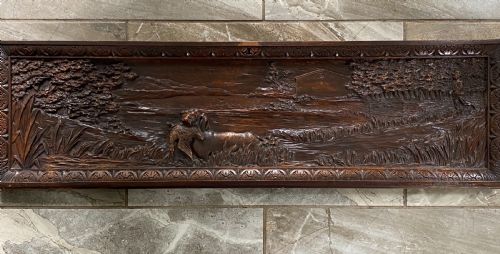


Antique Wood Overdoor
An antique wood overdoor brings architectural presence to a room, framing a doorway with centuries of hand-carved history.
Antique Wood Overdoor
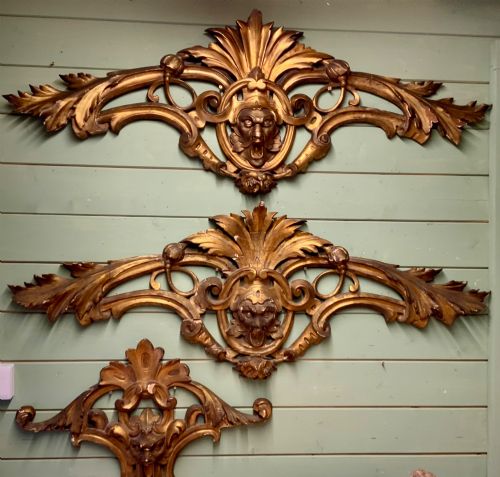
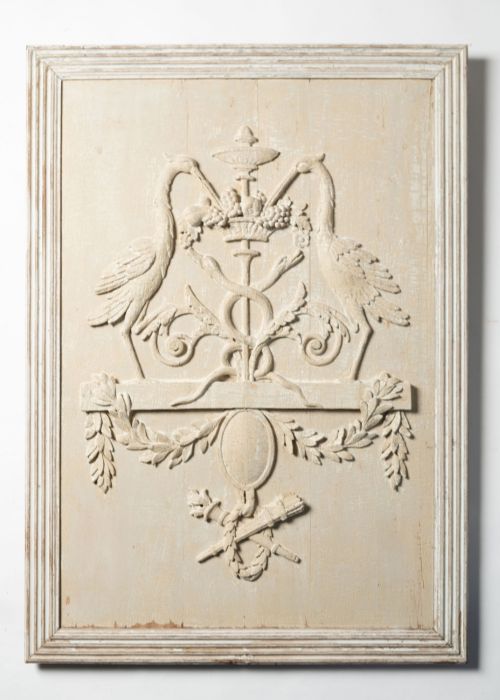
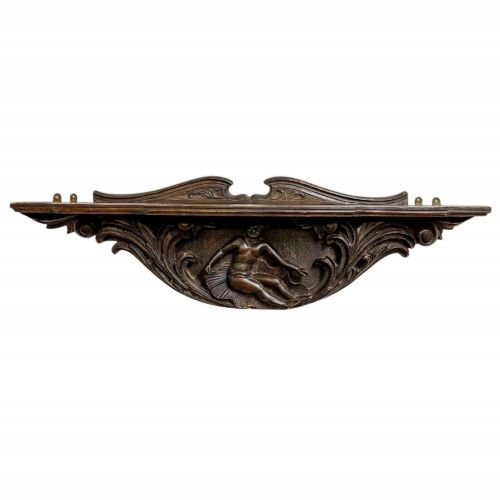
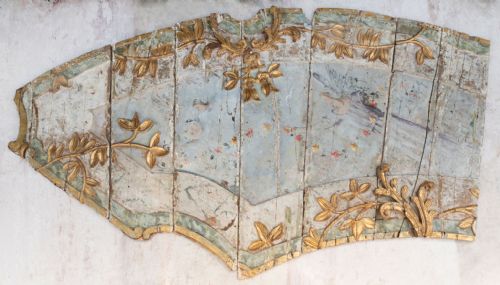
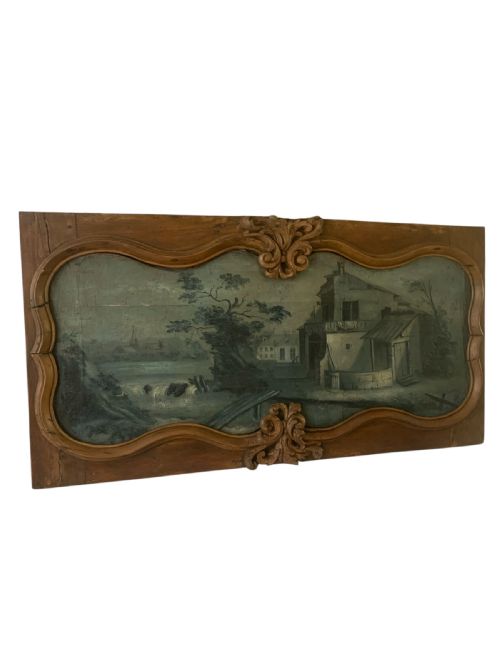
An antique wood overdoor is a substantial architectural salvage piece designed to sit immediately above a door frame, shifting the visual weight of a room upward. You encounter these decorative panels and pediments in various forms, from French chateau pelmets to robust English oak pediments.
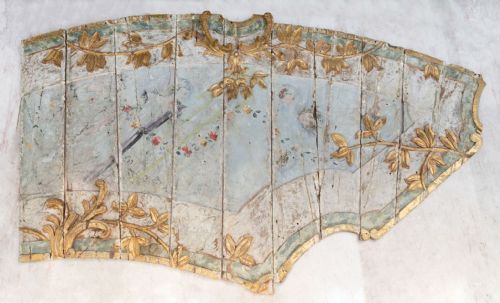
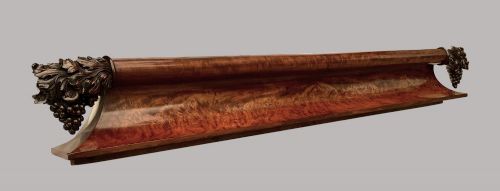
The pieces listed span multiple centuries, most commonly emerging from the eighteenth and nineteenth centuries with occasional seventeenth-century examples. Forms range from simple carved wooden panels and architectural fragments to elaborate pelmets and cornices complete with shelving or figural carvings.
Origins vary across European traditions, with French, Italian, and English workshops dominating the material record. Stylistic influences draw heavily on Rococo, Neoclassical, Baroque, and Victorian designs, reflecting the grand interiors they originally inhabited.
Materials and construction
Carpenters and carvers utilised dense hardwoods such as oak, walnut, mahogany, and pollard oak as the primary structural body for these architectural elements. Timber selection dictated the depth and intricacy of the carving possible, allowing carvers to execute high relief work.
Surface decoration frequently involved gesso, gold leaf, silver leaf, and paint applied over the carved wood. These layered finishes provided texture and light-catching qualities suited to high-ceilinged formal rooms.
Joinery techniques relied on traditional hand-carved execution, sometimes attributed to named master carvers, resulting in singular panels rather than mass-produced architectural components.
Antique Wood Overdoor Retail Price Guide 2026
Typical asking prices for wood overdoor among the pieces listed under this phrase on Sellingantiques today, from the lower quarter to the upper quarter. They describe what is for sale here now, not the wider market.
One unexpected canine hunting panel brings the watchful gaze of a Black Forest dog right above your lintel.
Evaluating craftsmanship and depth
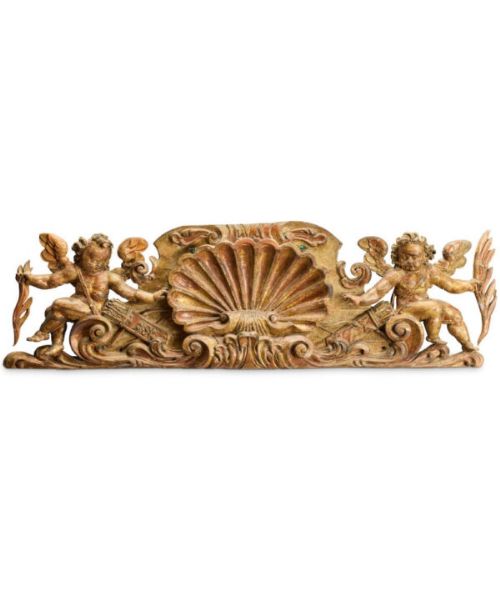
The distinction between ordinary architectural fragments and exceptional overdoors lies in the depth and anatomical precision of the carving. Master carvers achieved remarkable movement in foliage, cherubs, and animal figures, whereas lesser pieces display flat, mechanical incisions.
The integrity of the original surface finish heavily influences the character of a piece. Overdoors retaining untouched historical paint, genuine gold or silver leaf, and uncompromised patination on oak or walnut command greater appreciation than stripped or heavily restored timber.
Grinling Gibbons·Edward Pearce
The Antique Wood Overdoor Glossary
- Pediment
- A triangular or decorative architectural capping placed above a door, window, or overdoor panel. They often feature central cartouches, cherubs, or foliate carvings.
- Architectural salvage
- Building components rescued from demolition or alteration for reuse in interior decoration. These pieces retain historical fabric from older properties.
- Parcel gilt
- Wood or gesso decoration partially covered in gold leaf to highlight specific carved details against a painted or dark wood ground.
- Pelmet
- A wooden framework placed above a door or window to conceal curtain fixtures or frame the upper aperture. In overdoors, these provide a structured horizontal element.
Antique Wood Overdoor: Frequently Asked Questions
How were overdoors originally used?
Overdoors were mounted directly above interior doorways in formal rooms to create a sense of grandeur and transition. They anchored high ceilings and signalled the importance of the doorway beneath.
Over time, many survived independently of their original doors, transitioning into standalone wall art or architectural panels within modern interiors.
How do I hang a heavy wooden overdoor?
Due to the substantial weight of dense timbers like oak and walnut, secure wall mounting requires fixing directly into structural studs or masonry. Professional bracket support beneath the base is often necessary.
Lighter pelmets and panels may use heavy-duty mirror plates screwed into reinforced sections of the timber frame.
Can overdoors be used outside?
These decorative elements are designed for internal architectural use and lack weatherproof treatments. Exposure to moisture and temperature fluctuations will damage historic gesso, leaf, and unsealed timber.
Keeping them indoors preserves the delicate hand-carved details and original historical finishes.
How do I clean an antique carved panel?
Dusting requires only a dry, soft-bristled brush to reach into the crevices of deep carvings without disturbing fragile wood fibres or flaking paint. Avoid chemical cleaners and water entirely.
Preserving the accumulated patina of centuries means leaving aged surfaces untouched by modern polishes.