
Antique Wood Occasional Table
An antique wood occasional table provides a versatile surface for a lamp, book or cup, spanning periods from the eighteenth century to the twentieth.
Antique Wood Occasional Table
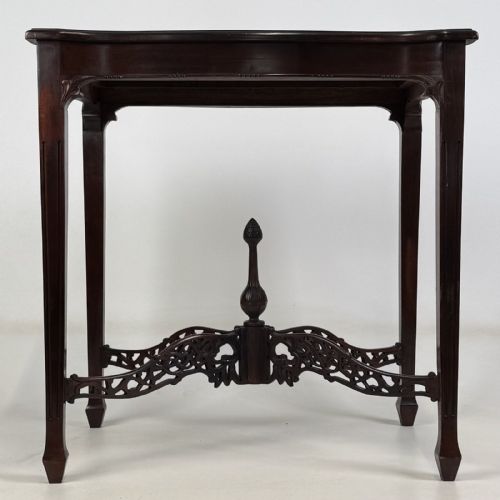
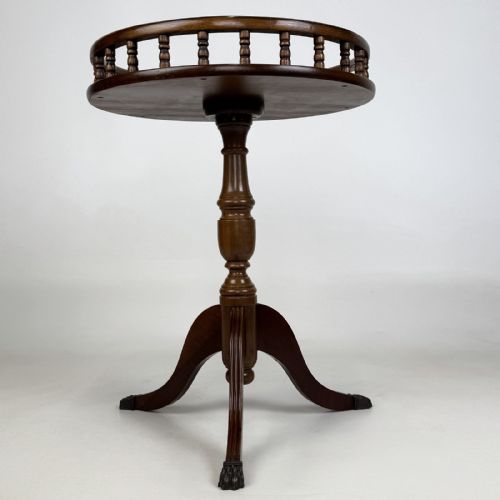
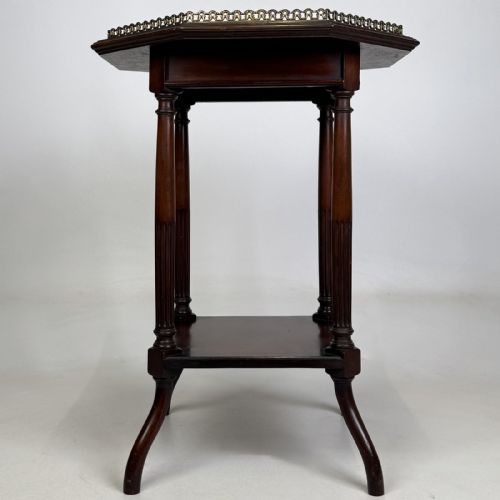
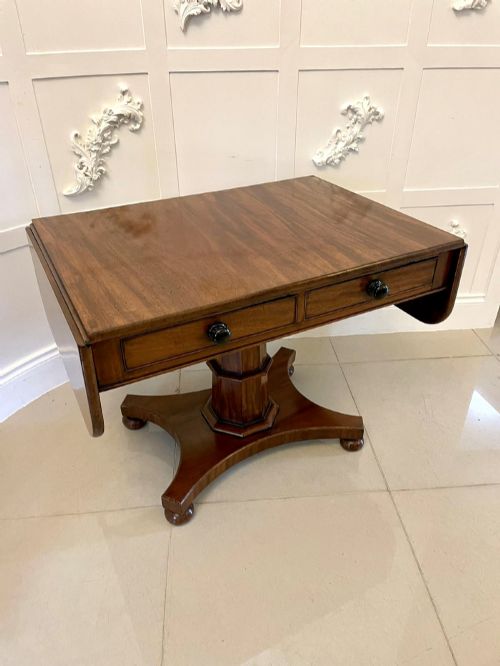
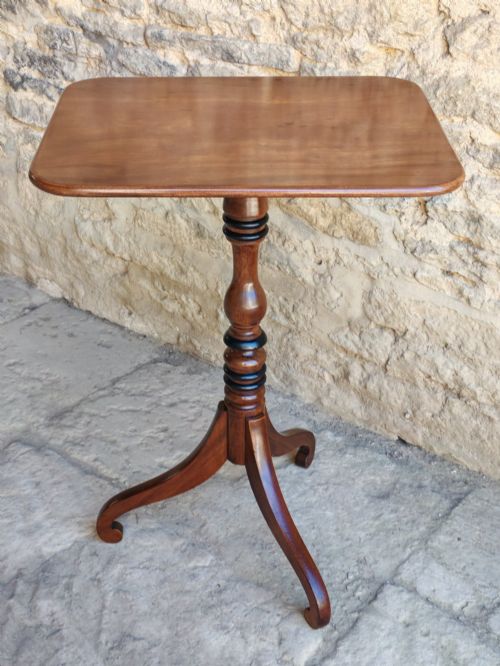
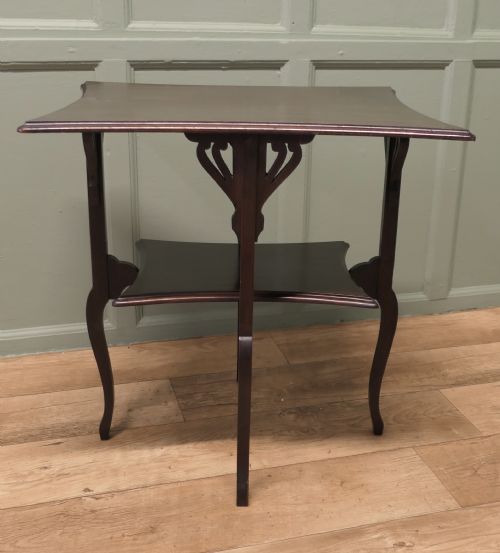
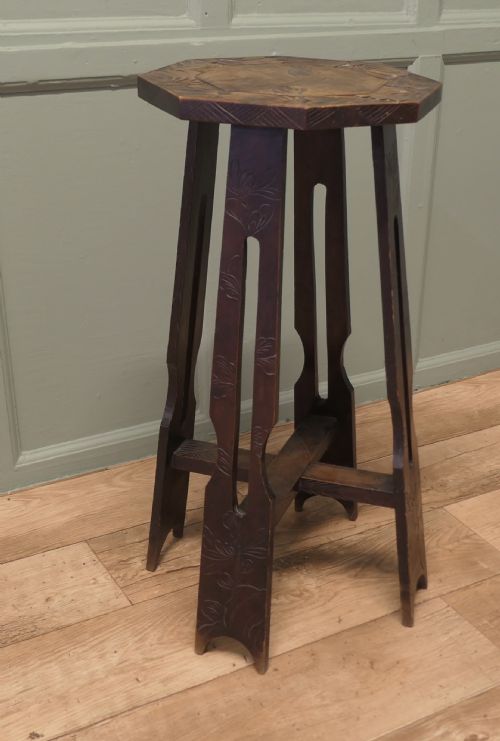
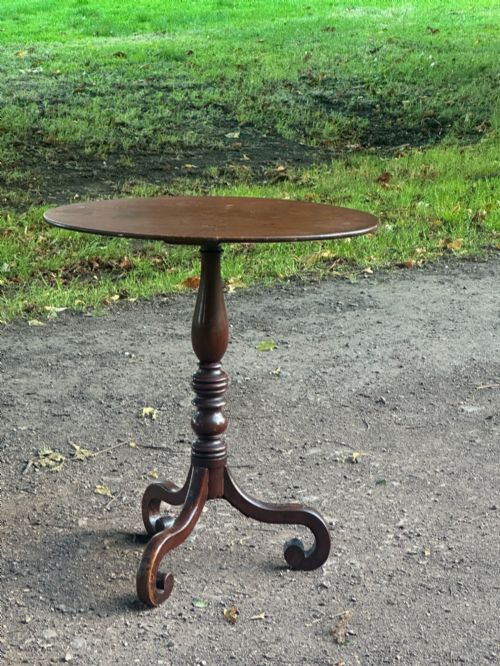
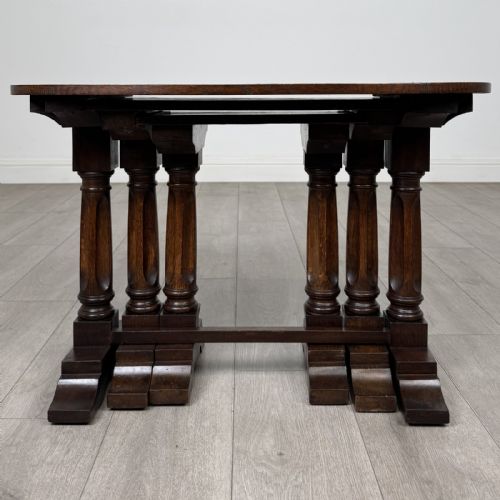
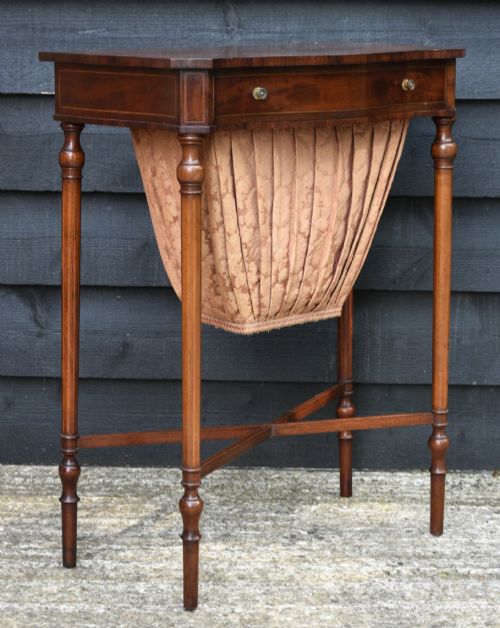
An antique wood occasional table serves as a movable surface for various domestic uses, spanning small lamp stands, wine tables, nests of tables, and sewing tables. Buyers seeking an antique wood occasional table will encounter pieces originating from the eighteenth, nineteenth, and early twentieth centuries, fashioned in forms such as Pembroke, tripod tilt-top, and three-tier designs. These items function independently around a room, offering practical utility alongside traditional craftsmanship.
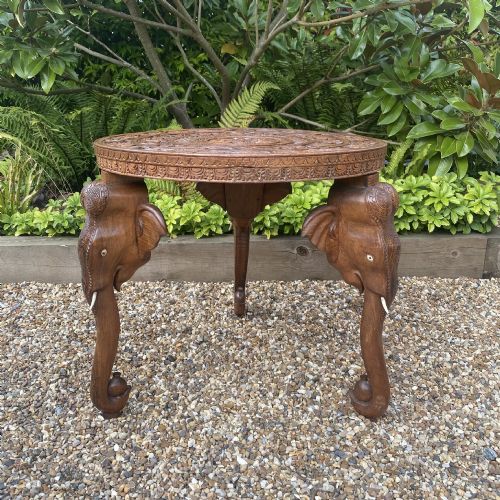
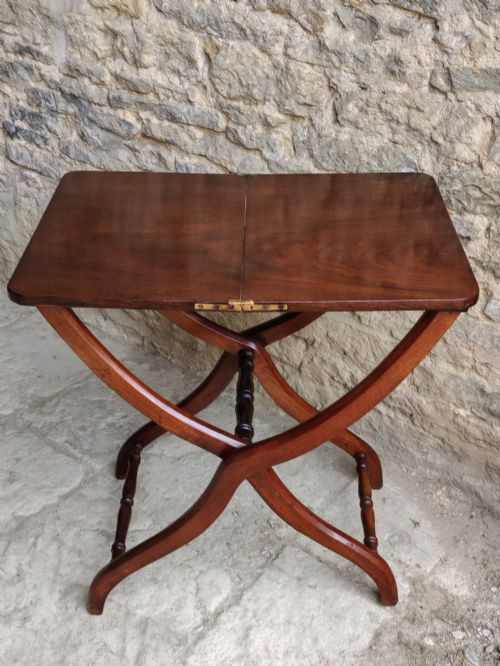
The selection ranges from simple Georgian mahogany side tables to elaborate Victorian burr walnut centre tables and Edwardian inlaid satinwood pieces. Regional and continental variations appear alongside English examples, including Dutch marquetry, Swedish burr birch, and Indian copper-inset veranda tables. Common formats also include folding campaign styles, kidney-shaped surfaces, and nesting sets designed to save space.
How They Were Made
Cabinetmakers utilised a range of primary timbers, predominantly mahogany, walnut, rosewood, and oak, often enriched by decorative veneers like burr walnut and burr birch. Inlays of boxwood and satinwood provide linear contrast on tabletops and friezes, whilst secondary woods support internal framework and drawer linings.
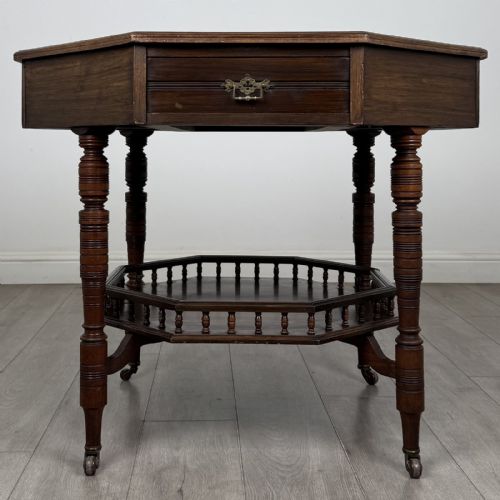
Structural engineering varies according to form, utilising tilt-top mechanisms with birdcage actions, turned barley twist legs, folding cross-frames, and graduated stacking supports for nests. Brass casters, handles, and copper inserts appear as functional and decorative hardware across nineteenth-century examples.
The listings span eight distinct periods, from eighteenth-century George II and George III eras to Edwardian and 1930s productions.
What Varies in Quality
The refinement of timber selection dictates visual standing, separating plain solid stock from figured veneers like burr walnut or book-matched mahogany. Finely executed boxwood and satinwood inlay requires precise hand-cutting, whereas simpler versions rely purely on plain moulded edges.
Structural integrity depends on the joinery of the underframe, the smoothness of tilt mechanisms, and the retention of original brass hardware or casters. The crispness of carved details, such as tripod cabriole legs or barley twist stems, separates standard workshop production from master craftsmanship.
Liberty and Co
The Antique Wood Occasional Table Glossary
- Pembroke table
- A small rectangular table featuring two hinged drop leaves on opposing sides, often fitted with a single drawer.
- Tilt-top table
- A table designed with a hinged mechanism allowing the circular or oval top to pivot vertically into a space-saving position when not in use.
- Nest of tables
- A graduated set of several small tables designed to slide neatly beneath one another.
- Wine table
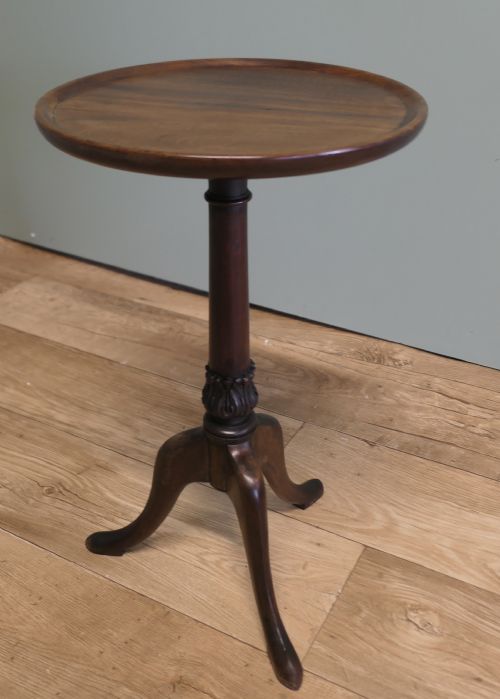
- A small, tall-stemmed occasional table, typically with a circular top on a tripod base, historically utilised for holding glassware.
- Marquetry
- Decorative veneer work forming pictorial or geometric patterns by fitting together thin pieces of wood, ivory, or shell.
Antique Wood Occasional Table: Frequently Asked Questions
What is an antique occasional table used for?
An occasional table provides a movable surface for small items like lamps, books, tea cups, or decorative objects. They function flexibly around living spaces rather than serving a single fixed purpose.
Historically, specific formats developed for particular tasks, such as sewing tables with internal compartments or wine tables designed to hold glasses beside seating.
How do I identify a Georgian occasional table?
Georgian tables, produced during the eighteenth century, typically display solid mahogany, walnut, or yew wood construction with understated proportions. Common characteristics include tripod bases with pad or snake feet, straightforward circular tilt tops, and restrained use of carved detail.
Later Victorian interpretations often revive these forms with heavier turned stems or added inlays, distinguishing them from earlier eighteenth-century production.
What is a pembroke table?
A pembroke table is a versatile form featuring fixed central panels flanked by two hinged drop leaves on the sides. Many examples include a small drawer at one or both ends.
Introduced in the eighteenth century, they were easily moved and expanded when extra surface area was required.