



Antique Wood Music Box
These antique wood music box pieces bring mechanical melody into domestic spaces through timber cabinetry and pinned brass cylinders.
Antique Wood Music Box
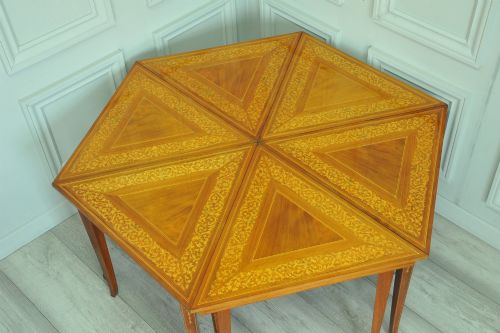
Victorian and nineteenth century examples dominate the selection, often featuring marquetry inlay or glazed compartments. The repertoire spans standard musical boxes playing multiple airs to functional items integrated with musical movements.
Swiss makers feature prominently among the origins, alongside domestic English furniture designed to house scores or instruments. Buyers encounter everything from small portable boxes to larger freestanding furniture adapted for musical storage.
How they were made
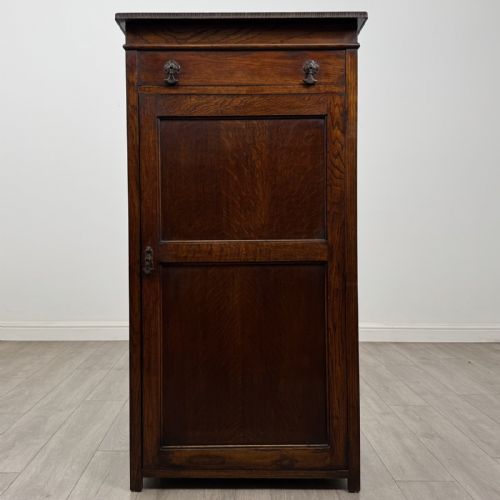
Cabinetmakers utilised dense hardwoods like rosewood and walnut, frequently applying marquetry inlays of contrasting veneers to the exterior surfaces. Ebonised wood and oak also provided sturdy housings for both the wooden furniture forms and the mechanical sound chambers.
Internal components relied on precision metalwork, combining steel combs and brass cylinders driven by spring-wound gear trains. Glass panels occasionally protected the moving parts while allowing visibility of the pinned cylinder revolving against the tuned teeth of the comb.
Antique Wood Music Box Retail Price Guide 2026
Typical asking prices for wood music box among the pieces listed under this phrase on Sellingantiques today, from the lower quarter to the upper quarter. They describe what is for sale here now, not the wider market.
Listings feature periods spanning from George III and George IV through Victorian, Edwardian, and the early twentieth century.
What varies in quality
The refinement of the cabinetwork sets the baseline, distinguishing simple solid timber boxes from elaborately marquetry-inlaid rosewood and walnut housings. Precision in the marquetry patterns and the selection of figured veneers indicate superior workshop execution.
Mechanical complexity and provenance elevate certain pieces above standard production, particularly those attributed to known makers such as Langdorff and Fils or LeCoultre. The number of airs played and the integration of the musical movement into larger furniture forms also mark the upper tier.
Langdorff and Fils·LeCoultre
The Antique Wood Music Box Glossary
- Air
- A distinct tune played by the pinned cylinder on the musical comb. Multiple airs increase the musical variety available within a single box.
- Canterbury
- A partitioned stand originally designed for holding sheet music or portfolios. Examples in rosewood and mahogany often incorporate carrying handles and lower drawers.
- Marquetry
- Decorative veneer work forming pictures or geometric patterns using various coloured woods. It adorns the lids and panels of nineteenth century cabinets and music boxes.
- Comb
- The tuned steel plate with multiple teeth that vibrates when plucked by the pins on the rotating brass cylinder. Its condition dictates the acoustic purity of the device.
- Ebonised
- Timber treated to resemble ebony, providing a deep black finish popular on nineteenth century decorative items. It creates a striking contrast with inlaid brass or lighter woods.
Antique Wood Music Box: Frequently Asked Questions
How do you wind an antique music box?
Most nineteenth century boxes utilise an internal spring mechanism wound via an attached crank or a separate winding key inserted into the side or base of the cabinet. Care must be taken not to over-wind the spring.
Once wound, the lever releases the cylinder to rotate and play the pinned melodies across the steel comb.
What wood was used for music boxes?
Cabinetmakers employed a variety of dense hardwoods including rosewood, walnut, mahogany, and oak for the exterior enclosures. Marquetry and contrasting veneers were frequently applied to enhance the visual appearance of the lid and sides.
Internal framing sometimes utilised secondary timbers, while ebonised wood provided a dark, uniform surface finish on specific Victorian pieces.
How do you identify a Victorian music box?
Victorian examples typically date from the nineteenth century, often marked by heavy rosewood or walnut cases, sometimes featuring inlaid marquetry or glazed inspection lids. The interior mechanism relies on a brass cylinder set with pins that pluck a tuned steel comb.
Maker signatures or stamped numbers on the brass bedplate frequently assist in confirming the period and origin.
What is a music canterbury?
A music canterbury is a partitioned wooden stand designed to hold sheet music, folios, or books beneath a table or carry handle. Nineteenth century versions frequently appeared in rosewood or mahogany with multiple vertical divisions.
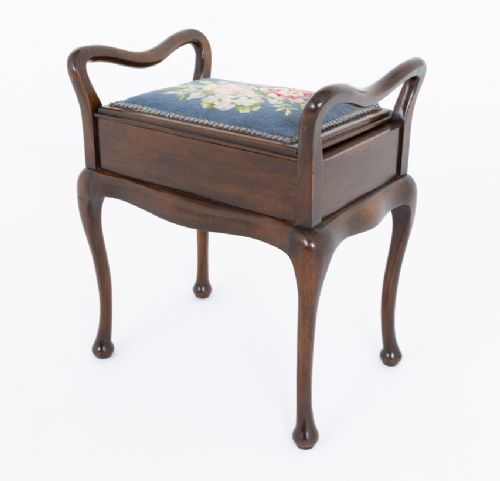
Some variations integrated musical movements or served alongside piano stools in period drawing rooms.