
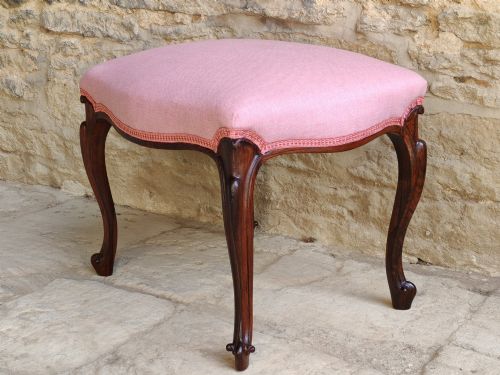
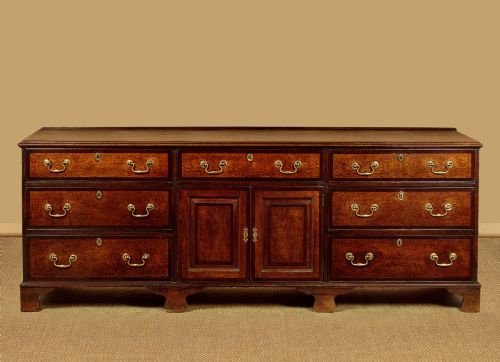
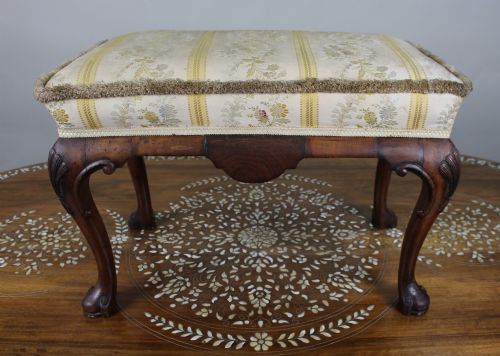
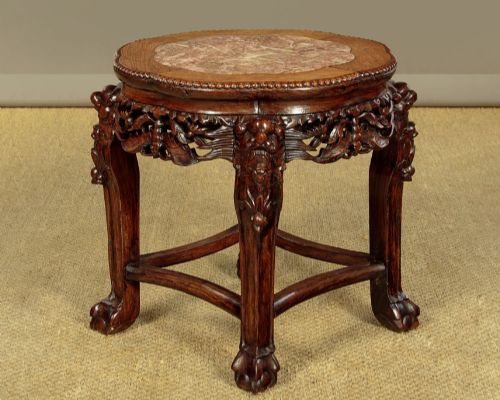
Antique Wood Low Table
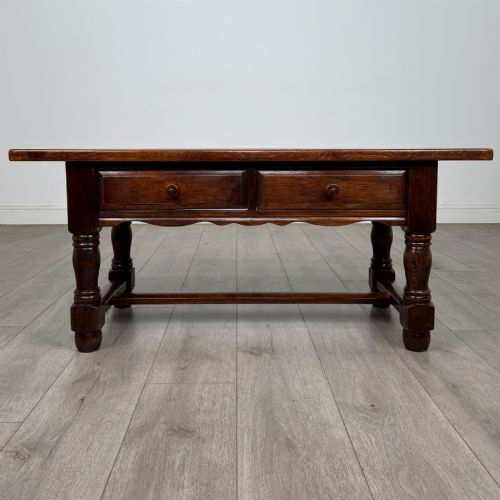
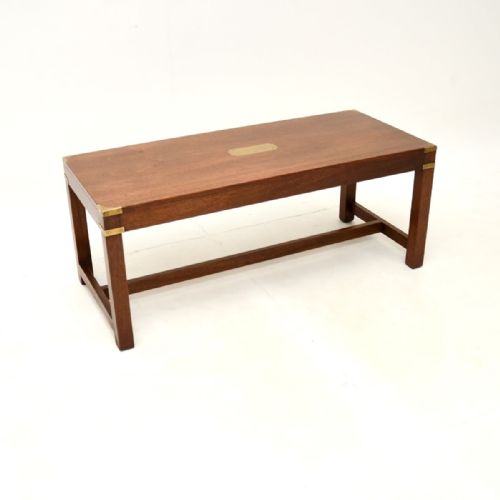
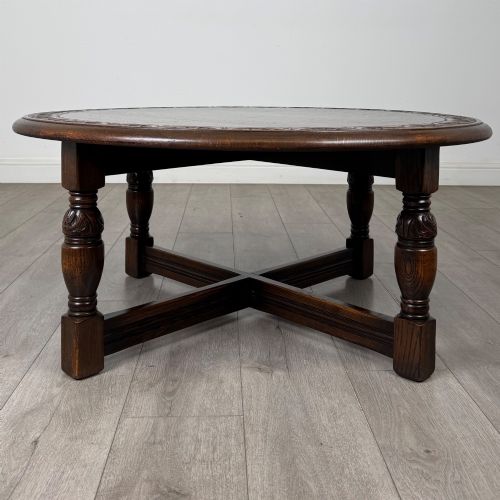
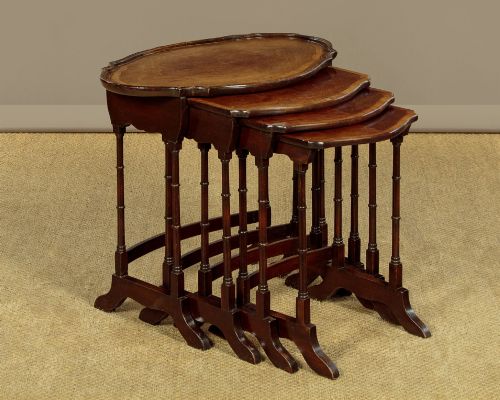
When you search for an antique wood low table, you enter a diverse world of low-slung surfaces spanning centuries and continents.
Antique Wood Low Table
An antique wood low table brings surfaces closer to the floor, drawing from diverse global traditions including English lowboys, French occasional pieces, and Chinese opium tables. These forms vary widely in height and proportion, often repurposing domestic furniture types or designed specifically for low seating arrangements.
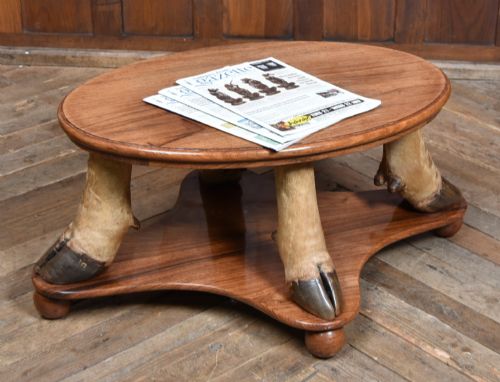
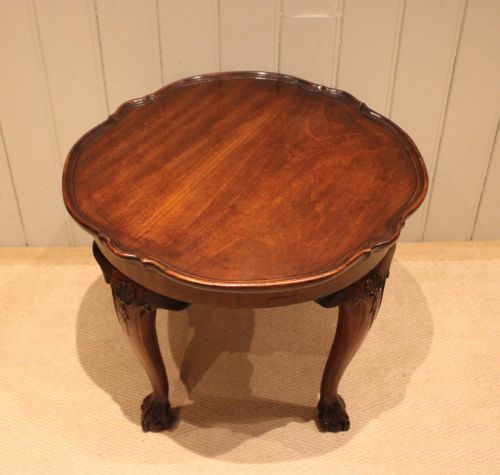
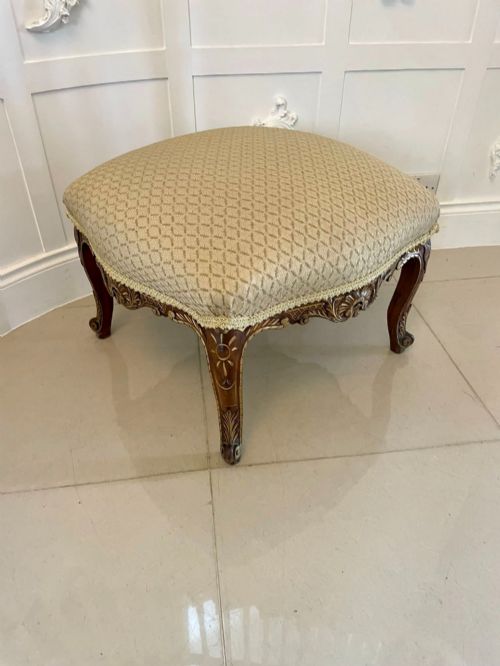
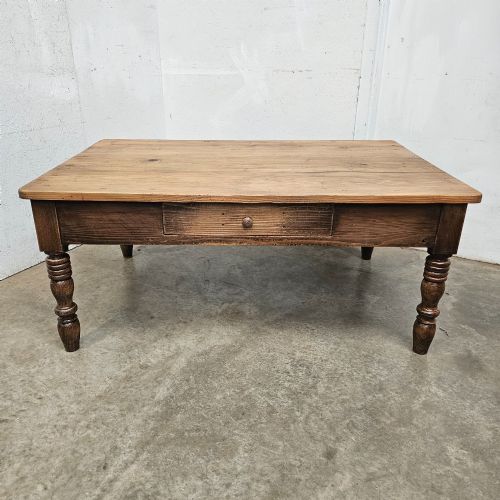
The pieces seen here span from the 18th century through the Victorian and Edwardian eras into Art Deco and mid-century designs. Walnut, mahogany, rosewood, and cherry predominate, alongside regional hardwoods and vernacular timbers like pine and fruitwood.
Buyers will encounter formal Georgian and Regency designs sitting alongside rustic farmhouse styles, Anglo-Indian carvings, and Oriental tea tables. This breadth means every piece serves a distinct function while anchoring a room with historic timber character.
What varies in quality
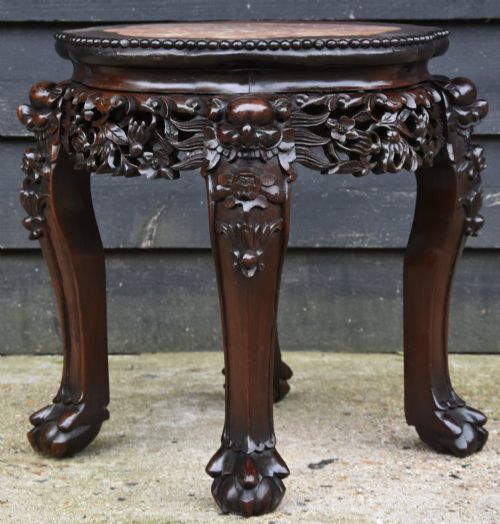
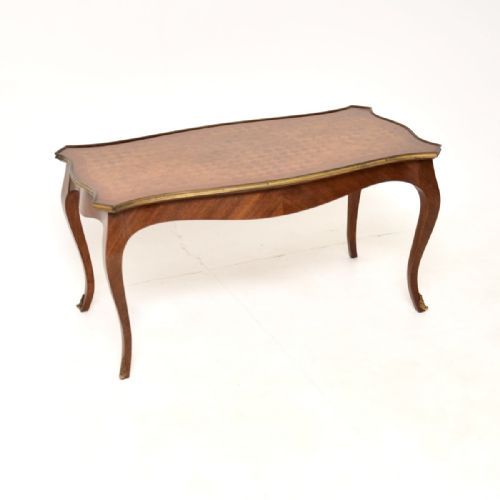
The grade of timber and the ambition of its selection dictate much of the distinction between pieces, with rich burr figuring and well-matched veneers marking out superior examples. Artisanal skill in hand-carved elements, such as intricate dragon details or precise parquetry, separates standard production from finer craftsmanship.
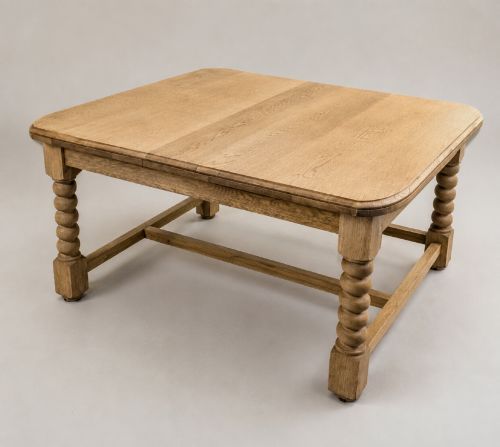
Proportion and structural integrity define the architectural success of a low table, ensuring that adapted pieces or lower variants maintain visual balance. The crispness of turned legs, the tightness of joinery, and the preservation of original surfaces ultimately govern the standing of each item.
Materials span exotic rosewood and burr walnut alongside domestic cherry, oak, and vernacular pine.
Gillows·Waring and Gillow
The Antique Wood Low Table Glossary
- Lowboy
- A small 18th-century English table with drawers, commonly standing on slender legs and often utilised as a side or dressing table.
- Opium table
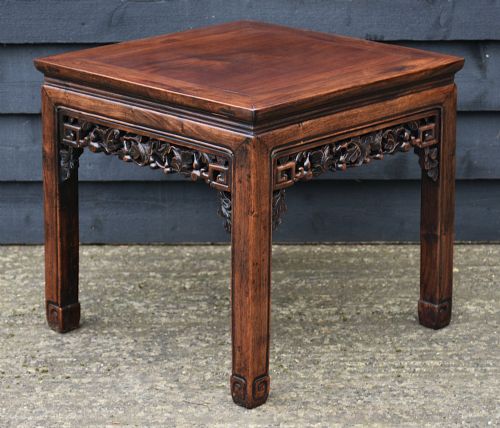
- A traditional low Chinese surface designed for use while seated on cushions or platforms, frequently featuring carved details or recessed legs.
- Parquetry
- A geometric mosaic of wood pieces used for decorative floors and tabletops, creating structured patterns from contrasting timbers.
- Burr walnut
- A prized timber cut from walnut tree growths, valued for its swirling, highly figured grain patterns on fine furniture.
- Vernacular
- Everyday furniture built by local craftsmen using regional timbers, prioritising practical utility over formal stylistic conventions.
Antique Wood Low Table: Frequently Asked Questions
What is an antique wood low table used for?
These low surfaces function primarily as coffee tables or accent pieces in contemporary living spaces, supporting books, lamps, and decorative objects.
Historically, many started life as taller tables, dressing pieces, or specialised regional forms before being adapted to sit lower to the ground.
How do I identify the period of a low table?
Dating relies on examining the timber selection, construction joinery, and stylistic markers such as Regency curves or Art Deco symmetry.
Secondary clues include tool marks, hardware types, and the natural ageing of the wood surface over decades of use.
Are Chinese low tables authentic antiques?
Many examples originate from the 19th and early 20th centuries, constructed from dense hardwoods like rosewood and padouk for traditional domestic use.
Some contemporary or mid-century iterations incorporate antique elements, such as carved fretwork panels integrated into newer wooden frames.
How do I care for antique wood surfaces?
Protect the timber by avoiding direct sunlight and excessive heat fluctuations that can dry out or crack older veneers and solid woods.
Regular polishing with appropriate natural waxes maintains the lustre of the grain without building up heavy chemical residues.