

Antique Wood Extension Table
An antique wood extension table brings centuries of dining craft to the room, offering sturdy leaves to seat a crowd.
Antique Wood Extension Table
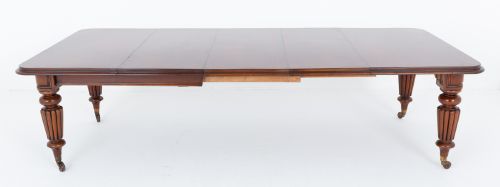
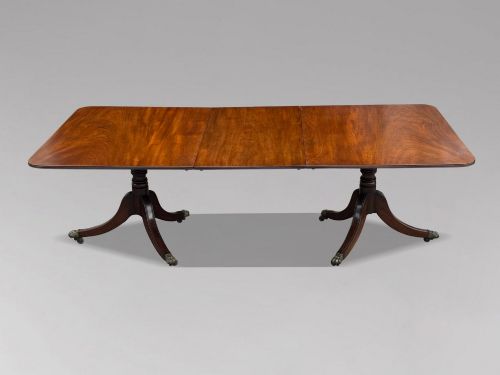
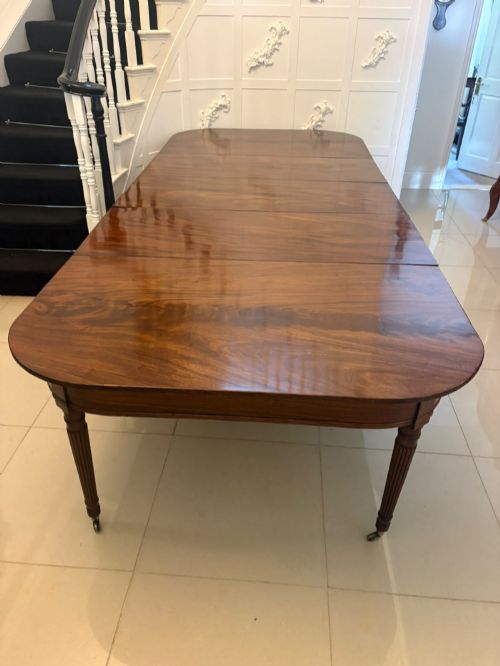
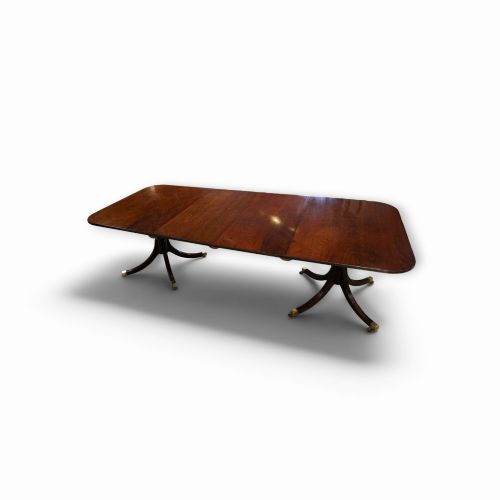
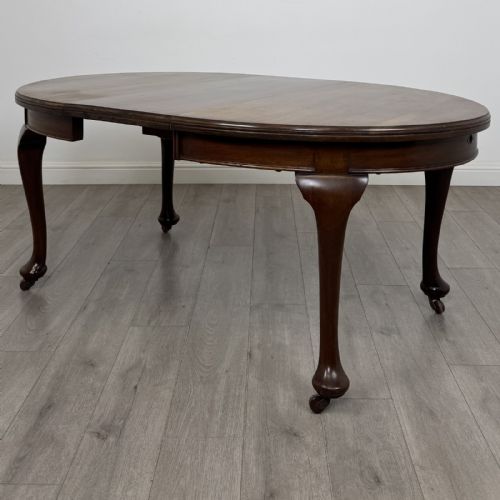
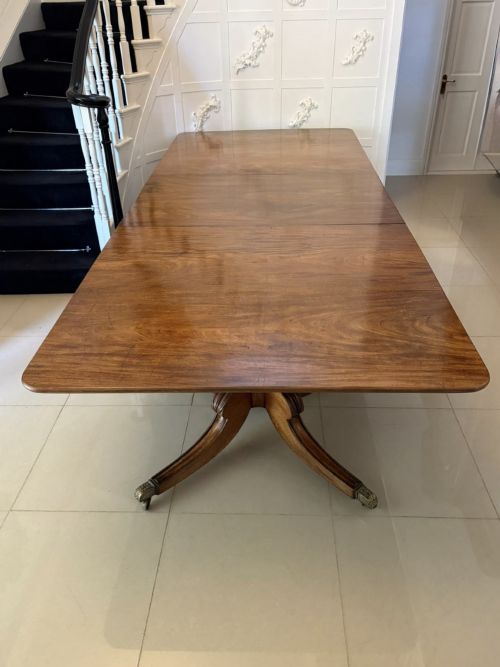
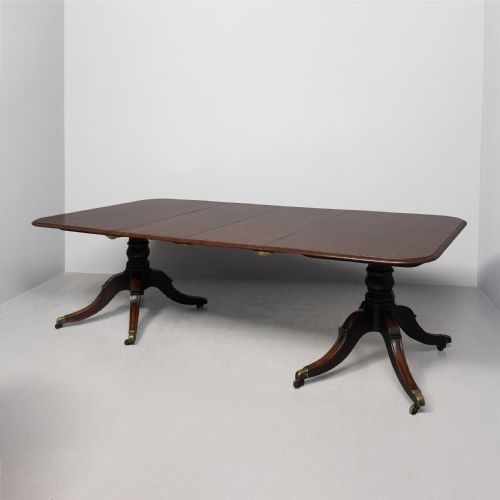
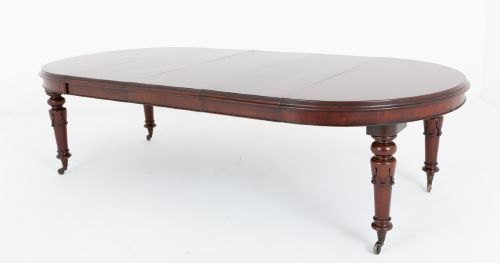
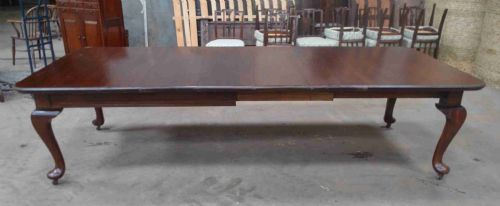
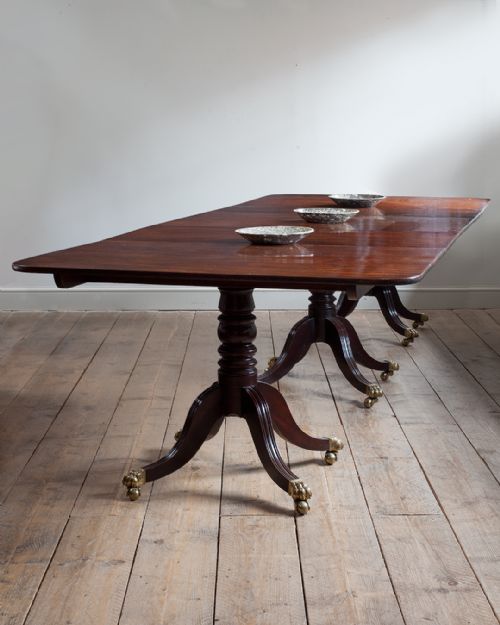
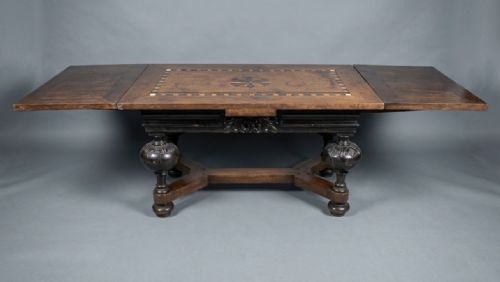
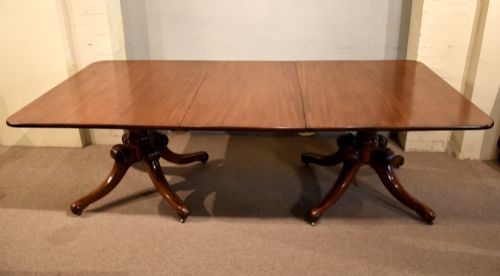
An antique wood extension table serves as the centrepiece for hosting dinners, scaling from everyday proportions to grand gatherings through mechanical leaves or pull-out sections. Buyers searching this phrase meet robust Victorian formats, multi-pillar Regency constructions, and earlier formats like oak refectory or gateleg tables.
The selections span formal mahogany dining suites with multiple leaves alongside regional oak and cherry variants fitted with clever pull-out mechanisms or drop leaves. These pieces bridge domestic utility with formal reception styling, reflecting the changing social demands of the nineteenth and seventeenth centuries.
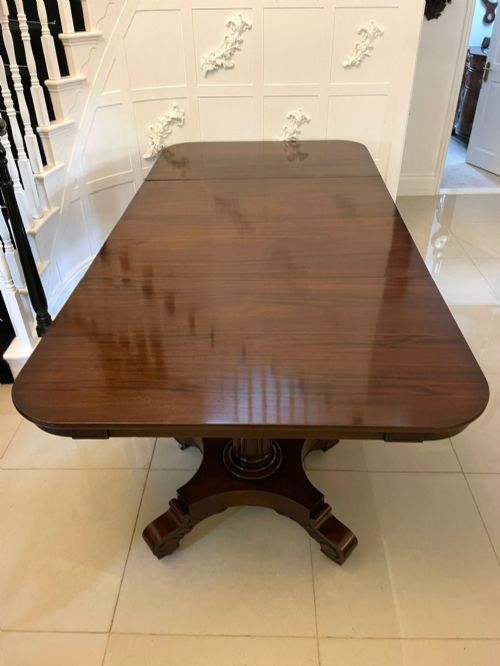
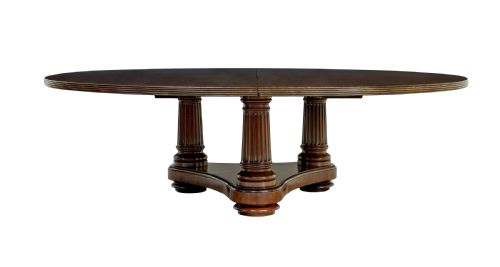
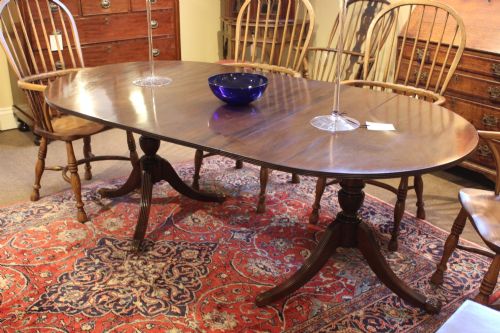
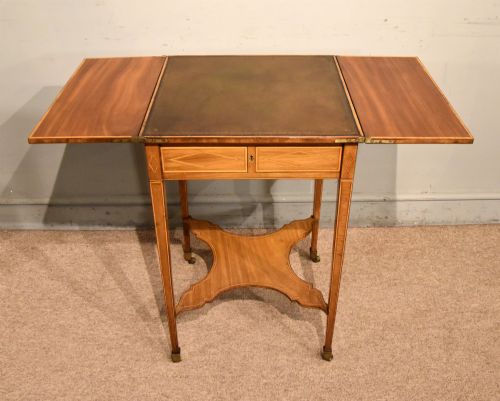
Pedestal formats and twin-pillar designs dominate the larger pieces, while drop-leaf and draw-leaf variants handle more compact domestic spaces. The timber runs from rich figured mahogany to sturdy oak, walnut, and cherry.
Materials and construction methods
Makers relied primarily on dense mahogany, oak, and cherry, frequently pairing structural timbers with satinwood inlay for decorative contrast. Brass fittings often reinforced extension mechanisms and casters on pedestal bases.
Joinery techniques ranged from traditional draw-leaf sliding frames to heavy gateleg actions and pillar supports designed to bear the weight of multiple extra leaves. Carved details and turned legs appeared across oak refectory and barley-twist drop-leaf examples.
Antique Wood Extension Table Retail Price Guide 2026
Typical asking prices for wood extension table among the pieces listed under this phrase on Sellingantiques today, from the lower quarter to the upper quarter. They describe what is for sale here now, not the wider market.
Distinctions in build and finish
The calibre of an antique wood extension table rests in the figure of the mahogany, the smoothness of the timber movement when adding leaves, and the architectural balance of the pedestals. Superior examples retain their original winding mechanisms and matching extra leaves.
Refinement shows in the crispness of satinwood inlay, the integrity of structural joints under the weight of extended tops, and the depth of the polished surface finish. Lesser pieces might display mismatched leaf timbers or heavy replacement hardware.
The Antique Wood Extension Table Glossary
- Pedestal table
- A table supported by one or more central columns rather than four corner legs. These pillars often rest on brass-capped casters for ease of movement.
- Draw leaf
- An extension mechanism where auxiliary leaves store beneath the main top and pull out from each end. This allows quick adjustment without removing loose leaves.
- Drop leaf
- A table featuring hinged side flaps that drop down when not in use. Supported by swing legs, they maximise floor space in smaller rooms.
- Refectory table
- A long dining table originating in monastic or baronial halls, typically constructed from solid oak with stretcher rails. Some variants incorporate pull-out extension actions.
- Satinwood inlay
- Decorative woodwork where contrasting light satinwood is inserted into mahogany surfaces. It provides geometric or floral borders along table edges.
Antique Wood Extension Table: Frequently Asked Questions
How do extension mechanisms work?
Most large examples utilise a central screw mechanism or sliding wooden runners operated by a handle to separate the top halves. Additional loose leaves drop into the central gap to increase seating capacity.
Earlier formats rely on draw leaves tucked underneath the main surface or swing-out gateleg frames. These manual actions require careful alignment to ensure a level tabletop.
Can I seat twelve people comfortably?
Triple pedestal formats and grand Victorian dining tables with multiple original leaves frequently accommodate ten to eighteen guests. The presence of sturdy pillar supports prevents leg obstruction around the perimeter.
Checking the length with all leaves inserted ensures adequate knee clearance between pedestals. Large double-extending cherry and mahogany formats are built specifically for these grand proportions.
How do I care for the polished finish?
Maintain the wood surface by applying appropriate beeswax furniture polish rather than silicone sprays, buffing gently with a soft cloth. Keep the table away from direct heat sources and strong sunlight to prevent timber warping.
Use protective mats under hot dishes and liquids to guard the antique polish against marking. Regular waxing preserves the natural lustre of mahogany and oak.