


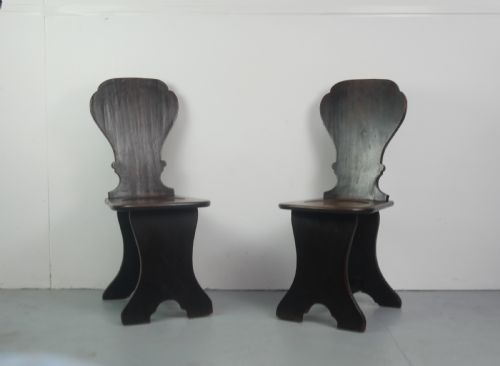


Antique Wood Entryway Chair
An antique wood entryway chair sets the tone for a home, offering a solid timber seat designed for a hallway or reception space.
Antique Wood Entryway Chair
When you search for an antique wood entryway chair, you encounter sturdy timber seating designed primarily for halls, corridors and reception spaces. The pieces listed on this page span several centuries, including 18th century, Georgian, Regency, Victorian, and early 20th century examples.
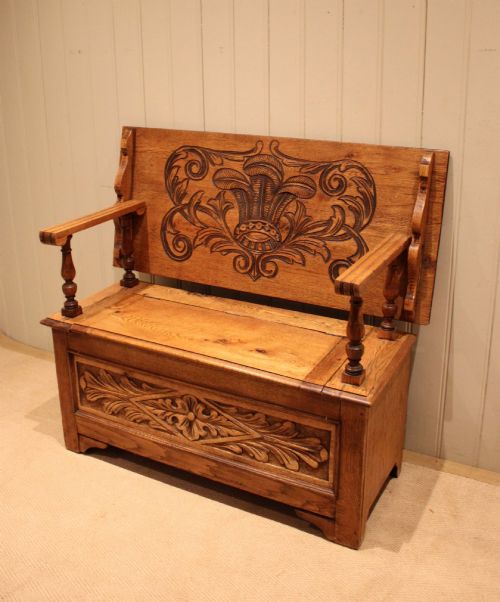
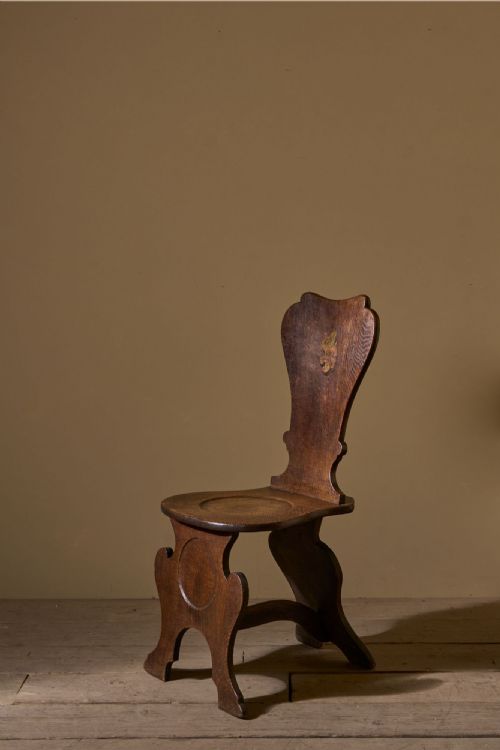
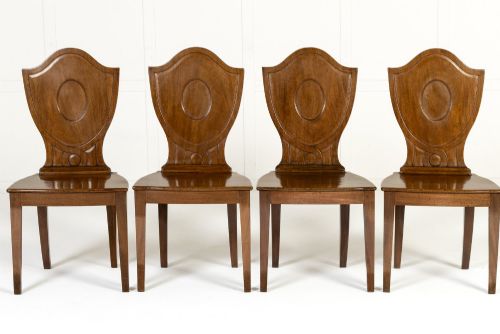
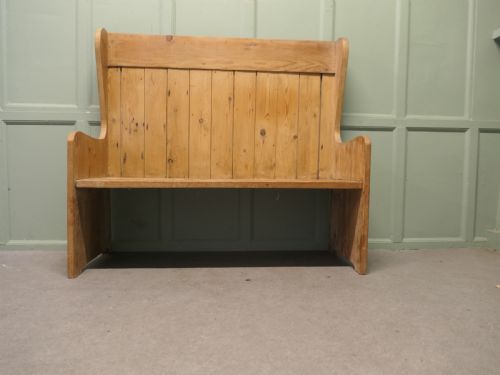
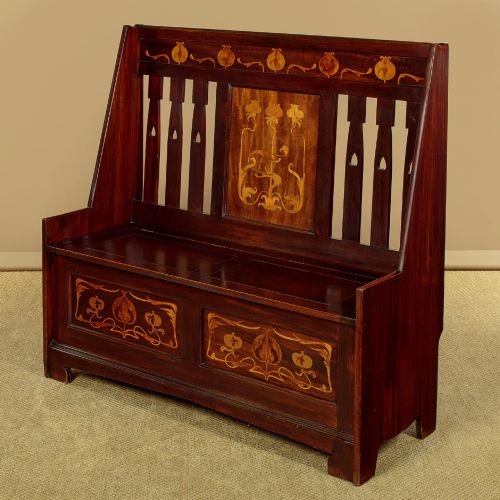
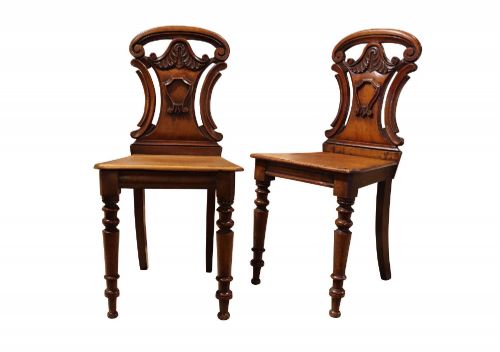
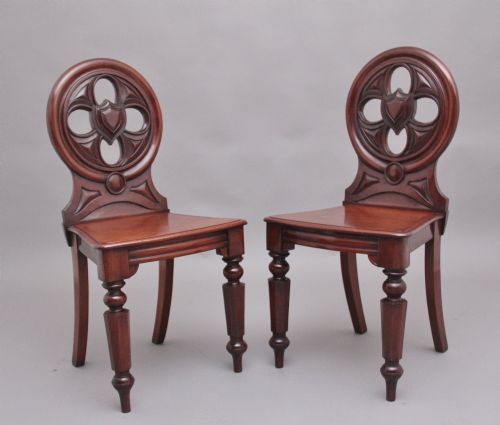
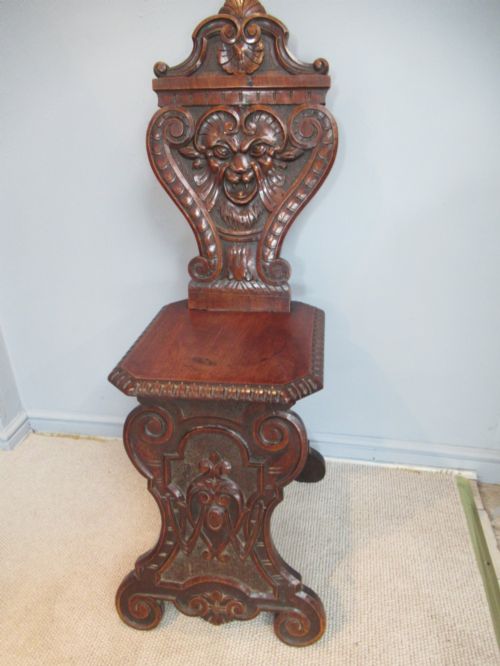
The selections include distinct forms such as upright hall chairs, high back settles, benches, and sgabello chairs. Many feature carved shields, shells, pelta shapes, or armorial motifs executed in solid hardwoods.
Makers and regional workshops produced these seats in mahogany, oak, walnut, pine, and other timbers to serve functional purposes in grand country houses, pubs, and domestic hallways.
Materials and Construction
Cabinet makers utilised dense hardwoods such as mahogany, oak, and walnut to construct these entryway chairs, alongside pine for rustic country settles. Timber selection dictated how well the carved details and structural joints withstood daily use in busy corridors.
Joinery methods combined solid wood panels with traditional pegged or glued joints, while selected Regency examples incorporated brass inlay. Carved decorative elements, including shield backs and shell motifs, were worked directly into the solid timber frame.
Quality and Execution
The distinction between standard utility seating and finer examples lies in the depth and crispness of the carving on the backrest. Chairs featuring sculpted contours, armorial crests, or pelta backs demand greater skill from the artisan than plain panelled versions.
Timber selection and grain figure also separate the tiers of quality, with well-chosen mahogany or figured walnut displaying superior visual depth. The integrity of the original joints and the preservation of carved surfaces determine the standing of each piece.
James Shoolbred & Co.·Gillows
The Antique Wood Entryway Chair Glossary
- Hall chair
- A rigid wooden seat placed in an entryway or hallway, typically featuring a solid timber seat and an elaborately carved backrest.
- Settle
- A wooden bench with a high back and solid arms, often incorporating a box base beneath the seat for storage.
- Pelta back
- A chair back shaped in the form of a classical shield or crescent, commonly found on Regency mahogany hall chairs.
- Armorial
- Bearing a family crest or coat of arms, frequently carved into the centre of 18th century and Regency hall chair backs.
- Sgabello
- A Renaissance-style chair form featuring a wooden seat supported by two carved trestle boards rather than four legs.
Antique Wood Entryway Chair: Frequently Asked Questions
What is an antique wood entryway chair used for?
These chairs served as formal seating in entrance halls, where visitors waited or coats and hats were stored. Their upright design and rigid wooden construction discouraged lingering while maintaining a striking visual statement in a reception space.
In modern homes, they function as sculptural accent pieces in narrow corridors, landings, or vestibules. They provide a compact place to sit when putting on shoes without cluttering smaller rooms.
How do I identify a Regency hall chair?
Regency examples frequently display classical motifs such as pelta backs, brass inlay, or carved scrollwork in solid mahogany. Their silhouettes often reflect neoclassical influences inspired by ancient Greek and Roman designs.
Proportions tend to be clean and architectural, with sabre legs or turned front supports. Many feature painted or carved crests on the back panel to denote family lineage.
Are oak entryway chairs older than mahogany ones?
Oak construction appears predominantly in 18th century and earlier pieces, as well as Arts and Crafts or Jacobean Revival revivals. These versions showcase visible grain patterns and heavy pegged joinery.
Mahogany became the dominant timber for formal hall seating during the Georgian and Regency periods. Cabinet makers favoured its fine grain for intricate carving and structural stability.
How should I care for an antique wood chair?
Maintain the timber by keeping the chair away from direct heat sources and fluctuating humidity. Apply natural wax polish periodically to nourish the wood and protect the surface finish.
Avoid placing heavy weights on decorative carved backrests, as centuries-old joints can be vulnerable to lateral stress. Regular dusting with a soft, dry cloth preserves the patina.