



Antique Wood Dog
An antique wood dog brings the character of a faithful companion or guardian into a room through centuries of carving and painting.
Antique Wood Dog
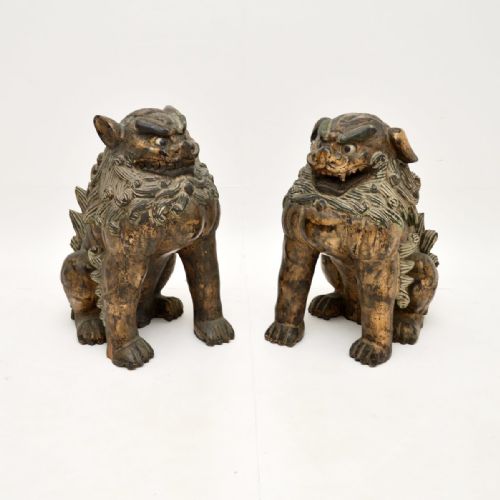
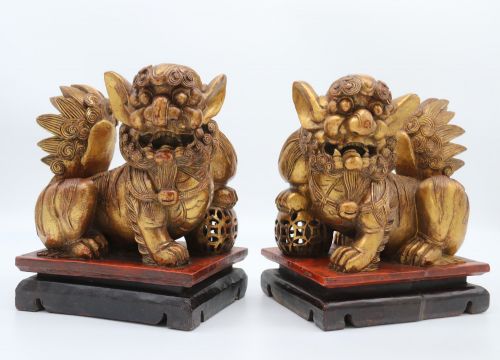
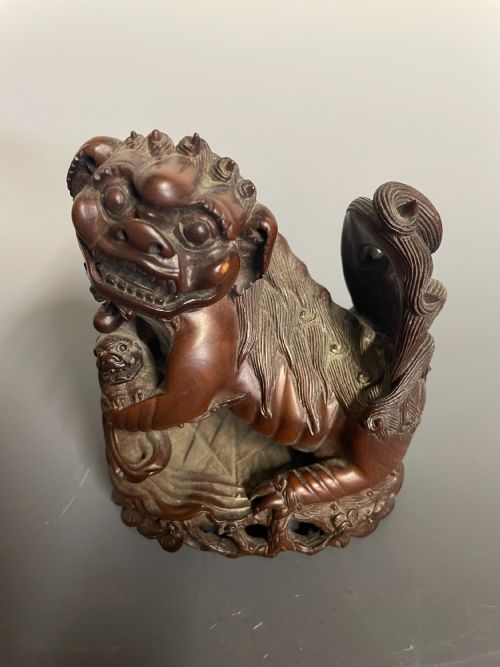
When searching for an antique wood dog, buyers encounter a diverse range of objects spanning utility and ornamentation. These pieces extend from European Black Forest carvings and treen tobacco jars to traditional Chinese boxwood and root wood Foo dogs.
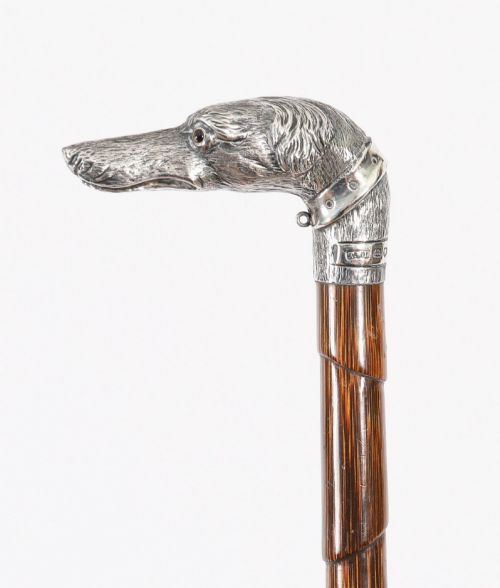
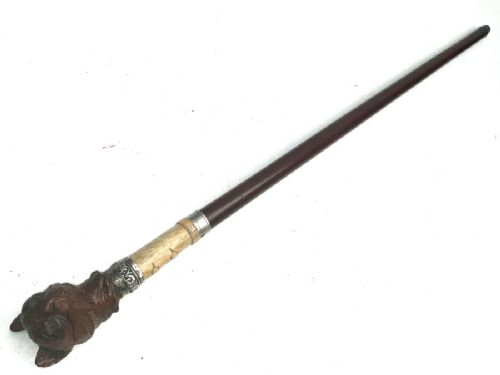
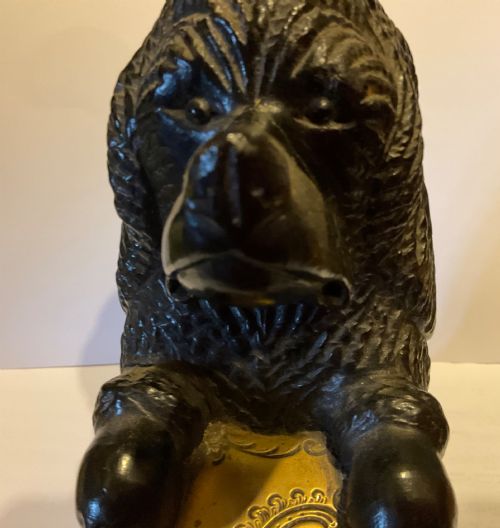
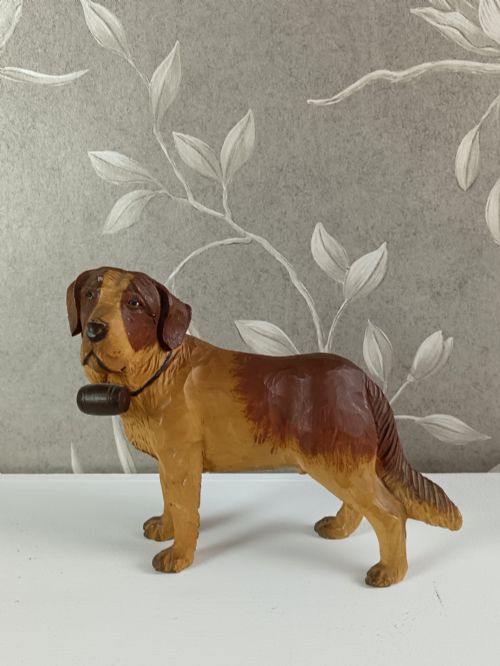
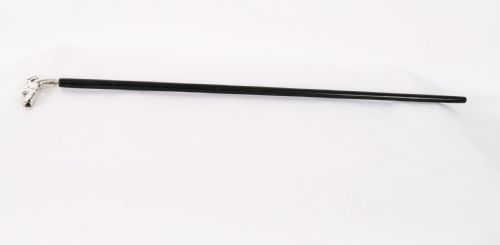
The selection on this page frequently includes walking sticks with carved canine handles, figural match dispensers, and functional bookends. Sculptures of specific breeds such as Saint Bernards, greyhounds, and poodles sit alongside regional folk art and utilitarian containers.
Originating largely from the nineteenth and early twentieth centuries, these items represent both European domestic realism and Asian symbolic sculpture. The grouping bridges practical household accessories and pure sculptural art.
Materials and Techniques
Carved timber forms the structural basis of these items, utilising various woods including fruitwood, boxwood, oak, and root wood. Artisans shaped these materials using hand gouges and chisels to capture anatomical details and textures of fur.
Surface finishes range from natural wax polish on European treen to intricate lacquer and gilt on Chinese Buddhist lions. Details such as glass eyes or silver collars occasionally accent the wooden forms.
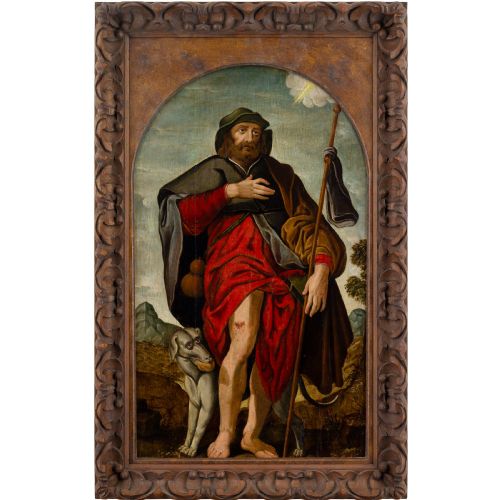
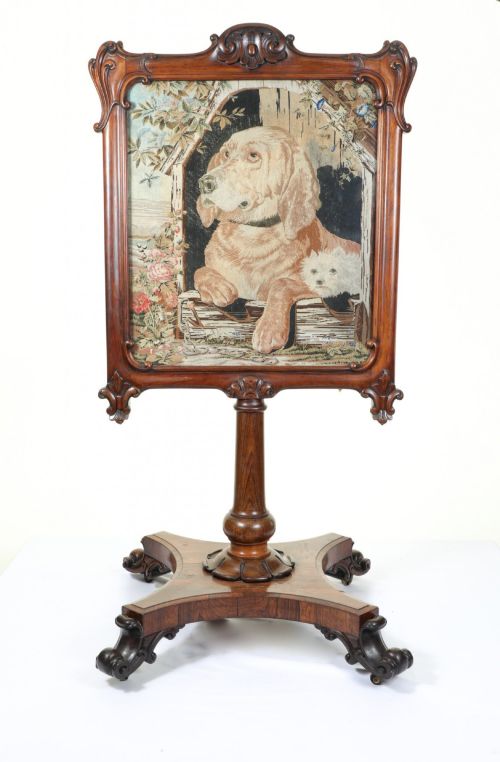
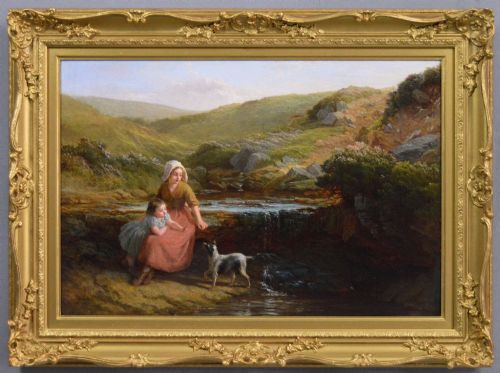
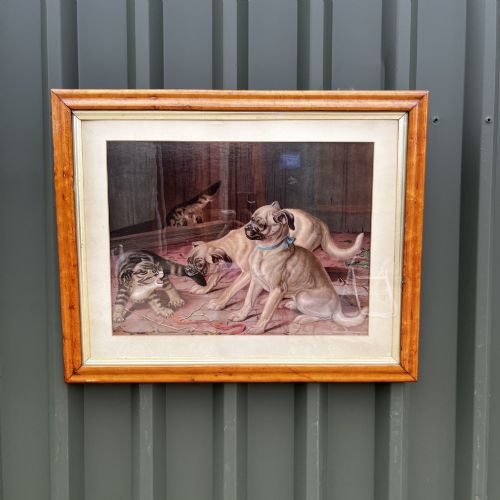
Paint and printed media also appear where canine subjects meet canvas and paper, employing oil paint, watercolour, and chromolithography on wood panels, canvas, and paper supports.
Antique Wood Dog Retail Price Guide 2026
Typical asking prices for wood dog among the pieces listed under this phrase on Sellingantiques today, from the lower quarter to the upper quarter. They describe what is for sale here now, not the wider market.
Canine companions here include everything from fierce Foo dogs guarding the household to tobacco jars keeping watch over pipe leaf.
Craftsmanship and Expression
Quality in these carvings rests upon anatomical accuracy and the liveliness of expression captured by the carver. Superior pieces display proportional balance and careful rendering of musculature and coat texture rather than stiff symmetry.
The depth of carving and the handling of grain define the better examples, particularly in regional European works and Asian hardwood sculptures. Distinctive character in the animal's posture elevates a piece above standard mass production.
Edward Holmes RBA·Horatio Henry Couldrey·Colin Graeme Roe·Valentine Thomas Garland·Enoch Wood factory
The Antique Wood Dog Glossary
- Black Forest
- A style of wood carving originating from the mountain regions of Central Europe, known for realistic depictions of animals and foliage.
- Treen
- Small handmade wooden objects for domestic use, encompassing items like tobacco jars and small containers.
- Foo Dog
- Traditional Chinese guardian lions rendered in various materials including carved wood and root wood.
- Chromolithography
- A planographic colour printing technique used to produce multi-coloured reproductions of original dog and animal art.
- Fruitwood
- Dense timber derived from fruit-bearing trees, frequently utilised for small turned and carved treen objects.
Antique Wood Dog: Frequently Asked Questions
How were wooden dog tobacco jars used?
These lidded containers sat on nineteenth-century desks and smoking tables to keep pipe tobacco moist and secure.
The hinged or lift-off heads of breeds like poodles and spaniels functioned as lids for daily domestic use.
What are Foo dogs?
Foo dogs are traditional Chinese guardian lions placed outside buildings or inside homes for protection.
Carved from woods like boxwood or root wood, they symbolise prosperity and ward off negative influences.
How do I date a Black Forest carving?
Dating relies on the style of the wood, the depth of the undercut, and the specific finish applied to the timber.
Nineteenth-century examples typically show hand tool marks and darker patination developed through age and handling.
Where should I place these sculptures at home?
These pieces suit mantelpieces, studies, and entrance halls where their scale can be appreciated up close.
Bookends and small figures integrate easily onto bookshelves alongside traditional library collections.