
Antique Wood Desk Armchair
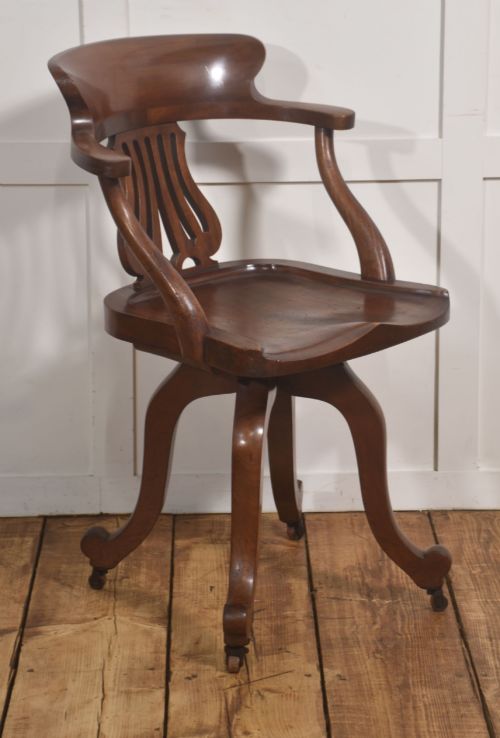
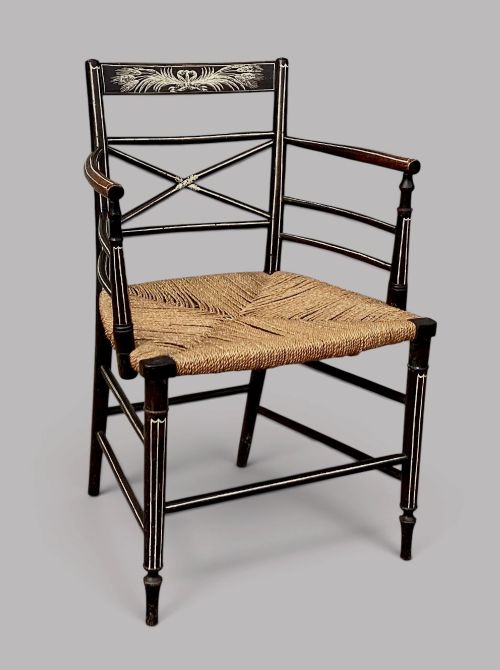
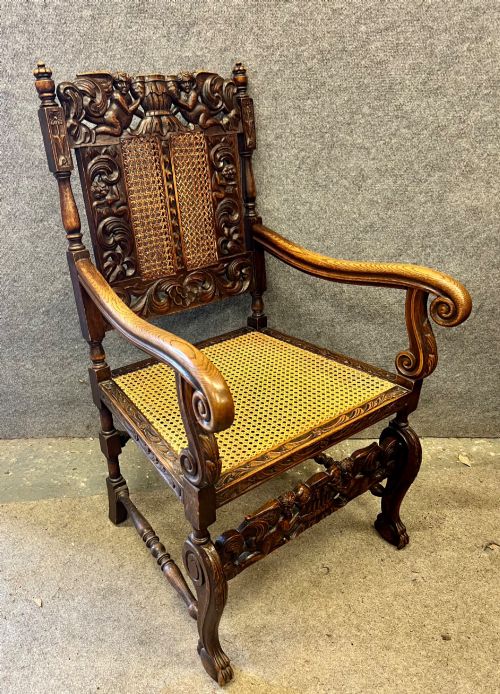
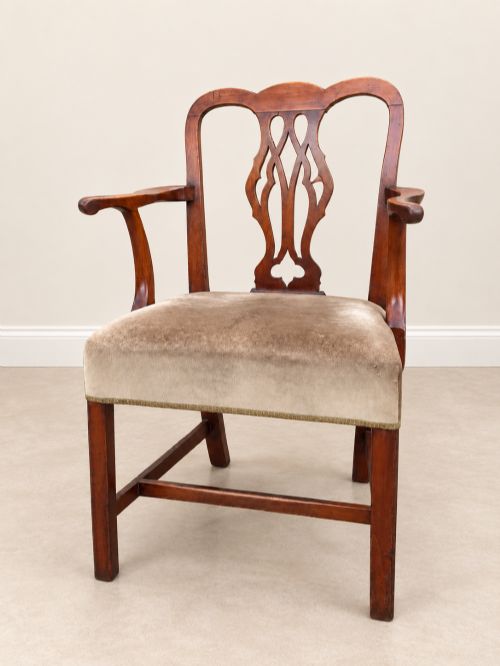
An antique wood desk armchair provides a sturdy and characterful seat for a study, spanning vernacular country timbers and formal mahogany designs.
Antique Wood Desk Armchair
An antique wood desk armchair spans robust country seating and formal parlor forms designed for writing and reading. Buyers seeking an antique wood desk armchair will encounter substantial timber frames built during the eighteenth, nineteenth, and early twentieth centuries.
How They Were Made
Maker's workshops relied on a mix of dense hardwoods, pairing flexible timbers like ash and elm for steam-bent hoops and spindles with stable mahogany or yew for seats and frames. Traditional joinery utilised pegged mortise and tenon joints alongside turned spindles to secure structural rigidity.
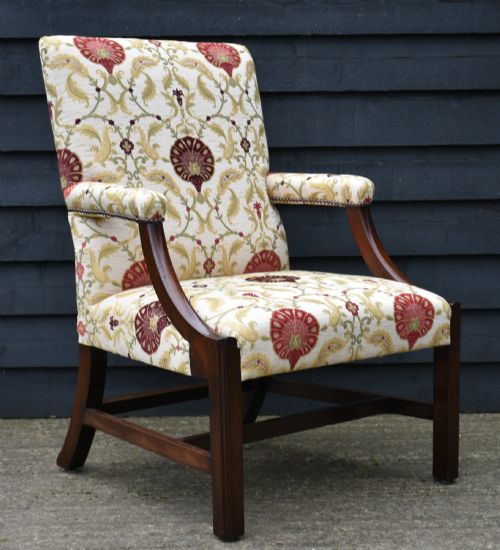
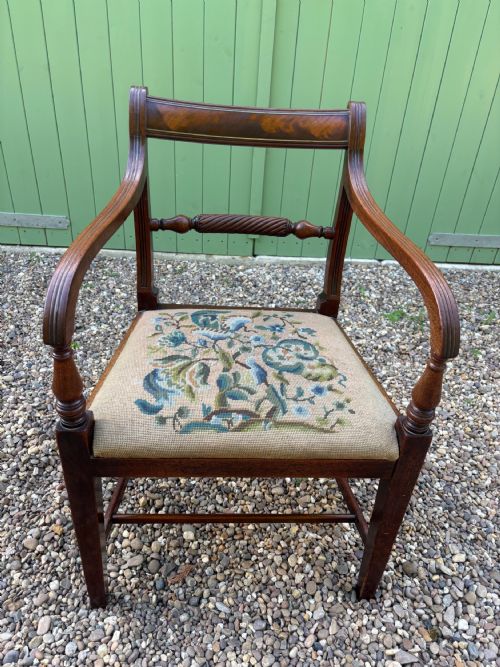
Surface finishes typically involved hand-applied wax or polish that highlighted the natural grain of fruitwood, birch, oak, and walnut. Upholstered variants incorporated leather inserts, fabric, or cane work integrated directly into the wooden framework.
Materials span native British hardwoods including elm, ash, beech, and yew alongside imported mahogany.
What Varies In Quality
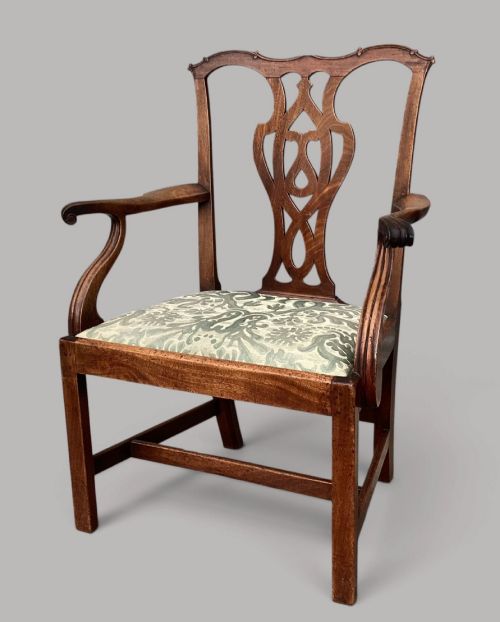
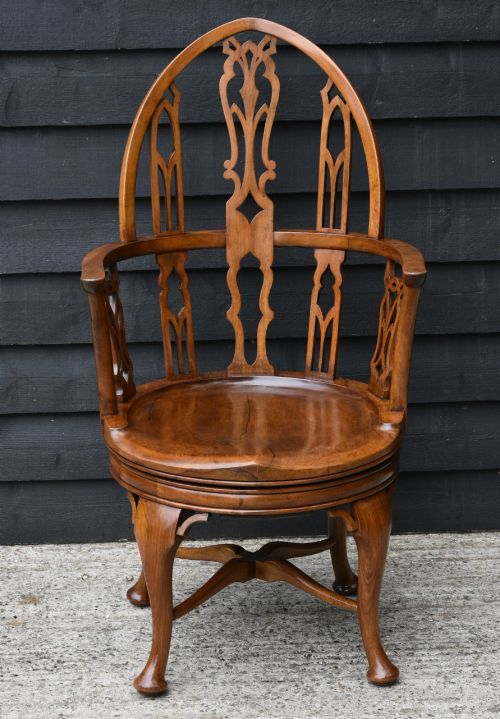
Superior examples display confident proportions, crisp carving on mahogany arms and splats, and well-balanced spindle turning in country windsors. Poorer specimens often show heavy-handed replacement parts or clumsy timber matching that disrupts the clean sweep of a curved back.
The integrity of the timber heavily influences overall merit, with figured grain patterns and untouched original surfaces holding greater distinction than heavily stripped or over-restored frames.
J Spencer·Alfred Allen of Birmingham
The Antique Wood Desk Armchair Glossary
- Carver
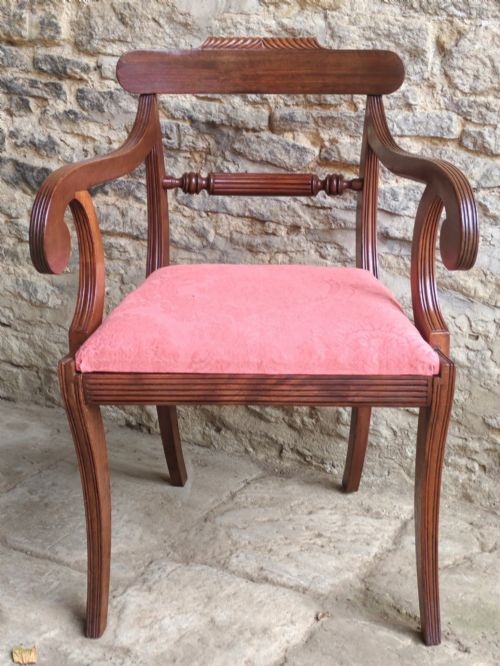
- An armchair designed to match a set of dining or office chairs, featuring open arms to accommodate formal clothing. These pieces often served double duty at a partner's desk.
- Windsor
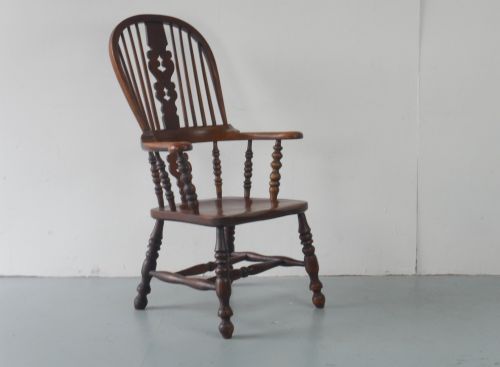
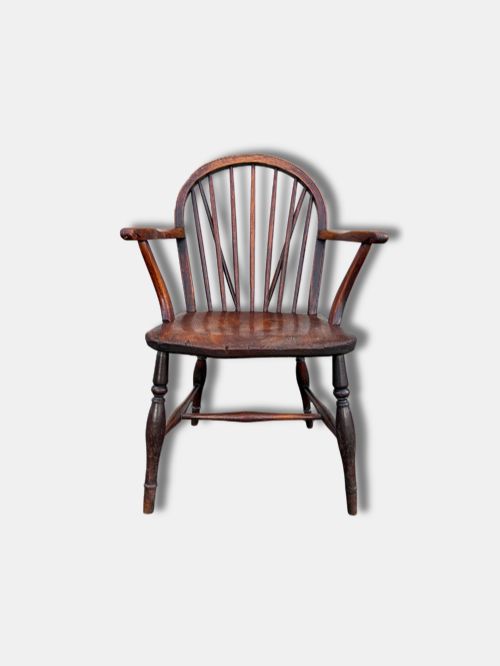
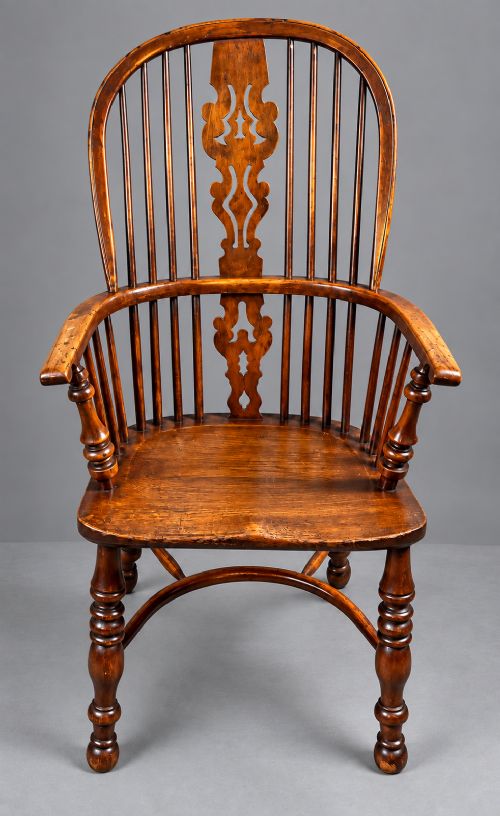
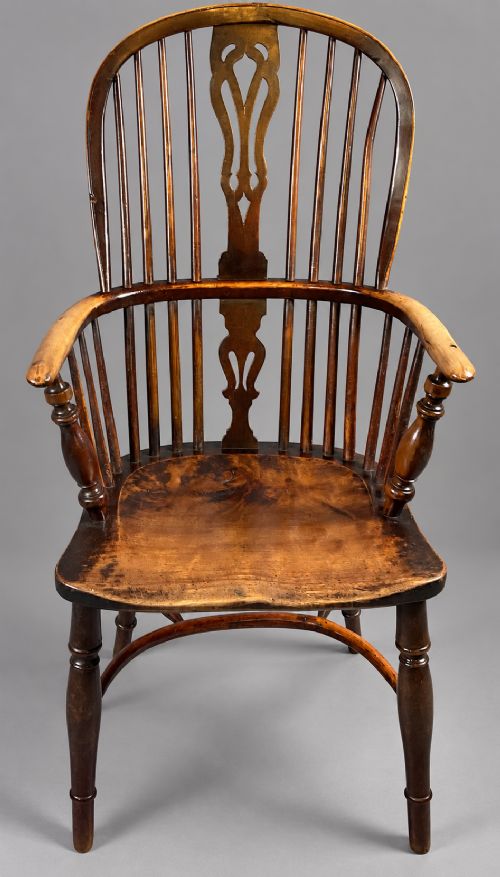
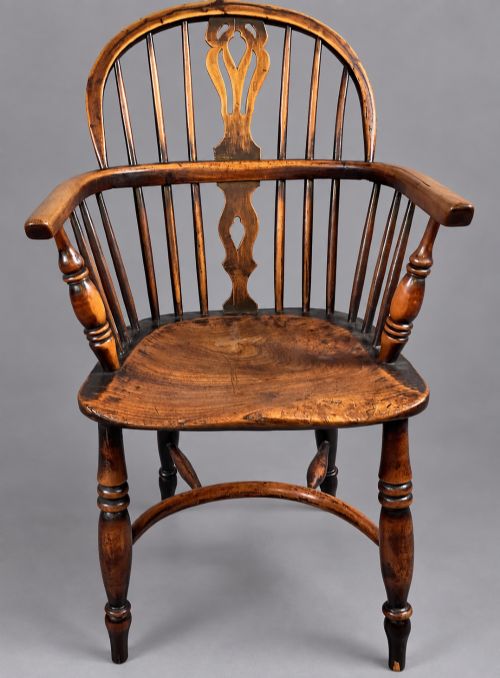
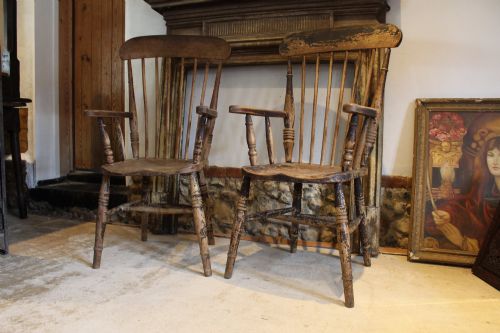
- A traditional wooden chair constructed with a solid shaped seat into which separate legs and back spindles are wedged. This form utilises diverse timbers such as elm, ash, and yew.
- Smoker's Bow
- A low-backed Windsor armchair featuring a continuous curved arm rail supported by turned spindles. It is commonly associated with nineteenth-century West Country vernacular seating.
- Revolving
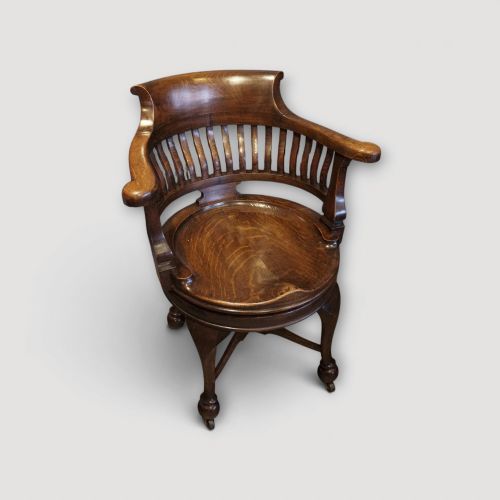
- A mechanical desk chair utilising a central pivot and swivel mechanism to allow rotation. Edwardian and Victorian iterations frequently paired this function with bentwood or solid mahogany frames.
Antique Wood Desk Armchair: Frequently Asked Questions
What is a Windsor desk chair?
A Windsor desk chair is a traditional seating form constructed with a solid wooden seat that holds turned legs and raked back spindles. These chairs rely on strong vernacular timbers for daily utility.
Such seating provides reliable support for writing tasks while bringing rustic character into a study or library space.
How do I identify a Victorian desk chair?
Victorian desk chairs often feature robust mahogany or elm construction, sometimes incorporating revolving mechanisms or padded leather inserts. They reflect the heavier proportions popular during the nineteenth century.
Makers of this era frequently combined sturdy structural forms with carved back rails or horseshoe armrests suited for office work.
Are these chairs comfortable for daily work?
Many antique wood armchairs were built with generous proportions, wide saddle seats, and curved back rails that offer natural ergonomic support. Their solid timber construction accommodates standard sitting postures well.
Adding a small loose cushion can further adapt a historic carver or Windsor chair for modern working hours.
What woods were commonly used?
Cabinet makers utilised dense hardwoods like mahogany and rosewood for formal library seating, alongside native fruitwoods and walnut. Country workshops favored tough combinations of elm, ash, and yew.
Each timber selection dictated both the visual character and the structural resilience of the finished seat.