



Antique Wood Coaster
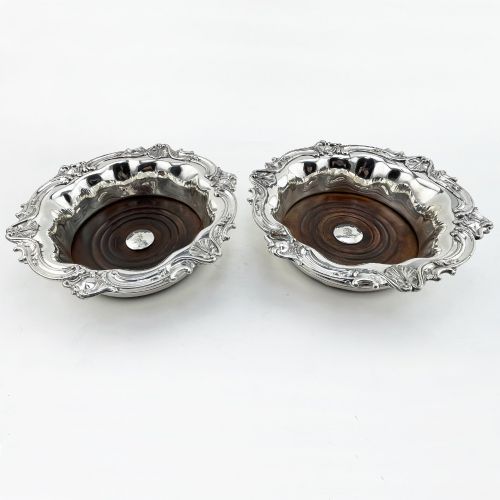
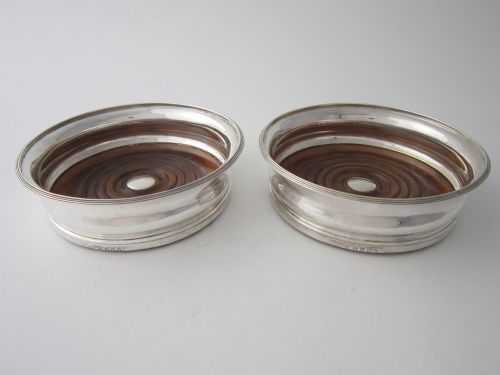
These antique wood coasters protect the table while keeping the bottle moving freely, blending practical British drinking custom with fine cabinet-making.
Antique Wood Coaster
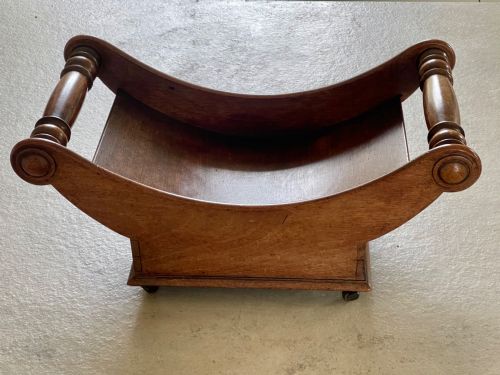
An antique wood coaster serves as a stable base for wine bottles and decanters, protecting polished dining tables from rings and spills. Collectors searching for an antique wood coaster will find various forms on this page, ranging from single bottle stands to multi-bottle holders and rotating lazy susans.
The pieces appearing here span the Georgian, Victorian, and Edwardian periods, alongside a nineteenth-century Japanese Meiji tea ceremony tray. Mahogany and oak dominate the material record, often paired with metal mounts or silver centres.
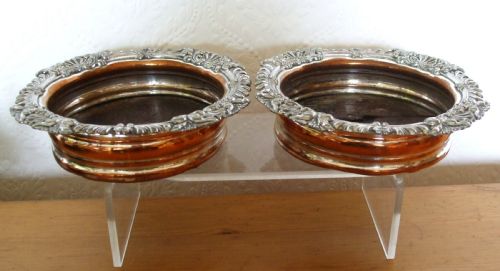
Wine coasters and decanter stands form the majority of the selection, reflecting formal dining habits of the eighteenth and nineteenth centuries. Buyers frequently encounter pairs or sets designed to match the symmetry of a formal dining table.
Materials and construction
Makers utilised dense timbers such as mahogany and rosewood, carved and turned to create the circular walls of each bottle stand. Oak also appears, sometimes mounted with silver or brass rims to reinforce the timber structure.
Metals play a structural and decorative role, with sterling silver, Old Sheffield plate, copper, and brass applied as borders or central bosses. Original castors occasionally feature on larger cheese coasters and bottle holders to aid movement across the mahogany surface.
Antique Wood Coaster Retail Price Guide 2026
Typical asking prices for wood coaster among the pieces listed under this phrase on Sellingantiques today, from the lower quarter to the upper quarter. They describe what is for sale here now, not the wider market.
Some nineteenth-century cheese coasters arrived fitted with small castors so diners could roll the cheddar smoothly down the mahogany table.
Markers of quality
The refinement of the timber turning and the crispness of the carved detail separate standard pieces from superior examples. Timber selection dictates the visual depth, with well-figured mahogany displaying rich grain patterns.
The integration of metal mounts reveals the maker's skill, particularly where silver or Old Sheffield plate frames the wooden base. Retaining original elements, such as underlying castors or fitted silver medallions, enhances the integrity of the piece.
Matthew Boulton·James Mein of Kelso·Asprey
The Antique Wood Coaster Glossary
- Coaster
- A small tray or stand placed under a bottle or decanter to protect table surfaces. These items often feature raised sides and lined bases.
- Old Sheffield Plate
- A fused composite material made by melting a thin sheet of silver onto a thicker copper base. This technique prevailed before the invention of electroplating.
- Lazy Susan
- A rotating tray placed on a table to facilitate the sharing of dishes or bottles. Examples range from simple carved wooden circles to more complex pivoting assemblies.
- Decanter Stand
- An alternative term for a bottle coaster, often built with deeper sides to secure heavy glass decanters during dining.
Antique Wood Coaster: Frequently Asked Questions
What were antique wood coasters used for?
These pieces served to hold wine bottles and decanters on the dining table, allowing guests to slide the bottle safely between diners once the cloth was removed.
They also protected polished timber surfaces from moisture rings and wine drips during long Georgian and Victorian dinners.
How do I date an antique wood coaster?
Dating relies on timber choice, turning style, and the metal components used in the mounts. Georgian pieces often display rich, heavy mahogany and simple turned profiles, while Victorian examples introduce more elaborate carving and varied woods.
Associated silver hallmarks provide precise manufacturing dates when present on the rims or central buttons.
How should I clean a wooden coaster?
Dust the timber gently with a dry, soft cloth to remove surface particles without disturbing the grain or finish. Avoid using liquid polishes or water, as excess moisture can damage aged wood and tarnish any attached silver or brass mounts.
Are wooden coasters usually sold in pairs?
Many examples survive as pairs or larger sets to accommodate multiple bottles of port or wine at opposite ends of a dining table. Single pieces also appear, particularly larger cheese coasters, magnum stands, or rotating trays meant for central table placement.