

Antique Wood Club
An antique wood club is a solid utilitarian weapon or ceremonial implement built to last, sought after by collectors of tribal and ethnographic objects.
Antique Wood Club
When searching for an antique wood club, collectors encounter items spanning the eighteenth, nineteenth, and twentieth centuries, originating from Indigenous Australian, African, and Pacific cultures. These pieces range from functional throwing implements to ceremonial weapons used across various regions.
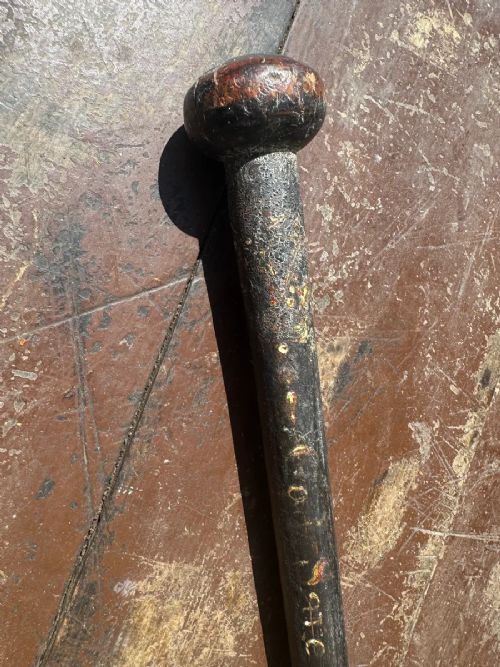
The selection includes specific forms such as the knobkerrie, the throwing club, and the traditional Fijian ula, alongside related items like truncheons and staves bearing traces of original paint. Each object reflects the specific functional traditions of its maker and geographic origin.
Materials and construction
These items are fashioned from dense hardwood, shaped by hand to create weighted heads and balanced shafts suitable for striking or throwing. Artisans utilised the natural grain and strength of the timber to ensure durability in combat or utility.
Surface finishes vary, with some examples retaining original paint or carved detailing that marks tribal status and ownership, while others show the smooth patina of age and handling.
Antique Wood Club Retail Price Guide 2026
Typical asking prices for wood club among the pieces listed under this phrase on Sellingantiques today, from the lower quarter to the upper quarter. They describe what is for sale here now, not the wider market.
Listings feature items from the eighteenth, nineteenth, and twentieth centuries, spanning African, Australian, and Pacific origins.
Assessing quality and authenticity
Quality in these items rests upon the integrity of the timber, the balance of the piece, and the crispness of any native carving or surface decoration. Pieces that retain original paint or exhibit deep, untouched age patinas command greater interest.
Condition is weighed against historical use; minor dents and wear from handling are expected, whereas altered surfaces or replaced sections diminish the historical value of the artefact.
Mellier and Co·Hary and Lou Epstein
The Antique Wood Club Glossary
- Knobkerrie
- A traditional southern African defensive and hunting club featuring a heavy rounded knob at the end of a wooden shaft. It serves as both a practical weapon and a symbol of authority.
- Ula
- A traditional throwing club originating from Fiji, typically characterised by a distinct lobed or rounded head. Warriors utilised these for both warfare and hunting small game.
- Stave
- A strong wooden pole or cudgel used for defence or as a badge of office. Historical examples occasionally feature painted inscriptions or royal cyphers.
- Ethnographic art
- Cultural objects created by indigenous peoples, encompassing utilitarian items, weapons, and ceremonial pieces. These artefacts reflect the social structures and traditions of their makers.
Antique Wood Club: Frequently Asked Questions
What is an antique wood club used for?
These wooden implements served primarily as weapons for warfare, hunting, or personal defence among various indigenous cultures. Many also functioned as symbols of status, authority, or ceremonial use.
Over time, surviving examples transitioned into prized ethnographic objects collected for their historical and cultural significance.
How do I identify a tribal club?
Identification relies on examining the timber type, the specific shape of the head, and traditional carving patterns associated with regions such as Africa, Fiji, or Australia. Traces of tool marks and surface wear help confirm age and authenticity.
Consulting cultural records or specific tribal typologies assists in narrowing down the precise origin and period.
How should I display a wooden club?
Displaying these items requires stable mounting systems that support the weight without damaging the wooden shaft or carved head. Secure stands or wall brackets designed for ethnographic artefacts work best.
Keep pieces away from direct sunlight and fluctuating humidity to protect the integrity of the historic timber and any original surface finishes.