
Antique Wood Chair Frame
An antique wood chair frame is the skeletal architecture of a seat waiting for a new life, offering purists the chance to restore historical timber and upholstery to its original form.
Antique Wood Chair Frame
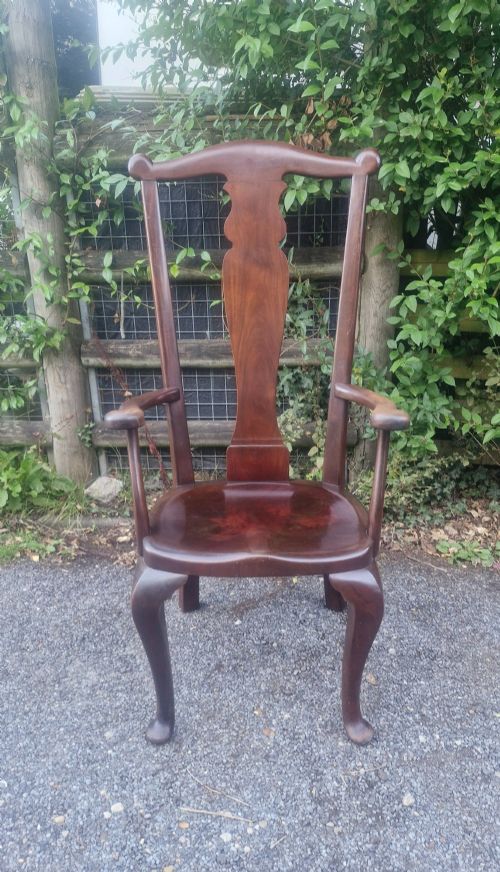
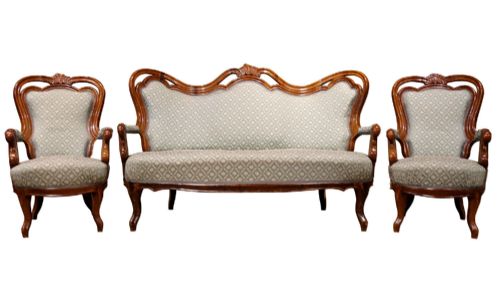
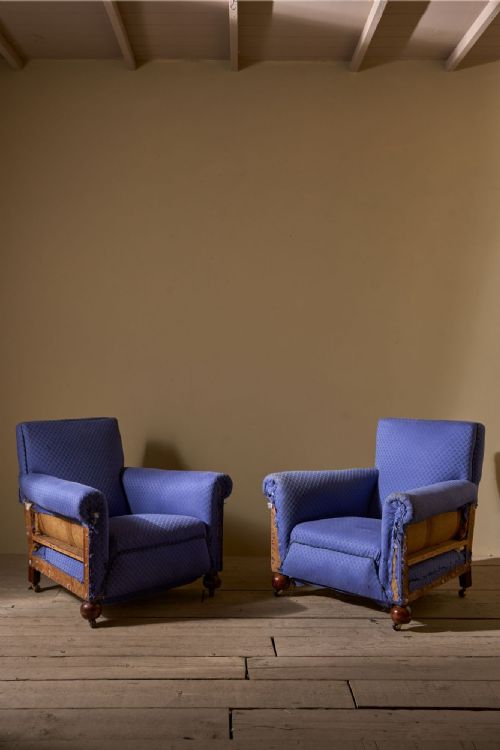
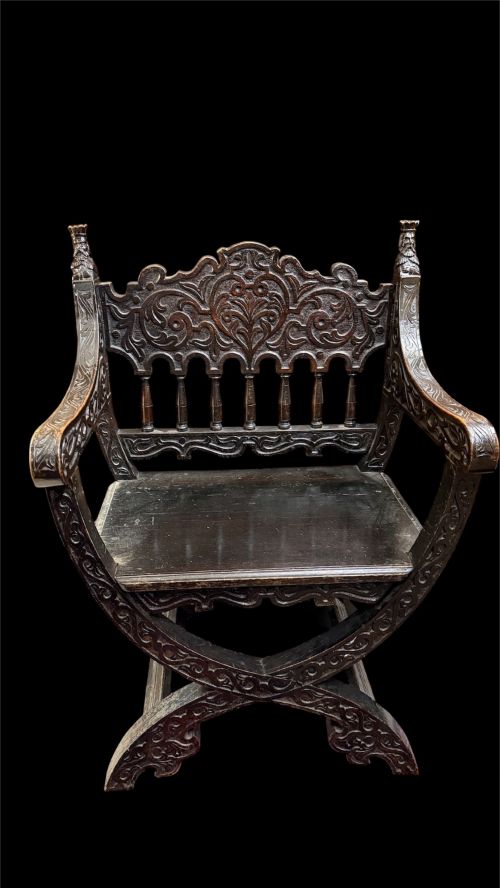
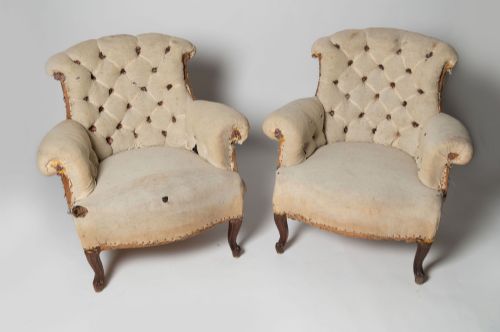
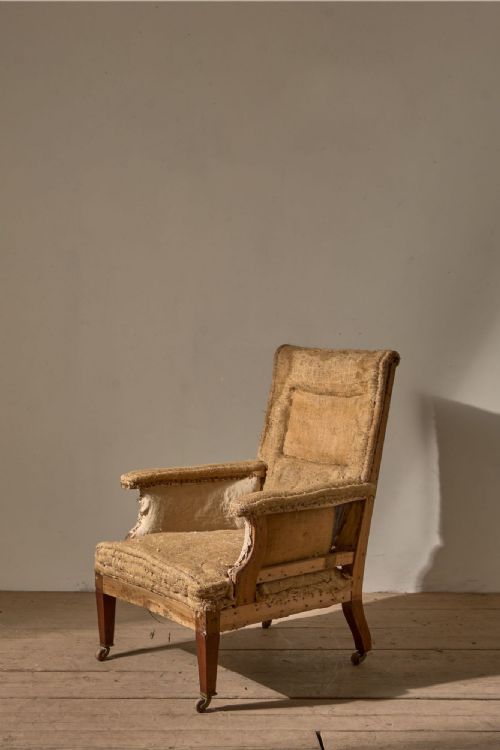
An antique wood chair frame provides the foundational structure for seating, ranging from simple country carver chairs to elaborate salon suites. When searching for this phrase, buyers encounter stripped skeletons ready for webbing and stuffing alongside complete frames retaining their initial finish or paint.
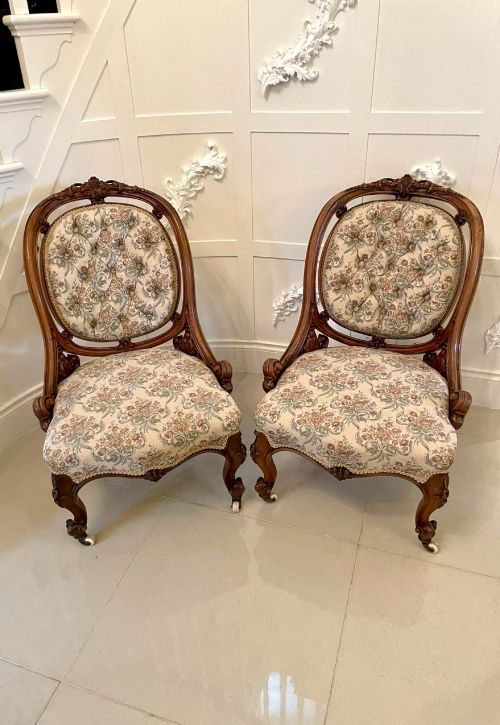
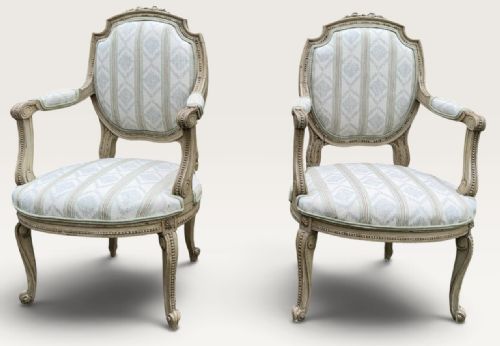
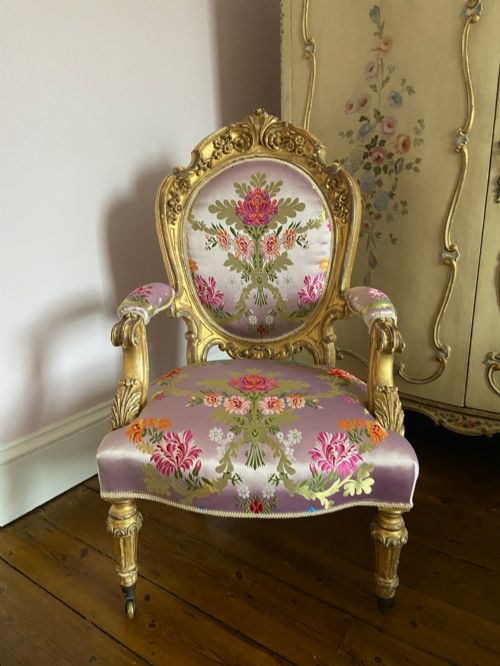
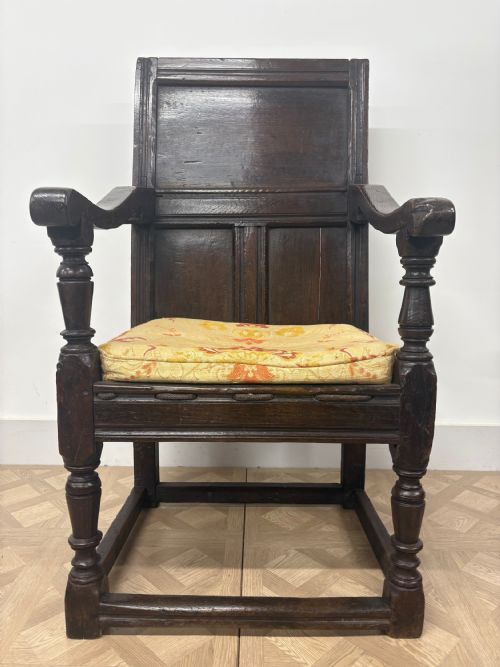
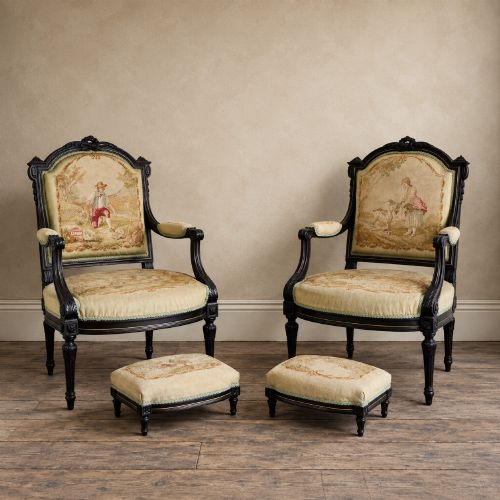
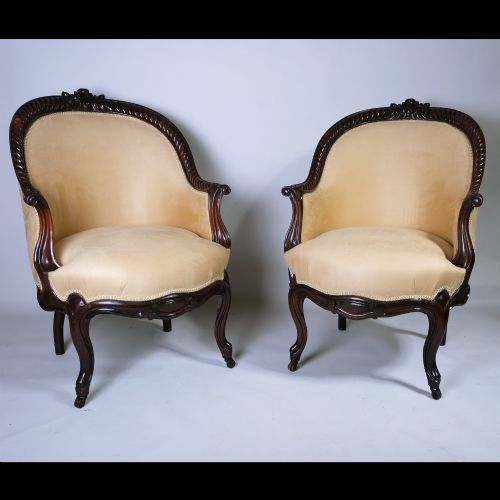
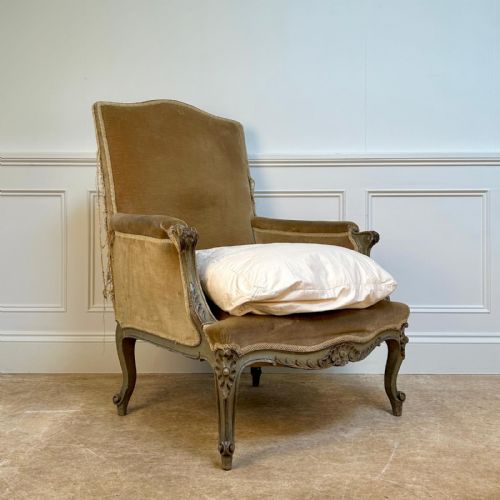
The selections span multiple centuries and design idioms, featuring early oak wainscot examples through to Victorian walnut framed fireside chairs and Edwardian country house wingbacks. Regional variations appear too, including French Louis XV and XVI revival pieces with carved giltwood and ebonised beech.
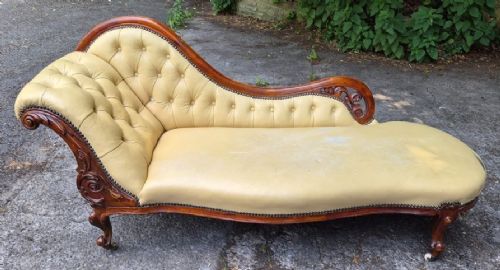
Forms extend beyond standard seating to incorporate chaise longues, day beds, stools, and desk chairs. These pieces isolate the core craftsmanship of the cabinetmaker, laying bare the joinery and carving that later upholstery would normally conceal.
How they were made
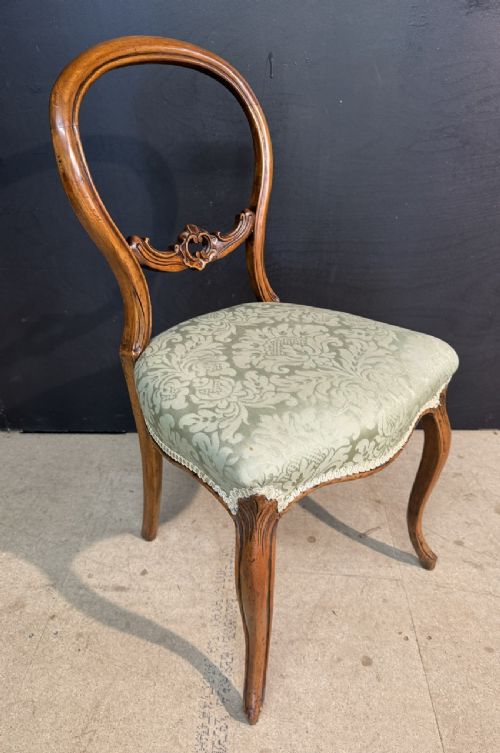
Makers relied primarily on native and exotic hardwoods such as mahogany, walnut, oak, beech, ash, and elm to build the structural skeleton. Timber selection dictated the strength of the joints, with dense hardwoods allowing for slender cabriole legs and delicate pierced splats.
Joinery techniques combined traditional mortise and tenon joints with dowels and corner blocks to ensure rigidity under daily weight. Carved ornamentation, whether linear reeding or exuberant Rococo scrolls, was hand-chiselled directly into the solid wood before any surface treatment was applied.
Surfaces received various finishes depending on the period and origin, including clear polish, dark wax, ebonising, or original decorative paint. Metal elements such as brass castors or decorative studs were occasionally integrated into the design to aid mobility and secure early fabric edges.
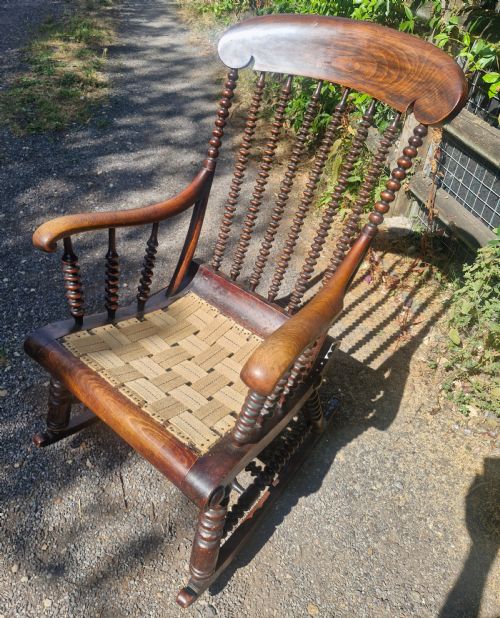
Several frames come complete with original bobbin turnings that make them look like neatly stacked wooden reels.
What varies in quality
The calibre of timber preparation and seasoning dictates the structural longevity of the frame. Superior examples utilise dense, well-figured heartwood that resists warping and movement across seasonal temperature changes.
Carving depth and sharpness separate standard production from exceptional craftsmanship. Master carvers created crisp, undercut foliage and balanced symmetry, whereas lesser pieces display shallow, mechanical detailing with flattened relief.
The integrity of the original joints determines structural fidelity. Frames that retain their tight, factory-fitted joinery without excessive peg replacement or metal bracing represent the highest standard of survival.
Gillows
The Antique Wood Chair Frame Glossary
- Wainscot
- A heavy, panelled wooden armchair dating from the seventeenth century or earlier. These sturdy seats represent some of the earliest domestic chair forms found in English households.
- Cabriole leg
- A furniture leg that curves out in a convex arc and tapers inward in a concave arc, mimicking an animal's leg. This classical shape gained prominence during the eighteenth century.
- Carver chair
- A traditional term for an armchair, often used in sets alongside matching side chairs for the head of a dining table. They typically feature open arms attached to the seat rail.
- Bergère
- An enclosed upholstered armchair with wooden framing visible around the sides and back. The armrests and back are frequently filled with cane work or tight upholstery.
- Giltwood
- Timber that has been coated with a thin layer of gold leaf or gilt powder over a prepared gesso ground. It was widely utilised on formal French and English revival salon furniture.
Antique Wood Chair Frame: Frequently Asked Questions
Can I use an antique frame for daily seating?
Most antique wood chair frames remain structurally robust enough for regular use, provided the underlying joints are secure and stable.
Buyers should inspect the structural timber and corner blocks before committing the frame to heavy everyday service.
How do I choose the right upholstery fabric?
Selecting fabric depends on matching the historical period of the frame with an appropriate textile weight and texture.
Traditional choices like velvet, damask, or printed cotton sit comfortably on Victorian and revival frames, while simpler linens suit country pieces.
Are painted finishes on these frames original?
Original paint surfaces appear on specific French and country pieces, often showing crackleur and wear consistent with age.
Distinguishing original pigment from later decorative overpainting requires examining the underlying ground layers for oxidation and wear patterns.
What is the difference between a side chair and a carver?
Side chairs are built without arms to tuck neatly beneath dining tables or against walls when not in use.
Carver chairs incorporate armrests, making them wider and historically designated for the head of the household.